
Sign up to save your podcasts
Or



Based on Podcast App listening data
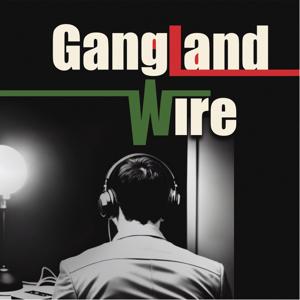
In this episode of Gangland Wire, I sit down with Keith Grounsell, a veteran lawman whose career spanned patrol, specialized units, and high-stakes undercover work with the DEA. Keith takes us inside the hidden world of narcotics investigations, sharing stories that reveal both the danger and the human toll of living a double life.
We talk about how Keith’s upbringing as the son of a Marine pushed him toward public service, and how his path eventually led him into the shadowy world of drug traffickers. He recalls the adrenaline of undercover drug deals, the razor’s-edge risks, and the constant challenge of protecting his cover while keeping his integrity as a cop intact.
Keith also reflects on the strain this life put on his family and the psychological pressure of staying in character for months at a time. His advice to new officers is candid and practical—emphasizing the need for physical fitness, community ties, and strong mental health to survive the demands of the job.
Our conversation widens to the broader impact of drug trafficking on crime and communities, and the need for law enforcement to adapt to ever-changing threats. Keith also shares his writing journey, a four-book series titled Narc’s Tale, which chronicles his undercover assignments and the lessons he carried forward.
This episode offers both gripping stories from the field and a rare inside look at the toll—and the nobility—of narcotics enforcement.
Listen now on Apple Podcasts, Spotify, YouTube, or your favorite podcast app.
Hit me up on Venmo for a cup of coffee or a shot and a beer @ganglandwire
To go to the store or make a donation or rent Ballot Theft: Burglary, Murder, Coverup, click here
To rent Brothers against Brothers, the documentary, click here.
To rent Gangland Wire, the documentary, click here
[0:00] Well, hey, all you wiretappers, good to be back here in the studio at Gangland
[0:02] Wire. This is Gary Jenkins. I am a retired Kansas City Police Intelligence Detective, as most of you know, because I’ve got a lot of regular listeners. And those that don’t know, that’s who I am. And I have another copper here with me today. I’ve got Keith Grounsel. Keith, welcome. Hey, Gary. Thanks for having me on the show. I’ll tell you what, Keith. I love talking to and interviewing, but then our conversations before and after talking to these other coppers that have worked around the country. It’s always fun. We talk the same language, I’ve noticed. And that’s around the world, too. I haven’t worked internationally. We’re a universal group of people that always collaborate together and get along in different environments. Yeah. And then we start telling stories and it really gets good.
[0:49] That’s right. But we can’t record all those stories. So we don’t want to record some. We don’t want to record. All right, Keith. Now you became a cop, you know, where are you from originally?
[1:04] And then what, what, what made you think that you wanted to be a police officer? Me, I wanted to be a cowboy.
[1:10] And so that was a close job to being a cowboy. So how about you? Yes. It’s kind of funny. My dad was a United States Marine, 22 years. So I was raised by a career Marine. I was actually born in Beaufort, South Carolina at Parris Island at the Beaufort Naval Hospital there. And so I always knew I wanted to do some sort of service. I didn’t want to sit behind a desk. I either wanted to go in the military, in the United States Marines, or do something else. And then I saw law enforcement probably around middle school when I really got interested in law enforcement and ended up going to college on a soccer scholarship, majored in sociology and criminal justice and got a job in law enforcement just in my local town right there and just fell in love with it and kind of found a knack in my career for going after drug traffickers. That was kind of my thing. More local level, not traffickers as a rookie cop, more just local bust and some occasional dealers and users and things like that. I really found it was giving me a natural high chasing them. It’s like hunting humans. And I was like, man, this is what I want to do right here. So I emphasized that and I studied my tail off. I learned a lot about drug dealers, drug trafficking, drug users. And I led the department for a couple of two of the last three years in the first department in drug arrest.
[2:29] So I went from there and transferred to a much larger agency, one of the top largest agencies in the state of South Carolina in Greenville, South Carolina. And it was pretty much day one orientation. They yanked me out of orientation. I take me to the captain’s office, say, from now on, you’re not allowed to associate with police officers. Now, granted, I’ve been a cop three years at this time.
[2:51] And you need to work in the vice narcotics unit. You’re going to report it this time. This is your sergeant. This is who your supervisor is and just go with them. And I had some older gentlemen in there that kind of took me under his wing and a female that worked undercover and another undercover. And they taught me the ropes, man. It was trial by fire. I really didn’t know what I was doing. I made a lot of mistakes to tell you the truth. And thank God, didn’t get indicted, didn’t get in any big trouble and left there after a year, went to the sheriff’s office, much larger agency, did three years undercover there. Then I wanted to reach that pinnacle in my career, I felt, in drug enforcement.
[3:30] And I worked really hard and was hired on as a special agent with the U.S. Drug Enforcement Administration and did that. Man, I spent about a total of six years deep undercover. And that’s taxing on a family is taxing on you as an individual. And I had an opportunity to, I tried to actually.
[3:49] Transfer from out where I was in Kansas with the DEA back to South Carolina, where I had a support system for my family and I couldn’t get a transfer. So I had an opportunity to do some Department of State contracting and I left the DEA and went to Afghanistan for a few years. That’s where I got into contracting. I did that for a few years, got injured in Afghanistan, came back, worked my way back up, became a chief investigator, became a chief of police, I quickly learned the political realm and fighting corruption as a chief is very tough in a small town.
[4:23] I lost my job early on getting in for 14 months, came back, indicted the mayor for public corruption. He got convicted in a three day trial of two or three crimes against moral turpitude and invited invited the head of investigations for a rape and murder cover up. And he pled guilty in that and then indicted the chief of police before me for extortion and his charges were dismissed on technicality. So I went through a gamut of different things and I came back, lasted about four years total and two more years after that. And we went from number 28, number one, safest city in the entire state. We went after the drug traffickers. I trained my whole entire department in drug enforcement and community policing. And it drastically helped the community and made it a safer place. But politics rared its ugly head again and the people that weren’t indicted, they brought some people in to run to oust me as a chief and I had to go and that’s why I got back into contracting. I went to Haiti for two years I went to West Africa for a couple years. I went to India Jordan, different places like that doing contract work and then I came back became a chief again. I was glutton for that punishment.
[5:33] I probably shouldn’t have done it a second time to be honest with you because I feel like i ran into the same thing i i helped the city drop 100 safety rankings in about a year period things were going really good until i uncovered some some corruption uh involving some police officers and went to deal with it and they dealt with me and it was time to go so so since that’s been about a year now now about to get go back overseas so my career has been you know a crazy career, to say the least, and I feel like I’ve lived 10 lives.
[6:08] So you had a four-book series called Narc’s Tale. I do. So tell us, tell us, you know, some of your stories as an undercover. I can’t think. Absolutely. Garden City, Kansas with DEA or, or maybe you have something like, well, your early cases there when you were. Oh, absolutely. There had to be some stuff that, that, that your hair back on the back of your head standing out and, and your shit your neck for a little bit. Give it, give us some of those stories out of your book. So I felt like I was kind of blessed as a, as an undercover, especially a deep undercover. Not many deep undercovers have worked at the city level, then the county level, then the federal level. So I got to experience all of it. And I will say this as a tribute really to the local narcs. Some of the most dangerous stuff that I ever did was dealing with a drug addict who was selling drugs. I mean, somebody like that that is high will shoot you in the face just to get enough money to buy a crap rock. So when I was working undercover at the street level, I ended up buying from two cop killers. and I didn’t even know they were cop killers in drug hand-to-hand $20 transactions. They had already served their time and because there were hardly any witnesses, they testified against somebody else and they got a lesser charge and they served like a five to eight year sentence. They got out of prison. They’re back out on the street and I’m dealing with them now hand-to-hand as an undercover. They ended up getting 20 plus years for my charges. But you know, they kill a cop, they get five to eight years.
[7:33] So for me, I felt a little bit of, you know, you know, it made me feel good taking down people like that. But unbeknownst to me and those deals, man, it could have been me. One of them pulled a gun one time on me and I didn’t know he was a cop killer, you know. And so it’s very dangerous at the local level. Now, as you get higher up in the hierarchy and you start buying kilos or you start running or transporting for cartels.
[7:59] It’s a business and they’re not as quick to necessarily pop you and shoot you and kill you on the spot because they do have some level of a hierarchy, but they will torment you. They will maybe kill a family member or they’ll kidnap a family member. So those are the things that you thought about, especially me as an undercover. I was like, man, if I mess up at this level, it’s not just me, it’s my family. And that’s what made it a little bit more mentally growing and tough for me when I went to the higher level. But all undercover period is dangerous.
[8:37] I’d say one-tenth of one percent of all law enforcement actually work deep undercover. You mentioned that term, deep cover. So explain to the guys what that means. Give us some concrete examples. How did you do that? Did you get your own apartment? Did you live that life? Absolutely. So you have like uniformed police officers, then you have plainclothes police officers, like guys who do occasional surveillance, which is an undercover op. You know, you’re undercover operative. You’re you’re blending into an environment. Then you have occasional wham, bam. Thank you, ma’am. Go out, do some undercover deals. Now, you keep an identity when you’re at work. But when you’re deep undercover, you assume an identity that’s not your own. Everything from your address to your cell phone to your name is different than your actual name. And you have an undercover identity that is established with an actual driver’s license that if the police ran it, it’ll come back to a person. And you have established a criminal history in it. It’s a very detailed thing because actually as an undercover, I’ve run into corrupt cops.
[9:45] And when there are corrupt cops out there, you don’t want them to know that you’re a police officer. And sometimes you know i remember the first time i was dealing with a cartel i was i was posing as a freelance truck driver my self-monitor cover partner with the dea and in western kansas we’re going to transport a small test load of a couple kilos of cocaine from kansas i-70 to the east coast first thing they did was what my driver’s license they wanted to run my license who’s going to run that license on 30 he’s gonna run that license so we gave him a license we were able to trace back to ncit who ran it what mobidata terminal we were able to charge that cop later on you know in this overall conspiracy with the cartel but they were on point they wanted to check all my dot stickers my manifest for my truck i mean they were there on top of everything that’s more experience than us so you had to study your role as an undercover and that’s what made it mentally grueling when you’re doing long-term undercover. Don’t pose as something you’re not. Like me, I never posed as an outlaw motorcycle guy or anything like that or a mafia guy. I’m not an Italian guy. I’m not that type of guy. I would never try and fake something.
[11:02] It has to be something that your persona can infiltrate and you feel real comfortable in that environment. You got to be able to kind of get along with everybody. I’m not a big guy, you know but i’m acting crazy when i was undercover so people knew like this is a wiry guy like this guy you know he’s he’s pretty smart but he he’s liable to flip out on me at any moment so i had to do that i had an undercover partner that was six six 320 pounds when we’re sitting in we’re sitting in a bar and outlaw motorcycle gang rides through and they slide him a business card and say let us know when you want to hang out look at if they look at me like who is this guy you know they pass it on to my buddy oh for me i knew that i just didn’t have that size and that mean factor but i had the intelligence i was i was a quick thinker um but i i had to create this persona not to be messed with you know so they knew i always carried it at minimal of two guns on me and i made it openly known i remember i was in a meth house one time i was buying off of a guy that i got introduced to and i went over there by myself and i go in He’s probably got 30 guns all on all his couches, on his tables, and every single one of them is loaded.
[12:15] And he’s like, man, I love these guns. And he’s racking the rifles and the shotguns. And he’s putting one in the chamber and removing the magazine. And he still got one in the chamber. And I’m seeing all these things. And he’s paranoid. He’s going to the blinds, looking out at the blinds, saying, did you see? Does somebody follow you here? And he’s very paranoid because he’s high and under the influence.
[12:37] And he’s like, man, you got guns? And I’m like, yeah, I got guns. So I’m in a situation as an undercover. You never give up your guns. So what I did is I went down the line slowly over time as we’re sitting there talking and I unloaded all his guns. He didn’t know it because I was checking them all out. I was leaving every damn last one of them unloaded or making sure there at least wasn’t one in the chamber. The safety was on or something. So he didn’t have a quick reaction. We can grab a gun and shoot me or anything. So we’re sitting in there talking. And I remember I always have two guns. I actually had three guns on me at that time. So I took out one of my backup guns, unloaded it completely, and handed it to him. It’s an unorthodox thing to do. But if I wasn’t to show him one of my guns after he showed me 30 of his, ding, ding, ding, this guy’s a cop.
[13:23] Paranoia’s already at this level right here. All but knows to me, the guy had an active meth lab in one of the bedrooms. And I found that out later on. He walks me back there and wants to show me his triple neck beaker or something that he had just got on line on eBay. And it was just a bad situation i was able to make a buy and get the hell out of there and i actually ran over his mailbox on the way out because he came out with a gun and it was kind of funny so we just took off but yeah so you run into all sorts of scenarios you got to be able to overcome and adapt being a military brat having moved every four years i always had to make new friends always had to infiltrate different environments and i believe that actually did something to me growing up, which enabled me to go into any environment, even international policing, and as a chief of police or undercover in any environment, I could get along with about anybody. And that helped me out a lot. So give me an example of, did you always have somebody to introduce you in or could you get, you could go into a bar, a particular place and just start creating relationships and work it for like a cold call as a salesman would say. Yeah, absolutely. So both.
[14:35] So when I first went undercover, I was young and they wanted me to go into what were big, the all night dance parties called raves, the big ecstasy crowd. And they were multi-million dollar industries they would go in and have all this techno music and tens of thousands of kids would come to this environment they would do drum testing on the spot you could buy any drug you want they were selling as ecstasy but it wasn’t always ecstasy so in that environment i had to learn what it was like to be under the influence of that drug not by using but by studying and then acting like i was high so i fit in and blended into that environment.
[15:16] And then making friends and being able to buy off of them. The hardest part about that was not necessarily doing the buy because I kind of sat back and watched and would have them blow sticks and dance and fit into the environment that I was in. When I saw a dealer, it was pretty obvious, but I wouldn’t just go up to him and approach him and ask. I would kind of watch the body language, how previous transactions took place. Then I would approach him, make the deal, and I wouldn’t immediately leave after I did the deal.
[15:44] You know, I’ll do the deal, pretend like I chewed up the XC pill or swallowed it, crumbled it up, put it in my pocket inside of a napkin or something like that. And I generally had a surveillance team somewhere in the club if it was that environment where we could get them in. But we were unowned. They have metal detectors.
[16:01] I mean, inside these specific nightclubs that have full, not just wands, but they have metal detection systems. So it went all the way to your feet. So if I go in a club and I see a guy with a wand, I’ll sneak a .22 pistol North American arms in my boot. And I’ll have at least a contact gun where I can shoot him in the neck if something happened. Or I carry a pre-9-11 knife that’s a plastic knife or something like that.
[16:26] But in those environments, it was all cold doing the deals. Now, as I became more and more established and, for example, in my unit trucked me as a long-term undercover, cover they would say hey i got an informant that was approached for example i had an informant that was approached to kill somebody and they say hey keith we got this guy that says so-and-so has to kill somebody tonight and he kind of blew him off but he thinks they’re serious so can you go in with this guy and see if this is a real deal you know potential solicitation for murder and So don’t pop off, or you’ll have somebody that gets busted with a little bit of cocaine, and they’re a menaceous man. I’ll give you an example. We busted a guy who was a doctor, a doctor, making a hefty $200,000 plus salary. He’s an anesthesiologist. And when I bucked at him, instantaneously, he’s like, I got to work.
[17:24] You know, he has too much to lose. So he flipped and he calls up and we, and we do a nice deal from, it was the smogest board of every type of drug because he had money and he called and the guy shows up and we bust him and then we flip him and he introduces me to somebody else and we go from there. I didn’t like doing those as a long-term undercover. Cause if you, if you’re involved in a lot of buy bust, you’re going to get burned really quickly. So I, I generally stayed towards, like we did a operation when I was with the sheriff. ourselves called Operation Straight Shooter. We ended up arresting 115 drug dealers on over 270 felony wars in a 14-month undercover operation. And it was myself and my undercover partner were the only two undercovers.
[18:07] Now, granted, we weren’t the only two guys at work, but you have to have case agents, surveillance agents, you have to have supervisors. So it took the whole team. 15 people in our unit were all involved when we did this huge 14-month undercover operation, and we did everything from street level heroin to 50 pounds of marijuana to buying kilos it just it varied according to what popped off could we get introduced so i generally would do a buy with somebody have somebody introduce me try and keep it like low level a little bit to where we can let the money walk like there’s buy bus where you buy in your bus and then there’s buy walks where you buy and you walk away and everybody walks away no handcuffs i generally like to let everybody buy wall so you have to keep the threshold of drugs a little lower because it’s that much money.
[18:58] We didn’t have that much money to say now hey guys i’ll sell you two kilos i’m like.
[19:04] Two keys right now but i’ll just take that one ounce it’s like what what are you talking about so i can tell you though from experience that when you lower the amount they don’t think you’re a cop for sure. So most cops are going for the big bust. So when you’re long-term undercover and you’re lowering it down, testing the waters or you call off a drug deal. Like you’re in the middle of a drug deal and you see their counter surveillance. They don’t know you see it. You tell them, man, I saw some heat down the road. There’s a 5-0 down the road. There’s police down the road. Man, we ain’t doing this shit. And you back out, tell them to be careful. Next time you do the deal, they’ll be, man, I appreciate that. So it develops a trust amongst them. You have to act like one of them without crossing that line. And that’s a very difficult line. Yeah, here’s another thing. guy worked with worked for me actually used to be he was a really big time narc and he came in the intelligence unit and he said we’re going to do something he said we need to do drug dealer time he said what do i said what do you mean he said we got to be late man ain’t no drug on time.
[20:10] Drug dealer you know what i was i was just talking to somebody about that very thing earlier today so i was working undercover to bus corrupt police officers for the department of corrections in of South Carolina. We had a corrections officer that was extorting the wife of an inmate and asking, making her do some certain things or else he was going to take it out on her husband who was an inmate. And she came forward to the state. The state contacted me, asked me to go undercover and to deal with this guy and actually sell him drugs. So when I went to sell him drugs, he showed up early. I mean, he’s an officer. He showed up early. Told my team. They’re like, he’s here. I’m like, well, I’m a truck deal. I got to be late. So they’re all like, why are you going to be late? That’s what you have to do. It’s on corporate. So you have to be late. You have to change locations. You have to do all the
[21:02] things the drug dealers do in order to appear as one of them. You know, for me, undercover props were a big thing. If I was posing as a heroin addict.
[21:12] I took a red pen. I would draw a line. I’d get black mascara. I’d spread it out like that and make it look like track marks on my hands. Or I would put burn marks on my hands with that second skin, like create chalices in a crack pipe or anything like that. And I had all the fake paraphernalia. I made my own cocaine that was made of lidocaine. And actually, you sniff it, your nasal cavity goes numb. I had wacky weed, which is fake marijuana with no THC content. So I had everything, all the props. So if you were around me, I got kicked out of a nightclub one time for smoking weed, but I wasn’t really smoking weed. And we paid the bouncer a hundred bucks to get back in. Then he ended up selling us cocaine. So you just, you don’t know. So you always have to plan for every single situation from having to use drugs. Are you going to get out of that situation? To what are you going to do if somebody pulls a gun on you or you’re a farmer? I mean, it’s because I’ve been in those situations. You know, where I remember the first time I brought a little Asian guy. He was my informant. I brought him in this nightclub because he knew a bunch of the drug dealers and we had just busted him. And he’s like, man, I can introduce you to everybody because he has seen me in the club before. And they said, this guy knows everybody. He gave him a list, phone numbers, addresses, cars, the whole nine yards. So I bring him in the club. We do a couple of deals while we’re in line. We ain’t even got in the club. We’ve already bought from two different dealers. We’re inside the club. We do another buy.
[22:42] He says, I got, I said, I got to use the bathroom and he didn’t have to go. So I separated for a second from him and I walked out, went to the bathroom. As I come back out, I look, look around, he’s not there. So I kind of like, all right, maybe he may go over here to the bar. Where is he at? I looked around the club, couldn’t find him. I was kind of getting a little bit panicky because I’m responsible. Ultimately, he’s my informant. So I’m still responsible for him no matter what. And he’s not on a body wire.
[23:06] So I know he’s wearing a wire. And if somebody finds that wire, he can be killed on the spot. So I remember it was an old bowling alley that actually, yeah, it had like a bowling lane. And then it had a ramp going up the door. And I remember seeing the light from silhouette of two guys that were right there. And I saw my informant.
[23:28] And as I walked closer, I could see something shiny, an object in the guy’s hand. And then as I got really close, I could tell he had a pistol. And he was robbing my informant the one guy was holding him at gunpoint and the other guy was rummaging through his pockets well it was pretty close to where he kept his body wire at that time and i’m like oh shit you know this is one of those moments where okay i don’t i don’t even i don’t even know how this guy got a gun in number one because they had the metal detection system he probably paid the bouncer to get in so i i was in this situation do i stab him do i what do i do so I don’t know why I wasn’t trained this way but I just I saw an opportunity his jaw was exposed and I just boom man it was a deadly force situation I hit him and thank god it was enough it knocked him down I turned I punched the other guy and I grabbed the informant and we went running out somehow well imagine what your surveillance team doing they’re in the parking lot and we’re flying out the door and running like yes and I’m dragging the informant and he’s kind of like what hell just happened. And we get inside the car and my phone is going off. And back then we had Nexttales. So it’s going off.
[24:37] Ringing and stuff. And I say, I’m okay. We just got jacked. Don’t go in.
[24:42] So, we sit out in the parking lot. Things calmed down. We had tinted windows on the car. We were fine. We laid back in the seats. My team was out there. But sure enough, the guys come out. The one guy is kind of holding the other guy. He’s kind of still like stumbling and stuff. They stumble to their car. They get in their car. They drive home. When they drive home, of course, we follow. Not us. My surveillance team follows them. Right. So, they follow them about three or four miles down the road. They stop them. They ended up getting consent to search. He had cocaine. He had the gun. He picked the gun up. But he did drop the gun. I know he dropped the gun. I’m pretty certain. And he picked the gun up. So we never charged him with the robbery. We let them charge him with that traffic stop. They have probable cause, independent, for the traffic stop. And it just looked like a bus. Well, down the road, we could have gone back and got him. But actually, one of them guys flipped, and he became an informant, too. So there’s no loyalty in the drug game, even at the, like the organized crime level to, to the cartels, people snitch on the line. I had a undercover and again, we, we didn’t really work this much drugs or undercover
[25:55] intelligence, but we had this one deal. I was a Sergeant. So one of the undercovers were buying some small levels of cocaine in this mafia guy’s bar. Right. So trying to get to him, we knew he was, he was doing some dealing.
[26:08] And my female undercover made a buy from the female of this group of people that were selling inside the joint. And they did it in the bathroom and the lady who sold Renee, the drugs said, well, you know, let’s shoot up right here. And Renee said, oh no, or no. She said, let’s, let’s, let’s do a line right here. And Renee said, no, no, I’m going to go out in the car. She said, I like to shoot it. And, and, and the whole tenor just changed. It was just over. Oh yeah. It was just over because she went do it in front of her. I’d sure that you, did you get in some of those situations where they pin you down and they wanted you to do it right in front of them? I had quite a few of them, and I learned, and I’ll tell you one story of one that was pretty hairy for me. I’m in a nightclub, cold. I don’t know anybody in this club. I walk in there, and I’m just trying to spot out who I’m going to target, who’s going to be the drug dealer in that club. It’s pretty easy to spot them. They’re wearing all the gold chains and the bling and the rings and stuff like that, and they’re flashing money all over the club and it’s a concert going on. I was like, all right, that’s the group. Well, it’s a group of guys and they have a group of girls.
[27:24] So as a guy coming in, I don’t ever want to approach the girl. Because if I approach the girl and that’s one of the guy’s girlfriends, I just screwed myself for the whole deal. So I approached the guys, normally just small talking. I saw an opportunity. I got close to them and wasn’t really engaging in much conversation with them, just occasional stuff. and we were watching the concert. Well, I saw out of the corner of my eye two of the guys that were with them getting into a fight with another group of guys. And I saw, oh, that group of guys getting more guys and he’s.
[27:56] Two guys are by themselves, and they didn’t see it. So I told them, I was like, hey, man, your buddy’s about to get jumped. Let’s go. And I acted like I was going to be with them in the fight. But I also saw the bouncers already spotted it, and they were pointing at it,
[28:10] and they were already converging on it. So they didn’t know I saw all that. So I was like, all right, I got your back. So we started pushing through the crowd to get there to go fight these guys. Well, I was there. Thank God the bouncers were there. And there were some big bouncers there for a lot of guys. And they separated it really fast, quickly. Everybody apart two guys got escorted out because they started acting crazy and they took them down so we went back started drinking beer they bought me a beer so we hit it off from there there’s i man appreciate you having our back i was like yeah i’m just you know out here partying and i heard one of the guys talk about some cocaine he bought a white lady so i used the same technology when i heard it i asked the other guy i said man i’m just trying to get something to you have any other white lady i couldn’t get to my supplier today man because i drove in from out of town blah blah blah made up the story he’s like he kind of looked around like all right this guy’s cold just asking me for cocaine so you have to be cautious in how you do that and he goes just hold on a second so he was kind of feeling me out and then all of a sudden the guy i was talking to right there.
[29:10] Actually recognized me from way back in middle school one of the guys and he but he didn’t know i was cop yeah he’s like man he started talking about some break dancing competition back in middle school like a long time ago in the nightclubs that we were in it’s kind of funny and we started hitting it off so all of a sudden he sees that conversation and we’re getting like plunks talking and stuff high-fiving and laughing and cheering and all of a sudden yeah i got some he goes but follow me so we get up to walk out it’s me the head guy one of the leaders of the gang and two other guys and these they’re in a gang this is a gang that’s there they run an ecstasy up and down the East Coast in cocaine.
[29:53] So we walk outside while I’m by myself. And I got three of them, and I don’t know these guys. So as I’m walking down the stairs, I see a guy that went to high school with me. He’s like, Key, what’s up, man? You still Paul Mason? I was like, oh, crap, man. And there’s a lot of music going on. Yeah, thank God. So I’m like, so two guys were ahead. The guy, Timmy, that was in the back that knew me, told Dad. And he, like, stopped for a second. I was like, man, I got fired. I tried made up the story. I failed a drug test. They said, I beat some dude’s ass. I’m looking at charges and the guy’s eyes are like, looking at me like, holy crap. And I kind of gave my brother a hook and walked off into my old friend from high school standing there like, so as we’re walking out and I’m like, oh shit, this guy just heard that I was a police officer right here. I’m about to walk out with these guys. So I get on my phone really quick and I call up my surveillance team on the next till I act like I was on the phone. I was like, hey, Bobby. I said, I’m coming out of the club right now. Now, this guy, Timmy’s ahead of me, okay? Keep this in mind. I said, when I come out, we’re going to walk across the street. I need you to pull up on us and almost hit us with your car and then take off. He’s like, what, what, what, what? I was like, I don’t have time to explain. Just trust me on this one. We’re going to walk straight across the street. Almost hit us. We’ll be out in about two seconds. He was just sitting right down the road waiting for if we traveled anywhere, or tripped anywhere.
[31:19] So as we walk out, just like I expected, these dudes just go across traffic. They don’t give a damn. They think they own everything. And my buddy comes in this Camaro, comes flying up and skids and almost sucks. So I pull up my shirt. I was like, what’s up, man? I grabbed my pistol.
[31:34] And he’s a Hispanic guy, you know? So he starts shouting something in Spanish. And I say something to him. And then he takes off and goes around. Then he stops. So I raise up my shirt again. I never pull my gun. I raise my shirt again and grab my pistol. Well, they see I got a gun, the guys that I’m targeting. So my honey takes off and he’s gone. So I was like, well, I’m kidding. The two guys are still a little bit ahead the guy’s like man he goes you must got a lot of repent up anger from all them years upon he said man he said he cool with me he’s giving me five we walk out so we walk to the car they get in the front seat two guys stimmy stands outside i get in the back seat and they pull out an ounce of cocaine he actually had it on him pulls out an ounce of cocaine and they’re sniffing lines man they got the long pinky nails i had the long pinky now myself they had all that so i was like oh crap here i am i’m in this environment the door doesn’t work the guy’s standing outside the door i got two guys in the front seat sniffing cocaine they’re about to hand me some coke so i pull out a dollar bill and i folded in half long ways and i handed it to him like hey bump not milk a bump a half a gram just give me a line so they put it in there and he’s talking about the quality of it and i pull it back and i dip my finger in it and get it wet and get a little cocaine on it. And I crumple that dollar bill and I keep my pinky out. They’re not watching me. They’re getting snorting too. And I go…
[32:55] And I knew it, and I acted like I have sinus problems. I was like, my nasal cavity is going numb. And I put that dollar bill in my pocket, and I touched that cocaine on the tip of my nose. So about the time, they’re both cleaning up their noses because they’re about to step out of the car, looking in the mirror. I’m like, man, do I got something on my nose? Do I got something on my nose? And they both turn around and are like, yeah, you’re right there, man. And they both saw the white cocaine on my nose. And from that point forward, they never asked me to use again. They knew I used. so in long story short we end up i end up working my way up a hierarchy in this organization we took out like 30 guys in this organization it was it was a pretty big gang and at the very end when they got busted i hadn’t talked to them in a while when they got busted the one guy wrote a letter that said if he’s a cop he’s a dirty cop because he used cocaine with me and he said i know i gave him the cocaine well little did he know he wrote that he distributed cocaine to me There’s a report that said exactly what he said. So he ended up having to plead guilty because he truly believed I used cocaine.
[33:59] And so, so you run into those scenarios and you, you gotta be street savvy. Like training, like I train that, I teach at an undercover school and I have my own school, but I teach those techniques, but I was never taught that. The fact that that, I had never been to undercover school. I didn’t go to undercover school until I’ve been undercover for almost two full years.
[34:22] And when I went to undercover school, when I came out of undercover school, I had some older guys that showed me the ropes and showed me stuff. I bought my first multi-kilo deal. I did my first murder for hire. I did my first automatic weapons purchase all within a month of coming out of undercover school. And it wasn’t because I just didn’t have the ambition to do it. It’s because I didn’t know how to do it, but I didn’t know how to approach that opportunity when I heard something. Every opportunity in law enforcement is an undercover opportunity. There’s nothing. Every person busted is an undercover opportunity. I think we seize to, as leaders in law enforcement, we don’t look at it that way. We devote less than 3% of our staff to a problem that 95% of all crimes link to.
[35:04] So if we’re doing that as leaders, we’re family. So when I was chief, I devoted more staff, more in our clinics, and the numbers shown. Number one safety city in the entire state in two years with one agency. Dropped 100 safety rankings in less than a year at another agency. Two times as a chief of police. It works. It’s not rocket science because I’m not the most intelligent guy. I have street savvy. I understand. If you bust a guy who’s burglarizing houses, he’s burglarizing houses because he has a drug habit. And he’s trying to get money or the domestic violence incident over here because he’s high or a drunk or the violent shootout in this parking lot was a drunk deal going bad. If you take out that 5% of the population, you’re trying to poop. You’re trying to rob trash can’t leave. And people fail to see that in leadership roles today because they’re uncomfortable going after the high level stuff because it’s controversial.
[35:59] And people are like, oh, you should legalize marijuana. Now you should legalize LSD. Now you should legalize ecstasy there’s a whole bunch of crap out there for that but reality is drugs and violence go hand in hand and we know that and if you deal with that you can make it safe but i have to ask about working with the dea and especially out there in western kansas out now man i mean how does a guy give us an example of a case how does a guy operate out there and you you got connected with cartels to i mean that’s that’s the game yeah is a big time cartels bringing, And you know, you could buy nickel bags. You wanted to be guys that go out here and do buy bust all day long. And, and, you know, you can, you can keep a whole police department doing by bus, but how do you work your way up into that? Where you’re a truck driver that a cartel guy will then trust.
[36:51] Oh, yeah. No, absolutely. So I’ll give you an example of one of my first big
[36:56] cases that I worked when I went to Kansas. So Darren DEA Academy Specialized Basic Agent Training Academy, that you have a flag night where you go to the flag of the state where you’re getting assigned and you get to meet everybody at the FBI National Academy under that state. That night, I met so many people. I thought there were three or four. I leveled people, some Kansas Highway Patrol guys like that. And one of the Kansas Highway Patrol guys that I met was an interdiction, previous interdiction guy that was now high up, high ranking guy.
[37:31] So we got some intel, some informants. It wasn’t really substantiated. It’s kind of big, some of it. And it got better and better as we got it from two different sources. So we passed this information. I contact him. The guy that I met on Flag Night, Kansas Highway Patrol, I tell him, he tells one of the troops out there, and he’s like, hey, we got these two vehicles that are supposed to be coming through here, and I don’t know what the vehicles look like, Arizona license plates, hidden compartments, transforming the load. That’s all we really had. This guy was, I’ll be honest with you, he’s probably one of the last interdiction guys I’ve ever seen in my life, and I’ve worked with some really, really good ones. He sat in that center medium and just watched undercarriages for hours as they went by. And he spotted two cars that went by that had dropped undercarriages, and he jumped in behind them. And we gave him like a 24-hour period, you know, where as much likely they were coming. But, I mean, it took skills and knowledge and experience to see that because I would not have seen it. I’m an experienced narcotics agent, but he’s an experienced interdiction agent. He saw that, and as he rolled up, he took a dash cam, pointed it, and started narrating.
[38:42] This vehicle license plate has a hidden compartment here. You can see the fresh paint in the wheel well. He pulls past them and sees, oh, he goes, this is a license plate, one number off from the previous plate from Arizona. Hand them plates, one number apart. He goes, hidden compartment, same style. Calls it, backs up. Oh, goes and points to the guy, turns on his lights, stops him based upon the hidden compartment. This is how good this guy is. Stops him based upon the hidden compartment, flags to him to follow him, So it was calls for backup, but it’s 15, 20 minutes away in Kansas, in western Kansas. As the other guy’s car stops, he pulls both of them over and maneuvers the car behind him.
[39:22] Long story short, both of them have hydraulic hidden compartments where you’ve got to put the radio on a station. You’ve got to hit the, up on the window and do a blinker and it pops the hydraulic.
[39:33] And it opened it up. And we had guys who had to figure this out. So anyways, one of the loads was 32 kilos of cocaine. The other load was 15 kilos of China white heroin. Wow. Like it was the largest domestic bust of a heroin besides border patrol. That’s that calendar year. It measured 87% pure. The average heroin on the street is 3% pure. Yeah. So we took that. Obviously I’m a, I’m a route heading that way. We go to interview these people. Okay. They don’t talk. They’re like, you ain’t giving me so search warrants. go back through the car, find some more stuff, no money, just all loans of drugs. Well, on the kilos for the heroin, it said one slash of 850, two of 850. Then it said three of 600, four of 800, that it came off of all these loads. So that was the equivalent of like 2,200 kilos of China White heroin, $2 billion street value.
[40:38] A billion, not a million. So $100,000 a wholesale kilo, you break it down to 3%, you can make millions off of that. It was a massive bust. So long story short, this is how complicated these things get. So we got search warrants, got into the phones, started doing it, tried to talk to them. They didn’t. Within six hours, the cartel had a lawyer contacting us and asking their bond. Well, we had a hold on them because it was a federal charge. So when we had a hearing, they got a bond, and it was over a million dollars each.
[41:10] A bonding company contacts us it’s paid within an hour we trace it back later on to that attorney who’s a cartel attorney within 24 hours they’re both decapitated and their heads are chopped and thrown on the courthouse steps in a city of mexico i’m not going to mention because it’ll tell you the cartel’s name and they’re thrown on the courthouse steps then they had another person that was allegedly involved he was shot and killed like the next day everybody who was linked they kill them these people never received their payment they never informed they never snitched they didn’t tell us anything but the cartel just killed them just because and then during this time period the same cartel which is the most powerful cartel in the united states okay or in the world at the time sent a video to the dea of them executing dozens of people and they said you keep coming after me you’re next tell them the dea so this is a level that i was dealing with It motivated the shit out of me.
[42:08] Like I wanted, I wanted these guys and that’s what I wanted to do. So I, I worked at the first ever federal wiretap in Western Kansas history. They had done state wiretaps. They’d never done a federal. We locked it down the cartel. We went up on two different, we went to LA and Phoenix. We had wiretaps and it branched out to 26 states, two countries. And we ended up in guiding. We had 90. We couldn’t indict. We could pick the top 30 and they were linked to the high ranking generals in the cartel. And I was able to infiltrate undercover into two different cells. And I could only get to the lieutenant level because I’m a green go in those cells. And for me, that was what motivated. So I saw Kansas, man. It was unbelievable because when I first went undercover and I’m buying a pound of crystal meth, it was 18,000 on the East Coast. And it wasn’t even as pure. In Kansas, it was 6,000, almost 100% pure. And I’m like, man, this is the hub for the whole entire United States. It’s I-70, East Coast, West Coast, Chicago, Detroit, you name it. You can hit everything through Kansas. Kansas is strategically located. People just fail to recognize coming up through Mexico, coming up, you’ve got I-70. That’s it. You cover the whole United States.
[43:21] And interdiction, guys, that’s why some of the very best interdiction guys I’ve ever seen are in Kansas. They had seen loads bigger than anything I had ever seen. And that case branched out, man. We did all sorts of stuff. before. I traded, I convinced the cartel that I could get untraceable cell phones.
[43:39] I just made it up on the phone because we were trying to get this guy. He literally, while we’re surveilling this guy, he’s a high level guy in a cartel. He threw a phone out and they hit our surveillance call. Like if he heard a click on his phone, he was paranoid. He had track phones. He went through eight phones in a short period of time and we couldn’t go up on a wire on him. So I got introduced to him by a guy we busted that actually set up the smuggling of all their drugs and tires and 18-wheelers. He’d balance them out and do all that. So he introduced me, and I told him I could get untraceable cell phones. I contacted the head of one of the three largest cell phone companies. It took a while to get a hold of them. Told him what I was doing. I’m a special agent with DEA. I’m working deep undercover in the cartels. I need to get untraceable demo phones that have never hit the market. They need to have unlimited minutes worldwide. And he’s like, yeah, they tell me more. He got excited when he was talking to me. And I was like, but I can’t tell you more. I’ll tell you afterwards. He sent me a bunch of phones. He sent me like 25 SIM cards to change them out. I meet with the cartel. I get a pound of crystal meth per phone. And every single 30 days, I bring another undercover in. We would dump their phones in front of them into our law enforcement laptop database, tell them that we’re erasing the memory so nobody can trace it. We take their SIM card out, put it in a mason drawer with acid in it for appeal, and let it dissolve. You know what I’m going to tell you? It’s untraceable.
[45:06] Meanwhile, we’re downloading all their stuff into a law enforcement database, and we’re up on wiretaps on their phone. And I was trading out phones for thousands of dollars. And it just ended up being a crazy, you know, opportunity and experience for me working with the DEA, taking it to a different level. And those are the things that I saw at that high, high level.
[45:27] Yeah, interesting, interesting. Well, Keith Grounsel, I tell you what, one last thing before we get down here. You’ve been a chief and you’ve been at all levels of law enforcement. What kind of advice you got for these young guys coming up that get into these situations and you see so many crazy things on the job and then you go home to your family? I mean, you know, you can’t tell them about it. You know, they don’t care. They don’t want to know. I know my wife never wanted to know it. My kids never wanted to know. I tried to tell my son he was, we were pretty palsy and he didn’t want to know. So what kind of advice you got for these young coppers out there listening to this podcast?
[46:03] Have an outlet, you know, have something, you know, first for me, healthy mind, body, and spirit. So for me, you know, I had faith. That was my thing. Whatever you believe me and have that, you have to have that first and foremost, because there are things that you will never understand that you’ll see and you’ll encounter. And if you try and understand them, it’ll just mess you up. Have friends outside of law enforcement that can keep you somewhat grounded to the atrocities that we see on a day-to-day basis. And that’s hard. but as a cop especially when i was undercover i didn’t have any friends i became a recluse and all my friends slowly became you know over time and then number three workout because that isn’t that is your outlet you know doing that as a stress relief plus it prepares you for the fight you got you got to be fit for duty i’m not talking you don’t have to be jacked up the bodybuilder or anything. I’m just saying, do something every day, 10 minutes, 15 minutes, every single day, seven days a week, I work out. I’m probably going 600 consecutive days where I haven’t missed a workout. Even if I’m on a day where I know I can’t get to the gym, I’ll do 50 squats standing there in front of my mirror before I get in the shower.
[47:16] It’s a mental thing that I know I’m doing this. It’s a pattern. It’s a lifestyle. and that’s kept me healthy. You know, I’m 50 years old. I feel like I can outwork almost anybody and I pride myself in that. And I know other people say the same thing, but I mean, I work very, very hard and these opportunities are fun to me because I’ve been healthy, I’ve been able and I had a good support system. So work-life balance, if you can have it with your family, try and have it.
[47:43] It’s hard because we love this career. It becomes who we are. And no matter what we say, it is us. So try and have that work-life balance as best as possible and take that time with your spouse, with your children and not telling them the details.
[48:00] But as they get older, you can tell them more, you know, especially when they’re, when they’re little, they don’t, they don’t understand. And they really don’t want to know everything or write a book and ask them to read it if they want to know. So that was another path right now. So, so that was an outlet for me mentally. When I was working deep on undercover, I kept undercover notes for my, for myself. I know obviously you can, they can be discoverable and all that, but I kept these notes.
[48:30] And of what I was feeling and stuff like that and what I was going through, it ended up being, I was just going to write one book for my kids and give this book to my kids to explain why daddy was gone. And one time I was gone for like six months, I didn’t come home. So when you’re gone all the time, it wasn’t gone because I wanted to be away from you. I was gone because I wanted to disassociate. So the cartel, they didn’t know I had a family. I wore a wedding band my whole life career, practically, because I didn’t want anybody to know I had a family. And that was hard. You have to disassociate, but you still love your family. But when your family wants to go out, you’re recluse because you’re deep undercover in that area. And if you run into somebody, your family has to know to keep walking. You have to have all these plans, you know, like my kids. If this guy approaches me, and I’ve had it happen to me two times. Guys I put in prison for over a decade got out of prison and I ran into them.
[49:26] And, you know, telling your kids, hey, man, this is a guy daddy put in prison. He’s a bad dude. Here’s my keys. If I don’t come out there in 10 minutes, just stay in the car until somebody comes to get you. And going and confronting that guy, not in an aggressive nature. I’ll be honest with you. The three times it happened to me, neither one of them were aggressive. Yeah. They were my, they called me, you know, by my nickname, Deuce. Says like what’s up deuce gave me gave me a hug to say you saved my life man yeah i’d be dead if it wasn’t for you because i was robbing people and i was i was going to get axed sooner or later, that’s that’s impacting you know and then you realize that you’re like how are you doing with your life and you communicate with me you run into a more and more to smaller the town that you’re in but you’re treating people fair when you arrest them and don’t take it personal.
[50:15] People won’t take the arrest personal. It’ll be business, especially a real hardened criminal. It’s business. It’s the price of doing business getting busted sometimes. So try and people treat everybody with respect or the way you want to be treated. I promise you that will come back to you sooner or later. Oh, yeah, no doubt about it. I’ve seen guys that what they do is they can’t just be normal. Yeah. Even if they’re a uniform cop and they’re stopping somebody where they can’t be normal and they end up being kind of condescending or demeaning to people in really small ways when there’s no need to do that. You get into working as a detective and you’re dealing with people you’re trying to get information out of, you know, just treat them as normal people, you know, give them a certain amount of respect. You know, you can call them mysterious. It doesn’t cost you anything and say, yes, sir. Thank you. And please. And, you know, how you doing? You know, you understand you got a family and get kind of personal and doesn’t cost you anything. And I tell you, it’ll pay you off. It’ll pay you off. Use of mind for yourself and for your job too. Yeah. And that’s why I liked working undercover because even as a plane plane detective, when you are out of that uniform, that barrier, you know, goes away.
[51:33] So I had many murderers confessed. I had a guy demonstrated to me in a transaction. He’s trying to build a street cred. That’s how he stabbed the dude. I thought he was just talking junk. Going to find out it was a full-blown confession on audio. He told me everything, where he did it, how it occurred. And sure enough, there was an unsolved homicide at that location. And it was just like, man, what are the chances? It’s just because people trust you more when you act like one of them. And don’t forget where you come from. Yeah, really. All right. Keith Grouncell. Well, the book is in Narchdown. There’s four books, right? Yeah, there’s four books. The first book is about my life growing up and some things that happened to me that made me get into law enforcement and almost not get into law enforcement, getting in trouble with the law and things like that. And then about going into my first deep undercover assignment after being a street police officer for three years at a different agency. So it.
[52:27] Bison Narcotics, the first book. Second and third book is County Bison Narcotics. And then the fourth book is the feds, the DEA. And then it ends with some of my international policing missions and some of the violence that I encountered with the Haitian SWAT team to, I was over a 5,000-man SWAT team in Afghanistan as well. We did poppy eradication. Everything had a drug nexus. And I always try and tie that into the books. And then I wrote later on, I wrote my leadership book, Leadership Under Fire. And that’s the trials and tribulations I went through as a two-time chief fighting corruption.
[53:01] And it talks about things that you can do as a leader to be a better leader. And here’s some things where I was successful. And here’s where I got stabbed in the back. And it’s because of me doing this first. It just goes through a whole array of things that can help you as a leader. And that’s been my hot seller is Leadership Under Fire. And then I wrote the book Shattered Chains here. That is a book about human trafficking. It’s got over 150 citations in it from different sources. I did a lot of human trafficking investigations as well, undercover purchasing kids 25 years ago before anybody knew about human trafficking and sex trafficking. It was not even talked about and I was buying kids, you know, so doing that from a long term, from a whole career. And then the book up there, that’s my deep cover book. That’s only for law enforcement. That’s what I teach, my manual for my undercover school. So I don’t sell that outside of the law enforcement group because it’s 500 pages of how to infiltrate everything and how to overcome every scenario from having a gun pointed at you to using drugs to infiltrating.
[54:11] Any organization how to infiltrate manufacturing rings how to do just just a whole gamut of props undercover how to set up your identity i don’t want that getting in the wrong hands i understand that’s one of those things all right so that’s important to me but yeah no i i just enjoy writing so that’s that i’m helping three officers right now i’m helping three guys right now that are writing books and i and i do forwards for them and help them out because it’s just it’s a passion I believe as law enforcement, we need to be viewed not just for our muscle and what we do, taking it to the criminals, but really we’re intellectual. We’re very intelligent people and we see a lot of things. And I think we need to be recognized for the intellect that we actually have. We don’t get recognized for that. We’re always looked at as brutes. In reality, we got some really intelligent people in law enforcement that could have done anything.
[55:01] They could have been doctors, lawyers, anything. You know, whatever they want to do, they could have done, but they chose to be public servants. And that’s what I like to help other authors in law enforcement. All right. Cool. All right. Keith Grounsel. Thanks so much. It’s been a pleasure. It’s been a lot of fun. Absolutely. Appreciate you, Gary. Thank you. Don’t forget, I like to ride motorcycles. So when you’re out on the streets there and you’re a big F-150, watch out for those little motorcycles when you’re out. If you have a problem with PTSD and you’ve been in the service, be sure and go to the VA website. and they’ll help with your drugs and alcohol problem. If you got that problem or gambling, if not, you can go to Anthony Ruggiano. He’s a counselor down in Florida. He’s got a hotline on his website. If you got a problem with gambling, most states will have, if you have gambling, most states will have a hotline number to call. Just have to search around for it. You know, I’ve always got stuff to sell. I got my books. I got my movies. They’re all on Amazon. Just go and I got links down below in the show notes and just go to my Amazon sales page and you can figure out what to do. I really appreciate y’all tuning in and we’ll keep coming back and doing this. Thanks, guys.
Retired Intelligence Unit Detective Gary Jenkins interviews author Robert Webster, president of the Kenton County Historical Society, about his book, The Beverly Hills Supper Club – The Untold Story Behind Kentucky’s Worst Tragedy. Webster revisits one of America’s deadliest nightclub fires, unearthing the possible mafia ties, cover-ups, and shocking safety failures that shaped this haunting night.
Robert Webster outlines the rise of the Beverly Hills Supper Club in Southgate, Kentucky, noting its glamorous past hosting Las Vegas–worthy shows—and its lasting link with organized crime in Northern Kentucky.
The 1977 Fire and Its Devastation
Safety Failures and Code Violations
Unraveling the “Untold” Story
Investigative and Legal Aftermath
Click here to get this fascinating account of this devastating fire in The Beverly Hills Supper Club – The Untold Story Behind Kentucky’s Worst Tragedy.
Subscribe to Gangland Wire wherever you get your podcasts, and join us each week as we uncover the stories buried beneath the headlines—and the bodies.
Listen now on Apple Podcasts, Spotify, YouTube, or your favorite podcast app.
Hit me up on Venmo for a cup of coffee or a shot and a beer @ganglandwire
To go to the store or make a donation or rent Ballot Theft: Burglary, Murder, Coverup, click here
To rent Brothers against Brothers, the documentary, click here.
To rent Gangland Wire, the documentary, click here
Gary Jenkins: [00:00:00] well hey, all you wire tapper’s. Good to be back here in the studio of Gangland Wire. I have a, a little bit different sort of a story. It’s it’s part mob and, and part fire protection and a huge fire that was you know, it really hit the headlines all over the United States back in the seventies.
From the publisher's feed
Ranked by our users in the last 21 days
2,188 Listeners

2,772 Listeners

2,760 Listeners

2,936 Listeners
671 Listeners

46,068 Listeners
808 Listeners
1,508 Listeners
444 Listeners

569 Listeners
781 Listeners
119 Listeners

271 Listeners

76 Listeners
114 Listeners