
Sign up to save your podcasts
Or

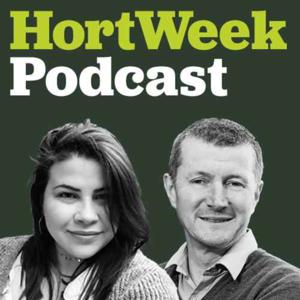


Financier and environmentalist Ben Goldsmith joins the HortWeek podcast.
He was a Defra non-executive board member from 2018-22, where he was involved in the Environmental Land Management scheme, the Nature for Climate Fund and the Species Reintroductions task force.
Goldsmith is chair of the influential Conservative Environment Network.
His new book is titled God Is An Octopus: Loss, Love and a Calling to Nature an inspiring story of finding comfort and strength in nature after suffering the loss of his daughter.
Ben set about rewilding his farm, nature became a vital source of meaning and hope.
He tells us what the term rewilding means to him and tackles Alan Titchmarsh's comments that appear to be opposed to rewilding.
He explains his comments on the Border Target Operator Model, where he wrote in the FT: "Anything which makes it more difficult to import naff, exotic flowers and other plants into Britain is good news in my opinion.
"There’s plenty to buy in garden centres without the imported potted plants which offer nothing to wildlife, look like something from the 1980s, often spread beyond the garden in which they’re planted, and sometimes bring parasites or disease."
He says there's a risk about "naff" exotics and recommends meadow plants and crab apples instead.
Hosted on Acast. See acast.com/privacy for more information.
This week Plant Heritage business manager at Plant Heritage Gill Groombridge joins the Horticulture Week Podcast
She reports on her highlights from the RHS Hampton Court Palace Flower Show (July 2023) which included displays focusing on the history of Plant
Heritage's collections over 5 decades as part of its 45th anniversary celebrations.
They announced the winner of the Brickell award - awarded to a collection-holder who has excelled in cultivated plant conservation, which this year went to the Saxifraga national collection holder, Adrian Young.
Gill explains the way the people qualify to have their plant collection included under the Plant Heritage umbrella and how overlapping collections in different parts of the country may collaborate to best preserve individual specimens and collections. And where collection holders may, for a variety of reasons, be unable to continue preserving the collection, the importance of succession planning comes to the fore.
In 2016 Plant Heritage launched the Missing Genera campaign which highlights a list of plant groups that are missing and hopefully encourage would-be plant collection holders to consider developing one. This year the focus is pollinating plants and includes, among others Cactus, Collocasia, Elaeagnus and Osmanthus.
"Our conservation team do some amazing work ensuring succession plans, working with collection holders to get what succession plans they can in place to keep plants safe for the future."
Hosted on Acast. See acast.com/privacy for more information.
Ahead of his time in naturalistic planting at the Dorset gardens and nursery Knoll Gardens, Neil Lucas was an innovator in a movement whose time has well and truly come:
"Certainly when I first started it was far more unusual to garden or more importantly to be thinking in this way. For many of our customers it is [now] becoming front and centre.
"I think it is such an important subject...supplying plants that are going to be suitable for the gardens of the future - I think we're just at the beginning of a really exciting new curve".
A career-changer, Neil left a job in the civil service to pursue a career in something he had "always been fascinated in", plants. He started as a gardener and "It was only when I came to Knoll that we also decided that we would need to run a nursery in order to be able to afford the garden."
He talks about the challenges of setting up the nursery from scratch and building a customer base. In days when "the web was just a glint", the main marketing outlet was flower shows and Neil recalls "I spent a fifth of the year in hotel rooms". RHS Chelsea Flower Show, in those days, was worth "a year's worth of advertising".
Neil reflects on how the business negotiated the pandemic and how trade has been since and into the future.
HortWeek editor Matthew Appleby and Neil discuss how important it is to have a "flow of new plants...something fresh in our offering all the time" so "we don't rely too heaviily on too few genetically similar plants". They talk new introductions among the grasses that Knoll specialises in and the importance of grasses in the garden and across the globe, the subject of Neil's latest "comprehensive" book, 'Grasses for Gardens and Landscapes' published by Timber Press.
An RHS council member for many years, Neil offers his view on the RHS strategy and how the charity should balance its work for communities, shows and science into the future.
"At it's heart it's about people who like plants...primarily about people and plants rather than plants."
Hosted on Acast. See acast.com/privacy for more information.
Flower shows stalwart Martyn Flint of Chysanthemums Direct has told the Horticulture Week Podcast he is going into retirement.
The 36-year flower show veteran reflects on how shows have changed in recent years. "They were beginning to lose their shine in the years before Covid" and with the move online not all shows have survived:
"The half a dozen shows we do - the big RHS shows - are the ones that make us the money... The other 18 shows we were doing in the year before Covid - when you truly worked it out we weren't actually making money and this is why there are not so many exhibitors at shows."
He used to spend shows "sleeping in the van round the back" but now stays in hotels.
For the future, he says: "I think the big shows like Hampton Court, Tatton Park are going to be the ones that are going to suffer. I would like to see personally the smaller county flower shows, the agricultural shows getting their flower tents back."
He began his career at Ingwersens, a specialist nursery in the Sussex countryside but when that came to an end he went to Chysanthemums Direct, the retail side of family nursery R F Lawrence and Sons which has been growing cut flowers since 1958.
"[It is] pretty well the only [large scale] chrysanthemum grower in the UK" - they grow about 1.4m cut flowers a year, mostly for supermarkets.
"Chrysanthemums have gone in and out of favour, but people have come to realise they are good value plants...I think at the moment they are on the up."
He talks about the cost price pressures facing all growers, in particular glasshouse heating, packaging and postage costs: "It's difficult to squeeze an extra couple of more pence per stem from the people we supply to."
Flint says he "will miss the people more than the hard work" but doesn't rule out making a guest appearance here and there and plans to pay a little more attention to his own garden in retirement.
Hosted on Acast. See acast.com/privacy for more information.
At the age of 15, Michael Buck, was busy destroying plants in his back garden kicking a football around as at that time he was already getting paid to play and was contemplating a future in the professional game. But he transferred his ambition to the world of horticulture and as head of horticulture at Creepers Nursery, is not beyond singing to plants to get them to flower.
Creepers, which serves a client base predominantely made up of landscape and garden designers and developers, supplied plants for Hamptons Mediterranean Garden at the 2023 RHS Chelsea Flower Show. These included structural shrubs and trees including a 1800-year-old Punica granatum - and other "serious specimens" sourced from Italy in January. Coaxing the Punica into flower in this year's rather cold, wet spring was a particular challenge:
"We don't have 14m-tall glasshouses so we try to create a microclimate within the nursery - we put them inetween buildings to create the warmth and a good feed".
He discusses the benefits to nurseries of supplying Chelsea show gardens though he admits "I can say there's no benefits health-wise! The stress and strain of being involved insuch a show is vast." On the upside, it bestows, of course invaluable prestige and publicity.
Mediterranean is "a big part" of what Creepers does and naturally the nursery is having to pay close attention to the threat of Xylella fastidiosa, which has ravaged olive and other hosts in countries like Italy and Portugal.
As a result, says Michael, "we have an 'open door' policy [with Defra], we have Defra in once- a week; we are very much on board with them coming in whenever them want. They take create care with imported plants and liaising with clients. "Xylella is bigger than the whole industry, as soon as it comes into the UK, there are big problems".
Import-related issues include delays in hauliers, phyto-sanitary checks slowing down supplies but he says the key is planning and communication through all parts of the supply chain through to the customer.
He talks about shifts in plant fashions and discusses the plants currently in high demand.
In common with the rest of the sector, Creepers Nursery is wrestling with the transition to peat-free growing. Michael talks about how they are approaching it as the mooted peat ban deadline of 2026 nears.
On the skills shortage, Michael sums it up as "challenging" and he explores some of the reasons for it, the way Creepers are handling it and what might help ease the crisis for horticulture.
As for the future, Michael is looking at bridging his elite-level footballing past with his horticultural present with the idea of Creepers becoming "a centre of excellence" in training relative newcomers to horticulture to "make sure our horticultural standards are the highest they can be at all times".
Hosted on Acast. See acast.com/privacy for more information.
This week renowned soil scientist Tim O'Hare unearths the ways soil is impacted by and can impact climate change.
Tim O'Hare Associates recently won a Pineapples awards for Circus Street in Brighton where a derelict urban market space was redeveloped into a mixed-use neighbourhood space. Tim developed the various soil profiles and ensured they were sourced and installed correctly:
"We're well down the food chain on the consultants that are involved iwth these sort of things but we take pride in the work that we do".
"I've always felt soil was pretty much the forgotten natural element alongside air and water. Certainly in terms of the amount of monitoring and the amount of guidance and protection it's given it's minimal compared with the other two and at last it's finally being recognised."
He discusses soil compaction, still "the biggest negative impact on soils from the whole construction process" but he is encouraged "they are now taking greater notice of it" with changes to the kit and ways of working used by operatives on building sites.
For back gardens he advises an increase in top soil layers from the old standard 100mm to 300mm, which he says not only good for the environment but for business: "For every garden that doesnt work properly, you have an unhappy home owner ...but multiply it nationwide and imagine the loss of water attenuation we have created.
"If you invest in these things ... as a developer you're not having problems with having to retrofit drainage, take down fences, re-do turfing and all the bad social media and publicity that comes with that."
He talks in fascinating depth about his work on the Queen Elizabeth Olympic park and athletes village, an extensive, high profile and complex job which he has been reviewing to see how the soil has performed and to extract any learnings.
He defends the use of oft-maligned "manufactured topsoil" and how it enables the soil to work as a functioning soil from day one, to support not only plant growth but in time a whole community of fauna.
The soils at the Olympic park now "look feel and smell like natural top soils with all the humic acids working. The earthworm populations are phenomenal!"
"These man-made soils aren't short-term products that need to be replaced or enhanced. The whole aim of a manufactured soil is to be sustainable both in terms of its components that are used (there should be recycled or recovered components), but secondly, they shouldn't be any more demand on resources than a natural soil. In many respects they should be better than a natural soil."
As with all aspects of horticulture, soil is suffering the impacts of climate change, but Tim explains how "vitally important" soils are in terms helping slow its progress: "Soils are the biggest terrestrial carbon sink on earth - there's more carbon stored in the ground that above ground in the forests and so on". He outlines initiatives such as "minimum" and now "zero tillage" approaches.
He discusses the role of Government in protecting soils and outlines the various initiatives to influence and take action on soils in the construction and farming sectors.
Other projects include work on HS2 where among other things, Tim is helping use vast quantities of spoil excavated will be used to create one "of the biggest calcareous grasslands in the country".
"Optimising the soil function and the value of soils is the key message and we can all do our bit to achieve that".
Hosted on Acast. See acast.com/privacy for more information.
Garden designer Peter Donegan returned to the HortWeek Podcast fresh from the 116th Royal Windsor flower show in June where he enjoyed the "humbling compliment" of judging alongside a "who's who" of garden industry including former Chelsea shows manager Alex Denman, Rob Hardy of Harkness Roses and Alan Titchmarsh.
He reflects on his trajectory from a 'geeky' kid growing plants under his bed, on top of the wardrobe and in the garage to his grown up self (resembling "Something out of a bad boyband") and enjoying "everything that is a daydream for this tall person".
Donegan was impressed with the young blood coming through at Windsor and the standard of entries by 16 year olds into adult categories: "Who or what is behind the scenes who is making this happen with a new generation?" he asks.
The conversation turns to the skills shortage the need for change in the industry to attract young people. He lauds the YPHA (Young People in Horticulture Association) as an organisation enabling "young people speaking to the elders about how change might happen". What is needed, he says, is "for it not to be perceived as an industry where you have an old man in a potting shed - it's now changing and very much for the better".
Peter tells Rachael Forsyth about some of his standout projects including a school's garden at Mercy College, Sligo, where the regulation "raised beds" were ditched a more adventurous concept and something not in line with "how the adults see things" but "what the younger minds actually want".
Another highlight was a flying visit to the Melbourne International Flower Garden Show where he "strolled in like one of the Bee Gees" and won Gold for his show garden with a project that converted "daydream to equation and only ever appeared like a daydream". The Bamstone garden included a feature that aspired to give the illusion of walking on water; Peter gives full credit to the growers and contractors who helped make it a reality.
He discusses the emotion involved in explaining some of the heartbreaking back-story of the garden and talks about how emotion enters into many of his TV gardens to provide escapism and disguise the "equations" required to produce the "daydreams".
At the time of recording Peter was set to give an online lecture to 1600 landscape architects and designers from Ukraine alongside other high profile designers from the UK where he hopes the talk will provide a temporary distraction from the ongoing conflict.
Peter also celebrates his company gaining SGD membership where his project list was examined in detail: "It transpires for about four years solid all I had done was TV gardens, French castles and show gardens... I apologise for that and getting above my station, again!"
Hosted on Acast. See acast.com/privacy for more information.
HortWeek editor Matt Appleby talks with ICL's Sam Rivers about irrigation and peat-free growing media.
Sam explains why irrigation is important in peat-free growing media and differences between watering with peat alternatives and peat.
He reveals options growers can use to help manage irrigation, which wetting agents to use and gives examples of where H2Gro has shown to benefit growers.
Finally, Sam talks about how much interest in peat-free is growing, with many growers trialling the peat free composts, now the ban date of 2026 for professional growers has been announced.
Hosted on Acast. See acast.com/privacy for more information.
Henri Ghijben of HRG Tree surgeons has been mentoring other tree surgeon businesses through the Tree Surgeon's mastermind since the start of 2022.
Keynote speaker for the Arb Show of 2022 he tells the Horticulture Week Podcast about how tree surgeons and arb contractors can benefit from sharpening their business skills.
Drawing on his own experiences, he offers his "blueprint to my tree surgery business" based on 'Five Pillars of a successful arb business':
After working for other companies but not enjoying it, he set up own business, but after 4 years of rapid growth the company went under. The realisation that there was very little advice to help the unique challenges faced by arboriculture businesses inspired him to pass on his learning to others in the profession.
Henri believes a lot of arborists "get stuck" doing all aspects of running the business but need to learn to "build a team" around them where people work to their strengths.
Arborists have to contend with the requirement for extensive training, versus the "low bar to entry into the industry - anybody can buy a van a chipper and a saw from B&Q" and competition with other trades such as construction or even working in McDonalds.
He discusses the issue of poor pay in the sector and how "there needs to be more education" of the public of the skills and need for qualified arborists to do the work.
But he says: "Knowing your numbers, so knowing what it costs to run your business, knowing what profit to make on top if it, knowing your quote conversion rate...once you have all this data it gives you the confidence to be able to go, 'ok I can put my prices up now'"
Henri speaks about the ways he tries to attract and retain staff by making his company "a good place to work with various financial and other benefits such as mental health packages, something that he values especially having suffered his own fair share of professional hardship.
He highlights pest and disease pressures, particularly ash dieback and oak processionary moth which is making its way down south east, through London to Southampton where Henri is based. He also discusses the online problems of climate change and extreme heat and storms.
Hosted on Acast. See acast.com/privacy for more information.
Plant breeder Peter Moore, who has been creating new plants for 40 years, tells HortWeek about his new breeding and his vast experience in the production of new plants.
He started work at Hillier in 1960 with some legendary Hillier propagators.
In 1997 he left Hillier’s to become propagator at Longstock Park Nursery in Hampshire. He is still responsible for the National Collection of Buddleja held at the nursery and is also a member of the RHS hardy plant trial committee.
Plant collectors like Sir Harold Hillier and Roy Lancaster were early inspirations, but it was Peter Dummer, the great Hillier propagator and plant breeder who was his biggest influence. He showed and monitored Moore in the skill of plant breeding so he made my first hybrid Pete Dummer came up with the name Aztec Pearl, possibly his greatest success. The first hybrid of the genus launched at Chelsea in 1989.
He talks about how he has spent hundreds of hours plant breeding. All the stamens are carefully removed before pollinating and the flowers are covered with a pollinating bag. Nothing is left to chance.
The most rewarding of the plants he has raised is Choisya White Dazzler, is available at most garden centres in the UK, listed in the RHS Plant Finder and sold in the EU.
Moore discusses the state of British plant breeding, Brexit, peat, what Chelsea winners are still around, how he markets plants and the help John
Hedger, Neil Alcock, Charles Carr, Plantipp and Genesis have given for the 45 plants he has raised over the years.
Hosted on Acast. See acast.com/privacy for more information.
From the publisher's feed
…

2,107 Listeners

2,015 Listeners

1,978 Listeners
64 Listeners

282 Listeners
102 Listeners

238 Listeners

252 Listeners

105 Listeners

267 Listeners

84 Listeners

293 Listeners
194 Listeners

173 Listeners

171 Listeners