
Sign up to save your podcasts
Or

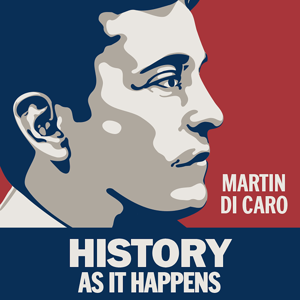

The election of California Rep. Kevin McCarthy as House speaker after five days and 15 ballots exposed divisions within the Republican Party that may not portend well for the immediate future of his party, the chamber, or the country. With one exception (1923), no speakership election since the Civil War needed more than one ballot. And in the antebellum U.S. is where we might find parallels to today's political turmoil. Before the Civil War, speakership fights were often acrimonious, extended affairs reflecting the nation's violent, deep political divisions over slavery. The 1855-56 speakership election took 133 ballots! In this episode, historian Sean Wilentz, author of The Rise of American Democracy, discusses which lessons from those long-ago fights apply to today's crisis of democracy.
 View all episodes
 By Martin Di Caro

4.4
6262 ratings
The election of California Rep. Kevin McCarthy as House speaker after five days and 15 ballots exposed divisions within the Republican Party that may not portend well for the immediate future of his party, the chamber, or the country. With one exception (1923), no speakership election since the Civil War needed more than one ballot. And in the antebellum U.S. is where we might find parallels to today's political turmoil. Before the Civil War, speakership fights were often acrimonious, extended affairs reflecting the nation's violent, deep political divisions over slavery. The 1855-56 speakership election took 133 ballots! In this episode, historian Sean Wilentz, author of The Rise of American Democracy, discusses which lessons from those long-ago fights apply to today's crisis of democracy.
8,474 Listeners

1,110 Listeners

743 Listeners

6,304 Listeners

724 Listeners

907 Listeners

14 Listeners

2,039 Listeners

7,244 Listeners
2,405 Listeners

16,525 Listeners

208 Listeners
385 Listeners
500 Listeners

496 Listeners