
Sign up to save your podcasts
Or

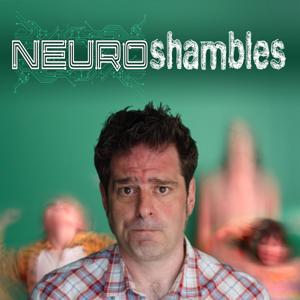

Episode 50 of this neurodivergent parenting podcast takes a clear, practical look at how families in the UK end up navigating the healthcare system when they suspect their child might be autistic and/or ADHD. Mark is joined by Lucy Pocock, a registered GP and parent of a neurodivergent child, as they pull back the curtain and take a deep dive into how the system works (and why it so often doesn’t).
They talk through the routes families are typically funnelled into when they’re seeking support: school evidence, GP involvement, referrals, and the confusing reality that the pathway can look completely different depending on where you live. It’s the sort of honest, informative discussion many families of autistic, ADHD and PDA kids wish existed when they first started asking questions.
Mark and Lucy also unpack what happens once ADHD enters the mix - including medication pathways, titration, prescribing delays, and the complexities of shared care. Lucy explains why bottlenecks happen, what GPs can and can’t do, and how those constraints land on families already stretched to breaking point.
Along the way, the conversation touches on demand-avoidant (PDA) profiles, why some parents go private, and what families can realistically expect when it comes to letters and evidence for things like EHCP and DLA. It’s the kind of candid, good humoured and insightful chat that this neurodivergency parenting podcast is known for.
CHAPTER TIMESTAMPS (ESTIMATED)
00:00:37 - Episode 50 intro
00:01:20 - Meet the Guest (Lucy Pocock)
00:03:07 - Topic of the Week – UK healthcare and ND referrals (the two main routes)
00:09:23 - The postcode lottery, delays, and mismatched pathways
00:17:42 - ADHD medication: shared care, titration, and why CAMHS take so long
00:27:31 - Lucy's journey with her own PDA son's diagnosis as a GP
00:34:00 - Training: Oliver McGowan and the impact within the NHS
00:37:15 - How much neurodiversity scepticism is there within the healthcare system?
00:42:00 - What can you do if your GP is not informed about neurodiversity?
00:46:15 - Are there really parents trying to take advantage of the system?
00:56:00 - What support can we ask for from our GP that we don't know about?
00:59:45 - Could GP's relieve some of the burden from CAMHS?
01:04:30 - GP limitations on prescribing drugs: melatonin and anti-depressants
01:07:00 - Shared care, Right to Choose and commissioning constraints
01:10:45 - Is the system broken? Why is support for neurodivergency such a postcode lottery?
01:20:30 - How can we fix the flaws in the healthcare system?
01:27:00 - Looking at the positives
01:30:03 - Neurodiversity Champions
01:32:27 - Tiny Epic Wins
01:35:26 - What the Flip Moments
LINKS TO STUFF WE MENTION IN THIS EPISODE
Shared care - https://www.wessexlmcs.com/guidance/understanding-shared-care-nhs-right-to-choose-and-private-providers/
Right to choose - https://adhduk.co.uk/right-to-choose/
CAMHS - https://www.youngminds.org.uk/young-person/your-guide-to-support/guide-to-camhs/
Oliver McGowan training - https://www.hee.nhs.uk/our-work/learning-disability/current-projects/oliver-mcgowan-mandatory-training-learning-disability-autism
FII (Fabricated and Induced Illness) - https://www.nhs.uk/mental-health/conditions/fabricated-or-induced-illness/overview/
Neuroshambles: Medicating our children | Danielle Jata-Hall - https://neuroshambles.com/episode/medicating-our-children-danielle-jata-hall
Melatonin - https://www.nhs.uk/medicines/melatonin/
Neuroshambles: The Bumpy Road to Diagnosis | Tam - https://neuroshambles.com/episode/the-bumpy-road-to-diagnosis-tam
Murmuration Community, Bristol - https://www.murmurationcommunitytherapy.com/
Incredible Kids, Bristol - https://incrediblekids.org.uk/
CONTACT NEUROSHAMBLES
🌐 Website: www.neuroshambles.com
📧 Email: [email protected]
📸 Instagram: @neuroshambles
🎵 TikTok: @neuroshamblespod
📘 Facebook: Neuroshambles
CREDITS
🎶 Theme music by Skilsel on Pixabay: pixabay.com
 View all episodes
 By Mark Allen
5
33 ratings
Episode 50 of this neurodivergent parenting podcast takes a clear, practical look at how families in the UK end up navigating the healthcare system when they suspect their child might be autistic and/or ADHD. Mark is joined by Lucy Pocock, a registered GP and parent of a neurodivergent child, as they pull back the curtain and take a deep dive into how the system works (and why it so often doesn’t).
They talk through the routes families are typically funnelled into when they’re seeking support: school evidence, GP involvement, referrals, and the confusing reality that the pathway can look completely different depending on where you live. It’s the sort of honest, informative discussion many families of autistic, ADHD and PDA kids wish existed when they first started asking questions.
Mark and Lucy also unpack what happens once ADHD enters the mix - including medication pathways, titration, prescribing delays, and the complexities of shared care. Lucy explains why bottlenecks happen, what GPs can and can’t do, and how those constraints land on families already stretched to breaking point.
Along the way, the conversation touches on demand-avoidant (PDA) profiles, why some parents go private, and what families can realistically expect when it comes to letters and evidence for things like EHCP and DLA. It’s the kind of candid, good humoured and insightful chat that this neurodivergency parenting podcast is known for.
CHAPTER TIMESTAMPS (ESTIMATED)
00:00:37 - Episode 50 intro
00:01:20 - Meet the Guest (Lucy Pocock)
00:03:07 - Topic of the Week – UK healthcare and ND referrals (the two main routes)
00:09:23 - The postcode lottery, delays, and mismatched pathways
00:17:42 - ADHD medication: shared care, titration, and why CAMHS take so long
00:27:31 - Lucy's journey with her own PDA son's diagnosis as a GP
00:34:00 - Training: Oliver McGowan and the impact within the NHS
00:37:15 - How much neurodiversity scepticism is there within the healthcare system?
00:42:00 - What can you do if your GP is not informed about neurodiversity?
00:46:15 - Are there really parents trying to take advantage of the system?
00:56:00 - What support can we ask for from our GP that we don't know about?
00:59:45 - Could GP's relieve some of the burden from CAMHS?
01:04:30 - GP limitations on prescribing drugs: melatonin and anti-depressants
01:07:00 - Shared care, Right to Choose and commissioning constraints
01:10:45 - Is the system broken? Why is support for neurodivergency such a postcode lottery?
01:20:30 - How can we fix the flaws in the healthcare system?
01:27:00 - Looking at the positives
01:30:03 - Neurodiversity Champions
01:32:27 - Tiny Epic Wins
01:35:26 - What the Flip Moments
LINKS TO STUFF WE MENTION IN THIS EPISODE
Shared care - https://www.wessexlmcs.com/guidance/understanding-shared-care-nhs-right-to-choose-and-private-providers/
Right to choose - https://adhduk.co.uk/right-to-choose/
CAMHS - https://www.youngminds.org.uk/young-person/your-guide-to-support/guide-to-camhs/
Oliver McGowan training - https://www.hee.nhs.uk/our-work/learning-disability/current-projects/oliver-mcgowan-mandatory-training-learning-disability-autism
FII (Fabricated and Induced Illness) - https://www.nhs.uk/mental-health/conditions/fabricated-or-induced-illness/overview/
Neuroshambles: Medicating our children | Danielle Jata-Hall - https://neuroshambles.com/episode/medicating-our-children-danielle-jata-hall
Melatonin - https://www.nhs.uk/medicines/melatonin/
Neuroshambles: The Bumpy Road to Diagnosis | Tam - https://neuroshambles.com/episode/the-bumpy-road-to-diagnosis-tam
Murmuration Community, Bristol - https://www.murmurationcommunitytherapy.com/
Incredible Kids, Bristol - https://incrediblekids.org.uk/
CONTACT NEUROSHAMBLES
🌐 Website: www.neuroshambles.com
📧 Email: [email protected]
📸 Instagram: @neuroshambles
🎵 TikTok: @neuroshamblespod
📘 Facebook: Neuroshambles
CREDITS
🎶 Theme music by Skilsel on Pixabay: pixabay.com
1,231 Listeners

942 Listeners

2,682 Listeners

1,190 Listeners

592 Listeners

918 Listeners
548 Listeners

369 Listeners
160 Listeners

805 Listeners
51 Listeners
596 Listeners
26 Listeners
94 Listeners
90 Listeners