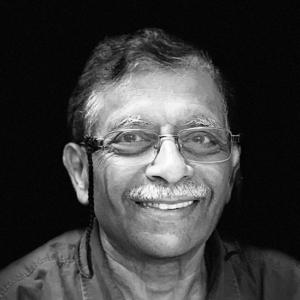
Retirement opens the door to a stage of life filled with freedom, reflection, and new opportunities. With work responsibilities behind them, retired people can redirect their energy toward personal growth, health, relationships, contribution, and leisure. They may choose to learn new skills, write memoirs, or explore creative arts to keep the mind active. Gentle exercise, yoga, and mindfulness help maintain well‑being, while volunteering, mentoring, and joining clubs foster community connection. Retirement also offers time to strengthen family bonds, share stories, and leave a legacy through philanthropy or advocacy. Enjoyment is equally important, whether through travel, photography, puzzles, or music. The essence of retirement lies not in stopping but in reshaping life around what matters most — growth, connection, and joy. By balancing enrichment, wellness, contribution, and leisure, retired people can craft a fulfilling and purposeful chapter that celebrates both freedom and meaning.