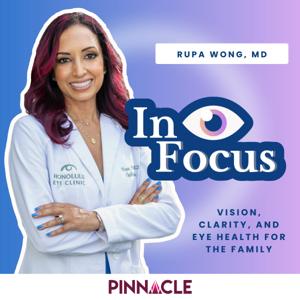
In Focus
Download on the App Store

In Focus episodes

  • How Much Screen Time Should Your Baby Have?


    Episode Title: How Much Screen Time Should Your Baby Have?


    Episode Description:

    Is screen time harmful for babies? What does the science really say? In this episode of It’s Good to See You: Eye Health, Vision Care & More, Dr. Rupa Wong breaks down the American Academy of Pediatrics (AAP) recommendations, dives into fascinating studies on how screens affect the developing brain, and explores the often-overlooked issue of secondhand screen exposure. You’ll learn:• What the AAP and the American Association for Pediatric Ophthalmology and Strabismus (AAPOS) recommend for screen time.


    The latest research, including EEG studies on the impact of screens on babies’ brains.

     How secondhand screen time—like background TV—affects your child’s development.

     Practical, actionable tips to create healthy screen habits for your family.

    Whether you’re a first-time parent or just trying to navigate screens in a tech-heavy world, this episode is packed with science-backed insights and advice you can trust.


    What You’ll Learn in This Episode:

    1. The Guidelines: AAP and AAPOS recommendations for screen time by age group and why they matter.

    2. The Research: The surprising findings from EEG studies on how screen exposure affects neural development, attention spans, and sleep cycles.

    3. Secondhand Screen Time: Why background media might be more harmful than you think and how it impacts language acquisition and play.

    4. Long-Term Impacts: How excessive screen time can lead to attention difficulties, language delays, and even physical health issues like disrupted sleep and obesity.

    5. Practical Tips: Simple strategies to balance screen time with real-world activities and create a screen-free environment that fosters development.


    Key Takeaways:

    • The AAP recommends no screen time for children under 18 months, except for video chatting, and no more than 1 hour per day for ages 2-5, focusing on high-quality content with caregiver co-viewing.

    • EEG studies show that screen exposure in babies can impact brain areas responsible for language, executive function, and emotional regulation.

    • Secondhand screen time, such as background TV, reduces caregiver interaction and engagement, which is crucial for language and social skills.• Balanced screen use and intentional, interactive activities are key to healthy development.


    Resources Mentioned in This Episode:

    • AAP Screen Time Recommendations

    • AAPOS Guidelines on Screen Time

    • Study on Background Media and Language Development

    • JAMA Pediatrics Study on Long-Term Effects of Screen Time


    Connect With Me:

    • Website: www.drrupawong.com

    • Instagram: @drrupawong• Podcast: It’s Good to See You


    Join the Conversation:

    Have questions about screen time or tips to share? Leave me a voicemail, and I’ll include it in a future episode!


    Learn more about your ad choices. Visit megaphone.fm/adchoices

    25 min
  • Understanding Amblyopia / Lazy Eye Q&A

    In this episode of It’s Good to See You: Eye Health, Vision Care & More, Dr. Rupa Wong tackles the most frequently asked questions about amblyopia (lazy eye) and its treatments. Whether you’re a parent trying to keep your toddler engaged during patch time, or curious about the latest alternatives like virtual reality, this episode is packed with evidence-backed answers to help you feel confident in your child’s care.

    What You’ll Learn in This Episode:

    • Why amblyopia can recur after treatment and how to prevent it.
    • Signs that patching is working for your child.
    • Tips to make patching easier for kids who resist it.
    • The role of atropine eye drops and other alternatives to patching.
    • Whether amblyopia treatment is effective for older children and adults.
    • How to avoid complications, like reverse amblyopia, with proper monitoring.

      Have a Question for the Podcast?

      📞 Call and leave a message at (818) 643-7158‬ to have your question featured on the podcast!

      💬 Submit questions on Instagram every Thursday in the Q&A box posted on @drrupawong.


    Connect with Dr. Rupa Wong:

    • Website: Honolulu Eye Clinic
  • Podcast: It’s Good to See You
  • Instagram: @drrupawong
  • Subscribe & Review: If you loved this episode, please subscribe and leave a review! Your support helps us bring more helpful content to listeners like you.

    Learn more about your ad choices. Visit megaphone.fm/adchoices

    24 min
  • Eye Twitching Explained: Causes, Fixes and When It Signals Something Serious

    Have you ever wondered why your eyelid twitches? Is it from too much caffeine, stress, or something more serious? In this episode of It’s Good to See You, Dr. Rupa Wong breaks down the mystery behind eye twitching, also known as myokymia.

    We’ll explore:

    • What an eye twitch actually is and how it differs from more serious conditions like blepharospasm.
    • The top causes of eye twitching, including stress, fatigue, caffeine, and dry eyes.
    • Red flags that might indicate a more serious condition requiring medical attention.
    • Practical tips to stop eye twitches and prevent them in the future.

    Whether you’re dealing with an annoying flutter or curious about how to keep your eyes healthy, this episode is packed with actionable advice to help you feel confident about your vision health.


    What You’ll Learn in This Episode:

    • Introduction: Why do eye twitches happen, and when should you worry?
    • What is myokymia, and how does it differ from blepharospasm?
    • The most common causes of eye twitching—and how to address them.
    • Red flags: When is an eye twitch more than just a nuisance?
    • Simple fixes and prevention tips for managing and avoiding eye twitches.
    • Final thoughts and a quick recap.


    Resources & References:

    • Study on stress and muscle irritability: Journal of Behavioral Medicine
  • Research on caffeine and muscle excitability: Physiology & Behavior
  • Dry eye and its link to eye twitching: Investigative Ophthalmology & Visual Science
  • Nutritional insights on magnesium: American Journal of Clinical Nutrition
  •  

    Connect with Dr. Rupa Wong:

    • Website: www.drrupawong.com
  • Instagram: @drrupawong
  • Podcast: It’s Good to See You
  •  

    Enjoyed the episode? Don’t forget to subscribe, rate, and leave a review. Your feedback helps us reach more listeners and continue creating content to empower you to care for your eyes and overall health!

    Learn more about your ad choices. Visit megaphone.fm/adchoices

    26 min
  • Holiday Eye Safety: Tips To Protect Your Family

    🎄 Episode Highlights: The holidays are all about fun, family, and festive activities—but they can also bring hidden risks for your eyes. In this episode of It’s Good to See You: Eye Health, Vision Care & More, Dr. Rupa Wong shares surprising ways the holidays can lead to eye injuries and what you can do to prevent them. From popular toys and sports to sparklers and cooking, learn how to keep your loved ones safe while celebrating.

    👁️ What You'll Learn:

    • The hidden dangers of popular holiday toys like drones and Nerf guns.
    • How to prevent sports-related eye injuries during family games.
    • Why holiday decorations, tree sap, and LED lights can irritate your eyes.
    • Essential safety tips for champagne corks, sparklers, and hot oil splashes in the kitchen.
    • A quick holiday eye safety checklist for stress-free celebrations.

    💡 Did You Know?

    • Over 40,000 sports-related eye injuries are treated in ERs each year.
    • Champagne corks can launch at speeds up to 50 mph, causing serious eye trauma.
    • Sparklers burn at over 1,200°F, hotter than molten glass!

    🎧 Tune in now to make this holiday season safe and injury-free for your family.

    📲 Connect with Dr. Rupa Wong: Instagram: @drrupawong Website: drrupawong.com

    Learn more about your ad choices. Visit megaphone.fm/adchoices

    18 min
  • Work-Life Q&A: Efficiency, Motherhood & Side Hustles
    Episode Description: In this Q&A episode, Dr. Wong answers listener questions about how she has time for non-profit charity work, her take on managing motherhood and life as a practice owner and physician, as well as how she recommends improving practice flow and efficiency.   What You’ll Learn in This Episode:
    • The Perfect Age To Have Children In Medicine - NOPE! There is none. But Dr. Wong shares when she had children, the timing during her career and her age
    • When and How To Get Involved With Side Projects
    • Her Actual Work Schedule And Amount Of Time With Kids
      Call to Action: Got an eye health question? Want to know more about styes, eye care, or vision issues? I’d love to hear from you! Call in and leave a voicemail at 818-643-7158 with your questions, and you might just hear it answered on a future episode!   Connect with Dr. Wong: • Website: DrRupaWong.com • Instagram: @drrupawong • Podcast: It’s Good to See You   Don’t forget to subscribe and leave a review if you enjoyed this episode! Your support helps us bring more eye health and vision care insights straight to you. Tune in next week for more on keeping your eyes happy, healthy, and seeing clearly!

    Learn more about your ad choices. Visit megaphone.fm/adchoices

    24 min
  • Ocular Migraines: When To Worry

    What You’ll Learn in This Episode:

    • What are migraines? Why they’re so much more than just a headache and how they impact your visual system.
    • Migraine aura explained: The fascinating neurological event behind zigzag patterns, blind spots, and flashes of light—and why they happen even without a headache.
    • Ocular migraines vs. retinal migraines: What’s the difference, and how do you know when to worry?
    • The connection between migraines and eye pain: Why migraines feel like “an ice pick in your eye” and the role of the trigeminal nerve.
    • Dry eye and migraines: Surprising links between these two conditions and how treating dry eye may offer relief.

    Key Takeaways:

    • Ocular migraines often refer to visual disturbances like aura and typically aren’t dangerous, but retinal migraines—affecting vision in only one eye—can signal a more serious issue.
    • Eye pain during migraines is tied to the trigeminal nerve, which connects your brain, eyes, and surrounding structures.
    • Keeping a migraine diary can help identify triggers like certain foods, dehydration, or bright lights.
    • Managing migraines includes lifestyle changes, blue-blocking lenses, and in some cases, medical treatments.

    When to Seek Medical Attention:

    • Vision loss or changes in only one eye.
    • Sudden or severe headaches that feel like a "thunderclap."
    • Persistent symptoms that don’t resolve after an hour.

    Resources Mentioned in This Episode:

    • Blue-blocking glasses for light sensitivity
    • Artificial tears for dry eye management
    American Academy of Ophthalmology for guidelines on migraine-related vision changes

    Join the Conversation: Have a question or a topic you’d like covered in future episodes? Send me a message or connect on social media!

    Follow Me:

    • Instagram: @drrupawong
  • Website: www.drrupawong.com
  • Thanks for tuning in! Don’t forget to share this episode with someone who could benefit from learning more about migraines and eye health. If you enjoyed the episode, please leave a review—it helps more listeners find the show!

    Until next time, take care of those eyes

    Learn more about your ad choices. Visit megaphone.fm/adchoices

    24 min
  • Debunking LASIK Myths With Refractive Surgeon Dr. Kathryn Hatch

    In this episode of "It's Good to See You," we sit down with Dr. Kathryn Hatch, Director of the Refractive Surgery Service at Mass Eye and Ear, to address common misconceptions about LASIK surgery. We explore topics such as the real risks and benefits of LASIK, how to choose the right surgeon for your vision correction needs, and the truth behind online fear-mongering about the procedure.


    Key Discussion Points:

    • LASIK Risks and Benefits: Dr. Hatch clarifies the actual risks associated with LASIK, emphasizing that serious complications are rare and outcomes are highly favorable with proper preoperative evaluations.
    • Advancements in LASIK Technology: Learn how the latest technologies have enhanced the safety, precision, and patient satisfaction associated with LASIK.
    • Choosing a LASIK Surgeon: Dr. Hatch offers insights into selecting a qualified LASIK surgeon, focusing on the importance of experience, board certification, and patient reviews.

    Resources Mentioned:

    • Mass Eye and Ear Refractive Surgery Services
    • Dr. Kathryn Hatch's Profile

    Connect with Us:

    • Website: It's Good to See You Podcast
  • Social Media: Follow us on Twitter and Instagram for updates and eye health tips.
  • Disclaimer: The information provided in this podcast is for educational purposes only and does not substitute for professional medical advice. Consult with a qualified healthcare provider for personalized recommendations.

    Learn more about your ad choices. Visit megaphone.fm/adchoices

    28 min
  • Pink Eye: When Do You Need An Antibiotic?

    In this episode of It's Good to See You: Eye Health, Vision Care & More, Dr. Rupa Wong dives into the details of one of the most common eye complaints—pink eye, or conjunctivitis. Not all pink eye is the same, so understanding the differences between viral, bacterial, and allergic conjunctivitis can help you recognize symptoms, manage treatment, and avoid unnecessary antibiotics. Dr. Wong also explores less common causes, including chlamydial and HSV conjunctivitis, and shares insights from the latest research in the Journal of the American Medical Association (JAMA) on antibiotic use for pink eye in children.

    Key Takeaways:

    • Types of Conjunctivitis: Understand the three primary types—viral, bacterial, and allergic—along with how they differ in causes, symptoms, and treatments.
    • Statistics and Incidence: Discover how common each type is among children and adults, and why viral conjunctivitis peaks during certain seasons.
    • Treatment Protocols: Learn the best treatment approaches for each type, including why antibiotics are often unnecessary for viral cases and how allergic conjunctivitis can be managed with antihistamines.
    • When It’s Not So Common: Dive into some uncommon causes of pink eye, like chlamydial conjunctivitis, and how these are treated differently.
    • Research Insights: Hear about a recent study in JAMA highlighting trends in antibiotic use for conjunctivitis in children and when antibiotics may or may not be needed.

    Who Should Listen: This episode is a must-listen for parents, teachers, and anyone who frequently encounters pink eye, as well as healthcare professionals who want to stay up-to-date on best practices for conjunctivitis treatment. Whether it’s back-to-school season or cold season, understanding pink eye can help you respond quickly and effectively.

    Resources Mentioned in the Episode:

    • American Academy of Ophthalmology's Preferred Practice Guidelines for Conjunctivitis
    • Recent study in JAMA Ophthalmology on antibiotic use for pink eye in children

    Connect with Dr. Rupa Wong:

    • Instagram: @drrupawong
  • Website: www.drrupawong.com
  • Podcast: It's Good to See You
  • Listen & Subscribe: If you found this episode helpful, please subscribe to It's Good to See You for more insights on eye health and vision care. Don’t forget to share this episode with friends and family who might benefit from it!


    Learn more about your ad choices. Visit megaphone.fm/adchoices

    24 min
  • Eye Health Q&A: Everything You Need to Know About Styes: Causes, Treatments & When Surgery Is Necessary
    Episode Description: In this Q&A episode, Dr. Wong answers listener questions about one of the most common (and pesky!) eye issues—styes. From what causes them to the best ways to treat them, and even when surgery might be necessary, this episode covers everything you need to know to keep your eyes healthy and stye-free. Whether you're wondering if makeup is to blame, what treatments are best for kids, or if that stubborn bump needs a little extra help to go away, Dr. Wong’s got the answers!

    What You’ll Learn in This Episode:

    • What Causes Styes: Understand what triggers styes, including the role of blocked oil glands and bacterial infections.
    • Hordeolum vs. Chalazion: Learn the difference between a painful stye (hordeolum) and a long-lasting lump called a chalazion.
    • Treating Styes at Home: Discover when warm compresses are enough and why consistency is key.
    • When to Consider Antibiotics or Surgery: Explore when antibiotics (including Tobradex) are necessary and how to know if surgery might be needed.
    • Makeup and Styes: Find out how eye makeup can contribute to stye formation and the best hygiene tips to prevent them.

    Highlights:

    • Introduction: Common listener questions on styes.
    • Listener Question: What exactly is the difference between a hordeolum (stye) and a chalazion?
    • Listener Question: When are antibiotics needed for styes in children?
    • [14:47] Listener Question: Can eye makeup cause styes? How can I prevent them while still enjoying makeup?
    • [19:35] Listener Question: I have bump on my eyelid that didn't get better with warm compresses and drops - is surgery my only option?

    Call to Action: Got an eye health question? Want to know more about styes, eye care, or vision issues? I’d love to hear from you! Call in and leave a voicemail at 818-643-7158 with your questions, and you might just hear it answered on a future episode!

    Connect with Dr. Wong:

    • Website: DrRupaWong.com
  • Instagram: @drrupawong
  • Podcast: It’s Good to See You
  • Don’t forget to subscribe and leave a review if you enjoyed this episode! Your support helps us bring more eye health and vision care insights straight to you.

    Tune in next week for more on keeping your eyes happy, healthy, and seeing clearly!


    Learn more about your ad choices. Visit megaphone.fm/adchoices

    24 min
  • What to Expect at Your Child’s Eye Exam: A Pediatric Ophthalmologist’s Guide

    In this episode of It's Good to See You: Eye Health, Vision Care & More, Dr. Rupa Wong, a pediatric ophthalmologist, dives into everything parents need to know about their child’s eye exam. From when to schedule that first exam to what happens during each step, Dr. Wong walks parents through the entire process, addressing common questions and concerns to make sure they’re fully prepared. Whether it’s understanding the importance of a cycloplegic refraction, why eye exams are essential beyond vision screenings, or tips for making the visit a positive experience, this episode equips parents with all they need to know to feel confident about their child’s eye care.

    Key Takeaways:

    • Who Should Bring Their Kids in for an Eye Exam?

      • Recommendations from the American Association for Pediatric Ophthalmology and Strabismus (AAPOS) for vision screenings.
      • Specific risk factors that suggest a need for earlier exams, such as family history of eye conditions (e.g., amblyopia, strabismus, high refractive errors) and prematurity.
      • Importance of early detection to support healthy vision development and learning.
    • Step-by-Step Walkthrough of the Eye Exam Process

      • A breakdown of each step in a child’s eye exam, including visual acuity testing, depth perception, color vision, and alignment checks.
      • How pediatric ophthalmologists use kid-friendly tools, like picture charts and “magic” 3D glasses, to make the experience engaging and accurate.
    • Why Cycloplegic Refraction is Essential for Younger Children

      • Explanation of cycloplegic refraction and why it’s preferred over manifest refraction in young kids.
      • How cycloplegic refraction provides an accurate measure of your child’s true prescription by temporarily relaxing their focusing muscles.
      • Common parental concerns about dilation and how the temporary effects of the drops help give a comprehensive view of the eye’s structure.
    • Addressing Common Parent Concerns About Eye Exams

      • Is it safe to dilate children’s eyes? Yes, and it’s crucial for examining the retina and optic nerve to ensure no hidden issues.
      • Do young children really need glasses? For some children, yes, and Dr. Wong explains why corrective lenses may be necessary to prevent long-term vision issues like amblyopia.
    • Tips for Preparing Your Child for Their Eye Exam

      • Practical tips to make the visit smooth and stress-free, including using simple language, scheduling at a good time, and bringing a comfort item.
      • How to set the tone for a positive experience and reduce any anxiety your child may have about the eye doctor.

    Resources Mentioned:

    • AAPOS Guidelines for Children’s Eye Health

      • Learn more about pediatric eye exam recommendations from the American Association for Pediatric Ophthalmology and Strabismus at aapos.org.
    • Dr. Rupa Wong’s Blog Post on Preparing for Your Child’s Eye Exam

      • For more visual and step-by-step details, check out Dr. Wong’s blog post: What to Expect for Your Child’sEye Exam in Pictures.

    Connect with Dr. Rupa Wong:

    • Website: www.drrupawong.com
  • Instagram: @drrupawong
  • Podcast: It's Good to See You: Eye Health, Vision Care & More
  • Join the Conversation: If you found this episode helpful, please share it with other parents who may benefit from learning more about children’s eye health. And don’t forget to subscribe for more insights and tips on eye care for you and your family!

    Learn more about your ad choices. Visit megaphone.fm/adchoices

    23 min

About In Focus

From the publisher's feed

In Focus: Vision, Clarity, and Eye Health for the Whole Family with Dr. Rupa Wong is your trusted resource for smart, straightforward conversations about eye health, parenting, and living with clarity—hosted by physician, clinic owner, and mom of three, Dr. Rupa Wong. Each week, Dr. Wong puts everything into focus, from children’s vision and screen time to LASIK, eye makeup safety, floaters, and more. Whether you're navigating your child’s first eye exam or wondering if blue light glasses actually work, this show gives you the expert answers you need—without the medical jargon. Designed for modern parents who want real information and real solutions, In Focus helps you care for your kids’ eyes—and your own—with confidence. Because when you can see clearly, you can live fully.