
Sign up to save your podcasts
Or

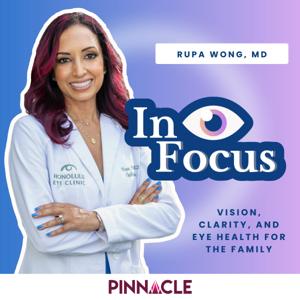


In this episode, Dr. Rupa Wong breaks down the best foods for your eye health, exploring beyond the common myth that carrots are the ultimate eye superfood. While carrots have their benefits, Dr. Wong uncovers the powerhouse nutrients that truly protect your vision and prevent age-related eye conditions like macular degeneration, cataracts, and dry eye. Backed by evidence from peer-reviewed studies, she covers five key nutrients—lutein, zeaxanthin, Vitamin C, Vitamin E, omega-3 fatty acids, and zinc—and discusses how these nutrients work to protect your eyes, along with the best natural food sources to incorporate into your diet.
Get ready to discover how what you eat can have a big impact on your vision health!
Key Topics Covered:
Key Takeaways:
Subscribe and Leave a Review:
Don’t forget to subscribe to It’s Good to See You on Apple Podcasts, Spotify, or wherever you listen to podcasts. If you enjoyed this episode and learned something new, please leave a review—it helps others find the show!
Resources & Research Cited:
Age-Related Eye Disease Study (AREDS), Archives of Ophthalmology (2001).
Age-Related Eye Disease Study 2 (AREDS2), JAMA (2013).
Christen, W. G., et al., “Dietary Antioxidants and Cataract Risk in Women: A 10-year Study,” The American Journal of Clinical Nutrition (2016).
Christen, W. G., et al., “Zinc and Age-Related Cataract Risk in Women,” The American Journal of Clinical Nutrition(2016).
Evans, J. R., “Antioxidant vitamin supplementation for preventing and slowing the progression of age-related macular degeneration,” Cochrane Database of Systematic Reviews (2017).
Johnson, E. J., et al., “Egg yolk as a highly bioavailable source of lutein and zeaxanthin,” The Journal of Nutrition(2004).
Ma, L. et al., “Higher intake of Lutein and Zeaxanthin associated with lower risk of AMD: Meta-analysis,” British Journal of Nutrition (2018).
Zeaxanthin and Visual Function Study (ZVF), Optometry and Vision Science (2011).
Stringham, J. M., et al., “Dietary Lutein and Zeaxanthin and Their Effects on Visual Performance,” Nutrients (2017).
Johnson, E. J., et al., "Dietary Intake of Omega-3 Fatty Acids and the Risk of Dry Eye Syndrome," The American Journal of Clinical Nutrition (2015).
Dry Eye Assessment and Management (DREAM) Study, The New England Journal of Medicine (2018).
Taylor, A., et al., “Nutritional Antioxidants and the Risk of Age-Related Cataract,” The American Journal of Clinical Nutrition (2002).
Ophthalmic Research (2019), “Vitamin C and Its Role in Aqueous Humor Antioxidant Defense.”
Investigative Ophthalmology & Visual Science (2000), “The Role of Oxidative Stress in Age-Related Macular Degeneration.”
Progress in Retinal and Eye Research (2010), "The Role of Zinc in Retinal Function and Photoreceptor Health."
Learn more about your ad choices. Visit megaphone.fm/adchoices
Show Notes: Episode Title
“The Ultimate Guide to Myopia Management for Kids: Atropine, Misight, Ortho-K & Stellest Glasses Explained”
Episode Summary:
In this episode of It’s Good to See You, Dr. Rupa Wong dives deep into the world of myopia management for kids. With the rising prevalence of myopia, or nearsightedness, it’s more important than ever for parents to understand how they can help slow down its progression in their children. Dr. Wong explains the science behind myopia, including Dr. Earl Smith’s theory of hyperopic defocus, and why addressing this early can protect your child’s vision for the long term. She also explores four effective myopia management treatments — low-dose atropine, MiSight contact lenses, orthokeratology (Ortho-K), and special spectacle lenses like Stellest and Miyosmart glasses. If your child struggles to see clearly or you’ve noticed them squinting at the board, this episode will provide valuable insights and actionable advice.
Key Takeaways:
1. What is Myopia?
• Myopia, or nearsightedness, is when the eye can see objects up close but has trouble seeing objects at a distance.
• It’s becoming more prevalent worldwide, with projections that half the global population could be myopic by 2050
2. Why Myopia Management Matters:
• Dr. Earl Smith’s theory of hyperopic defocus explains how peripheral blur signals the eye to grow longer, leading to worsening myopia.
• Managing myopia early on can prevent severe complications later in life, including retinal detachment, glaucoma, cataracts, and myopic macular degeneration.
3. Treatment Options Explained:
• Low-Dose Atropine Eye Drops: Reduces the rate of myopia progression with minimal side effects. Studies show it can slow progression by up to 50%.
• MiSight Contact Lenses: The first FDA-approved contacts for myopia control, with concentric rings that slow down eye growth. Effective, easy to use, and safe for children as young as 6.
• Orthokeratology (Ortho-K): Overnight rigid lenses that reshape the cornea, allowing clear vision during the day. Studies show it reduces eye elongation by about 45-50%.
• Stellest & Miyosmart Glasses: Special lenses designed to slow myopia progression using a myopic defocus effect. Great option for younger children or those who aren’t ready for contacts
4. Choosing the Right Option for Your Child:
• The best treatment depends on several factors, including your child’s age, lifestyle, and how quickly their myopia is progressing.
• Dr. Wong encourages parents to seek an eye exam early to discuss the most suitable options for their child.
Quotes from the Episode:
• “High myopia isn’t just about thicker glasses; it’s about protecting your child’s eye health for the future.”
• “Understanding hyperopic defocus helps us know why regular glasses alone aren’t enough to slow myopia progression.”
• “The sooner we start myopia management, the more effective these treatments can be.”
If you found this episode helpful, please share it with another parent who might be concerned about their child’s vision. Make sure to subscribe to It’s Good to See You for more insights on eye health, vision care, and more. Follow Dr. Rupa Wong on Instagram at @drrupawong for tips and articles on myopia management, or visit her website to learn more.
Resources & References:
• Chia, A., Lu, Q. S., Tan, D. (2016). Atropine for the Treatment of Childhood Myopia: Safety and Efficacy of 0.5%, 0.1%, and 0.01% Doses (Atropine for the Treatment of Myopia 2). Ophthalmology.
• Chamberlain, P., Peixoto-de-Matos, S. C., Logan, N. S., Ngo, C., Jones, D., Young, G. (2019). A 3-year Randomized Clinical Trial of MiSight Lenses for Myopia Control. Journal of AAPOS.
• Cho, P., Cheung, S. W., Edwards, M. (2015). The Long-term Effect of Overnight Orthokeratology on Myopia Progression: A 5-Year Study. Ophthalmology.
• Lam, C. S. Y., Tang, W. C., Tse, D. Y., Lee, R. P., Chun, R. K., Hasegawa, K., Qi, H., Hatanaka, T., To, C. H. (2020). Defocus Incorporated Multiple Segments (DIMS) Spectacle Lenses Slow Myopia Progression. Journal of AAPOS.
• Ohno-Matsui, K., et al. (2016). International Classification of Myopic Maculopathy. Ophthalmology.
Follow & Subscribe:
• Instagram: @drrupawong
• Website: drrupawong.com
• Podcast: It’s Good to See You
Learn more about your ad choices. Visit megaphone.fm/adchoices
In this episode of "It’s Good to See You", Dr. Rupa Wong dives deep into the world of lash serums. Are they really effective? What’s the science behind them? As an ophthalmologist, Dr. Wong breaks down the most popular lash serums, explains how they work, and discusses the potential risks associated with certain ingredients like prostaglandin analogs. If you’ve been wondering which lash serums are worth using and what to avoid when shopping for lash enhancers, this episode is for you!
Key Topics:
Brands Mentioned:
Key Takeaways:
Resources:
If you enjoyed this episode:
Learn more about your ad choices. Visit megaphone.fm/adchoices
In this informative Q&A episode of It’s Good to See You, Dr. Rupa Wong addresses some of the most frequently asked questions about amblyopia, one of the most common childhood eye conditions. Dr. Wong dives deep into the causes, treatment options, and prognosis for individuals diagnosed at different stages of life.
Questions Answered in This Episode:
Key Topics Covered:
Do you have more questions about amblyopia or other vision concerns? Dr. Wong invites you to call and leave a voicemail at 818-643-7158 to have your questions answered in the next Q&A episode.
Connect with Me:
Subscribe & Review: Don’t forget to subscribe to It's Good to See You on Apple Podcasts or wherever you listen. If you found this episode helpful, please leave a review to help others discover the show!
Learn more about your ad choices. Visit megaphone.fm/adchoices
In this episode of It's Good to See You: Eye Health, Vision Care & More, Dr. Rupa Wong dives deep into the science behind blue light glasses. With so many of us spending hours in front of screens, the popularity of blue light-blocking glasses has soared. But are these glasses truly effective at protecting our eyes and reducing digital eye strain, or are they just another marketing trend? Dr. Rupa explores the latest research, including a landmark study that put these glasses to the test, and provides evidence-based insights on whether they’re worth your investment.
Key Questions Addressed:
Key Takeaways:
Studies Mentioned:
Practical Tips:
Connect with Me:
Subscribe & Review: Don’t forget to subscribe to It's Good to See You on Apple Podcasts or wherever you listen. If you found this episode helpful, please leave a review to help others discover the show!
Learn more about your ad choices. Visit megaphone.fm/adchoices
In this episode of *It’s Good to See You: Eye Health, Vision Care & More*, Dr. Rupa Wong, board certified pediatric ophthalmologist, discusses how parents and teachers can spot early signs of vision problems in children. As kids head back to school, their vision plays a critical role in academic performance and overall well-being. Dr. Rupa breaks down common vision issues, the key warning signs to look for, and the importance of early detection in ensuring your child’s success both in and out of the classroom.
**Key Takeaways**:
- **Why Vision Matters for Learning**: Vision is critical to classroom success—around 80% of learning is visual, making healthy eyes essential for academic achievement.
- **Common Vision Problems in Children**: Myopia (nearsightedness), hyperopia (farsightedness), astigmatism, amblyopia (lazy eye), and strabismus (crossed eyes) are the most common issues that can impact a child’s ability to learn.
- **Signs to Watch For**: Parents and teachers should look out for children squinting, sitting too close to the board, excessive blinking, frequent headaches, and avoiding reading or close-up work.
- **The Importance of Early Detection**: Catching and treating vision issues early can prevent long-term problems, improve academic performance, and even enhance a child’s confidence in school.
**Statistics Mentioned**:
- 1 in 4 children has an undiagnosed vision problem that may impact their learning.
- Myopia affects about 42% of children aged 5-17, and its prevalence is increasing due to factors like increased screen time and reduced outdoor activity.
**Tips for Parents**:
- Schedule regular comprehensive eye exams for your child, especially before the school year starts.
- Follow the 20-20-20 rule: Every 20 minutes, take a 20-second break to look at something 20 feet away to reduce eye strain.
- Pay attention to any changes in your child’s behavior or academic performance that could signal a vision issue.
**Resources Mentioned**:
- American Academy of Ophthalmology recommendations for children’s eye exams.
- Study from *Ophthalmology* on the rising prevalence of myopia in children.
**Connect with Me**:
- Follow me on Instagram www.instagram.com/drrupawong
- Have a question about this episode or a future topic? Reach out to me at [email protected]
**Subscribe & Review**:
Don’t forget to subscribe to *It’s Good to See You* on Apple Podcasts or wherever you listen, and if you found this episode helpful, please leave a review to help more parents discover this show!
Learn more about your ad choices. Visit megaphone.fm/adchoices
Have you ever wished you had your own personal genie to handle your endless to-do list? Ever fantasized about duplicating yourself so you could be in two places at once? What if I told you that while magic carpets and cloning might be out of reach, there’s a real-world solution that can get you pretty close?
In today’s episode, we’re diving into the magic of outsourcing—how hiring a virtual assistant or in-person help can transform your daily grind into a well-oiled productivity machine. Get ready to learn about the top 10 tasks I delegate to maximize my time, tackle my goals, and maintain sanity in the whirlwind of professional and personal life
Freebies:
www.drrupawong.com/freebies
How To Outsource/Delegate/Eliminate Your Tasks: https://courses.drrupawong.com/matrix
Learn more about your ad choices. Visit megaphone.fm/adchoices
Ever feel like you don’t have the motivation to start something new? You’re certainly not alone. Every day, countless professional women like yourself grapple with the challenge of jump-starting new routines, whether it's beginning a fitness program, launching a side project, or simply organizing daily tasks more efficiently. It's a common struggle.
But what if the secret to unlocking that elusive motivation isn't about summoning an extraordinary burst of inspiration, but rather about laying a foundation of small, manageable habits that lead to that motivation?
We're discussing why you don't need to depend on motivation to start a new habit and what you should be doing instead.
Books Discussed:
James Clear "Atomic Habit"
Charles Duhigg "The Power of Habit"
Like the podcast? Leave us a review! It just takes a couple minutes and really helps us spread the word to other working professional women like you!
Let's Connect! Instagram: https://instagram.com/drrupawong
Website: www.drrupawong.com
Learn more about your ad choices. Visit megaphone.fm/adchoices
What's the best way to head into perimenopause/menopause? Did you realize you should be doing things even IN YOUR 30'S, to protect your bone and musculoskeletal health?
Dr. Wright is a double board-certified orthopedic sports medicine surgeon specializing in shoulder, hip and knee arthroscopy for athletes and active people of all ages.
She has been featured in Wall Street Journal, New York Times, USA Today and U.S. News & World Report, as well as in magazines such as Maxim, Prevention, Fitness, MORE, Runner’s World, Best Life, Arthritis Today
Today we’re talking about the daily practices that women women should be instituting now to live longer, better and protect their bone and muscle health. We’ll also be discussing how Dr. Wright uses her platform of over 700,000 IG followers to educate on these women’s health topics in a bite sized relatable way.
She discusses actionable strategies including:
-What diets are best as you enter perimenopause
-What kind of exercise helps prevent perimenopausal and menopausal weight gain
-What you should be doing NOW even if you're in your 20's and 30's.
Like the podcast? Leave us a review! It just takes a couple minutes and really helps us spread the word to other working professional women like you! Let's Connect! Instagram: https://instagram.com/drrupawong Website: www.drrupawong.com
Learn more about your ad choices. Visit megaphone.fm/adchoices
Another 12 months, and with that, more lessons learned.
Thank you to everyone for the birthday wishes!
Learn more about your ad choices. Visit megaphone.fm/adchoices
From the publisher's feed