
Sign up to save your podcasts
Or

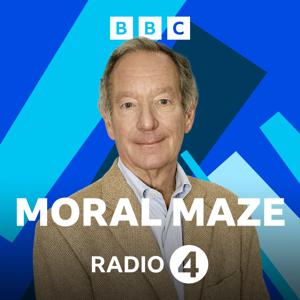

The BBC has published new guidance on how its big name presenters can use social media. Those working in news and current affairs are still bound by strict rules on impartiality, which the BBC sees as being fundamental to its reputation, values and the trust of its audiences. But the presenters of other programmes are free to express their political views, as long as they don’t “endorse or attack a political party."
While impartiality means not favouring one side over another, news broadcasters are subject to a subtler version of it: “due impartiality”. That means different perspectives don’t necessarily have to be given equal weight. But which perspectives and how much weight? That’s a matter of judgment.
The changing media landscape has brought new challenges to the principle of impartiality. The media regulator Ofcom has recently investigated GB News. Among their alleged breaches of impartiality was an item in which the Conservative Chancellor was interviewed by two other Conservative MPs.
The spiritual heirs of Lord Reith believe that media impartiality is a moral good and a central pillar of democracy in an age of populism and polarisation. Sceptics suggest that the pursuit of impartiality can create problems of its own, putting ignorance and expertise on an equal footing.
Beyond broadcasting, how much should we as individuals strive for impartiality? Is it possible to look at historical events through an objective lens? While psychology tells us we all have cognitive biases, psychologists disagree about how much they can be corrected. Is it possible to be truly impartial about ourselves and others?
Producer: Dan Tierney
 View all episodes
 By BBC Radio 4

4.6
5151 ratings
The BBC has published new guidance on how its big name presenters can use social media. Those working in news and current affairs are still bound by strict rules on impartiality, which the BBC sees as being fundamental to its reputation, values and the trust of its audiences. But the presenters of other programmes are free to express their political views, as long as they don’t “endorse or attack a political party."
While impartiality means not favouring one side over another, news broadcasters are subject to a subtler version of it: “due impartiality”. That means different perspectives don’t necessarily have to be given equal weight. But which perspectives and how much weight? That’s a matter of judgment.
The changing media landscape has brought new challenges to the principle of impartiality. The media regulator Ofcom has recently investigated GB News. Among their alleged breaches of impartiality was an item in which the Conservative Chancellor was interviewed by two other Conservative MPs.
The spiritual heirs of Lord Reith believe that media impartiality is a moral good and a central pillar of democracy in an age of populism and polarisation. Sceptics suggest that the pursuit of impartiality can create problems of its own, putting ignorance and expertise on an equal footing.
Beyond broadcasting, how much should we as individuals strive for impartiality? Is it possible to look at historical events through an objective lens? While psychology tells us we all have cognitive biases, psychologists disagree about how much they can be corrected. Is it possible to be truly impartial about ourselves and others?
Producer: Dan Tierney

7,913 Listeners

863 Listeners

1,067 Listeners
159 Listeners

5,576 Listeners

1,808 Listeners

1,729 Listeners

1,018 Listeners
2,113 Listeners

1,952 Listeners
32 Listeners
38 Listeners

428 Listeners
159 Listeners
43 Listeners
75 Listeners
108 Listeners
745 Listeners

3,245 Listeners

779 Listeners

1,010 Listeners

3,858 Listeners

1,314 Listeners
851 Listeners
48 Listeners