
Sign up to save your podcasts
Or



Yitzie taught a lesson on the laws of Truma, discussing the forbidden and permitted uses of Truma produce, including wine, olive oil, and other fruits. He explained that certain Truma products, like wine and olive oil, have special status and can be used in specific ways, while other Truma produce cannot be changed into liquids or fed to non-Kohanim animals. Yitzie also covered the rules for using Truma oil to kindle lights in shuls, study halls, and other places, with some exceptions for shiva houses.
For Sponsorship info, questions or comments email us at [email protected].
Today's shiur explored various laws regarding foods that absorb flavors, including the rules for onions, lentils, and other vegetables. They also discussed the laws of Kulin that absorb the flavor of Truma through pickling, including the cases of olives and non-kosher fish brine. The session concluded with a review of the laws regarding cooking and pickling of various foods, emphasizing the importance of flavor absorption and the prohibitions for non-kohanim.
For Sponsorship info, questions or comments email us at [email protected].
Yitzie led a detailed discussion on the rules and regulations surrounding Truma, including consumption, planting, and the sanctity of growths under both biblical and rabbinic law. The conversation covered various aspects of produce gathering, including the specific rules for Kohanim and the handling of tumah produce, as well as the distinction between decomposing and non-decomposing plants in mixed plantings. Yitzie also addressed the leniencies and restrictions regarding various agricultural practices, including threshing grain and the specific cases of produce from mixed plantings and young plants of Truma.
For Sponsorship info, questions or comments email us at [email protected].
The meeting focused on discussing various halachic rules regarding the consumption and handling of Truma, including cases where individuals discover they are forbidden from eating it after initially being allowed. The discussion covered specific scenarios involving married women to Kohanim, slaves, and Kohanim with invalid status, exploring when individuals must pay for unintentionally eating Truma and when they are exempt from payment. Yitzie addressed several halachic topics including forbidden foods, venom contamination, and the handling of tamei substances, emphasizing the importance of protecting food from contamination and following specific rules for storage and consumption.
For Sponsorship info, questions or comments email us at [email protected].
Today's shiur focused on discussing the laws of trumah and penalties for eating consecrated food, including the requirements for unintentional and intentional consumption. The participants reviewed specific cases involving a Kohen's daughters and their penalties for eating consecrated food, as well as the rules for determining the status of mixed foods. The discussion concluded with detailed explanations of the laws regarding produce in boxes, including planting rules and the implications for trumah status.
For Sponsorship info, questions or comments email us at [email protected].
Yitzie led a Torah study session on the laws of Trumah, discussing various scenarios and penalties for eating consecrated food by mistake. He explained that someone who eats Trumah must pay the owner the value of what was eaten plus an additional fifth, which cannot be paid with Trumah itself but must be with ordinary produce. Yitzie also covered cases where the eater is married to a Kohen, scenarios involving stolen Trumah, and the rules for paying penalties with produce of the same or higher quality than what was eaten.
For Sponsorship info, questions or comments email us at [email protected].
For Sponsorship info, questions or comments email us at [email protected].
Yitzie led a comprehensive Torah study session focused on agricultural tithing laws, covering the separation and distribution of produce portions, including specific cases and legal considerations. The discussion detailed various agricultural measures and proportions for separating crops, with emphasis on precise measurements and proper procedures for different types of offerings. The session concluded with an exploration of nullification laws in Jewish dietary regulations, examining how different foods interact when mixed and the varying opinions of rabbis on these matters.
For Sponsorship info, questions or comments email us at [email protected].
The shiur focused on discussing the laws of terumah separation, including various scenarios involving spoiled produce and wine, as well as the monetary penalties for eating terumah by mistake. Yitzie explained the rules for separating tithes in a business context and covered the process of designating terumah from a pile, emphasizing the proper order of separation for different offerings. The discussion also addressed various aspects of Jewish law, including the rules for terumah , maaser, and other offerings, as well as the legal implications of mistakes made when saying vows or referring to people or properties.
For Sponsorship info, questions or comments email us at [email protected].
Yitzie led a Torah study session on the laws of Truma, discussing the rules for separating and designating produce as sacred offerings. He explained the concept of proximity, where designated produce must be near the non-designated items, and covered various scenarios involving different types of produce and their designation. Yitzie also addressed the rules for separating Truma from tummy produce and the importance of using the best quality produce when available. The session concluded with a discussion on the types of produce that can be designated as Truma and the rules for separating different species of produce.
For Sponsorship info, questions or comments email us at [email protected].
From the publisher's feed
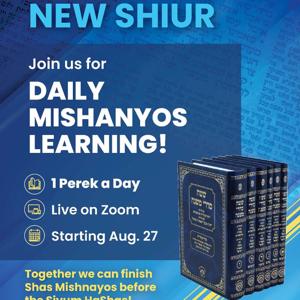
Learn 1 chapter of Mishnayos everyday!