
Sign up to save your podcasts
Or

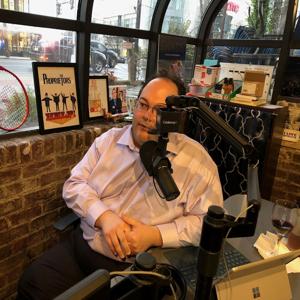


Episode 24 of the “Law & Business” Podcast features Wil Jacques, the patent agent of Verna Law, P.C.
We discuss the patent application in three thoughts.
Wil Jacques, Patent Agent
After filing the patent application, there is an office action (rejection from the United States Patent and Trademark Office).
Here is a lightly-edited transcript of the podcast episode:
Anthony Verna:
Welcome to the Law and Business podcast. I’m Anthony Verna with Verna Law PC, focusing on intellectual property and advertising law. With me is my patent agent, Wil Jacques.
Wil Jacques:
Good afternoon. How are you?
Anthony Verna:
I’m well, thank you. And Wil is also the monetization expert for intellectual property at Emanus LLC, not just the patent agent for Verna law. Well, let’s talk a little bit about the patent application processes. We kind of give our listeners a patent 101 overview with a few episodes. When we’re filing a patent application, what’s our heaviest emphasis on in filing that patent application?
Wil Jacques:
Well, certainly you want to make sure that it’s in the best condition possible. You’ve described everything according to the law, there are two basic ones that patent agents, attorneys want to keep at the forefront. And that 35 USC 101 which says that you’re patenting in a certain allowable area, that is, it’s a process.
It’s a machine, it’s an article of manufacturer or devices. People might know it, you know, or a composition of matter. So, you want to make sure that you address, you know, one of the subject matter areas in your patent. And then you know, the next thing is 35 USC 112 and there are many others that impact your ability to get a patent or not get a patent. But in terms of just that basic document, you know, 35 USC 112 is that you must have a written description, that clearly describes in a concise manner what it is you’ve invented. And it has to be innately.
Anthony Verna:
So, once we get this application drafted and we file it with the patent and trademark office, same thing on the trademark side. Like, we’re going to wait a while.. On the patent side, we’re going to wait a lot longer on the trademark side, aren’t we?
Wil Jacques:
Yeah. We’re going to wait. Many years ago, the patent office agreed that it would attempt to get all of its applications fully through the system in about three years. And typically they do a very good job these days of doing that for folks that are so inclined, you could actually choose to have an accelerated examination of your patent, but that’s going to cost you.
Anthony Verna:
And as I said, the fees are going way up.
Wil Jacques:
It’ll be a fair number of dollars that you gotta come up with in order to get that. But normally it’ll take anywhere from about say two to three years for most of the applications that I see any way up before you get some sort of an office action that is, somebody’s picked up your patent, at the U S PTO and examiner and not someone. And of course, their job is to kind of review that application and decide whether or not it meets merits of the law in terms of being awarded a patent.
And so they will send a notice to the applicant or the attorney working on their behalf to argue that we’re not going to give you this patent.
Anthony Verna:
Right. So, the office action that the applicant will receive is a rejection of the application with a description of what’s wrong with it?
Wil Jacques:
Generally yes. And it can take a couple of different forms. The examiner will certainly want to review the application on the merits and generally speaking, in light of prior art, they will come back with rejections of your claims based on the readings and subject matter that might’ve been disclosed in some of these other documents, in other cases, or I should say maybe even in the same case, they will come back to you with what we call objections, particularly for our applicants that may choose to file on their own. I should say that the patent office does provide a fair amount of help to what we call these pro se applicants.
But in general, there will be objections as a matter of form or how one presents the application to the office. They want their jobs to be easy to give you the fairest review. And if you’re not following these rules, that makes it a little bit difficult for them. So, they will object to certain things.
Anthony Verna:
So, what is the either applicant’s job or the representative of the applicant’s job once that office action is received?
Wil Jacques:
Okay, so the examiner at the patent office typically is going to send a rejection on the marriage based on some aspect of the law, in light of certain documents that they’ve found in their search. And so, they kind of looked at this area as well and saying, well, you know, we think that was disclosed. You’re not going to get a patent because of this. They will explain that those areas in which they are doing their rejection.
Section 102, 103, it comes back to the patent practitioner. If they’re working on the applicant’s behalf and at that point, it is up to the practitioner to come up with an argument as to why the examiner may have erred in their review of the claims that the applicant is asking for.
Anthony Verna:
So, in the review of the claims, does that mean that the claims of the patent have to be rewritten at that point, or is the patent examiner going to suggest rewritten claims? How does that work?
Wil Jacques:
Well, certainly, from the applicant’s point of view, you want an attorney or agent who’s going to work your behalf and let’s say, try to argue that no, I really think it just got it wrong. And what we wrote there was absolutely right. And here’s the reason why. I would caution that particular stance with the USPTO is probably not a good one.
You know, as my mom used to say, if you want to attract flies, you can use honey a hell of a lot better than you can use vinegar. And so, you want to be very professional, you want to hold your ground. But by being derogatory towards the examiner about your claim is not going to get you anywhere. But what you do want to do is to point out how you’re different. You want to show how you’re distinctly different and you came before the art that they’re putting in front of you. And you will need to, typically what you want to do is to argue only the points that they put in front of you. And so, you don’t want to be Webster, you don’t want to be an encyclopedia. You don’t want to try to throw everything in as to why they ought to give you those claims.
But you want to be concise and explain. Now, if what you found in terms of the examiners rejection to be somewhat true, then you have the option to do what we call amend those claims. Now, you can’t add any new matter whatsoever to an application once it’s been filed. But you’re able to make amendments in light of the art that the examiner has put in front of you. And so, you may find yourself, if you have element A, B, and C in a prior art application, that precludes patent ability of your invention. Then within your application you may find the ability to claim instead A, B, C prime or A, B, C and D and D in fact, , provides you some level of distinctness and obviousness over what the examiner has cited against you.
Anthony Verna:
Gotcha. Does that mean then that the claims are narrowed at this particular instance?
Because like you said, you can’t add anything to the patent application, but those claims can certainly narrow the scope of the invention.
Wil Jacques:
Yeah. Generally speaking, when one starts to amend their applications, it’s somewhat easy to go in and narrow those applications. You may find in fact that you could have missed something in the very beginning that was already disclosed in your application that didn’t make it into the claims. Not the very best light for the agent or the attorney, but in fact you may have found something and so you may even be able to broaden, you know, what it is that you have presented as long as it’s as shown in that previous specification or the drawings, including the drawings. Because drawings have a lot of information and actually is used by the patent office in terms of deciding whether or not there is an invention that exists or not.
Anthony Verna:
Let’s talk about the deadline then when we received the office action. How long then does the applicant have to respond to that?
Wil Jacques:
Typically the office gives you three months to respond to their office actions. And that’s three months from the mailing date from the US PTO. And so, the joke is a lot of agents and attorneys will go right up to the very end of that three months. But they think they give you, a sufficient amount of time to respond to them with a response or a response and amendment. And I made the distinction that sometimes the response is just to indicate that I think you’ve erred and here is why and you’re not really making any changes to the application.
Anthony Verna:
You’re making really a substantive argument stating why what is cited is actually different from what the claims and the application state.
Wil Jacques:
Absolutely. Absolutely. And in other cases, you may be making both a response to certain rejections and or objections that the examiner has cited as well as making amendments to the claim. So, in that respect, it would be both a response and an amendment, but you’re only given three months to do that. And if you run past that three months, you’re not dead. You’re still allowed to file a response within another three-month period. As long as you pay a fee in order to get that done, it is no reason to ask for permission to do this. Under the law, you’re allowed to file this response after the three-month period. As long as that fee is paid and it’s still responded to in the right way, but after six months, then you’re dead. Then your application goes abandoned, which means if you really wanted this invention, you kind of start the whole process all over again with a new date of invention.
Anthony Verna:
Are there cases where the patent and trademark office examiner finds maybe more than one invention in an application or maybe your response is best in multiple applications instead of one application?
Wil Jacques:
It happens a lot. As a matter of fact, that happens more frequently than not. And so, as you’re filing these applications, you’re trying to get the broadest level of claim possible and sometimes broadened as the examiner is confused a little bit. And so, one, the breadth of the patent application may get to be somewhat wider than it should be. For instance, you may attempt to get a method of doing something in a claim that in the examiner’s mind may be distinctly different from that article or device. You know, that is actually a neighboring, this end result that you’re talking about. And so that particular case they will issue what they call a restriction, which essentially says, we see more than one invention here in your application and you have to decide which one you want to continue prosecuting with the office.
Anthony Verna:
Can the applicant divide then into two applications or is that restarting one of those two from the very beginning?
Wil Jacques:
Assuming that the restriction requirement only dealt with what they believe were two inventions, it could be multiple inventions. Yeah. At that point you are allowed to take those, the balance of the inventions that you started with and actually file for what we call a divisional. Again, you still have a certain amount of time, you know to get this filing done but you’re not starting over again as far as the clock is concerned. So, if you filed, you know everything on January one and you’ve got, some sort of response about the January one, 2017 you got a response back two years later. You know those divisionals still take precedents back to that January one, 2017 date. And so, any intervening art would not be cited against those divisionals, which are in fact new inventions as long as they’re supported in the original application itself, that material.
Anthony Verna:
Gotcha. Gotcha. What happens if the patent and trademark office examiner has decided, that in this patent application, I’ve seen it all, all of your arguments have come back and therefore I can’t really allow you to keep making the same arguments. Do we get to a final rejection?
Wil Jacques:
You will, you will receive a final rejection from the office as it goes with the patent office. I have inventors that walk into my office and they may be a little bit on edge about how the patent office is behaving, at least in their mind. And they say things like, gosh, don’t we pay enough money for them to do this thing right? And I have to kindly remind them that unlike many quote unquote or unlike agencies, which is what they’re confusing the patent office with, they’re totally self-funded and supported only by the fees that they charge the public.
So not one of your tax dollars ever went to support the and office. Right. So again, to get to the point at this final rejection time, you’re still allowed to continue arguments for your invention with the patent office as long as you pay the fee.
Anthony Verna:
And I actually have that sitting in front of me. That’s called a request for continued examination. And the patent and trademark office charges entities a fee of $1,200 for a first request and then $1,700 for a second or subsequent request for continued examination.
Wil Jacques:
Yes, yes. So, they make a fair amount of money, particularly if you hold steadfast to the fact that you believe that they’ve erred in that the claims that you’re asking for are in fact ones that you should be allowed. You can always decide to abandon the application at that point as well. You can decide that the arguments are being made by the examiner, US PTO are much more, than you’re able to surmount and surmounting these arguments, again, is a conversation between you and your patent practitioner.
And so you may in fact be able to still get a patent. But what I try to caution my inventors about is whether or not, once you’ve kind of sliced and diced, which is typically what’s happening. Sure. You know your application to a certain point. Is there still value in what you believe is an application that may be issued to you.
Anthony Verna:
Part of that as always, is going to be a business judgment at that point as well.
Wil Jacques:
It absolutely is. And again, I would invite your listeners to check out some of your other podcasts, but we did mention that it is not really the job of your patent practitioner to be your business partner. But you know, the way we do it at Verna Law, we try to advise folks along these lines because in the end of the day, they’re spending a lot of money for this asset that most of them hope will support their ability to monetize it later on.
Anthony Verna:
Absolutely agree with you. I man, that that’s why we’re together. What are some other options after the final rejection?
Wil Jacques:
So after the final rejection you’re allowed to, within a certain period of time, actually try to sneak another one in on the patent office and so you could make an amendment to your claims or an amendment to your application, before the statutory end date of that final rejection. And it simply said, you’re given three months before this period of time for response to the final rejection. But if you’re able to respond within two months then there’s certain fee advantages. Let’s say that you might be afforded and, in some cases, you may actually be able to wear your examiner down and they may finally come to light and see your point. If that doesn’t happen, of course then as you mentioned earlier than you would file at a fair amount of money, a request for continued examination.
Anthony Verna:
Right. One of the options there, as you mentioned, the amendment after final, no US PTO fees are required to file the amendment after the final no rejection. But still, if that doesn’t clear up the issues, the applicant will still receive an action.
Wil Jacques:
Yes, they will receive, they will still receive an action. And if that examiner responds either before the end of that first set statutory end date or after that statutory in date that it was originally set, then your fees will be adjusted accordingly.
Anthony Verna:
So, at this point, if the inventor is still not done fighting is still itching to get this patent, is there any other options?
Wil Jacques:
You have other options and so short of a, and this is something you might have done much earlier, which is I don’t advise it all the time, but uh, to go to the supervisor of the examiner that you’re in conflict with and tried to get an oral, a face to face meeting to try to clear up this point.
But that’s something that should’ve been done, you know, quite some time ago. But if you get to the point where you’ve gotten this final rejection, you still believe that your invention is of merit at this point. You can appeal to the patent trial and appeal board. And this is a judge type setting. Where professionals from the patent office along with the examiner would sit down in light of your appeal brief or your arguments that would be presented to them and give it yet another look-see as to whether or not your arguments will hold and support patentability or allowance of these claims that you see.
Anthony Verna:
Going to the patent board is a time consuming endeavor, right? Most applications that are waiting appeal await what? Another two year wait?
Wil Jacques:
At least at least, and not to mention even though there’s not any extensive other than your petition fees that you’re playing to the patent office, it is an area that is fraught with hurdles and trips and so you’re likely to have legal representation even within the patent office at this point and those fees can start to mount as well.
Anthony Verna:
Just to start an appeal in the patent trial and appeal board is about $2,800 which is significantly higher than a trademark appeal, but like you said, it’s fraught with issues because it’s procedural in nature. And in a way, while it is an extra review, in a way, you are fighting the patent and trademark office itself.
Wil Jacques:
Yeah, not exactly kindly looked upon by the US PTO to let’s say help it’s pro se inventors to fight them and so at this point you’re pretty much on your own.
Anthony Verna: I mean the judges who rule are administrative judges, so theoretically they are separate and apart from the patent and trademark office. Yeah, I’ve been to the complex. I know that the judges are really in the same comp.
Wil Jacques:
Well as they say, over the wall, arms link. it’s a beautiful office and a lot of them are separated by glass walls so you could see your colleagues all day long.
Anthony Verna:
What are the likely results going to the patent trial and appeal board? Are you expecting the board to allow the patent application or are you expecting the board to basically write an order instructing the patent examiner on how to re-examine the patent?
Wil Jacques:
It could go any number of ways and I’m glad you asked that question. I’ve not looked at the data on this in quite some time, but the patent that the P tab as we refer to them could instruct the examiner to take a different track or a different view in terms of the examination of your application. And in fact, may even, suggest that the claims are patentable and provide some background to the examiner or some information and support to the examiner that says this is why. You know, as is predominantly the case… And I wish I knew the numbers, we’ll have to do that in another podcast…
Anthony Verna:
I actually have the numbers, actually I just pulled up the numbers while you were talking. And the numbers tend to be about the same year in and year out where 55% of rejections, and this was fiscal year ending in February of 2017 so March 2016 to February 2017, 55.3% of appeals were completely affirmed. So, in other words, going to the board isn’t a bad idea. What was completely reversed was about 30%. Affirmed in part and reversed in part was 13.2%.
Wil Jacques:
Yeah, not a bad idea. It’s just the matter of what’s the probability, the chances that you might succeed. And if you’re talking about, again not to be pejorative and to separate our independent inventors of the world, our small company inventors of the world, from our large corporate inventors of the world. The amount of money pales with respect to what it is that that patent brings to you in terms of value. And so that’s what should be put on the table in terms of driving your decision versus your ego. Of fighting and having a kind of win against the US PTO.
Anthony Verna:
I think just to wrap this up, I think a couple thoughts for our listeners is that the patent application process is long, and the claims really do matter. That’s the important part. And going through what the invention is multiple times between the applicant and the representative to me is the most important part.
Wil Jacques:
It is absolutely the most important part. Remember, a patent is a right for you to keep somebody from doing something. It is not a right for you to do something. And it’s a small nuance that a lot of our independent inventors don’t seem to understand. And so, we try to make sure that they have this understanding as we kind of go through the process.
The other thing we always want to make sure that they keep in mind is that as you’re going through this argument, through these changes with the patent office, let’s say you made an amendment and you actually canceled claims, even through the P Tab, you can’t go back and get those later on. Once they’re gone, they’re gone. And the whole world at some point gets to see these arguments, that are going on between you and the patent office and therefore can make their own assessments about what the real value of your patent, assuming it was issued. You know what the true value is, what it is that you gave up, and what it is that you’re now not able to stop them from doing.
Anthony Verna:
All right. Well, thanks very much for being on this episode. We’ll have more episodes with Wil and more episodes coming up in the coming weeks.
Wil Jacques:
Thanks very much. I appreciate the time to speak.
Anthony Verna:
Right, and also before we go, uh, Wil’s email address is [email protected]. My email address is [email protected]. Feel free to write to us with any questions you may have.
Wil Jacques:
Yeah. Thanks Anthony.
On Episode 22 of the Law & Business podcast, I chat with Sarah DeGeorge of Socially Dedicated. It’s a part of our Philly Bloggers series. Sarah and I chat about her blog, Socially Dedicated, and what it means for business. Sarah has tips on her blog, such as how to stay on a client’s money habits, how to balance your work and life properly, and what it means to be a freelancer.
We also chat about how Sarah uses her blog and her social media consulting concurrently.
You can find Sarah’s blog, Socially Dedicated at http://www.socdedicated.com
Twitter: https://twitter.com/socdedicated
Here is a lightly-edited transcript of the episode:
Intro:
You’re listening to the Law and Business podcast hosted by Anthony Verna. We tackle the difficult questions where business and the law intersect to help you run a smarter business and avoid costly mistakes. Brought to you by Verna Law, PC a full-service law firm, focusing on patents, trademarks, copyrights, domain names, and advertising law. For more information, call (914) 908-6757 or send an email to [email protected].
Anthony Verna:
And welcome to the Law and Business podcast. We’re in the middle of our Philadelphia bloggers series. You like the side of that, Sarah, don’t you? Yeah, right with me is Sarah DeGeorge of the Socially Dedicated blog. How’d I do?
Sarah DeGeorge:
Good. Great. Made it sound better than I ever do. So that’s what counts.
Anthony Verna:
Wonderful. Wonderful. Once again, the Law and Business podcast is brought to you by Verna Law, focusing on intellectual property and advertising law. You already heard that in the introduction. So, Sarah, let’s start here. Tell us about your blog and what you do.
Sarah DeGeorge:
So my blog is kind of an extension of my career, so I freelance and socially dedicated. It came from both my initials are SD and I do social media marketing.
Anthony Verna:
That’s very handy.
Sarah DeGeorge:
Yeah, I know, right? There was, there was a plan to incorporate a logo when I finally put it together and have my signature being the SD part of the logo. But that’s a completely different story. But anyways, my freelancing is like I said, then carried over to my blog because I wanted to be able to kind of talk about it, and a lot of people that are bloggers tend to, and, I see a lot of them, they are freelancing on the side more so with content creation because of their writing and everything like that. So, it was kind of like a three-sided venture because it’s it’s a portfolio page, it’s a blog itself, , I put it as like a business front too. So, it shows the services that I do alongside the information that I put out with the blog. So that’s kind of how I positioned the website itself. Whole package kind of.
Anthony Verna:
Yeah, I understand. I understand that completely. So, when I look at your blog, I see topics like best business practice of being yourself, freelance truly isn’t free, staying on top of client’s money habits. Are these topics that you draw from your experiences in work?
Sarah DeGeorge:
Yeah, I’d say so. Sometimes something might happen and instead of me being grumpy and spiteful and being all you know, write a blog to inform others about the situation and how to do it in a way where you have your freelancing career and your reputation behind you and it’s good, everything like that. Like sometimes it is inspired by my own personal experiences in a way that I can almost, it’s a teachable lesson. Oh, unfortunately I have to go through said lesson, but I’d like to help other people not have to go through it. Yeah, Basically I think most of it is kind of like personal experience. Some of it is just I see something, or something sparks my interest. Maybe nothing happened personally to me, but I’m like, hmm. Like that’s something we should talk about. And I tried to put my own spin on it. I’m still young so I’m, I’d like to say I’m kind of in like that mid-level part right now. I’m no longer, I would say entry level. I would like to say I’m, I’m getting to the level where I could be like, Oh yeah, I’m sure sort of an expert in the career by like riding that middle level where I can write about it, where I’m like, here’s my hindsight, but then here is where I’m working towards too. And maybe somebody else who’s on that journey can relate.
Anthony Verna:
What sparked the idea of making a blog that related to work in the first place? Because in a way, in a way your blog and work are intertwined. It’s very similar to my blog as well, my blog and this podcast, my law practice. I mean everything gets combined as one anyway. So, what sparked that for you?
Sarah DeGeorge:
I just felt like I had a lot of ideas and maybe like a lot of thoughts. And I’m really in my own group of friends. Not, you know, the Philly bloggers, we’re all bloggers. But in my own life I’m really the only freelancer I know. So, it’s not like I could really talk to people about this in my own groups. So, I wanted to kind of put my thoughts out there. And, in writing, because I went to school for journalism a little side. So obviously writing is kind of like what I do. So, I felt like this was a place where I’m putting my thoughts out there. I’m putting them out there for somebody else to hopefully, sure. Talk to me about it. Agree with me, disagree, anything. I felt like it was a good platform for me to hopefully help other freelancers and small business, you know, anything along those lines.
Anthony Verna:
And now your freelancing is social media and other digital…
Sarah DeGeorge:
Yeah, so basically anything in that realm. I kind of teeter on the lines of communication and marketing. Cause I do content creation, SEO, paid marketing, like ad words, Bang. So, I wear many hats, I feel like for a lot of the time, but it helps because I get to have my creative…
Anthony Verna:
Everything is under digital media.
Sarah DeGeorge:
Yes. You know, it all kind of combines in itself. If somebody wants me to write their blog posts for them and then they’re like, oh wait, you do ad words too. Do you want to do our paid marketing too? And I’m like, Hey, I actually know that it’s not something that I’m like, I don’t know what paid marketing is.
Anthony Verna:
Sure. So, I want to ask you about your latest blog entry. Close the Laptop and Breathe seems a little bit at odds with what you actually do.
Sarah DeGeorge:
Yeah, I think it was almost kind of like one of those things where I’m writing it and I’m hopefully like, Sarah, you’re writing this, so hopefully you take this into consideration. I feel like it’s one of those things where as freelancers you, sometimes you want to practice what you preach, but you know, I’m writing this blog as I should be closing the laptop and breathing and you know, it’s kind of like, it’s almost like an oxymoron or something where you’re like, wait, but you’re, you’re doing the opposite of it by writing this blog sometimes. Obviously, I think it’s like one of those things where you write it in hopes that you almost like it’s a teachable lesson to yourself. The backstory is obviously they are friends and few sponsors hosted a yoga event at the Philadelphia Marina. So, it was a good event and hopefully it was a teachable lesson to freelancers that hey, if you’re invited somewhere, just take the time. Don’t worry. The work is going to be there whether you take an hour for yoga or not. So that was basically the whole concept of the blog. So, hopefully somebody else does yoga or whatever it is they want to do to relax for a little bit and close the laptop and breathe.
Anthony Verna:
So do you find that the blog helps with the work/life balance or…
Sarah DeGeorge:
I guess relatively speaking in comparison, you know, fashion bloggers and travel bloggers, there’s a little bit more of like a colorfulness to theirs where I’m talking about freelancing and small business. It may be a little bit more of a dry topic. But for me when I’m losing my creative juices from actual work that I do, Socially Dedicated is a good place where I’m writing about something I actually want to write about and it kind of is a relaxing kind of moment when I’m just writing cause I chose the topic, I wasn’t handed it. And, of course, obviously I don’t mind what I do and freelancing but at least this is almost like my own self-curated work that I do. So, a little different than you know, being handed something and you’re like I have to research this. I maybe don’t know what it is about or at least this, I’m like okay I feel confident enough I could just type. I don’t have to do research beyond like statistics or you know, things like that.
Anthony Verna:
We get that way too. Where either after filing some applications or writing a motion for litigation, I got to turn off the screens and I have to walk away even though I also know I’ve got blog posts that are like sitting in the back of my head, waiting to come out. And I look at the last time I actually put up a blog post I’m like, oh, I’m overdue.
Sarah DeGeorge:
No, and that’s actually, I think I’ve written about that in the past. Do you write? Sometimes I feel like as bloggers we see a gap and we’re like, we need to fill that gap. It should’ve just come naturally. Like should you just, right when it’s like you really feel like you want to write or do you go on as to where you’re like, ah, it’s been too long and then you write something and maybe it isn’t 100% what you want, but you’re doing it because you feel that you haven’t updated in a while. It’s kind of like a weird, I guess, like battle within. You’re like, do I wait until I have this perfect blog to write and then it’s going to feel great, I’m going to be happy about it, or do I make sure I’m constantly updating content just for the concept of updating content?
Anthony Verna:
Yeah. There are some who say perfect is the enemy of good.
Sarah DeGeorge:
I can agree with that.
Anthony Verna:
My particular struggle with blogging really is that. It’s like I need to balance the fact that I work and I have a practice where I have other people in the practice as well, and so you have to balance that along with the fact that a blog entry is important in today’s world, when your blog is related to your work, , and you’re not really selling advertising on your blog. Whereas, if you’re selling advertising on your blog, that is your work and that is your job and so you do have to get something out, but your blog, when it’s related to your work, well, it’s marketing for you or you’re missing a marketing opportunity.
Sarah DeGeorge:
Yeah. It’s just, it’s one of those things where you’re just like, what is the right balance and how do I get to that point where I know the right balance and I think it’s a very open ended. I think it depends on everyone’s schedule. With blogging, you don’t want to burn yourself out because then I’ve had friends with blogs and they burn out and then they were so good at it, but they were almost too good at keeping up with it. And then all of a sudden now I look back and they haven’t wrote a blog in like four months because they’re like, I couldn’t do it. I didn’t even do it. I couldn’t do anymore. And then it’s then maybe the idea was maybe you were just doing a little too much. Maybe if you had scaled back even the slightest bit, you wouldn’t have hit this wall of sorts, you know? So, I guess there are places where they’re like, oh, this is how many times you should be updating this or how many times you should be blogging. But then at the same time, I think like there’s that gray area.
Anthony Verna:
Do you set goals for how often you want to post or is it just whenever the spirit moves you to write something?
Sarah DeGeorge:
So currently I have a pretty full plate with clients, so I think I’m on like the, when the spirit needs to just because of just like I said, my current lifestyle. But I’m kind of in the process of looking through my clients and seeing when contracts are up. Are there any clients that maybe there is no future growth between us and you know, I’m trying to make my schedule be as it having like, you know, 10 clients, but I’d rather have like five clients in which it’s a good relationship. I’m not getting stretched thin with time. With that being said, hopefully when I go through kind of my, I don’t wanna say purge of sorts, I will maybe flip to the other side where I’m gonna be a little bit more structured in my blogging schedule. Like my blog is very important to me and I want to see it continued to grow at some point. It’s growing, but you know, I’d like for it to be also a focus of mine instead of where I go to when I need a creative reboot.
Anthony Verna:
If you were to pin an ultimate goal on your blog, what would it be?
Sarah DeGeorge:
I’d really love for my blog to be where I gain more of my clients. So, a lot of my clients right now, and it’s great because it is referral based, so I’d like to think that I’m doing well, but I’d like my blog to almost be more or less where people are like, hey, I like what she’s saying. She seems like she knows what she’s doing, let me hire her and that be where I find most of my work. I’d like people to find me based on the fact that they think I’m knowledgeable or that I’m a good freelancer and I can help them. That’s what I know best. So that’s why I write about it. So hopefully.
Anthony Verna:
When you write a blog entry, how do you advertise that you’ve written a blog entry? How does that work?
Sarah DeGeorge:
So, it depends on what the blog entry is. If it’s just a blog entry where it’s kind of like a think piece, I usually post it on the some groups that I’m involved in on LinkedIn, like the usual avenues. My social media, I’ll make like a graphic on Instagram leading them to the blog. I haven’t done that lately, but that’s what I used to do, like new blog and those are my avenues right now for the most part. The other thought of that was, if it is a blog regarding something, so I’m trying to do like a small business spotlight if you will, in Philly. So, we recently did Founding Footsteps. They’re a tour group. So, when I’m done with the blog, I obviously send it to said person and then if they want to share it on their social feeds.
Anthony Verna:
Yeah, I mean in a way this is some of the stuff that you blog about when you think about it, like these are the connections and you have a blog post specifically on connections for small business people. It sounds like you try to keep that in your mind as these connections and you keep the advice that you gave on the blog.
Sarah DeGeorge:
Like I said, I try my best. Sometimes. I think the one part where…
Anthony Verna:
We’re all allowed to make mistakes and slack off and take time for ourselves. So, don’t worry about, yes, of course you’re doing it to your best of your ability.
Sarah DeGeorge:
So I try to make those connections. Especially I think small businesses and Philadelphia, shameless plug for Philadelphia, I think we’re really great city where people actually want others to grow. So, I don’t look at another maybe freelancer, small business blogger as a competition. I’m like, how can we formulate something? Like I ran into somebody one time and they wanted me to give talks with them. They were like, “Oh hey, like let’s try and do something when we can find the time.” So, I try to connect and disseminate my information from my blog out to others who might either want to work together with me on something for greater cause or so on and so forth.
Anthony Verna:
It makes perfect sense. And I am glad to see that you are practicing what you’re preaching on the blog. I do want to talk about another entry you had back in April about the fears of small business owners and freelancers. What are some of those fears and what advice do you have to get over them?
Sarah DeGeorge: (
I think the biggest fear for freelancers and small businesses is just the money. I know it stinks and I’m not really a money driven person, but it is the biggest fear because you’re no longer working underneath somebody where this is your salary and this is that. And I think that…
Anthony Verna:
I would, I would completely agree with you. Cash flow is a big, big fear.
Sarah DeGeorge:
Oh yeah. And then, cause you can make as much as you want, that’s great, but you can also not make anything cause you’re not guaranteed. And I think another fear with freelancing is you’re kind of your own entity. And if anything goes wrong, it just completely falls on you. There’s nobody that you can be like, well you can talk to my manager or something like that. So, it’s a lot of accountability and I think that’s a huge, you’re basically in charge of your success or failure. Sure. So those, I think…
Anthony Verna:
Well, I mean to look at it the other way, when you do something well, that’s also on your shoulders and people look at you as saying you helped me out in a situation.
Sarah DeGeorge:
Yeah. Unfortunately, I feel like people tend to go to the bad side first. I think, just like everybody’s like, oh, it could go really well, but then everybody’s like, yeah, but most likely it’s not gonna work out. And I’d say a good chunk of people usually go to the pessimistic end of things first.
Anthony Verna:
I hope we’re not all Eeyores in life.
Sarah DeGeorge:
My boyfriend is always like, when we watch it Winnie the Pooh, he’s like, “Oh hey, it’s you and it’s Eeyore.” So, he’s like, there’s Sarah. We tend to be very hard on ourselves and that’s I think why that tends to be the case. And then you’re like, oh it worked out, but it’s not going to work out next time.
Anthony Verna:
Oh yeah. What advice do you have on getting past some of these fears?
Sarah DeGeorge:
I think you just have to focus on the wins.
Like I know that sounds really simple and it’s not as simple, but you kind of like, if I’m feeling really down about something that happened. Maybe I send something in, and my client was like, ah, it’s really not that good. And then you kind of get down and you’re like, wait a second, but I just sent this in. So, for example, something didn’t work out with one of my clients, but then I was like, wait, but I just pitched to Runner’s World and we got an article in Runner’s World. Then they have, and you know a bunch of people like that. I was like, wait, I did that right. Maybe I didn’t do this right, but I did that right. So that’s kind of key to kind of keeping yourself in check is just to remembering the good things. I was on the phone with a client yesterday and he was like, you know, you’re a very important cog in this little, small business wheel that we have. You know, sometimes you think that your work isn’t getting appreciated. But then you hear that and you’re like, wait, no. They said I am an important part of this, so I’m going to remember that comment for sure when I’m feeling blue.
Anthony Verna:
I mean I have two particular thoughts and you can tell me what you think about this. One is, I know for a lot of small businesses, it’s difficult to do this, but outsourcing certainly helps. Like when it comes to money and being an attorney, I’m not an accountant so I know how to touch Quickbooks. I can look at it and I can read it because I had my own practice now six, seven, eight. Yeah. And longer than I ever thought that I would have to have my own practice. So, I first started by just doing Quickbooks. Myself and with my former partner, we would just spend a day doing Quickbooks and that’s like eight hours of a day wasted on Quickbooks. So, one of the things I’ve done is I’ve gotten a bookkeeper. In the end, that’s outsourcing. Qhen it comes to collecting money, some of that falls onto my bookkeeper. Then on the cashflow issue, what are the ways that you can increase your cash flow?
My firm takes credit cards, which for a lot of people sounds weird for a lawyer, but I mean, it’s normal in today’s world. And I even have a colleague who accepts Chase Mobile payments, as strange as that might sound. She’s like, yeah, I do some things post credit and she doesn’t even take credit cards, but she’ll take mobile. Oh, I know, how strange. So there are ways that you can do to make sure that your fears are alleviated by getting that support. And I realized that sometimes that’s not easy to do, but you kind of have to outsource some things to keep your support rolling.
Sarah DeGeorge:
Yeah. It’s funny, actually, I was going back, I actually shared one of those posts on my social media yesterday. It was like, the title was like, “When’s a Good Time to Hire Employees?” So ironically, that’s why your question, I was like, Hey, I just posted something about that so I like it. It’s just l every company has growing pains or small business freelancers, even sometimes. A a freelancer you are like, hmm, well I have this other freelancing friend that’s better at this than I, maybe I can have them work on this. So, I think it’s definitely a good way to alleviate some of those fears. Like if it’s something you’re just really not comfortable with, it’s probably better to outsource it because you’re going to get a better return having somebody really good doing it than you trying to like just pass something off as whatever it was and they’re going to be like, “wait, what did you even just do?” and you’re like, I don’t know.
Anthony Verna:
Right. When you take over the social media campaign of a company, is it usually because a company has been doing it themselves and they’re not seeing a return or a specific focus? It’s easier thought of then said.
Sarah DeGeorge:
You know, I’ve had the people that are like, I’m not seeing a return, and I don’t understand the analytics. Can you look at them? Another is just simply, they just didn’t know how even how to set it up. Like you know, you just have the basic and then some they’re like, I saw that you did this for x client, you know, they’re my friend. Could you do this for my company as well? And then I look, and you have to take into a whole bunch of things into account. And I’ve been given social media like marketing and management positions based on many different reasons. Just from the most basic to more in depth, deep dive type reasons.
Anthony Verna:
Sure. Understood. We’re running a little bit out of time, so let’s end on this. I actually like how your blog looks.
Sarah DeGeorge:
Oh, okay. That’s good. Sometimes I question that.
Anthony Verna:
So, I’m curious what your backend is and how, how you set that up.
Sarah DeGeorge:
It’s really simple because…
Anthony Verna:
I’m glad that you said this really simple cause I think a
Sarah DeGeorge:
Anthony Verna
Sarah DeGeorge:
Anthony Verna:
Sarah DeGeorge:
Anthony Verna:
Outro:
That’s right. Season 2 of the “Law & Business” Podcast is back. We start with Episode 21, in which we have a discussion with Chrystina Cappello, the founder of the Chrystina Noel blog and of PHL Bloggers. The Chrystina Noel blog is all about party hosting and various tips and tricks to experiment with parties. PHL Bloggers is an organization based in the Philadelphia metropolitan area that helps bloggers with networking and ideas by hosting meetings and conventions all about blogging as a business.
Chrystina’s blog can be found at https://chrystinanoel.com/
Chrystina’s Twitter can be found at https://twitter.com/chrystinanoel
Chrystina’s Instagram can be found at https://www.instagram.com/chrystinanoel/
This is a part of our special Philadelphia Bloggers series and there is more to come.
Here is a lightly-edited transcript of the episode:
Intro:
You are Listening to the Law and Business podcast hosted by Anthony Verna. We tackle the difficult questions where business and the law intersect to help you run a smarter business and avoid costly mistakes. Brought to you by Verna Law, PC, a full-service law firm focusing on patents, trademarks, copyrights, domain names, and advertising law. For more information, call (914) 908-6757 or send an email to [email protected].
Anthony Verna:
All right, welcome to the Law and Business podcast. We’re here doing our Philadelphia bloggers series. We’re here with Chrystina Cappello. How are you doing, Chrystina?
Chrystina Cappello:
Doing pretty well today.
Anthony Verna:
All right. You are the founder of PHL Bloggers and you have a blog of your own.
Chrystina Cappello:
I do.
Anthony Verna:
And you have a full-time job.
Chrystina Cappello:
That as well.
Anthony Verna:
So the first question is, is do you sleep?
Chrystina Cappello:
Sometimes. Less than usual this week. I try. It’s definitely always a balance trying to figure out what means the most, what’s the most important to get done, and which things inevitably get shoved to the wayside along the way.
Anthony Verna:
I understand very well with having the practice, doing this podcast, having the blog guests. No, there are things that you certainly have to prioritize as you’re putting all of this together. So, let’s start here. Let’s talk about the blog first. So, tell everybody about your blog.
Chrystina Cappello:
Sure. So, I blog at Chrystina Noel and that’s just Chrystinanoel.com. It’s about hosting parties, handmade greeting cards, and how to stay in touch with people you love. So, I’ve been blogging for six years now and I started the blog at the same time that I started my full-time job. So, essentially, I started it because my day job is a construction consultant and my background is in architectural engineering. So, I’ve a very left brained day job and that is the space that I live in during the day. And I wanted to make sure I wasn’t going to go crazy having only that to do after graduating college with having so many activities going on at the same time. And so, I decided to start the blog at the same time. so I had a place to record my, my more right brained antics while living the left brain day job.
Anthony Verna:
It is a very artistic, lifestyle kind of blog. Would you agree with that?
Chrystina Cappello:
Yes, that definitely. For years it actually was very specifically by very specifically, I mean vaguely lifestyle and I realized recently that it actually for the first four or five years of it, it became sort of like a journal, a place for me to record all of my thoughts and sort of in more recent years I’ve been really making the pushover to talking just mostly about parties and greeting cards and staying in touch, which was always there along the way. But now it’s just more of the focus as opposed to telling people about 10 things that I did this week or something along those lines.
Anthony Verna:
Right. Like your most recent post is about Thai inspired food for the dinner party, but you don’t just talk about the food.
Chrystina Cappello:
No, no. That’s where the engineering side of my brain comes in. I talk a lot about the logistics of planning. One thing that I always hear from people when I’m like, so what’s stopping you from hosting parties? Because this is a normal conversation that I start with people I meet on the street.
Anthony Verna:
Well I happen to live above a funeral home, therefore a lot of people don’t want to come and visit me.
Chrystina Cappello:
I haven’t heard that one yet. But everybody is like, thoughts are always like logistical questions. It’s like, well how many people do I invite and what do I serve and how long does it take to prepare and what happens if these people don’t know each other? So, I really like to sort of provide some insight around how to make it happen, what to be thinking about before you host the event, what to be thinking about during the event and just sort of making it more accessible to people. And I was actually really excited because I got a comment on that post from somebody who is like, I never thought that I could make Thai food before, but after reading this post, I totally think it’s doable now. So that was really great. That’s the whole purpose, right? It’s kind of trying to say, no, you can do this too and you don’t need all the time in the world, and you don’t need to worry about all of the details to make it perfect. It just needs to be about the people.
Anthony Verna:
Understood completely. And I’ve actually never tried to make Thai food myself.
Chrystina Cappello:
Right. Because it seems impossible. All right. Not impossible.
Anthony Verna:
Your name ends in a vowel and my name and ends in a vowel so I think we can agree that we, we grew up with um, pasta and red.
Chrystina Cappello:
And pasta and pasta and pasta…
Anthony Verna:
Right, exactly, exactly. Correct. When I hit college was when, oh, there’s other stuff out there finally hit me and that experimenting hit me and, all right, so Thai food I haven’t tried to make yet, but certainly Vietnamese.
Chrystina Cappello:
Yeah. I didn’t even know that avocados or buffalo sauce existed until I got to college. I had no idea.
Anthony Verna:
Yeah, I, I understand exactly where you’re coming from. What would be your goal with the blog? Are you looking to make money with it in the long run? Are you looking for people just to kind of see it as a funnel to something else? What focuses you on that?
Chrystina Cappello:
Sure. So, I think the two biggest reasons that I blog are: I’m looking for my community in the world. I like meeting like-minded people who like talking about parties and bringing people together. And so, sort of building a community of people that I’ve met along the way has been really, really cool. And that’s exactly what I was looking for, right. And escape from my day job to find a place where there were people who thought more like me so that I wouldn’t feel crazy when I was having all of these right brained thoughts while I’m supposed to be auditing construction projects. So that’s definitely one of the things. And then sort of tied to that is just inspiring other people. So, while getting paid for posts would be lovely, right now it’s just more of a space on the Internet for me to keep a record of all of the things that I’ve done in the past and be able to Google myself. Maybe use as a portfolio one day going forward and to prove that I have any experience in event planning. And bringing people together and community building,
Anthony Verna:
You know, you hit a thought in my head and that thought is that a lot of times we are defined by our careers.
Chrystina Cappello:
Yes.
Anthony Verna:
Rather than anything else. And there is other stuff that we do and yeah, we kind of document that on Facebook but even that can be a little bit of a sloppy way of documenting it because you might not be able to go find that ever again. So here you have the documentation and it is chronologically done.
Chrystina Cappello:
Yes, the amount of times that my mother will text me from the grocery store and be like how many eggs were in that recipe? And I’ll just send her the URL to the recipe and be like, it’s already there, Mom. Just look on the Internet.
Anthony Verna:
So wait. So, does your mom like the fact that she just gets the URL instead of six eggs?
Chrystina Cappello:
She does. At least I think she does. It’s definitely, yeah, pros and cons. I remember I once heard from my aunt that she like googled something about Christmas table settings and her table came up. She was just like, “Oh, what am I supposed to do with this?”
Anthony Verna:
Nothing. Look at it and be happy.
Chrystina Cappello:
That’s true.
Anthony Verna:
So, your blog is ranking pretty well then in Christmas table settings?
Chrystina Cappello:
Maybe. At one point in time it did. I haven’t checked recently though.
Anthony Verna:
Alright, well I won’t check now. I have to admit that’s very impressive.
Chrystina Cappello:
Thank you. I try very hard.
Anthony Verna:
What are some of the favorite posts that you have written over the six years?
Chrystina Cappello:
Oh, there’s a lot. I think some of my favorite ones that I’ve written are the more sort of confessional ones. I love talking about hosting parties and those posts are really fun to write and I think that those are the ones that people can definitely get the most value from, if they’re coming to my blog.
Anthony Verna: Well, they’re paying zero, so everything gets value.
Chrystina Cappello:
But that’s true. That’s true. But I’ve written some over the years. I just actually, one of our coworkers is retiring and I asked, what are you excited about now that you’re moving on to the next step of your life? And he’s really excited to golf. And I was like, oh, I did that once, only once. And so, it’s called my first-time golfing and it’s like an entire post about how I had one week to try and learn how to golf before going on a corporate golf outing. So, that’s one of my favorite posts.
There’s one about me getting my wisdom teeth taken out. There’s one about, I’m not really a nature person, but I went on a like two-day hike camping in the woods trip where there were some things about going to the bathroom in the woods that I decided I needed to blog about. So, there’s things about that on the Internet. Yeah. So, all of those. But then from a party perspective, I’m going to completely 180 this. So, I posted like a chai tasting party. So, I just go to the store and buy all of the Chai concentrates and then we make all of them and taste test them at the same time. So that’s one of the favorite parties I’ve ever had. And then also any beer and cheese party or wine and cheese party that I’ve ever had has been pretty good. And I’m always learning something. I always get to the end of the party and I’m like, oh I would do this differently or I would do that differently. And those posts are definitely the ones that people should be looking at if they’re like, where do I even begin? Cause I’m like I made all the mistakes for you. I did it. Read the post and it’ll tell you what to do correctly instead of what I did the first time.
Anthony Verna:
Yeah. At my first law firm out of law school, somebody always did the Starbucks run after lunch and I got nothing or iced tea cause I don’t drink coffee. So, my wife’s not going to like you. I’m kidding. She’s met you. She likes you. I would rarely get anything. But one person always got a chai tea latte and my boss always just got coffee . Cause, he usually just wanted coffee. So, coffee. And one day they switch the Chai Tea Latte and the coffee and all I hear was … and I’m going to put the microphone over here. “What is hell is this?”
Chrystina Cappello:
They are very different.
Anthony Verna:
All right. So, from that particular post, did you learn about Chai or was that something you already had down?
Chrystina Cappello:
Sure. So, I think what I’ve learned over time about any food or beverage is that you can learn in general about things, but every person’s going to have their own preferences, right? So the things that I learned from these parties are definitely more logistical, more along the lines of, well did you know that if you drink that many cups of Chai in one day, you’re over-caffeinated for the rest of your day and then can’t sleep that night. Or the best way to heat up that many cups of Chai at the same time cause you’re, you’re kind of making them as you go, you one concentrate to the next is using the microwave and you get kind of give everybody a microwave access and that’s kind of where you’re standing around. And then just sort of learning over time for parties what the best and easiest foods to make are. I have some friends that focus a lot on food and that that’s their forte and that’s what they love doing. But my approach is always like, what is the most efficient way that I can feed these people in the least complicated way.
Anthony Verna:
Understood, understood completely. No, and that’s what I like about, that’s really what I like about these posts is that they tackle the subject and then how to get there.
Chrystina Cappello:
Yes.
Anthony Verna:
Because I do think a lot of people have those brain cramps over how to get there and they get nervous. I think reading
it in a format like this helps.
Chrystina Cappello:
True and Pinterest doesn’t help. It just makes you believe that the whole world can look like that all the time. And all of those posts with white backgrounds right now on white tables with all of this natural lighting. I live in a four-story tiny house in Philadelphia that everything is wooden and I was like, sure, I could go buy all of like the table coverings that I need to make everything white and look fantastic and buy all the props. But like that’s just not what life looks like for me. And I’ve got to admit I don’t have the time to set it up. So, it’s a very real look at what party hosting looks like from an engineer’s perspective.
Anthony Verna:
So let’s move on to PHL Bloggers, which you are a founder? The founder?
Chrystina Cappello:
The founder.
Anthony Verna:
The founder, very good.
Chrystina Cappello:
I’m the only crazy one. That’s what it is.
Anthony Verna:
I want to give you the proper crazy credit.
Chrystina Cappello:
Thank you.
Anthony Verna:
I look at PHL bloggers as a support group for bloggers in the Philadelphia area.
Chrystina Cappello:
That’s actually not a bad term for it.
Anthony Verna:
You’re allowed to steal that.
Chrystina Cappello:
I might use that. I might use that. I’ll credit you right at the bottom. So I started the blog in August 2011 and one or two years in, I went to my first conference and I was so excited and I went to one in Philadelphia and I met a bunch of bloggers who were just all at different stages in life. They were a little bit older than me. Most of them had kids. And I was like, this is great. These people are wonderful. I’m really enjoying being around them, but I just can’t connect with them on like day to day levels.
And then I, on a whim, booked tickets to a blog conference in Texas and I went to Texas style council and I met, well not personally, but I met 200 style and lifestyle bloggers in the Texas area and I looked around and I was like, I can’t have to fly all the way to Texas for this. This is a long haul to get to these people. They must be in Philadelphia. So, in September 2014, so three years later, after I stopped traveling from my day job quite as much as I was doing before, I sent out an email to 13 bloggers in the area that I had found on Twitter. That’s just like how I found them. I was like, I know they’re here somewhere and I emailed 13 people and I said, ”Hi, I’m Christina. You may not know me.
I have this blog. I would love to meet up with all of you in person. If you guys want to talk about the challenges of blogging, let me know if you’re interested. We’ll go to a coffee shop and yeah, tell me, tell me if you’re interested. Okay, thanks. Bye.” Like just a really nervous email, right? You’re like, I don’t know these people, they don’t know me and so all 13 people said they were interested, which was crazy to me that I’d never met these people and we had our first meetup that month and we had seven of us at a coffee shop and we did like an activity about brainstorming post ideas and we started talking more about blogging and from September 2014 until now we have grown from like just me sending emails on my Gmail account to making a PHL Bloggers specific email account, to getting a MailChimp list, to hosting two blog conferences, to now up to having a mailing list of 300 members and an awesome team that’s helping me out behind the scenes on everything along the way.
Anthony Verna:
Excellent. Congratulations on that growth.
Chrystina Cappello:
Thanks.
Anthony Verna:
That really is fantastic growth. So, what are some of the goals of PHL Bloggers? Like how often then does everybody meet to talk about those things now and what are you looking to do then?
Chrystina Cappello:
Sure. So, we currently have quarterly meetups that have a social and educational component where people can learn about things like search engine optimization or Google analytics or we had one more recently about how to pitch brands. So, some kind of educational component and then some kind of just meet the other bloggers in the area component and time to network and talk. And at our last one, what we did was we all sort of went around the room and everybody said one thing that they’re really good at doing and one thing that they could use help with. And then we had sort of networking time afterwards where people already knew what they wanted to talk to each other about because you knew who was good at what and could help you and you knew where you could offer advice to somebody else that was looking for something. So that was really great. And really the entire purpose is sort of to meet up in real life. And I’m a firm believer in that building. Like personal relationships with people can get you really far. There is, there’s just so much you can learn from people’s stories and experiences and sometimes you just feel less crazy having somebody to talk to you about this really important thing in your life that nobody else seems to understand it.
Anthony:
And with a lot of these bloggers who have taken this path as their career and are trying to build this as their business. A lot of them do feel as if they don’t have that support because really they’re on their own and then with blogging, it’s you and a computer.
Chrystina Cappello:
That’s it. That’s all it is. That’s you behind a computer screen and you’re like making these connections on Twitter, which is great, or you’re making these connections on Instagram and you’re always commenting on each other’s posts, but for me, who’s such a people person and an extrovert, it’s not necessarily enough. That said, I have found over the years that most of the bloggers that I know and love are introverts, but they’re all coming out and everybody just, it’s sort of looking for more of a community of people to be able to share the experience along the way with.
Anthony Verna:
I do agree with you wholeheartedly on that. And what other events then? Cause you have
an annual conference , as well, for the PHL Bloggers.
Chrystina Cappello:
Yes, I do. So it’s called the Blog Connect Conference. Our second annual conference was in April and the one for 2018 is almost on the books for April 2018. I just need to pick a date, confirm it, and put down a deposit, which is on my to do list for sooner than later. Believe it or not, it’s only July. But we’re uh, we’re getting started earlier this year.
Anthony Verna:
And when you have a bigger event, you have to do that earlier then.
Chrystina Cappello:
It’s true. So essentially, it’s sort of a one-and-a-half-day event that involves a party of networking and getting to know people and learning about styling photos. And we still need to pick the theme for this year. But essentially the overall purpose is to get bloggers together to network and educate them on upcoming things in the industry and just making sure that people feel like they have a place to go to ask questions and just to sort of bring in some experts who have been there along the way and to be able to share their stories, to inspire the bloggers to keep going. Cause sometimes you need that motivation. You need to be in a room full of people who understand and just kind of, I feel like what I’ve, my favorite comment that I hear from people when they leave is that they feel inspired to keep going again because it’s hard, as we said, it’s behind a computer screen. So, trying to get on board with posting once a week or twice a week is and fitting it into everyday life can be a little bit draining until you realize that there’s all of these other people doing it too.
Anthony Verna:
And I think that’s an important point right there. When I have gone to conferences, one of the things that I’ve noticed, I don’t mean a blog industry conferences, but other industry conferences. What I have noticed is that a lot of people who are bloggers and influencers themselves are beginning to go to these conferences and say, here’s what I blog about, here’s what I do videos about , you know, and here’s who’s following me. Can we talk offline out of here about how to get your product into my blogs? I won’t call it a revolution yet because it’s only like two or three people a conference as I go to those. But it’s beginning to happen. It’s beginning to seep through. And so, you know, there are people out there, they’re focused on this as a business, number one, but also personality matters. And I think for a lot of the people who are blogging but might be naturally introverted, this is a way to get them to see what the different paths are in creating this. And then hopefully they can go from, from a blog industry conference to a regular industry conference. And just start saying, “Hey, I’m blogging about this. “
Chrystina Cappello:
Yeah. And I think it’s weird cause this is the place that my worlds collide, right. My Day job of like Super Corporate America and my side hustle of the blog. At my day job, I feel like there’s a lot of talk on like making yourself an expert in the industry and sort of making sure that you know what’s happening and reading about things as they’re happening and getting to know the right people and you’re right, taking bloggers who usually live in that world and taking them to the industry driven conference, it sounds like a great way to move forward from here. It’s making me want to find an event planning conference and head out and check out what that’s about.
Anthony Verna:
I don’t know if I’ve ever heard of an event planning conference. There’s gotta be one.
Chrystina Cappello:
I’ve heard of a few. I might need to save up for them, but I know they’re out there.
Anthony Verna:
No, I understand. It’s like me going into the International Bar Association annual convention. You got to save up for that one.
Chrystina Cappello:
Yeah. I believe that.
Anthony Verna:
This year’s in Sydney, so yeah. You have to save up for that one. So, is PHL Bloggers meeting its ultimate goals for what you’ve set?
Chrystina Cappello:
Yes and no. I definitely love what it has become right now. I am so amazed at the 300 members. People are coming out of the woodworks that are bloggers and I’m always like, we must’ve found them all by now, but like not true at all. Not remotely true. The market is not yet saturated. There’s a space for everybody, which is cool. Everybody’s got their own story to share and has their own unique spin on it. One thing that’s sort of happened as the growth has happened is that we initially started off with this really core group of probably 20 to 30 people who kept showing up to the same events and there’s really strong bonds between those original 20 to 30 people and as we’ve grown, we’ve tried really hard to sort of keep that same bond there, but it’s gotten a little bit more difficult with all of the people and sort of less face to face time.
Which it’s been a balance of finding the right amount of face to face time to get people to actually show up. We were having so many events that I think people were saying, “Hey, like I can just go to the next one.” and so now we’re sort of cutting back to sort of make it more of a special event and then hosting informal sessions in between. And really the goal right now for me to figure out is about how to bring those stronger connections back together and whether that’s bringing people together who are at the same level. So, bringing in mastermind groups for the experienced level folks, bringing in intro sessions for the introductory bloggers and sort of making them feel like they have their own individual community within this community of 300 people. So typical Chrystina. It’s going great. It’s like it’s accomplishing all of these things. It’s giving people educational opportunities, but I’m always looking onto the next thing and where I want ahead and making sure that it’s really providing a good opportunity for people to feel more connected.
Anthony Verna:
Understood completely. What events do you have coming up here in 2017 and we’ll end it right there. Yeah,
Chrystina Cappello:
We have an event coming up in either October, November or December cause that’s our next quarter about vulnerability. So we’re going to talk a little bit about the softer side of blogging and what it means to put your life out there for the world and to sort of talk about what some of those more intimate sharing detail things look like and what it means and what you’re comfortable sharing and sort of breaking away from the digital world and focusing on real life and what that balance looks like. And that’s going to be sort of a work session that’s done towards the end of the year coming up.
Anthony Verna:
Fantastic. And then of course April 2018 the big conference.
Chrystina Cappello:
Yes, April 2018 will be the Blog Connect Conference number three.
Anthony Verna:
Chrystina, thank you so much for coming.
Chrystina Cappello:
No problem. This was really fun.
Anthony Verna:
And once again, how can everybody find you?
Chrystina Cappello:
Sure. So you can find my blog online at chrystinanoel.com and that is c h r y s t i n a n o e l.com and you can find more about PHL bloggers out at PHL bloggers.com and the Blog Connect Conference has its own website attheblogconnect.com.
Anthony Verna:
Thanks very much.
Chrystina Cappello:
Thank you.
Outro:
This has been the Law and Business podcast. Visit VernaLaw.com for more episodes. To contact Verna Law PC, send an email to [email protected] or call (914) 908-6757.
From the publisher's feed