Learn Spanish and Go

Learn Spanish and Go

Download on the App Store
  • Favorites

    141

    Followers

  • Typical duration

    31 min

    per episode

Based on Podcast App listening data

Learn Spanish and Go episodes

  • Nuestras primeras impresiones de El Salvador - Our First Impressions of El Salvador

    What surprised us most about El Salvador? We talk about how safe and clean the country has felt, the contrast between its modern cities and rural areas, and why its Independence Day celebrations were so different from what we expected. We also share our experiences at BINAES and El Tunco, our growing obsession with pupusas, and the Salvadoran words and pronunciation differences we’ve noticed compared with Mexican Spanish. If you’re planning to visit El Salvador—or simply want to understand the country beyond what you may have heard in the news—this episode gives you a glimpse into what it feels like to experience El Salvador firsthand, including some of the things that surprised us most.

    Key Takeaways:

    • El Salvador feels different from what we expected.
    • The food is a highlight of the trip.
    • Salvadoran Spanish has its own personality.

    Relevant Links And Additional Resources:

    • 336 – Sobre El Salvador | About El Salvador
    • 333 – Septiembre: el mes de la independencia en América Latina – September: Latin America’s Independence Month
    • 292 – Aprendizajes de Nuestro Primer Viaje con Santi | Learnings From Our First Trip with Santi
    • 152 – Las Nueve Maravillas Que Descubrimos en Costa Rica | The Nine Wonders We Discovered in Costa Rica
    • Keep learning with La Escala
      Turn each episode into Spanish practice with La Escala, our online learning community. 
      • Follow along with interactive transcripts, explore breakdown audios in English, and test your understanding with quizzes.
      • Stay consistent with weekly challenges and connect with other Spanish learners.
      • For live conversation clubs and guided grammar practice, explore our Frequent Flyer and First Class plans.

    ✈️ Join La Escala, our online Spanish and Go community for Spanish learners who want more practice, structure, and connection. Annual plans include 2 months free.
    👉 Learn more: spanishandgo.com/community

    Support the show

    35 min
  • Analizando mi español después de 16 años - Analyzing My Spanish After 16 Years

    What does 16 years of learning Spanish really look like? In this episode, May and I take you through my personalized Spanish evaluation, from the strengths I’ve developed over the years to the grammar mistakes I still need to work on. We talk about tricky areas like ser vs. estar, articles, prepositions, “se” constructions, and fixed expressions, and why these small details can be difficult to catch in everyday conversations. We also reflect on how living in Mexico, using Spanish every day, and consuming authentic content have helped me become more natural and confident. If you’ve been studying Spanish for years but still make the same mistakes, this episode will show you why identifying those mistakes—and deliberately practicing them—can help you keep moving forward.

    Key Takeaways:

    • Making mistakes doesn’t mean we’re failing at Spanish. Even after 16 years, I still make errors, but recognizing those recurring mistakes gives me a clear path for continued improvement.
    • Focused practice can help us improve more effectively than simply studying Spanish broadly. My evaluation revealed specific areas I need to work on, including ser vs. estar, articles, prepositions, and “se” constructions.
    • Becoming fluent is about more than studying grammar. Years of using Spanish in real-life situations, living in Mexico, and consuming content made for native speakers have helped me communicate more naturally and confidently.

    Relevant Links And Additional Resources:

    • 233 – Aprende de los Errores de Jaime Parte 2 | Learn From Jim’s Mistakes Part 2
    • 230 – Aprende de los Errores de Jaime | Learn From Jim’s Mistakes
    • 095 – El Secreto para Salir del Estancamiento | The Secret for Overcoming the Plateau
    • 041 – 5 Secretos para la Fluidez | 5 Secrets to Fluency
    • Join La Escala: Your Spanish Fluency Hub
      Take your Spanish beyond the podcast with La Escala, our online Spanish learning community — join live conversation clubs, weekly challenges, access transcripts and quizzes, and connect with other Spanish learners.

    ✈️ Join La Escala, our online Spanish and Go community for Spanish learners who want more practice, structure, and connection. Annual plans include 2 months free.
    👉 Learn more: spanishandgo.com/community

    Support the show

    33 min
  • Cambiar sin dinero: el trueque de Cholula - Trading Without Money: Cholula's Barter Tradition

    We take you inside the fascinating tradition of El Trueque de Cholula and explain how bartering has connected people, products, and communities for centuries. We share examples of what people exchanged this year—from fruits, vegetables, and handmade goods to clothing, groceries, and even a live chicken—and discuss the differences between trueque and regateo. Along the way, we talk about childhood Tazos, religious traditions, Quetzalcóatl, and why preserving cultural traditions matters to the people of Cholula. You’ll also learn useful vocabulary and hear us compare bartering customs in Mexico and the United States.

    Key Takeaways:

    • Learn what trueque means, how it differs from regateo, and how bartering has been practiced in Cholula since pre-Hispanic times.
    • Discover the surprising things people exchange at El Trueque de Cholula—and why being flexible is an important part of successful bartering.
    • Explore the cultural and religious significance of the tradition, including its connection to the Virgen de los Remedios, Quetzalcóatl, and generations of Cholula families.

    Relevant Links And Additional Resources:

    • 331 – De Puebla Para México: Los Secretos Del Chile En Nogada | From Puebla To Mexico: The Secrets Of Chile En Nogada
    • 319 – México Vivo: Los Trece Patrimonios Inmateriales De La UNESCO Parte II | Mexico Alive: The Thirteen Intangible Cultural Heritage Sites Of UNESCO, Part II
    • 272 – ¿La Salsa Cholula No Viene De Cholula? | Cholula Hot Sauce Doesn’t Come From Cholula?
    • 062 – Mercados Y Tianguis Mexicanos | Mexican Markets And Tianguis
    • 333 – Septiembre: El Mes De La Independencia En América Latina – September: Latin America’s Independence Month
    • Join La Escala: Your Spanish Fluency Hub
      Take your Spanish beyond the podcast with La Escala, our online Spanish learning community — join live conversation clubs, weekly challenges, access transcripts and quizzes, and connect with other Spanish learners.

    ✈️ Join La Escala, our online Spanish and Go community for Spanish learners who want more practice, structure, and connection. Annual plans include 2 months free.
    👉 Learn more: spanishandgo.com/community

    Support the show

    29 min
  • Sobre El Salvador - About El Salvador

    We’re taking a closer look at El Salvador, from its Indigenous roots and fascinating history to its economy, currency, changing reputation for safety, and close ties with the United States. We explore the places that make the country worth visiting, including volcanoes, crater lakes, the Ruta de las Flores, historic towns, archaeological sites, and Pacific beaches. And, of course, we dive into Salvadoran food—from pupusas and curtido to yuca, horchata, and the surprisingly different Salvadoran quesadilla. We also introduce some local Spanish expressions and explore voseo, Náhuat, and the meaning behind words like chivo, pisto, cabal, and cipote. Whether you’re planning a visit or simply curious about Central America, this episode will give you a richer picture of El Salvador.

    Key Takeaways:

    • Discover its history, geography, economy, culture, and transformation in safety.
    • Explore volcanoes, mountain towns, archaeological sites, beaches, and the Salvadoran foods you’ll want to try.
    • Learn about Salvadoran Spanish, voseo, Náhuat, and useful local expressions.

    Relevant Links And Additional Resources:

    • All countries in our “Country Series”
    • 333 – Septiembre: El Mes De La Independencia En América Latina – September: Latin America’s Independence Month
    • Join La Escala: Your Spanish Fluency Hub
      Take your Spanish beyond the podcast with La Escala, our online Spanish learning community — join live conversation clubs, weekly challenges, access transcripts and quizzes, and connect with other Spanish learners.

    ✈️ Join La Escala, our online Spanish and Go community for Spanish learners who want more practice, structure, and connection. Annual plans include 2 months free.
    👉 Learn more: spanishandgo.com/community

    Support the show

    44 min
  • Por qué los mexicanos dicen “provecho”? 10 códigos culturales Parte 2 - Why Do Mexicans Say “Provecho”? 10 Cultural Codes, Part 2

    How do you know whether to shake hands, hug, or give someone a cheek kiss in Mexico? Why do Mexicans offer food even when they barely have enough for themselves, and why can a party’s start time be more of a suggestion than a rule? In this episode, we continue our conversation about Mexican cultural codes and explore the social meaning behind physical greetings, “¿gustas?”, sobremesa, flexible timing, and softening negative responses and requests. We also share some funny personal experiences, including Jim’s struggles with greetings and May accidentally giving tourists outdated directions in Playa del Carmen. By the end, you’ll have a better understanding of the subtle social cues that can help you communicate more naturally and respectfully in Mexico.

    Key Takeaways:

    • Learn how greetings can change depending on the relationship, context, and cultural background of the people involved—and why observing the other person’s body language is often the safest approach.
    • Discover how sharing food, enjoying sobremesa, and spending unhurried time together reflect the importance of hospitality, connection, and generosity in Mexican culture.
    • Understand why Mexicans may have a more flexible approach to social timing and why direct “no” responses and requests are often softened to maintain friendliness and avoid sounding too harsh.

    Relevant Links And Additional Resources:

    • 334 – ¿Por qué los mexicanos dicen “provecho”? 10 códigos culturales Parte 1 – Why Do Mexicans Say “Provecho”? 10 Cultural Codes, Part 1
    • 298 – La Sobremesa | La Sobremesa
    • 294 – Español Útil para un Viaje a México | Useful Spanish for a Trip to Mexico
    • 198 – Mande: Entre Respeto y Tradición | Mande: Between Respect and Tradition
    • 064 – Choques Culturales en las Calles de México – Culture Shocks in the Streets of Mexico
    • Join La Escala: Your Spanish Fluency Hub
      Take your Spanish beyond the podcast with La Escala, our online Spanish learning community — join live conversation clubs, weekly challenges, access transcripts and quizzes, and connect with other Spanish learners.

    ✈️ Join La Escala, our online Spanish and Go community for Spanish learners who want more practice, structure, and connection. Annual plans include 2 months free.
    👉 Learn more: spanishandgo.com/community

    Support the show

    28 min
  • Por qué los mexicanos dicen “provecho”? 10 códigos culturales Parte 1 - Why Do Mexicans Say “Provecho”? 10 Cultural Codes, Part 1

    We explore some of the small but important cultural habits that shape everyday interactions in Mexico, from wishing strangers provecho at a restaurant to greeting someone before making a request. We also compare Mexican and U.S. customs around saying hello, saying goodbye, and even those famously long goodbyes! Plus, we explain how and when to use con permiso and discuss the nuances of tú, usted, don, doña, señor, and señorita. These expressions may seem simple, but understanding when and why to use them can help you sound more natural, friendly, and respectful when speaking Spanish in Mexico.

    Key Takeaways:

    • Learn how expressions like provecho, con permiso, and buenos días are used in everyday Mexican interactions.
    • Discover how cultural expectations around greetings and goodbyes can differ between Mexico and the United States.
    • Get practical insight into choosing between tú and usted and showing the right level of respect and familiarity in different situations.

    Relevant Links And Additional Resources:

    • 335 – Por qué los mexicanos dicen “provecho”? 10 códigos culturales Parte 2 | Why Do Mexicans Say “Provecho”? 10 Cultural Codes, Part 2
    • 298 – La Sobremesa | La Sobremesa
    • 294 – Español Útil para un Viaje a México | Useful Spanish for a Trip to Mexico
    • 198 – Mande: Entre Respeto y Tradición | Mande: Between Respect and Tradition
    • 064 – Choques Culturales en las Calles de México – Culture Shocks in the Streets of Mexico
    • Join La Escala: Your Spanish Fluency Hub
      Take your Spanish beyond the podcast with La Escala, our online Spanish learning community — join live conversation clubs, weekly challenges, access transcripts and quizzes, and connect with other Spanish learners.

    ✈️ Join La Escala, our online Spanish and Go community for Spanish learners who want more practice, structure, and connection. Annual plans include 2 months free.
    👉 Learn more: spanishandgo.com/community

    Support the show

    30 min
  • Septiembre: el mes de la independencia en América Latina - September: Latin America's Independence Month

    Why do so many Spanish-speaking countries celebrate their independence in September? We explore the historical connections behind these celebrations, including how Guatemala, El Salvador, Honduras, Nicaragua, and Costa Rica came to share September 15, and why Mexico and Chile commemorate the beginnings of their independence movements rather than the dates they officially became independent. We also share our personal experience celebrating Chilean Independence Day, discuss the traditions and foods that make this season special, and look at how these dates connect to Hispanic Heritage Month in the United States. By the end, you’ll have a better understanding of the history behind the celebrations—and perhaps a new reason to experience one for yourself while traveling.

    Key Takeaways:

    • Learn why Guatemala, El Salvador, Honduras, Nicaragua, and Costa Rica share September 15 as an important independence date and how their shared history shaped the celebrations we know today.
    • Discover why Mexico and Chile celebrate dates that mark the beginning of their independence movements, even though they became formally independent years later.
    • Explore how independence celebrations bring together food, traditions, history, and local culture—and hear about our own experience celebrating Chilean Independence Day with locals.

    Relevant Links And Additional Resources:

    • 181 – Sobre Chile | About Chile
    • 056 – Cinco de Mayo
    • 034 – La Revolución Mexicana | The Mexican Revolution
    • 023 – La Independencia de México | Mexico’s Independence
    • Level up your Spanish with our Podcast Membership
      • Get the full transcript of each episode so you don’t miss a word
      • Listen to an extended breakdown section in English going over the most important words and phrases
      • Test your comprehension with a multiple choice quiz

    If you enjoy Learn Spanish and Go, please consider subscribing, rating, and reviewing our podcast on Apple Podcasts, Spotify, Google Podcasts, or Pandora. This helps us reach more listeners like you. ¡Hasta la próxima!

    ✈️ Join La Escala, our online Spanish and Go community for Spanish learners who want more practice, structure, and connection. Annual plans include 2 months free.
    👉 Learn more: spanishandgo.com/community

    Support the show

    25 min
  • ¿Vale la pena hacerte Invisalign en México? - Is it Worth Getting Invisalign in Mexico?

    Could getting dental treatment in Mexico actually be worth it? I share my seven-to-eight-month Invisalign journey, including why I decided to fix my overbite, how much I paid, what the treatment was really like, and the biggest challenge I faced: not being able to snack whenever I wanted! I also explain how Invisalign works, compare it with traditional braces, and talk about the functional benefits I noticed beyond having a better-looking smile. May and I also discuss our experiences with healthcare outside the United States and why a clinic that looks less luxurious doesn’t necessarily provide lower-quality care. If you’ve ever considered getting dental or medical treatment abroad, this episode will give you a firsthand look at what the experience can be like.

    Key Takeaways:

    • Why I decided to get Invisalign and how correcting my bite improved more than just the appearance of my smile.
    • What Invisalign is actually like—including the cost, treatment timeline, discomfort, eating restrictions, and what happens after the active treatment ends.
    • What I learned from getting dental treatment in Mexico and why I think it’s worth researching options abroad before assuming treatment in the U.S. is the only choice.

    Relevant Links And Additional Resources:

    • 210 – El Camino A La Visión 20/20 Con Jaime | The Path To 20/20 Vision With Jaime
    • 171 – Turismo Médico En México – Experiencias Y Costos | Medical Tourism In Mexico – Experiences And Costs
    • 167 – La Cirugía Y Recuperación De May | May’s Surgery And Recovery
    • Ready to go beyond listening? Join La Escala, the Spanish and Go community built to help you practice, stay consistent, and connect.

      Get the complete podcast learning library, weekly challenges, and supportive community spaces—with live conversation clubs, guided grammar lessons and practice, and more available depending on your plan.

      Explore La Escala

    If you enjoy Learn Spanish and Go, please consider subscribing, rating, and reviewing our podcast on Apple Podcasts, Spotify, Google Podcasts, or Pandora. This helps us reach more listeners like you. ¡Hasta la próxima!

    ✈️ Join La Escala, our online Spanish and Go community for Spanish learners who want more practice, structure, and connection. Annual plans include 2 months free.
    👉 Learn more: spanishandgo.com/community

    Support the show

    30 min
  • De Puebla para México: los secretos del chile en nogada - From Puebla to Mexico: The Secrets of Chile en Nogada

    Chiles en nogada are one of Mexico’s most celebrated seasonal dishes, and we’re sharing what makes them so special. We talk about our own experiences trying vegetarian versions in Puebla, explain what goes into preparing everything from the stuffed poblano pepper to the famous walnut sauce, and highlight why this colorful dish is such an important part of Mexican culture. We also discuss the legendary origin story of chiles en nogada, whether it’s history or folklore, and how food and storytelling have shaped Mexican traditions for generations. Along the way, we explain why the dish is only available for a short season, why it’s one of Mexico’s most expensive traditional meals, and even settle the debate over whether it’s better capeado (battered) or without the batter. By the end, you’ll understand why tasting chiles en nogada in Puebla is an experience every food lover should have.

    Key Takeaways:

    • Discover why chiles en nogada are a symbol of Mexican history, culture, and national identity—not just a delicious meal.
    • Learn how this iconic dish is prepared, from roasting and stuffing the poblano pepper to making the rich walnut sauce and assembling its signature flavors.
    • Explore the legends, traditions, and seasonal customs surrounding chiles en nogada, and find out why Puebla is the best place to experience them.

    Relevant Links And Additional Resources:

    • 273 – Mole Poblano – El Sabor Profundo De México | Mole Poblano – The Deep Flavor Of Mexico
    • 158 – Técnicas Ancestrales En La Cocina Mexicana Parte 2 | Ancient Techniques In Mexican Cuisine Part 2
    • 130 – Comidas Mexicanas Que No Conoces | Mexican Foods You Don’t Know About
    • 013 – La Comida Mexicana | Mexican Food
    • Ready to go beyond listening? Join La Escala, the Spanish and Go community built to help you practice, stay consistent, and connect.

      Get the complete podcast learning library, weekly challenges, and supportive community spaces—with live conversation clubs, guided grammar lessons and practice, and more available depending on your plan.

      Explore La Escala

    If you enjoy Learn Spanish and Go, please consider subscribing, rating, and reviewing our podcast on Apple Podcasts, Spotify, Google Podcasts, or Pandora. This helps us reach more listeners like you. ¡Hasta la próxima!

    ✈️ Join La Escala, our online Spanish and Go community for Spanish learners who want more practice, structure, and connection. Annual plans include 2 months free.
    👉 Learn more: spanishandgo.com/community

    Support the show

    35 min
  • Canciones infantiles: historias raras, mitos y recuerdos - Children's Songs: Strange Stories, Myths, and Memories

    Becoming parents has given us a whole new appreciation for children’s songs, so in this episode, we’re sharing some of our favorites with Santi and the memories they bring back. We talk about bilingual nursery rhymes, classic Mexican lullabies, interactive songs that make little ones laugh, and why some English nursery rhymes have surprisingly dark (or misunderstood) histories. Along the way, you’ll learn about traditional songs like Los Pollitos Dicen, Martinillo, and Ricky Ran, discover how children’s songs are translated across languages, and hear us compare the games and counting rhymes we grew up with in Mexico and the United States. Whether you’re learning Spanish, raising bilingual kids, or simply feeling nostalgic about your childhood, this episode offers a fun glimpse into the music, traditions, and family moments that connect generations.

    Key Takeaways:

    • Discover popular Mexican and English nursery rhymes, their meanings, and the traditions behind them.
    • Learn how children’s songs are translated across languages while keeping their rhythm, melody, and cultural charm.
    • Compare childhood games, counting rhymes, and family traditions from Mexico and the United States through our own experiences.

    Links And Additional Resources:

    • 325 – Un Año con Santi: Lo Que Hemos Aprendido Como Papás | A Year with Santi: What We’ve Learned as Parents
    • 270 – Padres Primerizos – ¡Bienvenido, Santi! | First-time Parents – Welcome, Santi!
    • 247 – El Coco, El Ratoncito Pérez, y Otras Creencias de los Niños Latinos | El Coco, El Ratoncito Pérez, and Other Beliefs of Latin Children
    • 108 – Errores en la Música en Español | Errors in Spanish Music
    • Ready to go beyond listening? Join La Escala, the Spanish and Go community built to help you practice, stay consistent, and connect.

      Get the complete podcast learning library, weekly challenges, and supportive community spaces—with live conversation clubs, guided grammar lessons and practice, and more available depending on your plan.

      Explore La Escala

    ✈️ Join La Escala, our online Spanish and Go community for Spanish learners who want more practice, structure, and connection. Annual plans include 2 months free.
    👉 Learn more: spanishandgo.com/community

    Support the show

    29 min

About Learn Spanish and Go

From the publisher's feed

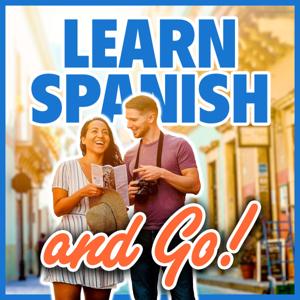
Do you want to learn Spanish and travel? Learn Spanish and travel the world with Jim and May from Spanish and Go.

Advance your listening comprehension through incredible…

Best of Learn Spanish and Go

Ranked by our users in the last 21 days
More shows like Learn Spanish and Go

Coffee Break Spanish by Coffee Break Languages

Coffee Break Spanish

5,170 Listeners

News in Slow Spanish Latino (Intermediate) by Linguistica 360

News in Slow Spanish Latino (Intermediate)

781 Listeners

Español con Juan by 1001 Reasons To Learn Spanish

Español con Juan

680 Listeners

Españolistos | Learn Spanish With Fun Conversations! by Españolistos | Learn Spanish With Fun Conversations!

Españolistos | Learn Spanish With Fun Conversations!

1,483 Listeners

No Hay Tos (Real Mexican Spanish) by Sonoro | Roberto Andrade & Héctor Libreros

No Hay Tos (Real Mexican Spanish)

663 Listeners

How to Spanish Podcast by How to Spanish Podcast

How to Spanish Podcast

453 Listeners

Intermediate Spanish Podcast - Español Intermedio by Spanish Language Coach

Intermediate Spanish Podcast - Español Intermedio

712 Listeners

Learn Spanish: Fluency in Real Life with Handyspanish by Handyspanish

Learn Spanish: Fluency in Real Life with Handyspanish

137 Listeners

Charlas Hispanas: Aprende Español | Learn Spanish by Charlas Hispanas

Charlas Hispanas: Aprende Español | Learn Spanish

154 Listeners

Simple Stories in Spanish by Small Town Spanish Teacher

Simple Stories in Spanish

1,290 Listeners

Easy Spanish: Learn Spanish with everyday conversations | Conversaciones del día a día para aprender español by Pau and the Easy Spanish team

Easy Spanish: Learn Spanish with everyday conversations | Conversaciones del día a día para aprender español

214 Listeners

Advanced Spanish Podcast - Español Avanzado by Spanish Language Coach

Advanced Spanish Podcast - Español Avanzado

209 Listeners

Spanish for False Beginners - Español para Falsos Principiantes by Spanish Language Coach

Spanish for False Beginners - Español para Falsos Principiantes

154 Listeners

Chill Spanish Listening Practice by Anthony Morey

Chill Spanish Listening Practice

168 Listeners

Dreaming Spanish Podcast – Chats in Beginner Spanish by Dreaming Spanish

Dreaming Spanish Podcast – Chats in Beginner Spanish

364 Listeners