
Sign up to save your podcasts
Or



force of many industries, constantly facing new challenges and opportunities.
To support their continuous growth and adaptability, we
introduce an innovative learning platform that seamlessly
integrates the benefits of both web and native applications, tailor-made for
the frontline
workforce.
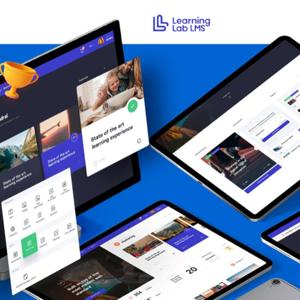
Our learning platform, The Learning Lab,
stands out with its dual-access approach, offering both a web-based
interface and a native application.
This hybrid model ensures that learning is not confined to a
single medium but is instead accessible in various formats, catering to diverse
user preferences and technical specifications.
Recognising the
dynamic and often mobile nature of frontline work, our platform places a strong
emphasis on mobile learning.
Video-based learning, encompassing
options like video quizzes, interactive videos, and video assessments, engages
learners more deeply by visually demonstrating concepts and skills in action.
This not only aids in better retention of information but also allows learners
to visualize real-life applications of their training.
Audio and video
discussions further enrich this experience by fostering a sense of
community and collaboration among learners, allowing them to share insights and
solve problems collectively.
The Learning Lab sets a new mobile benchmark
in educational technology as a white-label, no-code learning platform,
offering a fully customisable and brandable solution that stands out in its
versatility and ease of use.
Tailored to meet the specific needs and brand
identity of any frontline workers project’s needs,
this learning platform allows for complete personalisation, from aesthetics to
functionality, ensuring a seamless integration with the organisation's existing
digital ecosystem.
Our learning platform for frontline workers,
The Learning
Lab, is more than just an educational tool; it is a bridge
connecting them to the knowledge and skills necessary for success in today's
demanding work environments.
By harmonising the strengths of web and native applications, and
prioritizing mobile learning, we are setting a new standard for professional
development in the frontline workforce.
eLearning in the automotive industry continues to evolve with cutting-edge trends and innovations. Building upon the technological revolution that has transformed the e-learning landscape, automotive e-learning now boasts a more branded approach, offering a cohesive learning experience that aligns with the unique identities of automotive brands.
Gone are the days of paying for licenses to use applications or publish content; instead, individuals and organizations are now embracing the concept of building, designing, and branding their learning platforms akin to crafting a website.
From layout and aesthetics to functionality and branding, users are empowered to tailor learning platform like the Learning Lab to suit their unique needs and preferences.
In the automotive industry, the adoption of nano and microLearning methodologies has become increasingly imperative to meet the evolving needs of workforce training.
This necessity extends beyond frontline workers and mobile learning, encompassing all levels of education within the sector.
There's an unparalleled emotional and cognitive connection forged through hands-on experimentation that traditional methods often struggle to replicate.
Learners are actively engaged in activities throughout the courses, from physically manipulating virtual components to answering quizzes, participating in discussions, and navigating through realistic scenarios.
With complex systems and processes often best understood through
visual representation, video becomes indispensable in conveying crucial
information effectively.
One of the primary advantages lies in the versatility of video-based learning, offering a plethora of options tailored to various learning objectives. Interactive videos invite learners to actively engage with the content, whether through clickable hotspots, decision points, or immersive simulations, fostering a hands-on learning experience.
While eLearning platforms offer
unparalleled convenience and accessibility, they should not isolate learners
from vital social interactions. Incorporating peer-to-peer learning fosters
collaboration and knowledge sharing among professionals, facilitating the
exchange of insights, best practices, and real-world experiences.
Integrating social learning elements such as online discussions, webinars, and onsite sessions into eLearning initiatives enriches the educational experience, providing opportunities for networking, mentorship, and continuous skill development.
Mobile-first online applications offer frontline
workers unparalleled flexibility and accessibility, allowing them to engage
with training materials anytime, anywhere, directly from their smartphones or
tablets. This approach eliminates the constraints of traditional
classroom-based training, enabling employees to learn at their own pace and
convenience, even while on the job.
Publishing an online training program goes beyond mere dissemination of information; it is a branding exercise that shapes the perception of the organization and its commitment to excellence.
Collaborating with a team of experts is essential in crafting a training experience that not only educates but also embodies the brand's values and identity.
As these innovations continue to evolve and proliferate, the
automotive industry stands poised to reap the benefits of a more dynamic,
effective, and engaging approach to workforce training in 2024 and beyond.
Video-based learning caters to various learning styles, particularly visual and auditory learners, making the content more accessible and engaging. The use of visuals and audio aids in the retention of information, as it allows learners to see concepts in action. Videos can also break down complex information into digestible chunks, making learning less overwhelming.
Video-based learning offers flexibility, as learners can access content anytime and anywhere, fitting learning into their busy schedules. This convenience encourages continuous learning and skill development.
Moreover, videos can be paused, rewound, and revisited, enabling learners to learn at their own pace and review material as needed. The interactivity of video-based learning, through quizzes and interactive elements, further enhances engagement and knowledge retention. Additionally, videos can be updated easily to keep the training material current and relevant.
Lastly, video-based learning can be cost-effective for organizations, reducing the need for physical training materials and in-person sessions, thus saving time and resources. Overall, video-based learning is a versatile, efficient, and effective tool in the realm of online training.
Our Fully Customizable and Brandable Learning Management System" stands at the forefront of this evolution, offering a versatile platform that can be seamlessly adapted to reflect your organization's unique identity and training needs.
White Label LMS: Customizable LMS
The Learning Lab is an innovative web-based learning platform designed for building and hosting LMS, known for its user-friendly interface and visually appealing design templates.
It allows Creative Brands to design premium-looking LMS without needing coding or design expertise.
No-code LMS: Brand, Design, Craft, Manage
The Learning Lab LMS presents itself as a revolutionary No-Code Learning Platform, expertly crafted to empower educators and organizations to brand, design, craft, and manage online learning experiences with unparalleled ease and flexibility.
Innovative Authoring Tool
Our Solution has elevated the standard of online course creation and management through the integration of an advanced authoring tool, designed to provide extensive customisation options for both the learning content and the LMS & LXP interface itself.
The Learning Lab is before all your Learning Platform
At its core, the Learning Lab is more than just a Learning Management System; it is a foundation for you to design your own bespoke learning platform. This is not about merely adopting a pre-existing solution but about crafting an educational environment that is uniquely yours.
Branded white label mobile application
In addition to its robust online platform, the Learning Lab further extends its white label capabilities through a branded mobile application. This app allows organizations to offer a seamless, on-the-go learning experience under their own brand name. The mobile application mirrors the same level of customization and branding available on the Learning Lab's web platform.
The emerging trends in e-learning software training, offering insights into the next wave of tools, methodologies, and best practices that will redefine L&D.
Video-Based Learning
One of the most significant benefits is the use of screen recording, which allows learners to witness step-by-step processes in real-time, making complex tasks more digestible and easier to replicate.
Benefits of Instructor-Led
Direct interaction with an experienced instructor provides learners with the opportunity to ask real-time questions, clarifying doubts and misconceptions on the spot.
Activity-Based Learning
Activity-Based Learning in the context of software training is a transformative approach that emphasizes hands-on experiences and active engagement, moving away from passive, lecture-centric models.
Adopting Nano and Microlearning
By breaking down information into concise, targeted chunks, Nano and Microlearning modules offer learners digestible and focused content, perfect for grasping intricate software functionalities.
Social and Peer-to-Peer Learning
Leveraging the collective knowledge and diverse perspectives of a group, these approaches promote an environment of collaboration and mutual assistance.
Crafted Learning-Path
Personalized learning paths cater to individual needs and pace, accommodating diverse proficiency levels and learning styles.
Adopting Blended Learning
In software training, adopting a blended learning approach offers a harmonious balance between traditional and digital methodologies, capitalizing on the strengths of each.
Diving into the realm of retail training, the debate often emerges between cohort-based and self-paced learning approaches.
What is Cohort-based Learning
Cohort-based learning is an instructional strategy that groups learners together, allowing them to move through a course or curriculum at the same pace.
What is self-pace Learning?
Self-paced learning is an instructional approach that empowers learners to navigate through a course or curriculum at their own speed, without the constraints of a fixed schedule or pace set by an instructor.
LMS Features needed for the Cohort-based and self-pace Learning for Retail Training
For a seamless integration of cohort-based and self-paced learning in retail training, a robust LMS needs to possess a range of features tailored to these methodologies.
Chat and forum tools facilitate dynamic peer interactions, offering a space for learners to discuss concepts, ask questions, and share experiences.
Online workshops provide a structured environment for hands-on, collaborative activities that mimic real-world retail scenarios.
Virtual classrooms allow instructors to engage with cohorts in real-time, offering immediate feedback and fostering group discussions.
With learning-path features, trainers can design structured, sequential modules for self-paced learners, ensuring progressive skill acquisition.
An open course catalogue empowers learners to take control, allowing them to pick and choose modules based on their needs and interests.
Blended learning combines the best of digital and face-to-face instruction, offering flexibility and enhancing engagement.
Learning experience management ensures a personalised, adaptive learning journey, analysing individual progress and adjusting content accordingly.
Together, these LMS features create a holistic environment conducive to the unique demands of cohort-based and self-paced retail training.
E-Learning video stands as one of the most effective medium for disseminating knowledge, captivating minds, and driving results.
It merges the power of visual storytelling with pedagogical techniques, providing learners an immersive educational experience.
What is video-based Learning?
Video-based Learning is an instructional approach that incorporates visual content, primarily in the form of videos, to facilitate and enhance the learning experience.
Nano or Micro Video
The human attention span is finite, and in our rapidly-paced digital age, it's more crucial than ever to deliver concise, digestible content. Breaking a course into several shorter videos, each approximately 30 seconds long, can enhance comprehension and retention.
What is the various Video eLearning format?
Video assessments serve as a dynamic tool to gauge a learner's understanding and retention, allowing educators to visually present scenarios or problems and evaluate real-time responses.
Interactive video quizzes elevate engagement by transforming passive video consumption into an active learning experience.
Live videos facilitate real-time interaction between instructors and learners.
Adopt a Video First eLearning Platform
In an era dominated by visual media, the adoption of a "video-first" eLearning platform, such as the Learning Lab LMS, is paramount to ensuring effective and engaging educational experiences.
Video, as a medium, has the innate ability to convey complex concepts through relatable narratives, vivid demonstrations, and immersive visuals.
Whether it's to onboard new
employees, introduce software updates, or enhance technical
proficiency, eLearning software training has emerged as a
pivotal tool for companies and educational institutions alike.
Adopt Video-based Learningvideos allow for the presentation of complex topics in digestible formats, but they also cater to the preferences of digital natives who are accustomed to consuming content through visual mediums.
Screen Recording for Online Software TrainingVideo assessments eliminate the constraints of textual descriptions, ensuring that both the educator and the student witness and understand the process holistically.
Activity-based LearningABL ensures that learners actively engage with the software, cultivating a deeper understanding and proficiency.
Social Learning and Peer-to-PeerIn online software training, social learning and peer-to-peer interactions serve as catalysts for enriched understanding and skill acquisition.
Instructor-led Traininginstructor-led training ensures that the complexities of software are demystified, guiding learners towards mastery with the mentorship and guidance of an expert.
Simplify the Design
Avoid clutter. Use clean layouts, concise text, and meaningful visuals. Remember, what works on a desktop won’t necessarily work on a mobile device.
Optimize Media Elements
Given the limited screen real estate, images, animations, and videos should be used judiciously. Ensure they are optimized for mobile viewing, both in terms of size and resolution.
Embrace Microlearning and Nano Learning
Break your content into bite-sized modules or chunks. Each module should focus on a single, specific topic or learning objective.
Audio-Based Learning in Mobile Education
Audio lessons allow learners to absorb information without the need for visual engagement, making it ideal for commutes, walks, or even household chores.
Video-Based Learning in Mobile Education
Video-based content stands out as a dynamic and immersive medium. Tailored for the visual learner, video lessons combine auditory and visual stimuli to enhance understanding and retention.
Social Learning in Mobile Education
With features like discussion forums, chat groups, and collaborative tools seamlessly integrated into mobile learning apps, the line between individual study and collaborative learning is blurring, offering a more holistic and interconnected learning experience.
Opt for Adaptive Design
While 'responsive design' adjusts the course layout based on the device's size, 'adaptive design' tailors the content and functionalities to fit the device. This ensures the best possible user experience, irrespective of the device.
Crafting a captivating mobile-first eLearning course requires a deep understanding of the mobile learner's needs and preferences. By employing the strategies mentioned above, educators can create enriching learning experiences that resonate with today's mobile-centric audience.
The importance of instructor-led training can sometimes be overshadowed. Yet, for sectors like retail, which depend heavily on interpersonal interactions and hands-on experiences, ILT remains an irreplaceable component of effective training : workshop, assessment, discussion, virtual classroom, one to one chat, blended learning and much more.
Real-Time Feedback and Adaptation
One of the primary advantages of ILT is the immediacy of feedback. Retail employees can ask questions, seek clarifications, and get answers on-the-spot, allowing them to correct mistakes and build confidence in real-time.
Personalized Learning
While digital courses might provide a one-size-fits-all solution, instructor-led training can be tailored to the individual. Retail staff come from varied backgrounds and possess different learning curves.
Integrating Video-Based Learning
When integrated into ILT, videos can serve as supplemental resources, allowing instructors to focus on interactive discussions, real-time feedback, and hands-on activities during live sessions.
The Symbiosis of Social and Peer-to-Peer Learning with Instructor-Led Training
In the context of Instructor-Led Training, social and peer-to-peer learning bring added dimensions of collaboration and shared understanding.
Interactive Learning Experience
Interaction is at the core of ILT. Engaging in group discussions, participating in workshops, and sharing personal experiences can make the learning process dynamic and memorable.
Immediate Addressal of Concerns
If a retail employee is struggling with a particular concept or tool, waiting for a digital module's completion might deter them from seeking help. With ILT, they can voice their concerns right away, ensuring that no one is left behind.
Choosing the Right LMS or LXP
The right LMS or LXP ensures seamless content delivery, tracks learner progress, fosters engagement, and adapts to evolving educational demands. The Learning Lab LMS, becomes the bedrock for sustainable, scalable, and impactful digital learning.
From the publisher's feed