
Sign up to save your podcasts
Or



Design engaging SCORM for Retail Training
SCORM is a widely accepted standard for creating web-based educational content. It ensures that learning materials are accessible and compatible across various Learning Management Systems.
Adopt scenario-based Learning
Scenario-based learning brings real-world retail challenges into the training sphere, equipping employees to handle practical situations with confidence.
SCORM personalisation for retail Training
Imagine starting a course where an avatar, tailored to your liking, guides you through the content.
Engage with Multimedia
Given that retail often entails practical skills, employ a mix of text, images, videos, and interactive elements.
Create Interactive Elements
SCORM supports interactivity, which can be used to engage learners and gauge their understanding.
Activity-based Learning
Enhance your SCORM design for retail training by integrating Activity-based Learning. By doing so, learners can actively participate in realistic retail scenarios, making training both interactive and impactful.
Nano and Microlearning
Divide the content into manageable modules or "chunks" adopting Nano or Microlearning.
Adopted Mobile Learning
Retail employees might access training content on different devices, from desktop computers in back offices to tablets on the shop floor.
Blend SCORM and Authoring Tool Content
Blending media types and integrating SCORM files with content design via an Authoring Tool is crucial in contemporary eLearning strategies.
By following the steps above, you'll be well on your way to creating a training program that equips your retail employees with the skills they need to succeed.
Online language learning has evolved remarkably, mirroring the rapid technological advancements and the ever-changing needs of modern learners.
Video and Audio Based Learning: a cornerstone for Online Language Training
Through videos, learners are exposed to native speakers in various authentic contexts, from daily life scenarios to professional settings, enriching their understanding of both language and culture.
As technology advances and the demand for online education continues to grow, video and audio mediums will undeniably remain pivotal in delivering effective and engaging language training experiences.
Blended Learning for Language Training
Blended Learning, caters to a diverse array of learning styles, allowing students to navigate both face-to-face interactions and online resources, thereby ensuring a holistic learning experience.
Activity-based Learning for Language Training
Activity-based Learning emphasizes learning through doing, where learners actively participate in tasks, games, or projects that simulate real-world scenarios.
Social and Peer to Peer Learning for Online Language Learning
These methods prioritize interaction, collaboration, and community. By facilitating conversations between learners, themselves or with native speakers, they offer real-time practice and authentic exposure, accelerating fluency and cultural comprehension.
Benefits of Audio and Video Assessment for Online Language Learning
The integration of audio and video assessment in online language learning offers a transformative approach to gauging a learner's proficiency.
Adopt Nano and Microlearning for Online Language Learning
Nano and microlearning are reshaping the landscape of online language learning by catering to the modern learner's need for flexibility and bite-sized content.
Innovations such as video quizzes, interactive videos, and customized authoring tools are revolutionizing the learning landscape. These advancements offer learners a richer, more engaging experience, moving beyond traditional text-based content to create immersive and interactive learning journeys.
Adopt Interactive video for retail training
Interactive video has emerged as a pivotal tool for retail training, offering a blend of visual demonstration and hands-on experience. Such videos immerse trainees in real-world scenarios, enabling them to navigate and make decisions within the video itself.
Benefits of video quiz for retail training
Video quizzes present a transformative approach to retail training by integrating visual content with immediate knowledge assessment. For retail employees, this means a more engaging learning experience where concepts related to customer service, product information, or store protocols are not just passively watched but actively recalled.
Interactive Flash cards for retail training
In a Learning Management System (LMS), flash cards serve as digital study aids that facilitate active recall of information. They typically display a question, term, or concept on one side, with the corresponding answer or explanation on the reverse. Users can interact with these cards virtually, flipping them to test their memory and understanding of the content.
Playful hotspots for Online Retail Training
In a Learning Management System (LMS), hotspots refer to clickable areas within an image or a graphical representation. When a user clicks on these designated zones, they can reveal hidden information, redirect to additional resources, or trigger specific actions like animations and pop-ups. Hotspots enhance interactive learning by turning static visuals into dynamic, informative elements.
Powerful Authoring tool to unleash your creativity
A robust authoring tool is indispensable for any LMS aiming to deliver high-quality e-learning experiences. As the bedrock of course creation, it empowers educators to design custom activities and interactive elements tailored to their learners' needs. In the ever-evolving landscape of e-learning, where attention spans are fleeting and the demand for engaging content is paramount, these tailored interactivities are vital.
Activity-Based Learning emphasizes hands-on experiences and real-world scenarios to impart knowledge and skills. For the retail sector, this means moving away from mere theoretical knowledge and diving into the practicalities of customer service, inventory management, visual merchandising, and more.
Real-world Simulation
Trainees might set up mock store environments, role-play as customers and sales associates, or manage simulated inventory challenges, giving them a taste of the real challenges they might face.
Collaboration
ABL often involves team tasks, which mirrors the collaborative nature of retail where cross-functional teamwork between sales, inventory, logistics, and marketing departments is crucial.
Problem-solving and Critical Thinking
By presenting trainees with authentic retail challenges – such as unsatisfied customers, stockouts, or visual display decisions – they learn to think on their feet and devise innovative solutions.
Enhanced Engagement
ABL is inherently interactive. Engaged learners are more likely to retain information, ask questions, and actively participate, ensuring they're well-equipped for the shop floor or managerial roles.
Enhanced Problem-Solving Abilities
By exposing employees to various scenarios through activities, they become adept at thinking on their feet and devising solutions to unforeseen challenges.
Activity-based learning offers a holistic and practical approach to retail training. By focusing on hands-on tasks and real-world simulations, retail employees are better prepared to face the challenges of their job and provide superior service to customers.
A Learning Experience Platform (LXP) is designed to provide a more learner-centric experience, allowing individuals to take control of their own learning journey.
Content Aggregation
Through chat features or forums, learners can share articles, links, documents, and more, fostering discussions enriched by external insights and diverse perspectives.
Personalized Learning Paths
Tailored to each learner's profile, preferences, and requirements, LXPs can deliver individualized learning suggestions, directing learners to content most pertinent to them.
Collaborative Boards
An interactive and collaborative platform accessible to students provides a digital arena for brainstorming sessions and the creation of instructional materials.
Social and Peer to Peer Learning
Many LXPs champion the ethos of collaborative learning, providing avenues for users to distribute, offer feedback on, and engage in discussions surrounding content with their fellow learners.
Content Creation Tools, Authoring Tool
An LXP serves not just as a platform for learning, but also as an innovative instrument enabling the creation of pedagogical content that's both branded and aesthetically captivating.
Microlearning Support
LXPs often support bite-sized learning pieces, allowing learners to consume information in small, manageable chunks.
Blended Learning
An LXP recognizes the enduring value of face-to-face interactions, thus accommodating blended learning approaches.
AI and Machine Learning
Advanced LXPs utilize AI to enhance personalization, content recommendation, and to analyse learner behaviours and patterns.
Skills and Competency Mapping
LXPs can map content to specific skills or competencies, helping organizations align learning with business goals.
Analytics and Reporting
Most LXPs provide detailed analytics about learner engagement, progress, and performance.
Multimedia Support
LXPs are renowned for their adaptability to diverse multimedia formats, seamlessly integrating video, audio, interactive content, and much more to cater to varied learning preferences.
LXPs are increasingly becoming crucial tools in the modern learning ecosystem, especially as organizations recognize the value of continuous, self-directed learning.
As retail businesses work tirelessly to equip their workforce with the tools to meet modern-day challenges, eLearning trends play a crucial role in redefining and reshaping training initiatives.
Blended Learning
Blended learning stands as a formidable asset in the realm of retail training, deftly interweaving the strengths of online and on-site training to offer a comprehensive learning experience.
Online retail training and Artificial Intelligence
AI stands as a powerful ally in enhancing copywriting endeavours, thereby significantly elevating the user experience onsite. This advanced technology provides copywriters with invaluable insights to craft content.
Social Learning and peer to peer learning in retail training
These collaborative learning methodologies harness the collective wisdom of the workforce, fostering an environment where employees learn from real-world experiences and insights shared by their colleagues.
Adopt Audio and video-based learning for your retail training
These multimedia elements cater to diverse learning preferences, ensuring that visual learners grasp concepts through illustrative visuals, while auditory learners benefit from nuanced, vocal explanations.
Activity-based learning for online retail training
Activity-based learning is an educational approach that transcends traditional lecture-based instruction by involving learners in hands-on tasks and activities.
Importance of Branding and design for your online retail training.
Branding and design play an instrumental role in shaping the efficacy and appeal of online retail training programs.
Benefits of Microlearning and Nano Learning in online retail training
Microlearning and Nano Learning, as compact educational frameworks, are becoming game-changers in online retail training.
Creative and fully customised Learning Management System
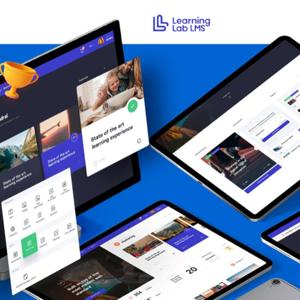
Selecting a robust and fully customisable Learning Management System such as the Learning Lab LMS, is pivotal in the realm of online retail training.
Adopt Blended Learning
Blended learning facilitates a deeper understanding by allowing employees to learn at their own pace, revisiting materials as needed, and encouraging proactive learning through interactive online resources.
Benefits of Video Based Learning
Video-based learning stands as a pillar in the contemporary retail training program, greatly enhancing the scope and efficacy of eLearning courses.
Beyond video quizzes, interactive videos or videos assessment, the power of video in eLearning courses lies in its ability to convey complex information in a visually rich and engaging manner.
Advantages of Activities based Learning
Adopting activity-based learning is paramount in nurturing a proficient workforce in the online retail industry. This approach urges learners to be proactive with the course, fostering a deeper engagement and connection with the educational material.
Adopt a Creative Authoring Tool
In the hyper-competitive landscape of the retail industry, the creation of online courses demands an authoring tool that is both powerful and versatile, facilitating a learning experience that accurately reflects the brand's ethos and visual identity.
Brand Matter, Design premium content
When developing e-learning courses for the retail industry, meticulous attention to branding and a commitment to premium design are not just additional luxuries but essential prerequisites for success.
Social Learning and Peer to Peer Learning
Social learning capitalizes on the dynamics of group interactions, discussion forums, and community feedback, thus encouraging learners to explore different perspectives and understand complex concepts through shared experiences. Meanwhile, peer-to-peer learning encourages a deeper understanding by allowing individuals to teach and learn from each other, fostering a sense of responsibility.
Brands Matter in Automotive Industry
When learners engage with a course, the familiar fonts, colors, videos, audio cues, music, buttons, and images not only enhance their user experience but also foster trust and credibility.
Design clear and premium content for Automotive Industry
Design in the context of eLearning transcends aesthetic appeal; it stands as a vital tool in bolstering the clarity of information and fostering an engaging pedagogical process.
Add multimedia content in Automotive Industry
The integration of various formats such as videos, podcasts, interactive diagrams, and animations invites learners to engage with the content from different perspectives, enriching their understanding and retention of the information.
Adopt Video-based Learning for Automotive Industry
Leveraging the dynamism of videos allows for a rich crafting and animation of content, transforming static information into vibrant, kinetic narratives that hold the power to engage learners deeply.
Social and Peer to Peer Learning in Automotive Industry
Professionals in the industry can benefit immensely from engaging in discussions, brainstorming sessions, and collaborative projects, leveraging the collective intelligence and diverse skill sets of a community. Furthermore, peer-to-peer learning can facilitate real-time feedback and constructive criticism.
Create activities in Automotive Industry
Activity-based learning goes a step beyond traditional learning methodologies, encouraging learners to interact actively with the content, thus fostering a deeper understanding and retention of the teachings.
Do not hesitate to contact us for any questions.
The automotive industry is one of the largest and most customer-oriented industries in the world. This is where a Learning Management System can play a crucial role in streamlining and enhancing training programs.
Fully customisable eLearning platform
From the layout and structure of courses to the content and catalogue presentation, from the selection of images that resonate with the learner to the fonts and colors that evoke engagement, the platform should empower administrators to craft an immersive and distinctive learning environment.
Adopt Video-Based Learning
Video-based learning has proven to be an effective and engaging way to deliver training content. With an LMS, automotive companies can incorporate video assessments, video quizzes, interactive videos, 3D animation and much more allowing employees to deepen their knowledge retention and reinforce concepts through action.
Powerful Innovative Authoring Tool for Creative People
Utilizing a powerful and innovative authoring tool is paramount for individuals with a creative flair. Such a tool empowers creators to design, animate, craft, and bring their ideas to life without the constraints of coding, thereby unleashing their full creative potential.
Peer-to-Peer Learning and Social Learning
Another important aspect of learning in the automotive industry is peer-to-peer learning. An LMS can facilitate collaboration and knowledge-sharing among employees, creating a sense of community and fostering a culture of continuous learning.
LMS for innovative Teaching
Challenging the conventional training methodology by incorporating multimedia content, video and audio materials, animated graphs and illustrations, video assessments, creative quizzes, and premium branded content is imperative in today's educational landscape.
The Learning Lab LMS an Innovative solution for creative People
The Learning Lab LMS can streamline training processes, enhance engagement, and ensure to design beautiful, memorable, and engaging eLearning content.
The Learning Lab LMS is the right Creative Platform for your automotive training needs and drive your company towards success.
For modern business, effective sales training has become a cornerstone for organizations striving to stay competitive and achieve growth.
Video-based Learning for Sales Training
Video-based learning has emerged as a transformative approach in the realm of sales training, revolutionizing the way knowledge and skills are imparted to sales professionals.
Through the power of visual storytelling, video-based learning captures attention, engages emotions, and enhances information retention. In the context of sales training, this method offers a dynamic platform to demonstrate real-world scenarios, showcase effective communication techniques, and provide in-depth product insights.
Benefits of Social Learning and Peer to Peer Learning Sales Training
Through open forums, discussion boards, and group activities, sales professionals can engage in meaningful conversations, exchange best practices, and learn from each other's real-world successes and challenges.
This leads to enhanced problem-solving skills, adaptability to dynamic market conditions, and a stronger sense of unity within the sales force. Ultimately, the benefits of these approaches ripple through the organization, resulting in more agile, informed, and effective sales teams capable of driving substantial business growth.
Adopt Blending Learning for Sales Training
Embracing the dynamic landscape of modern education, adopting a blended learning approach for sales training presents an innovative and holistic solution.
This strategy seamlessly integrates the best of both worlds: the flexibility of online resources and the engagement of in-person interactions.
Blending learning for sales training offers a practical way to bridge geographical constraints, ensuring consistent knowledge dissemination across dispersed teams.
Fully customisable LMS Sales Training
Our Learning Management System (LMS) stands as a testament to adaptability and creative freedom, offering an unparalleled level of customization. From fonts to colours, and even layout design, our LMS empowers users with the ability to shape every element of their learning environment to align with their unique brand identity and training objectives.
From the publisher's feed