
Sign up to save your podcasts
Or

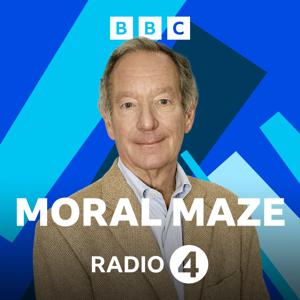

Going to a music festival has become a rite of passage for the post GCSE teenager. Their excitement at the prospect of a long weekend of unsupervised possibility is perhaps only matched by the anxiety of their parents who know exactly what that might entail. Those fears may have been heightened by the news that a music festival in Cambridgeshire has just become the first UK event of its kind to offer people the chance to have their illegal drugs tested to establish the purity of content before they take them. The testing facility, at the Secret Garden Party, was offered with the co-operation of the police. The organisers said the aim was to reduce harm from drug taking and promote welfare. The group conducting the forensic tests this weekend hope other festivals will follow suit. Is this a pragmatic and realistic approach to drug taking that will save lives or a tacit endorsement that will cost them? Is it part of a gradual slide toward decriminalisation of drug taking? According to the 2016 European Drug Report, ecstasy has surged in popularity in Britain among those aged 15-34 in the past three years. Is it logical on the one hand to criminalise the sale of legal highs, but on the other to make it easier to take an illegal drug like ecstasy? Needle exchanges have long been available to registered intravenous drug addicts. Is this a logical extension or does discovering people have illegal drugs and then allowing them to walk away and use them, while the police turn a blind eye, cross a moral Rubicon? It will make it safer for people who want to take drugs, but what about those people who want to attend a festival knowing it is drug free? How should we balance those competing moral goods? Witnesses are Dr Ian Oliver, Johann Hari, Steve Rolles and Deirdre Boyd.
 View all episodes
 By BBC Radio 4

4.6
5151 ratings
Going to a music festival has become a rite of passage for the post GCSE teenager. Their excitement at the prospect of a long weekend of unsupervised possibility is perhaps only matched by the anxiety of their parents who know exactly what that might entail. Those fears may have been heightened by the news that a music festival in Cambridgeshire has just become the first UK event of its kind to offer people the chance to have their illegal drugs tested to establish the purity of content before they take them. The testing facility, at the Secret Garden Party, was offered with the co-operation of the police. The organisers said the aim was to reduce harm from drug taking and promote welfare. The group conducting the forensic tests this weekend hope other festivals will follow suit. Is this a pragmatic and realistic approach to drug taking that will save lives or a tacit endorsement that will cost them? Is it part of a gradual slide toward decriminalisation of drug taking? According to the 2016 European Drug Report, ecstasy has surged in popularity in Britain among those aged 15-34 in the past three years. Is it logical on the one hand to criminalise the sale of legal highs, but on the other to make it easier to take an illegal drug like ecstasy? Needle exchanges have long been available to registered intravenous drug addicts. Is this a logical extension or does discovering people have illegal drugs and then allowing them to walk away and use them, while the police turn a blind eye, cross a moral Rubicon? It will make it safer for people who want to take drugs, but what about those people who want to attend a festival knowing it is drug free? How should we balance those competing moral goods? Witnesses are Dr Ian Oliver, Johann Hari, Steve Rolles and Deirdre Boyd.

7,913 Listeners
863 Listeners

1,067 Listeners
159 Listeners

5,576 Listeners

1,808 Listeners

1,729 Listeners

1,018 Listeners
2,113 Listeners
1,952 Listeners
32 Listeners
38 Listeners

428 Listeners
159 Listeners
43 Listeners
75 Listeners
108 Listeners
745 Listeners

3,245 Listeners
779 Listeners
1,010 Listeners
3,858 Listeners

1,314 Listeners
851 Listeners
48 Listeners