
Sign up to save your podcasts
Or

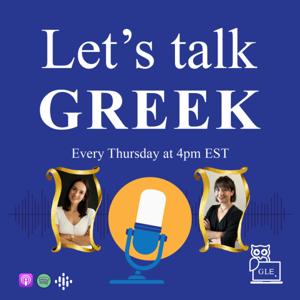


In today's episode you will learn how to use the time when speaking in Greek. Emily and Danae will first engage in a conversation talking about their busy day and then will give you some more clarity on how we use morning, afternoon, evening and night.
E: Είμαι πολύ κουρασμένη σήμερα. Έχω ξυπνήσει από τις 6:00 το πρωί και δεν έκατσα καθόλου. / I'm very tired today. I woke up at 6:00 in the morning and haven’t rested at all.
D: Γιατί ξύπνησες τόσο νωρίς; / Why did you wake up so early?
Ε: Έπρεπε να ξεκινήσω νωρίτερα για την δουλειά και αντί για 8:00 που φεύγω συνήθως, έφυγα στις 7:00 το πρωί. / I had to start work earlier, and instead of leaving at 8:00 as usual, I left at 7:00 in the morning.
D: Αφού ξεκίνησες νωρίτερα, ελπίζω να γύρισες και νωρίτερα. / Since you started earlier, I hope you got home earlier too.
Ε: Δυστυχώς όχι, γύρισα στο σπίτι στις 6:30 το απόγευμα. / Unfortunately not, I got home at 6:30 in the evening.
D: Πολλές ώρες! Πρόλαβες να φας μεσημεριανό; / That’s a long day! Did you have time for lunch?
Ε: Ευτυχώς έκανα διάλειμμα και έφαγα γύρω στις 2:00 το μεσημέρι. Αλλά πάλι πεινάω και δεν έχω ετοιμάσει ακόμα το βραδινό μου. / Luckily, I took a break and ate around 2:00 in the afternoon. But I’m hungry again, and I haven’t prepared dinner yet.
D: Γιατί δεν φτιάχνεις κάτι γρήγορο να φας; / Why don’t you make something quick to eat?
Ε: Γιατί πρέπει πρώτα να τελειώσω με κάποιες άλλες δουλειές για να μην τις κάνω μέχρι αργά το βράδυ. / Because I have to finish some other tasks first so I don’t end up doing them late at night.
D: Κατάλαβα. Κοίτα, τώρα είναι ήδη 8:30 το βράδυ και εάν δεν φας πρώτα, μάλλον θα φας το βραδινό σου τα μεσάνυχτα. / I see. Look, it’s already 8:30 in the evening, and if you don’t eat first, you’ll probably end up having dinner at midnight.
Ε: Ναι, αλλά αν μαγειρέψω και φάω τώρα, τις δουλειές μου σίγουρα θα τις κάνω στις 2:00 τα ξημερώματα! / Yes, but if I cook and eat now, I’ll be doing my tasks at 2:00 in the morning!
D: Έχεις δίκιο. Φτιάξε κάτι γρήγορο τώρα για να τελειώσεις πριν πάει 10:00 το βράδυ και να προλάβεις να φας λίγο νωρίτερα. Τι λες; / You’re right. Make something quick now so you can finish before 10:00 and eat a bit earlier. What do you think?
Ε: Αυτό θα κάνω! Εσύ τι ώρα θα πας για ύπνο; / That’s what I’ll do! What time are you going to bed?
D: Ευτυχώς σήμερα έχω τελειώσει με όλες μου τις υποχρεώσεις από νωρίς και θα κοιμηθώ γύρω στις 10:30 με 11:00 το βράδυ. / Fortunately, I finished all my tasks early today, so I’ll sleep around 10:30 or 11:00 at night.
Ε: Τυχερή! Άντε σε κλείνω για να ξεκινήσω. / Lucky you! Alright, I’ll let you go so I can start.
D: Ναι, ναι! Καλό βράδυ! / Yes, yes! Have a good night!
Ε: Καληνύχτα! Θα τα πούμε αύριο! / Goodnight! Talk to you tomorrow!
Check out our Instagram @greek_lang_experts or visit our website for our upcoming Greek classes!
This summer learn Greek while enjoying your vacation! Fill out the Interest Form and learn more about our fun retreat in Nafpaktos, Greece.
If you enjoyed this episode please rate our podcast and leave a comment!
In today's episode you will learn how to introduce yourself in Greek. Emily and Danae will first engage in a conversation talking about themselves and then will give you some more ways to introduce yourself, when meeting someone for the first time
E: Γεια σου, είμαι η Έμιλυ. Εσένα πώς σε λένε; / Hi, I’m Emily. What’s your name?
D: Το όνομά μου είναι Δανάη Σιάυλου. Ποιο είναι το επίθετό σου; / My name is Danae Sialou. What’s your last name?
E: Το επίθετό μου είναι Ιντζεκώστα. Τι δουλειά κάνεις; / My last name is Injekosta. What do you do for a living?
D: Είμαι δασκάλα ελληνικών. Εσύ; / I’m a Greek language teacher. And you?
E: Κι εγώ είμαι δασκάλα ελληνικών. Πόσα χρόνια διδάσκεις ελληνικά; / I’m also a Greek language teacher. How many years have you been teaching Greek?
D: Διδάσκω ελληνικά ως ξένη γλώσσα 4 χρόνια, στο Greek Language Experts. Εσύ; / I’ve been teaching Greek as a foreign language for four years at Greek Language Experts. And you?
E: Εγώ είμαι δασκάλα ελληνικών 8 χρόνια και τα τελευταία 4 διδάσκω κι εγώ στο Greek Language Experts. Από πού είσαι; / I’ve been a Greek teacher for eight years, and for the last four, I’ve also been teaching at Greek Language Experts. Where are you from?
D: Είμαι από την Ελλάδα. Γεννήθηκα και μεγάλωσα στην Θεσσαλονίκη, αλλά τα τελευταία χρόνια μένω στο Σικάγο. Εσύ, από πού κατάγεσαι; / I’m from Greece. I was born and raised in Thessaloniki, but in recent years, I’ve been living in Chicago. Where are you from?
E: Κατάγομαι από την Ελλάδα και συγκεκριμένα κι εγώ από τη Θεσσαλονίκη. Πριν λίγα χρόνια όμως, μετακόμισα στην Αμερική, στη Νέα Υόρκη. Πόσα χρόνια μένεις στο Σικάγο; / ’m from Greece, specifically from Thessaloniki as well. However, a few years ago, I moved to the U.S., to New York. How long have you been living in Chicago?
D: Μένω στο Σικάγο 4 χρόνια. Εσύ από πότε είσαι στη Νέα Υόρκη; / I’ve been living in Chicago for four years. How long have you been in New York?
E: Είμαι από το 2018. Τι σου αρέσει πιο πολύ στη διδασκαλία των ελληνικών ως ξένη γλώσσα; / Since 2018. What do you like most about teaching Greek as a foreign language?
D: Μου αρέσει που προσφέρω και μοιράζομαι τις γνώσεις μου για τη γλώσσα με ανθρώπους που θέλουν να μάθουν. / I love that I can share my knowledge of the language with people who want to learn.
E: Συμφωνώ μαζί σου εκατό τοις εκατό. Αυτό μου αρέσει κι εμένα στο επάγγελμά μας, ότι βοηθάμε άλλους ανθρώπους να ανακαλύπτουν τον κόσμο, ό,τι επίπεδο και να έχουν στα ελληνικά. Αλλά βοηθάμε και άλλους να έρθουν σε επαφή με τις ρίζες και την οικογένειά τους. / I agree with you a hundred percent! That’s what I love about our profession too—that we help people discover the world, no matter their level in Greek. We also help others connect with their roots and family.
D: Έτσι είναι! Έχω κι εγώ πολλούς μαθητές που έχουν παππούδες ή γονείς Έλληνες και θέλουν να μάθουν τη γλώσσα καλύτερα και να έρθουν πιο κοντά τους! / That’s so true! I have many students with Greek grandparents or parents who want to learn the language better to get closer to them!
E: Και αυτό είναι πανέμορφο! Γι’ αυτό αγαπάω τη δουλειά μας! / And that’s beautiful! That’s why I love our job!
D: Ακριβώς! Είναι υπέροχο! Αχ! Χάρηκα πολύ που σε γνώρισα! / Exactly! It’s amazing! Ah! It was great meeting you!
Ε: Παρομοίως! Χάρηκα πολύ για την γνωριμία! / Likewise! It was a pleasure getting to know you!
Check out our Instagram @greek_lang_experts or visit our website for our upcoming Greek classes!
This summer learn Greek while enjoying your vacation! Fill out the Interest Form and learn more about our fun retreat in Nafpaktos, Greece.
If you enjoyed this episode please rate our podcast and leave a comment!
In today's episode you will learn about our Greek Language retreat in Nafpaktos, Greece. Emily and Danae will first engage in a conversation talking about their summer plans and then will give you some more information about this retreat and how to attend.
E: Δανάη! Το καλοκαίρι πλησιάζει και δεν έχουμε κανονίσει τίποτα ακόμα! Εσύ τι θα κάνεις φέτος το καλοκαίρι; / Danae! Summer is approaching, and we haven’t planned anything yet! What are you doing this summer?
D: Εγώ θα πάω στην Ελλάδα. Έχω κλείσει να πάω στη Ναύπακτο σε μία επταήμερη εκδρομή για την Ελληνική γλώσσα. / I’m going to Greece. I’ve booked a seven-day trip to Nafpaktos for a Greek language program.
E: Αυτό ακούγεται τέλειο! Η Ναύπακτος όμως πού είναι; / That sounds amazing! But where is Nafpaktos?
D: Η Ναύπακτος είναι μία παραθαλάσσια πόλη μόλις 2,5 ώρες από την Αθήνα. Είναι ένα πολύ όμορφο και ιστορικό μέρος. / Nafpaktos is a seaside town just 2.5 hours from Athens. It’s a very beautiful and historic place.
E: Πωπω! Δίπλα στη θάλασσα! Και τι θα κάνεις εκεί; / Wow! Right by the sea! And what will you do there?
D: Πάρα πολλά πράγματα! Αρχικά, θα εξασκήσω τα ελληνικά μου ακόμα περισσότερο γιατί θα κάνουμε συνολικά 15 ώρες μαθήματα ελληνικών! Επιπλέον, θα κάνουμε και σεμινάρια ιστορίας, πολιτισμού, γαστρονομίας και μυθολογίας! / So many things! First of all, I’ll improve my Greek even more because we’ll have a total of 15 hours of Greek lessons! Additionally, we’ll have seminars on history, culture, gastronomy, and mythology!
E: Τέλειο! Εγώ όμως που δεν είμαι σε πολύ προχωρημένο επίπεδο στα ελληνικά, θα μπορώ να παρακολουθήσω τα μαθήματα; / Awesome! But since I’m not at a very advanced level in Greek, will I be able to follow the lessons?
D: Εννοείται! Υπάρχουν μαθήματα για όλα τα επίπεδα. / Of course! There are classes for all levels.
E: Τέλεια! Θα κάνετε κι άλλες δραστηριότητες εκτός από τα μαθήματα και τα σεμινάρια; / Great! Will you be doing other activities besides the lessons and seminars?
D: Θα πηγαίνουμε για μπάνιο στη θάλασσα, και εκδρομές σε άλλα κοντινά μέρη, όπως η Λευκάδα! / We’ll go swimming in the sea and take trips to other nearby places, like Lefkada!
E: Εντάξει! Τώρα θέλω κι εγώ να έρθω. Προλαβαίνω να κλείσω; / Okay! Now I want to come too. Do I still have time to book?
D: Εννοείται πως προλαβαίνεις! Η εκδρομή θα γίνει τον Ιούλιο και τον Αύγουστο. / Of course, you do! The trip is happening in July and August.
E: Ο Αύγουστος με βολεύει, εσύ πότε θα πας; / August works best for me. When are you going?
D: Κι εγώ για Αύγουστο έκλεισα! / I’ve booked for August too!
E: Τι ωραία! Θα είμαστε μαζί! Να σε ρωτήσω και κάτι ακόμα. Εσύ το παιδί σου πού θα το αφήσεις; / That’s great! We’ll be together! One more thing—where will you leave your child?
D: Θα την πάρω μαζί μου φυσικά! Θα έρθει και ο άντρας μου μαζί. / I’ll bring her with me, of course! My husband is coming too.
E: Ε τότε κανένα πρόβλημα. Θα πάρω κι εγώ τα παιδιά μου μαζί. / Then there’s no problem. I’ll bring my kids along too.
D: Τέλεια! Άντε μπες να συμπληρώσεις τη φόρμα ενδιαφέροντος! / Perfect! Go ahead and fill out the interest form!
E: Θα τη συμπληρώσω αμέσως! / I’ll fill it out right away!
Check out our Instagram @greek_lang_experts or visit our website for our upcomingGreek classes!
This summer learn Greek while enjoying your vacation! Fill out the Interest Form and learn more about our fun retreat in Nafpaktos, Greece.
If you enjoyed this episode please rate our podcast and leave a comment!
In today's episode you will learn about the Greek carnival season and Clean Monday! Emily and Danae will first engage in a conversation organising Tsiknopempti's grill and then will explain various traditions regarding the period before the Lent.
E: Εμ Δανάη, πλησιάζουν οι Απόκριες και πρέπει να οργανωθούμε! Τι λες να κάνουμε την Τσικνοπέμπτη; / Well, Danai, Carnival is approaching and we need to get organised! What do you think we should do on Tsiknopempti?
D: Σκεφτόμουν, όπως κάθε χρόνο, να μαζευτούμε σπίτι και να ψήσουμε στην αυλή. Θα πάρω τα κρέατα από την Τετάρτη και θα μπορούμε να στήσουμε την ψησταριά από νωρίς. / I was thinking, like every year, we should gather at my place and grill in the yard. I’ll get the meat on Wednesday so we can set up the barbecue early.
E: Τέλεια! Εγώ θα φέρω τα ποτά τότε. Ρετσίνα, κρασί και κανένα αναψυκτικό. Α! Θα φέρω και τις πίτες. Πόσοι πιστεύεις θα είμαστε; / Perfect! I’ll bring the drinks then. Retsina, wine, and some soft drinks. Oh! I’ll also bring the pies. How many do you think we’ll be?
D: Ωραία! Λογικά θα είμαστε γύρω στα 10-15 άτομα. / Nice! We’ll probably be around 10-15 people.
E: Ο Κώστας θα ψήσει και στο μαγαζί; / Will Kostas be grilling at the shop too?
D: Εννοείται! Έχουν κανονίσει με τα άλλα μαγαζιά της γειτονιάς και θα στήσουν μία μεγάλη ψησταριά όλοι μαζί. Θα έχουν και Dj, οπότε θα κρατήσουν το πάρτυ όλο το βράδυ. / Of course! They’ve arranged with the other shops in the neighborhood, and they’ll set up a big barbecue together. They’ll also have a DJ, so the party will go all night
E: Τέλεια, οπότε αφού φάμε στο σπίτι σου, μπορούμε να κατέβουμε στο κέντρο για το πάρτυ. / Great, so after we eat at your place, we can head down to the center for the party.
D: Ωραία ιδέα! Τι λες να ντυθείς φέτος; / Great idea! What do you think you’ll dress up as this year?
E: Σκεφτόμουν να ντυθώ πιλότος. Εσύ; / I was thinking of dressing up as a pilot. What about you?
D: Φέτος λέω να ντυθώ μέλισσα. Έχεις κανονίσει τίποτα για Καθαρά Δευτέρα; / This year, I think I’ll go as a bee. Have you planned anything for Clean Monday?
E: Θα πάμε στο βουνό με την οικογένειά μου για πικ νικ. Θα φτιάξω ταραμοσαλάτα και ντολμαδάκια. Θα πάρω και λαγάνα, ελιές και ίσως κανένα ψάρι ή θαλασσινά. Θες να έρθεις μαζί μας; / We’re going to the mountain with my family for a picnic. I’ll make taramosalata and dolmades. I’ll bring lagana bread, olives, and maybe some fish or seafood. Do you want to join us?
D: Ναι, θέλω! Θα φέρω τον χαρταετό και θα φτιάξω μελιτζανοσαλάτα. Πώς σου φαίνεται; / Yes, I’d love to! I’ll bring the kite and make eggplant salad. How does that sound?
E: Τέλειο. Την ξέχασα την μελιτζανοσαλάτα. Επομένως κανονίστηκε. Τσικνοπέμπτη θα τσικνίσουμε σπίτι σου και Καθαρά Δευτέρα στο Σέιχ Σου. / Perfect. I totally forgot about the eggplant salad. So, it’s settled. On Tsiknopempti, we’ll grill at your place, and on Clean Monday, we’ll be at Seih Sou.
D: Ωραία. Άντε και Καλά Κούλουμα! / Nice. Well, Happy Carnival and Happy Clean Monday!
Check out our Instagram @greek_lang_experts or visit our website for our upcomingGreek classes!
This summer learn Greek while enjoying your vacation! Visit theFABulousGreece website for a fun retreat in Nafpaktos, Greece.
If you enjoyed this episode please rate our podcast and leave a comment!
In today's episode you will learn how we use the expressions I like/don't like and prefer in Greek! Emily and Danae will first engage in a conversation talking about ordering some food and will explain how to use μου αρέσει/μου αρέσουν in various persons and the verb προτιμώ.
E: Πείνασα! / I'm hungry!
D: Κι εγώ! Μήπως να παραγγείλουμε τίποτα; /Me too! Should we order something?
E: Ναι, αμέ. Τι λες για κινέζικο; /Yeah, sure. What do you think about Chinese food?
D: Καλύτερα όχι. Δεν μου αρέσει το κινέζικο. Πίτσα; / Better not. I don’t like Chinese food. Pizza?
E: Εμένα μου αρέσει η πίτσα, αλλά δεν αρέσει στον Γιώργο. /I like pizza, but George doesn’t.
D: Έχεις δίκιο. Η αλήθεια είναι ότι κι εγώ δεν την προτιμώ. Τι του αρέσει; /You’re right. The truth is, I don’t prefer it either. What does he like?
E: Του αρέσουν τα σουβλάκια πιο πολύ. /He likes souvlaki more.
D: Τέλεια! Κι εμένα μου αρέσουν. Ας παραγγείλουμε σουβλάκια λοιπόν. Τι προτιμάς; Κοτόπουλο ή χοιρινό; /Perfect! I like souvlaki too. Let’s order souvlaki then. What do you prefer? Chicken or pork?
E: Εγώ προτιμώ χοιρινό. Και πάρε και δύο σουβλάκια κοτόπουλο για τον Γιώργο, γιατί τα προτιμάει. Εσύ τι θα πάρεις; /I prefer pork. And get two chicken souvlaki for George, because he likes those. What will you get?
D: Θα πάρω τέσσερα σουβλάκια κοτόπουλο, που αρέσουν και στη Μαρία. /I’ll get four chicken souvlakis, since Maria likes them too.
E: Ωραία. Να πάρουμε και καμία σαλάτα; Σας αρέσει η χωριάτικη; /Nice. Should we get a salad too? Do you guys like Greek salad?
D: Ναι, μας αρέσει. Να πάρουμε και μία μερίδα πατάτες, σωστά; /Yeah, we like it. Should we get a portion of fries too, right?
E: Εννοείται! Σε ποιον δεν αρέσουν οι πατάτες; /Of course! Who doesn’t like fries?
D: Σωστά! Ξέρω ότι κι εσένα σου αρέσει η κόκα κόλα. Για τη Μαρία και τον Γιώργο δεν θυμάμαι. Τους αρέσει; / Right! I know you like Coke. I don’t remember about Maria and George. Do they like it?
E: Έτσι κι έτσι, προτιμούν πορτοκαλάδα. /They’re okay with it, but they prefer orange juice.
D: Τέλεια. Οπότε μπαίνω να παραγγείλω. /Great. So I’ll go ahead and order.
Check out our Instagram @greek_lang_experts or visit our website for our upcomingGreek classes!
This summer learn Greek while enjoying your vacation! Visit theFABulousGreece website for a fun retreat in Nafpaktos, Greece.
If you enjoyed this episode please rate our podcast and leave a comment!
In today's episode you will learn various words that sound the same but have a different a meaning and spelling in Greek! Emily and Danae will first engage in a conversation talking about a small accident at a walk to the park and will analyse the spelling and meaning of these words.
E: Καλά! Δεν θα πιστέψεις τι έγινε το Σάββατο. / Well! You won’t believe what happened on Saturday.
D: Τι έγινε; / What happened?
E: Πήγα την ανιψιά μου στις κούνιες και μου βγήκε πάλι ο ώμος. / I took my niece to the swings and my shoulder popped out again.
D: Πώς έγινε αυτό; / How did that happen?
E: Ούτε που κατάλαβα! Την έκανα κούνια και σε μια στιγμή ίσως έβαλα περισσότερη δύναμη και βγήκε ο ώμος μου. / I didn’t even realize! I was pushing her on the swing, and at one point, maybe I applied too much force and my shoulder dislocated.
D: Πόνεσε πολύ; / Did it hurt a lot?
E: Ό,τι και να πω είναι λίγο! / Whatever I say is an understatement!
D: Το φαντάζομαι. Η ανιψιά σου τι έκανε; / I can imagine. What did your niece do?
E: Τρόμαξε η καημένη! Προσπάθησε να με βοηθήσει, μου έλεγε: “έλα θεία, σήκω σήκω!” και ότι θα μου φτιάξει φρουτοσαλάτα με καρπούζι, σύκο και πεπόνι για να με παρηγορήσει! / The poor thing got scared! She tried to help me, saying, “Come on aunt, get up, get up!” and that she would make me a fruit salad with watermelon, fig, and melon to cheer me up!
D: Μα τι γλυκό παιδί! Τελικά πώς σηκώθηκες; / What a sweet kid! How did you finally get up?
E: Ευτυχώς, ήταν και ο αδερφός μου μαζί, που είναι δύο μέτρα και με βοήθησε. / Luckily, my brother was there, he's two meters tall, and he helped me.
D: Τώρα όμως πονάς; / Are you still in pain now?
E: Πέρασε ο πολύς ο πόνος αλλά θα το κρατήσω δεμένο για μία εβδομάδα ακόμα. / The worst of the pain is gone, but I’ll keep it wrapped for another week.
D: Περαστικά σου! / Get well soon!
Ε: Σ’ευχαριστώ! / Thank you!
Check out our Instagram @greek_lang_experts or visit our website for our upcoming Greek classes!
If you enjoyed this episode please rate our podcast and leave a comment!
In today's episode you will learn how to describe your day in Greek! Emily and Danae will first engage in a conversation talking about what they did in their day and will explain the correct use of the prepositions στον/στη/στο.
Ε: Γεια σου Δανάη! Τι κάνεις; / Hi Danae! How are you?
D: Καλά είμαι. Εσύ; / I’m good. And you?
E: Πολύ καλά κι εγώ: Λίγο κουρασμένη βέβαια. / I’m doing great too, but a bit tired.
D: Γιατί είσαι κουρασμένη; / Why are you tired?
E: Είχα μία πολύ γεμάτη μέρα σήμερα. / I had a very busy day today.
D: Τι έκανες; / What did you do?
E: Το πρωί πήγα στο γυμναστήριο και μετά στον γιατρό. Μετά, πήγα στη δουλειά, όπου είχαμε πολλές συσκέψεις στο γραφείο αλλά και όταν γύρισα στο σπίτι έπρεπε να κάνω κάποια τηλεφωνήματα ακόμα. / In the morning, I went to the gym and then to the doctor. After that, I went to work, where we had a lot of meetings at the office. Even when I got home, I had some more phone calls to make.
D: Πωπω! Και τι ώρα γύρισες στο σπίτι; / Wow! What time did you get home?
E: Γύρισα στις 7 το απόγευμα. / I got home at 7 in the pm.
D: Πρέπει να ήσουν πολύ κουρασμένη. / You must have been really tired.
E: Άστα! Εσένα πώς ήταν η μέρα σου; / Tell me about it! How was your day?
D: Εμένα ήταν λίγο πιο χαλαρή. Δούλευα στο σπίτι σήμερα, ωστόσο είχα πολλή δουλειά και δεν σηκώθηκα καθόλου από το γραφείο. Κατάφερα να κάνω ένα διάλειμμα μετά από πολλές ώρες και να φάω λίγο. Μετά ήμουν τόσο κουρασμένη που από την ώρα που σχόλασα μέχρι και τώρα είμαι ξαπλωμένη στον καναπέ! / Mine was a bit more relaxed. I worked from home today, but I still had a lot of work and didn’t get up from my desk at all. I managed to take a break after many hours and eat a little. After that, I was so tired that from the moment I finished work until now, I’ve been lying on the couch!
E: Σε καταλαβαίνω! Να σε αφήσω τότε να πας στο κρεβάτι καλύτερα για να κοιμηθείς. / I totally get it! Maybe I should let you go to bed now so you can sleep.
D: Έχεις δίκιο. Καληνύχτα, θα τα πούμε αύριο! / You’re right. Goodnight, we’ll talk tomorrow!
E: Καληνύχτα! Καλή ξεκούραση! / Goodnight! Sleep well!
Check out our Instagram @greek_lang_experts or visit our website for our upcoming Greek classes!
If you enjoyed this episode please rate our podcast and leave a comment!
In today's episode you will expand your vocabulary and learn different ways to ask or give directions in Greek! Emily and Danai will first engage in a conversation talking about how to get to the white towel and they will explain some basic phrases and words.
E: Εμ…Συγγνώμη; / Um... Excuse me?
D: Παρακαλώ! / Yes, how can I help you?
E: Θέλω να πάω στον λευκό πύργο, αλλά χάθηκα. Προς ποια κατεύθυνση πρέπει να πάω; / I want to go to the White Tower, but I got lost. Which direction should I go?
D: Λοιπόν, θα πρέπει να πάτε προς την αντίθετη κατεύθυνση από αυτήν που είστε τώρα. /Well, you should go in the opposite direction of where you are now.
E: Είναι πολύ μακριά; /Is it far?
D: Όχι πολύ. Θα χρειαστεί να περπατήσετε λίγο. /Not really. You’ll need to walk a bit.
Ε: Δεν πειράζει! Προς τα πού να πάω; /That’s fine! Which way should I go?
D: Είναι εύκολο. Θα περάσετε απέναντι και θα προχωρήσετε όλο ευθεία προς τα κάτω, μέχρι το φανάρι. Στο φανάρι θα στρίψετε δεξιά και στο τέταρτο στενό θα στρίψετε αριστερά. Θα προχωρήσετε όλο ευθεία μέχρι να φτάσετε στην παραλία. Αφού φτάσετε στην παραλία, θα δείτε τον λευκό πύργο στο αριστερό σας χέρι. /It’s easy. You’ll cross to the other side and walk straight ahead until you reach the traffic light. At the traffic light, turn right, and at the fourth narrow street, turn left. Keep walking straight until you reach the beach. Once you get to the beach, you’ll see the White Tower on your left.
E: Πόση ώρα δηλαδή είναι από εδώ ο λευκός πύργος; /How long is it from here to the White Tower?
D: Περίπου 15 λεπτά με τα πόδια. /About 15 minutes on foot.
E: Μπορώ να πάρω λεωφορείο; /Can I take a bus?
D: Φυσικά! Μπορείτε να πάρετε το λεωφορείο νούμερο 3, που περνάει από αυτήν τη στάση, αλλά θα κάνει περισσότερη ώρα γιατί κάνει κύκλο. /Of course! You can take bus number 3, which passes through this stop, but it’ll take longer because it makes a loop.
E: Εντάξει! Ευχαριστώ πάρα πολύ! /Okay! Thank you very much!
D: Παρακαλώ. Καλά να περάσετε! /You’re welcome. Enjoy your time!
E: Ευχαριστώ! /Thank you!
Check out our Instagram @greek_lang_experts or visit our website for our upcoming Greek classes!
If you enjoyed this episode please rate our podcast and leave a comment!
In today's episode you will expand your vocabulary and learn different ways to say why something happened in Greek! Emily and Danai will first engage in a conversation talking about two accidents and will explain how to use the word "γιατί" and it's synonyms.
E: Δανάη! Τι κάνεις εσύ εδώ; / Danae! What are you doing here?
D: Είχα ένα μικρό ατύχημα με το αυτοκίνητο. /I had a small car accident.
E: Σοβαρά; Τι έγινε; Χτύπησες; /Really? What happened? Did you get hurt?
D: Οδηγούσα στη λεωφόρο και κοντά στη διασταύρωση, ένα φορτηγό μπροστά μου σταμάτησε απότομα. Πρόλαβα να φρενάρω, αλλά έβρεχε γλίστρησε το αμάξι, βγήκε από το δρόμο και χτύπησε στα κολωνάκια. / I was driving on the highway, and near the intersection, a truck in front of me stopped suddenly. I managed to brake, but it was raining, and the car slid, went off the road, and hit the bollards.
E: Πωπω! Χτύπησες πολύ; /Wow! Did you get hurt badly?
D: Ευτυχώς όχι, δεν χτύπησα πολύ, διότι φορούσα ζώνη! Ο αυχένας μου τραντάχτηκε και πονάει το κεφάλι μου. /Fortunately, no, I didn’t get hurt badly because I was wearing my seatbelt! My neck jerked and my head hurts.
E: Ελπίζω να μην είναι κάτι σοβαρό. Ήταν κανένας άλλος μαζί σου μέσα στο αμάξι; /I hope it’s nothing serious. Was anyone else in the car with you?
D: Ήμουν με μία φίλη μου. Χτύπησε λίγο το γόνατό της και τον δεξί καρπό της, γιατί προσπάθησε να βάλει αντίσταση στο ταμπλό. /I was with a friend of mine. She hurt her knee a little and her right wrist because she tried to brace herself against the dashboard.
E: Πάλι καλά! Το αμάξι; /Well, that’s a relief! How’s the car?
D: Αχ άσε! Το αυτοκίνητο έγινε χάλια. Μάλλον δεν επισκευάζεται. /Oh, don’t ask! The car’s a wreck. It probably can’t be repaired.
E: Δεν πειράζει! Σημασία έχει εσείς να είστε καλά! /It doesn’t matter! What matters is that you’re both okay!
D: Έχεις δίκιο. Εσύ τι κάνεις εδώ; /You’re right. What are you doing here?
E: Εγώ έφερα την κόρη μου, γιατί πήδηξε από το κρεβάτι και γύρισε τον αστράγαλό της. /I brought my daughter because she jumped off the bed and twisted her ankle.
D: Τον έσπασε ή τον στραμπούληξε; / Did she break it or just sprain it?
E: Φαίνεται να τον στραμπούληξε μόνο. Περιμένουμε τα αποτελέσματα της ακτινογραφίας. / It looks like she just sprained it. We’re waiting for the X-ray results.
D: Κι εγώ περιμένω να μπω για ακτινογραφία. Μακάρι να είναι κάτι απλό! Περαστικά της! / I’m also waiting for an X-ray. I hope it’s something simple! I hope she gets well soon!
E: Ευχαριστώ! Περαστικά και σε εσένα και τη φίλη σου! /Thank you! I hope so for you too and your friend!
Check out our Instagram @greek_lang_experts or visit our website for our upcoming Greek classes!
If you enjoyed this episode please rate our podcast and leave a comment!
In today's episode you will practice how to set your New Year's Resolutions in Greek! Emily and Danai will first engage in a conversation talking about their resolutions and then they will explain how to use the word να + simple present or simple future.
E: Καλημέρα Δανάη! Καλή χρονιά! / Good morning, Danai! Happy New Year!
D: Καλή χρονιά Έμιλυ! Ευτυχισμένος ο καινούριος χρόνος! / Happy New Year, Emily! Wishing you a joyful new year!
E: Πώς πέρασες την Πρωτοχρονιά; / How did you spend New Year's Eve?
D: Πέρασα τέλεια με την οικογένειά μου! Εσύ; / I had a great time with my family! How about you?
E: Κι εγώ! Με οικογένεια και φίλους. Έβαλες στόχους για την καινούρια χρονιά; / Me too! With family and friends. Did you set any goals for the new year?
D: Όχι ακόμα. Εσύ; / Not yet. What about you?
E: Εγώ κάτι έχω αρχίσει να γράφω στη λίστα μου. / I’ve started writing some down on my list.
D: Για πες! Μήπως μου δώσεις κι εμένα καμία ιδέα. / Tell me! Maybe you can give me some ideas.
E: Λοιπόν, πρώτος μου στόχος για το 2025 είναι να τρώω πιο σωστά. / Well, my first goal for 2025 is to eat more healthily.
D: Θα αλλάξεις διατροφή; / Are you going to change your diet?
E: Όχι, προσέχω τι τρώω, αλλά θέλω να κάνω ολοκληρωμένα γεύματα και όχι σκόρπια μέσα στη μέρα. / Not exactly, I’m just being more careful about what I eat. I want to have proper meals instead of eating random things throughout the day.
D: Κατάλαβα, έτσι θα έχεις και περισσότερη ενέργεια κατά τη διάρκεια της μέρας. / Got it, that way you’ll have more energy during the day.
E: Ακριβώς! Εσύ σκέφτηκες τίποτα; / Exactly! What about you, have you thought of anything?
D: Μετά από αυτό που είπες, νομίζω ότι ο πρώτος μου στόχος για την καινούρια χρονιά είναι να αλλάξω το ωράριο του ύπνου μου. / After hearing that, I think my first goal for this year is to change my sleep schedule.
E: Δηλαδή; / What do you mean?
D: Δηλαδή, να κοιμάμαι νωρίτερα το βράδυ και να μην κάθομαι να δουλεύω μέχρι αργά. Να κάνω τις δουλειές μου από νωρίς το πρωί για να έχω χρόνο να ξεκουράζομαι σωστά. / I mean, I want to go to bed earlier and not stay up working until late. I plan to get my tasks done early in the morning so I have time to rest properly.
E: Πολύ καλό μου ακούγεται αυτό! Και υγιές για το σώμα σου! Ο δικός σου στόχος, μου θυμίζει και έναν δικό μου. / That sounds great! And healthy for your body! Your goal actually reminds me of one of mine.
D: Ενδιαφέρον, για πες! / Interesting, tell me!
E: Φέτος, πρέπει να ισορροπήσω τις ώρες της δουλειάς μου με τον προσωπικό μου χρόνο. / This year, I need to balance my work hours with my personal time.
D: Σωστό αυτό! Κι εγώ πρέπει να το κάνω αυτό! / That’s a good one! I need to do that too!
E: Τέλεια! Μπορούμε να βοηθάμε η μία την άλλη και να της υπενθυμίζουμε πότε χρειάζεται ένα διάλειμμα. / Perfect! We can help each other and remind one another when it’s time for a break.
D: Ωραία ιδέα. Μπορούμε να ξεκινήσουμε και τώρα να θες! / Great idea. We can start right now, if you want!
E: Εννοείται! Ώρα για διάλειμμα! / Of course! Time for a break!
Check out our Instagram @greek_lang_experts or visit our website for our upcoming Greek classes!
If you enjoyed this episode please rate our podcast and leave a comment!
From the publisher's feed
Ranked by our users in the last 21 days

43,345 Listeners

5,478 Listeners

4,274 Listeners

81 Listeners

4,759 Listeners

1,538 Listeners

1,490 Listeners

14,904 Listeners
20 Listeners

15,653 Listeners

68 Listeners

31 Listeners

4 Listeners
2 Listeners
20 Listeners