
Sign up to save your podcasts
Or



website: www.mind-body-alignment.com
instagram: www.instagram.com/_mindbodyalignment
Hey guys! Thanks so much for listening. We’re going to talk about money mindset & the importance of investing to grow your hard earned money, set yourself up for success in the future, & learn the importance of an abundance mindset.
The Robinhood app I mentioned: Join Robinhood with my link and we'll both get a free stock 🤝 https://join.robinhood.com/helencr
Instagram: https://www.instagram.com/mind.body.alignment
Coaching:
https://mind-body-alignment.com
If you like this content, please consider donating through paypal: https://www.paypal.com/donate?hosted_button_id=D23Z9XBAJLWCA
Website:
www.mind-body-alignment.com
Coaching:
https://docs.google.com/forms/d/e/1FAIpQLSfqRxuw7NSpPchm8HFoZAkBPh5wWqkHrK10GpFeU01t2_g2qQ/viewform?usp=sf_link
for more links: http://beacons.ai/christierob
if you want me to do an episode on anything - DM me at instagram.com/mind.body.alignment
Podcast Research
Caffeine Dependence Research
Women average around 110mg
Men
-To be clear, caffeine has been associated with many positive side effects. Research has connected this plant-derived stimulant to improved mood, relief from headaches, and reduced risk of other major medical issues such as strokes, Parkinson's, and Alzheimer's. Drinking coffee has even been found to lower one's risk of death. Yet, some people experience negative issues as a result of their caffeine use or have difficulty coping without caffeine. Though rare, there have even been cases of caffeine overdose. (VeryWellMind)
-Caffeine is the most widely used drug worldwide. (VeryWellMind)
-Caffeine has various effects on the body which are potentially harmful to your health. For instance, research has found that it may trigger atrial fibrillation, an irregular heartbeat that can lead to other cardiovascular issues, if more than three cups per day are consumed. (VeryWellMind)
-Caffeine can also decrease your health by disturbing your sleep if it is consumed within six hours of bedtime. When you are sleep deprived, it makes it harder to function efficiently during the day. Sleep is also when your body heals, making it important for total health and immunity. (VeryWellMind)
-As caffeine is a stimulant, consuming too much can cause a cluster of symptoms associated with stimulation of the brain and nervous system. These symptoms include:
- Dizziness
- Feeling shaky
- Headache
- Increased blood pressure
- Nervousness
- Racing heart, or other heartbeat abnormalities
- Sleep issues
This type of addiction can even overlap with work addiction as some people use the stimulating effects of this substance to perform better at their job mentally and/or physically (!!! so relevant) (VeryWellMind)
-The magnitude of heritability for caffeine dependence markers is similar to those for nicotine and alcohol. (NCBI)
Espresso
145 mg caffeine per 50ml cup
Caffeinated beverage or energy drink
80 mg caffeine per 250ml cup
Instant coffee (1 teaspoon per cup)
80 mg caffeine per 250ml cup
Black tea
50 mg caffeine per 220ml cup
Cola drinks
36.4 mg caffeine per 375 ml can
Milk chocolate
10 mg caffeine per 50g bar
Long-term effects
Regular, heavy use of caffeine (such as more than 4 cups of coffee a day) may eventually cause:
anxiety
difficulty sleeping
ulcers
osteoporosis in post-menopausal women
irritability and headaches
dizziness and ringing in the ears
muscle tremor
weakness and fatigue
rapid heart rate and quickened breathing rate
poor appetite, nausea, vomiting and diarrhoea
increased thirst, frequent urination or increased urine volume
irregular heart rate or rhythm
low blood pressure with faintness or falls
seizures, confusion or delirium.42
Withdrawal
Giving up caffeine after using it for a long time is challenging because the body has to get used to functioning without it. Withdrawal symptoms usually start within 12-24 hours after the last dose. The symptoms can last for around 2-7 days, or even longer for people who consume a lot.2
These symptoms can include:
headache
marked fatigue or drowsiness
nausea
anxiety/irritability
sweating
dysphoric, depressed mood or irritability
difficulty concentrating
flu-like symptoms (nausea, vomiting or muscle pain/stiffness).2
Read more about withdrawal
Sources
https://www.verywellmind.com/caffeine-addiction-4157287
https://www.ncbi.nlm.nih.gov/pmc/articles/PMC3777290/
If you like this content, please consider donating through paypal: https://www.paypal.com/donate?hosted_button_id=D23Z9XBAJLWCA
Website:
www.mind-body-alignment.com
Coaching:
https://docs.google.com/forms/d/e/1FAIpQLSfqRxuw7NSpPchm8HFoZAkBPh5wWqkHrK10GpFeU01t2_g2qQ/viewform?usp=sf_link
for more links: http://beacons.ai/christierob
if you want me to do an episode on anything - DM me at instagram.com/mind.body.alignment
show notes:
Reasons to start your own business
Financial freedom
Freedom with your time
Self expression / creativity
No cap for how much you can make
Possibilities are endless
You get to be your own boss!
Cons
Need your own insurance
A lot more work than it seems
Responsible for most aspects of the business at first
CEO
Recommendations
Don’t expect to be balling at first
Save aside money for taxes
Charge what you’re worth! No discounts!
this is one of my first tries at this and i’m sorry that the audio isn’t perfect - my cat even screamed in the background ugh! but a lot of people have asked me to make meditations, so here’s a first try. more to come <3
instagram: www.instagram.com/mind.body.alignment
Find my on Instagram if you want to connect/apply for coaching! www.instagram.com/mind.body.alignment
website: www.mind-body-alignment.com
Hi everyone! I hope you enjoy this episode :)
Please check me out on IG at http://www.instagram.com/mind.body.alignment and my links/website here
_______
What does it mean to heal yourself on a. cellular level? Well what a lot of people don’t know is that negative energy manifests in the body & it can be stored as pain, cancer, digestive issues, etc.
Go within and sit with yourself is a simple suggestion - most of us do this enough already to an extent, but the problem is we aren’t taught healthy ways to cope with our traumas, fears, vulnerabilities, etc.
Recognize that you can let go, you are safe and protected, these experiences do not dictate who you choose to be. Simply decide you do not resonate with these things anymore.
This is a great manifestation tip! I hope you enjoy this episode and please don’t forget to let me know what you think! You can DM me at http://www.instagram.com/mind.body.alignment or e-mail me at [email protected]! I would love your feedback and please share this with someone who may benefit from listening <3
For fitness or life coaching, you can apply through my instagram bio!
Ultimately this will always come down to perspective and how you choose to look at things. I want to encourage you to see how you can add more passion and light into your daily routine while most of us are forced to stay at home! <3
IG: http://www.instagram.com/mind.body.alignment
From the publisher's feed
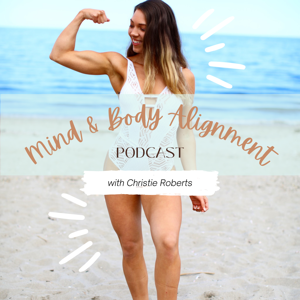
Welcome to the mind & body alignment podcast, this is your place for all things in the physical & mental health sphere!
Nothing is off limits here because we understand that finding TRUE alignment in your life includes a healthy a balance of nutrition, fitness, health, psychology, spirituality, manifestation, and of course, taking action towards your best self!
My name is Christie Roberts and I’ll be your guide on this journey together. I’m a certified nutritionist, certified personal trainer, and primarily an online coach for nutrition & fitness!
It’s my goal to make this an incredible experience for you, in hopes that you may open your mind, understand yourself and your subconscious, as well as develop habits that align you with the highest version of yourself along the way.