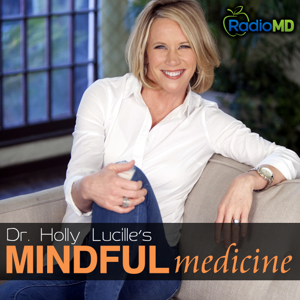
Mindful Medicine

Mindful Medicine

By Mindful MedicineHealth & Fitness
Download on the App Store

Mindful Medicine episodes

  • Environmental Influence on Chronic Illness
    How can you reduce your exposure to toxins?The average person encounters environmental toxins in every day life. It’s impossible to completely avoid them. Our bodies are enzyme machines. We need vitamins and minerals for the enzymes to work properly. The nutritional quality of our food supply has decreased in the past 50 years due to modern agricultural procedures. Toxins poison the body’s enzymes so they don’t function properly. There is a correlation between chronic illnesses and toxin exposure. The majority of the population has been exposed to enough toxins to double the chance for disease. Seventy percent of our toxic load comes from food. Some toxins come from the food production process. Other toxins come from the packaging process. Consider how toxins can accumulate in your body over time. Try to reduce your toxic exposure. Stick with organic foods and grow as much food as you can. Look for foods packaged in glass. Avoid fragrances in health and beauty aids. Listen as Dr. Joe Pizzorno joins Dr. Holly Lucille to discuss environmental toxins.
    0 min
  • Thriving in Difficult Times
    What wisdom can we take from the ancient Greeks to improve our lives today?The writings and art of ancient Greece show a civilization that seemed to be balanced, relieved of stress, and focused on living life. And, that focus was on a lifetime, not on a single day’s drama. Tolerance of other cultures was high. People were accepted the way they were. Common grounds were sought so trade could occur. The technology level limited medicinal practices. People went to temples when ailing. Treatment was based on lifestyle, including diet, exercise and sleep. Ancient Greeks had healthy diets. They didn’t have the same stressors driving them to junk food as we do today. What lessons can we take from the practices of this civilization? Human life isn’t linear. It’s perfectly normal to go through periods of adversity. Things will not stay the same, so remain calm if life doesn't go your way. Listen as John Vespasian joins Dr. Holly Lucille to impart the wisdom of the ancient Greeks.
    0 min
  • Nature's Nurture: Improve Your Health & Creativity
    It's time to crawl out of your compartment, grab the kids and visit nature.Times have changed with technology. Kids today aren’t spending as much time exploring the outdoors as in previous generations. Seventy-one percent of today’s mothers recall playing outdoors in their youth. Only 25 percent of them recall their own children playing outdoors daily. Even when outdoors, many kids still have a device in front of them. This impacts children negatively. Development of motor skills is not as strong. Long distance vision is affected. The retina isn’t getting enough vitamin D. Macular degeneration is happening earlier in life. Just 20-40 minutes in nature can provide significant health benefits. Blood pressure, heart rates and cortisol can drop. Mood improves. Get out into the world and access the free benefits of nature.  Listen as Florence Williams joins Dr. Holly Lucille to share how communing with nature can improve lives.
    0 min
  • Sensory Integration & Importance of Play
    Your child's behavior issues may be a result of sensory integration problems. Play is key to improving the underlying cause.You can improve the future of many generations to come, simply by being a good parent. Examine your child’s roles. Your child is a student, peer, son or daughter, sibling, and team and community member. How well is your child functioning in those roles? You can help your child successfully fulfill each one. Sensory Integration Sensory integration takes in all environmental stimuli, integrates them in the brain and acts upon them in the environment. There is also internal information from the gut and other systems in the body. The goal of sensory integration is to have the appropriate functional interaction with the environment after all of the information has been processed. Hyper responsiveness to normal environmental interaction can create behavior that looks quirky. The reactions don’t quite fit the situation. For example, some children are hypersensitive to touch and react with aggression when bumped at school. Importance of Play Play in the animal kingdom and for our ancestors was mimicry of adult behavior to learn survival skills. Running and jumping translated to better survival. Risk-taking and exploring helps integrate sensory systems. The sedentary, screen-based modern age has led to less development of sensory integration. It is important to encourage physical activity outdoors. It shouldn’t be about keeping your children occupied and quiet. Push for your child to explore and be active. Your child’s interaction with the environment is not a reflection of your parenting skills. If you feel a child’s behavior might be a symptom of something else, seek out a professional who might be able to see that behavior with perspective. Listen in as occupational therapist Allyson Chrystal joins Dr. Holly Lucille to discuss the importance of play and sensory integration.

    0 min
  • Low Dose Naltrexone for Autoimmune Diseases
    Learn more about low dose naltrexone for treating autoimmune diseases.Frustrations with diagnosis, treatment and results from conventional Western medicine may prompt you to search for alternatives. You want an alternative that is safe, effective and well-researched. One excellent resource where you can find research on the effectiveness of supplements is PubMed. Low dose naltrexone (LDN) is a drug that acts like a nutritional supplement. Initially intended to treat addiction, it is now used to treat autoimmune diseases by arresting their progression. Doses of 50mg to 100mg block opiod receptors in the brain, preventing patients from experiencing a high when they take drugs. Lower doses of 3mg can have a beneficial immune modulating effect. It's important to educate yourself about low dose naltrexone before speaking with your doctor about it. Listen as patient advocate Julia Schopick joins Dr. Holly Lucille to discuss the benefits of low dose naltrexone. **Email [email protected] for more information about LDN.
    0 min
  • How to Behave During Arguments
    Behave better during arguments by working on a few skills. Your compassion will grow.When your blood is boiling and you’re not going to take it any more, it’s tough to keep your behavior in check. Arguments knock all that common sense out the window. A few guidelines can help you improve your behavior during disagreements. It’s so important to take a moment before running off at the mouth. Stop, breathe and stay calm. You have to focus on what you hope to accomplish and why you’re disagreeing. How can you be most effective in resolving this argument? You must be willing to listen. Don’t focus on just making the other person wrong. Process what he or she is saying instead of thinking about what you’re going to say next. It’s easy to get defensive and be offensive. Listening is key. Think before you speak. Will your words come across as an attack? Be sure you speak with compassion. Validate the other person’s feelings to show you’ve listened. Be sure he or she knows you care. Then, you can address any misunderstandings. Are you fighting over insignificant things like burned toast? There are built up resentments from the past that haven’t been addressed. Look for what hasn’t been resolved before the toast was burned. When both people are yelling, it’s time to disengage. You’re going to say things you don’t mean. You won’t get resolutions. Step away from the argument until you’re ready to seek a resolution. You may consider doing a forgiveness inventory every night. What did you do today that was selfish, unloving, judgmental, inconsiderate and uncool? How do you want to be different tomorrow? You can start fresh in the morning and do better. You’ll also find more peace if you’re forgiving of others. Listen in as Dr. Walter Jacobson joins Dr. Holly Lucille to share how to behave in arguments.
    0 min
  • Pets: Fur Your Health
    Adding a pet or two to your household can improve your quality of life.Pets are amazing companions that can provide numerous health benefits. Kids who are raised in a household with pets tend to have fewer allergies and less incidence of asthma. Their immune systems are constantly being stimulated by pets, making their immune systems stronger. Pets are natural mood enhancers. Petting an animal lowers your blood pressure. Calmness and relaxation encompasses you. They even have the ability to reduce depression. Knowing you get to come home to a loving critter can carry you through rough days. The responsibility associated with a pet gives you purpose. Feeding, walking, playtime and training keep you engaged and mindful. Fifteen percent of surviving spouses live longer if they have a pet. There’s still someone to share life with after the loss. Dogs are fantastic service animals. They can detect a drop in blood sugar immediately. They can also detect seizures. Know someone who is afraid of having a pet? It’s best to introduce them to small animals like puppies and kittens. You may hesitate to get a pet because you’re concerned about leaving the pet home alone. There are many options for boarding, and on-demand pet sitting services are becoming much more popular and available. Listen in as Dr. Jeff Werber joins Dr. Holly Lucille to discuss how your health can improve by sharing your life with pets.
    0 min
  • Stress Survival Hacks
    Make the holidays less stressful by implementing some of these simple hacks.More than half of Americans surveyed consider the entire 2016 presidential election cycle a huge source of stress. Compounded with holiday stress, many of us could use a little stress relief right now. Our modern day stressors don’t help our health. We act like it’s normal. It’s not normal to suffer from chronic stress. Stress weakens the immune system and precipitates disease. Here are some tips to help you through the holidays and beyond. Start Each Day with Breakfast Food is medicine. A healthy breakfast is key. Low-sugar yogurt can help you get a probiotic into your system. Mushrooms can help balance your immune system. You may consider an AHCC supplement if you can’t get enough mushrooms into your diet. Add some to your breakfast omelet. Oats and barley are also great for starting your morning. Both have beta-glucan, a fiber that has antimicrobial and antioxidant benefits. Clear the Clutter Clear your physical space. Triage your day the night before. List things as urgent, important and non-urgent. This clears your mind for a decent sleep. No phones when you wake up in the morning. Don’t look at your email until you finish eating and start preparing for your day. Check social media twice a day. Meditate or do yoga to clear your thoughts. Exercise to knock out stress. Listen in as Dr. Ken Redcross joins Dr. Holly Lucille to share simple ways you can break the stress this season.
    27 min
  • Probiotics: How Does Your Gut Garden Grow
    Learn the basics of probiotics and how the gut microbiome works.Probiotics products are designed to give you health benefit. The term probiotic actually comes from Greek biota, meaning “life.” Your body hosts a microbiome— a collection of microorganisms. The human body contains more bacteria than anything else. Every aspect of your health is influenced by your microbiome. It may be more important for your health to take a quality probiotic than a multivitamin. Most probiotics contain lactobacillus and bifido bacteria strains. These are the primary strains in the gut. The approach for the past hundred years has been to replenish these bacteria with probiotics. There now seems to be a better way. It’s tough for live bacteria to survive the digestive system to their destination in the gut. An endospore on some probiotics can help it reach the intestine before it comes to life. Bacillus strains naturally occur in the gut to the tune of two to three million. Adding billions more via a probiotic will create a stimulatory effect. They should survive about a month and help your gut bacteria garden grow. The number of colony forming units (CFUs) needed depends on your unique microbiome. For example, your body’s bifido bacteria decreases with age so you may need more as you grow older. Your medication and antibiotic history will affect the supplementation you need. Stress depletes gut bacteria. Diet, alcohol consumption and drinking chemically treated tap water can alter your probiotic needs. Pre-existing digestive issues can influence your supplementation. Probiotics research is done at the strain level. It’s better to replenish specific strains instead of a fifteen-strain cocktail to try to achieve diversity. Diversity is achieved by taking a product that feeds the good bacteria and eliminating the bad bacteria. Specific strains can be treated for specific conditions. What about probiotics benefit from yogurt and kefir? Most yogurts have very little probiotic benefit because most probiotics die before reaching the gut. Many yogurts have sugar which is counterproductive to a healthy gut. Listen in as Tina Anderson and Dr. Holly Lucille discuss the basics of probiotics and improving your microbiome.
    27 min
  • Value of Evidence-Based Natural Medicine
    How does evidence-based medicine work for natural treatments?We live in an information age. Your diagnosis and condition can be easily researched for further information. You’re more familiar with your body and how it reacts because YOU live in your body. Your physician can only provide diagnosis and treatment options based on the information presented. By researching your condition, you can make suggestions to your physician. Together you can create an educated plan to address the obstacles to your health. Value of Evidence-Based Medicine Evidence-based medicine has a history of working for various conditions. Traditional Chinese Medicine (TCM) has been practiced for over 3000 years. Effective treatments tend to stand the test of time. Scientific testing is now in use for treatments with a shorter history. For example, a strain of bacteria is placed in a Petri dish and is treated with herbs. If the herbal treatment is effective, the testing is repeated with animals, then humans. A meta analysis follows to evaluate all of the research on this bacteria and herb to review the outcomes of the studies. Thousands of articles provide a convincing case that what is being used actually works. The downside? Testing can be expensive and requires time and effort. Blind studies and mechanistic evidence are sometimes skipped because of the cost. Each part of an herb needs to be tested against bacteria to establish the most effective method for treatment with herbs. Sometimes extraction is necessary to harness the best result. Alternate Considerations You can have your genome analyzed by services like www.23andme.com. You can also improve nutrition and your health through food instead of using a genome service. Every individual is different. Medications are sometimes recalled. Evidence may show them to be less safe and effective than when they were first released. The goal is the best outcome for the patients, even if that means discontinuing former treatments. Listen in as Guillermo Ruiz joins Dr. Holly Lucille to discuss natural evidence-based medicine.
    25 min

About Mindful Medicine

From the publisher's feed

Articulate, passionate and humorous, Dr. Holly Lucille breaks down the myths and misconceptions about health and health related topics.

More shows like Mindful Medicine

Healthy Children by Healthy Children

Healthy Children

20 Listeners

To Your Good Health by To Your Good Health

To Your Good Health

31 Listeners

YOU: The Owner's Manual by YOU: The Owner's Manual

YOU: The Owner's Manual

23 Listeners

HER by HER

HER

86 Listeners

Health Power: The OG Health Podcast & Dog-Eared Podcast by Lisa Davis MPH

Health Power: The OG Health Podcast & Dog-Eared Podcast

79 Listeners

THT is DONE. SUBSCRIBE TO "HEALTH POWER" w/Lisa Davis, MPH by Lisa Davis, MPH

THT is DONE. SUBSCRIBE TO "HEALTH POWER" w/Lisa Davis, MPH

158 Listeners

Life's Too Short by DoctorPodcasting.com

Life's Too Short

18 Listeners