
Sign up to save your podcasts
Or

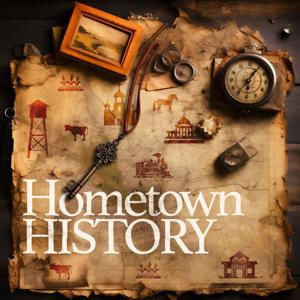

America's favorite family board game started as anti-capitalist propaganda. In 1903, feminist inventor Elizabeth Magie patented "The Landlord's Game" to teach players about the evils of monopolies and wealth inequality. Her game spread across the East Coast through word of mouth, beloved on college campuses for its ruthless gameplay that illustrated exactly what was wrong with American capitalism.
Then Charles Darrow, a Philadelphia heating salesman, saw an opportunity. He rebranded Magie's game, moved it to Atlantic City, stripped out the political message, and sold it to Parker Brothers as his own invention. They became millionaires. Magie got $500 and died in obscurity. The company even tricked her into selling her patent by pretending they wanted to publish her version—they just wanted to kill any potential lawsuit.
Today, Monopoly has sold over 275 million copies worldwide, making it one of the most successful board games in history. But its real origin story is a perfect example of the very exploitation it was designed to critique: a woman inventor crushed by businessmen in a dog-eat-dog economy where only the ruthless survive.
Show Notes:
In This Episode:
Key Figures:
Timeline:
Tags: Monopoly history, Elizabeth Magie, board game history, American history, intellectual property theft, feminist history, 1900s history, local history, forgotten history, true story, The Landlord's Game, Charles Darrow, Parker Brothers, game design
Category: History
Chapter Markers: 0:00 - Introduction: The Dark Side of America's Favorite Board Game 1:30 - Elizabeth Magie: Feminist Inventor with a Political Mission 3:00 - The Landlord's Game: Two Versions, Two Visions of America 4:30 - How Charles Darrow Stole a Revolution 6:00 - The Con: Parker Brothers Tricks Magie Out of Her Patent 7:30 - Legacy: The Woman Who Proved Her Own Point 8:30 - Conclusion: Playing the Landlord's Game Today
 View all episodes
 By Shane Waters

4.5
138138 ratings
America's favorite family board game started as anti-capitalist propaganda. In 1903, feminist inventor Elizabeth Magie patented "The Landlord's Game" to teach players about the evils of monopolies and wealth inequality. Her game spread across the East Coast through word of mouth, beloved on college campuses for its ruthless gameplay that illustrated exactly what was wrong with American capitalism.
Then Charles Darrow, a Philadelphia heating salesman, saw an opportunity. He rebranded Magie's game, moved it to Atlantic City, stripped out the political message, and sold it to Parker Brothers as his own invention. They became millionaires. Magie got $500 and died in obscurity. The company even tricked her into selling her patent by pretending they wanted to publish her version—they just wanted to kill any potential lawsuit.
Today, Monopoly has sold over 275 million copies worldwide, making it one of the most successful board games in history. But its real origin story is a perfect example of the very exploitation it was designed to critique: a woman inventor crushed by businessmen in a dog-eat-dog economy where only the ruthless survive.
Show Notes:
In This Episode:
Key Figures:
Timeline:
Tags: Monopoly history, Elizabeth Magie, board game history, American history, intellectual property theft, feminist history, 1900s history, local history, forgotten history, true story, The Landlord's Game, Charles Darrow, Parker Brothers, game design
Category: History
Chapter Markers: 0:00 - Introduction: The Dark Side of America's Favorite Board Game 1:30 - Elizabeth Magie: Feminist Inventor with a Political Mission 3:00 - The Landlord's Game: Two Versions, Two Visions of America 4:30 - How Charles Darrow Stole a Revolution 6:00 - The Con: Parker Brothers Tricks Magie Out of Her Patent 7:30 - Legacy: The Woman Who Proved Her Own Point 8:30 - Conclusion: Playing the Landlord's Game Today
17,321 Listeners

2,791 Listeners

11,000 Listeners

958 Listeners

2,825 Listeners

2,864 Listeners

1,014 Listeners

1,919 Listeners

19,123 Listeners

47,616 Listeners

375 Listeners

17,928 Listeners

8,024 Listeners

3,975 Listeners
10,358 Listeners

75 Listeners
61 Listeners

136 Listeners

372 Listeners

897 Listeners
8 Listeners

3 Listeners

11 Listeners

346 Listeners