
Sign up to save your podcasts
Or

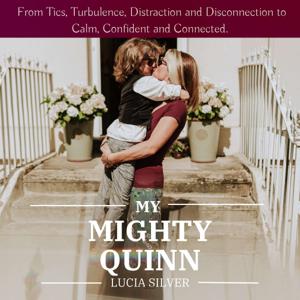


Welcome to My Mighty Quinn
In this powerful, passionate and eye-opening episode, I’m joined by the incomparable Dr Tony Ebel — neurologically focused chiropractor, father of four, founder of PX Docs, and pioneer of The Perfect Storm™ framework.
Together, we’re blowing the lid off the nervous system epidemic hiding behind so many childhood labels — from autism, ADHD and anxiety to seizures, PANS/PANDAS, gut issues, tics and developmental delays.
We go all the way back to where it starts — the delivery room — and reveal the truth about how modern birth interventions can disrupt the brainstem, damage the Vagus nerve, and send the nervous system into shutdown.
Dr Tony explains what’s really happening to the brain and body in utero, at birth, and in the early years — and why true healing must begin at the beginning.
This is the conversation I wish I’d had the day Quinn was born. Frankly, I needed to know this before conceiving and delivery planning!
Key Takeaways:
Resources
Support the show
Resource Links:
Welcome to My Mighty Quinn
I’m Lucia Silver, founder of The Brain Health Movement and mother to the mighty Quinn. This is the podcast where we engage in clear-eyed, courageous conversations about childhood brain health, development, and resilience. Today’s episode is one that every parent and educator must hear.
Wake Up to Screen Toxicity — with Emily Cherkin
In this vital episode, I’m joined by Emily Cherkin, a former educator and leading voice in the movement for tech-intentional parenting. She is the author of The Screentime Solution: A Judgment-Free Guide to Becoming a Tech-Intentional Family. Together, we pull back the curtain on the pernicious impact of screen exposure on children’s brains, from toddlers to teens.
Emily brings the data, the insight, and the humanity to a topic that touches every modern household. We explore why screens are not calming children, but instead rewiring their brains in concerning ways; how screen time displaces critical developmental experiences; and why parents must reclaim their power from the tech industry. Emily’s philosophy of “tech intentionality” offers a practical, compassionate framework for every family.
Key Takeaways
Resources
Remember to share this episode with a fellow parent - change begins with conversation.
Support the show
Resource Links:
Welcome
Welcome back to My Mighty Quinn, the podcast where we explore ground-breaking solutions to help parents address the root causes of their children's struggles. I’m your host, Lucia Silva, and I’m thrilled to have you join us for another insightful episode.
Today, we’re diving into the fascinating world of sound processing and its profound importance within child development. This episode is packed with actionable insights and expert advice to help you better understand how foundational skills like sensory integration and motor processing can unlock your child’s full potential.
Episode Summary
I’m joined by Charlotte Davies, an educational consultant, researcher, and Tomatis consultant. Charlotte’s expertise spans sensory integration, trauma, and sound processing therapy, making her a leading voice in child development.
We explore how sound acts as a superpower, influencing motor skills and emotional regulation. Charlotte shares her journey, from working in refugee camps to becoming a specialist in auditory therapy.
Discover how sound therapy can unlock a child’s potential, improve family dynamics, and even support young offenders in finding a new path.
Key Takeaways
Resources & Links
If you found this episode helpful, please share it with other parents and leave us a review. Don’t forget to subscribe to My Mighty Quinn for future episodes. Together, we can empower families and create lasting change.
Support the show
Resource Links:
Hi, I’m Lucia Silver, and welcome to 'My Mighty Quinn.' Today, we have the privilege of speaking with Dr. Robert Melillo, a pioneer in child brain health. We’ll dive deep into understanding neurological imbalances and the groundbreaking methods that have helped countless children, including my son, Quinn. This episode is packed with insights that can guide you toward meaningful solutions.
Episode Summary
Lucia Silver is joined by Dr. Robert Melillo, a world-renowned clinician, researcher, and author specializing in child neurological disorders. The discussion explores how the Melillo Method has transformed lives by addressing root causes of conditions like ADHD, autism, and dyslexia. Lucia shares her story of Quinn’s journey to health. Topics include brain imbalances, the role of primitive reflexes, and practical solutions parents can use at home. The episode also touches on misconceptions about medication and screens, emphasizing holistic approaches.
Key Takeaways
Thank you so much for joining us today on 'My Mighty Quinn.' I hope this episode offered new insights and hope for your child's journey. If you found this conversation helpful, please share it with others and leave a review. For more on Dr. Melillo’s work, visit his website: www.drrobertmelillo.com and follow him on social media.
You can also download a free guide from this episode here: www.thebrainhealthmovement.com/brain-balance-free-guide
Let's keep this movement growing together!
Support the show
Resource Links:
In this transformative episode, Lucia dives into one of the body's most critical systems: the Vagus nerve. She is joined by Dr. Carrie Rigoni, a leading chiropractor, applied kinesiologist, and Vagus nerve educator, specialising in children’s health.
Episode Summary
The Vagus nerve is essential for regulating stress, digestion, sleep, and mood, acting as the body's brake system to bring us back to calm. Lucia and Dr. Carrie discuss how understanding and strengthening Vagus nerve function can unlock self-healing, particularly for children facing developmental, behavioural, and learning challenges.
Dr. Carrie shares practical strategies to boost vagal tone and explains how parents’ nervous system health directly impacts their children. From co-regulation techniques to resolving retained primitive reflexes, this conversation is a must-listen for anyone seeking to promote whole-family wellness.
Key Takeaways
Resources:
Ready to take the next step? Visit thebrainhealthmovement.com to download a free guide packed with actionable tips from this episode, including a nervous system checklist.
If you enjoyed this episode, please leave a review, share it with a friend, and subscribe to the podcast for more expert insights.
Support the show
Resource Links:
Welcome to My Mighty Quinn!
I’m your host, Lucia Silver, founder of the Brain Health Movement and proud mother of the Mighty Quinn. In today’s episode, I’m joined by the incredible Anne Marie Smellie, a neurodevelopmental specialist with over 20 years of experience helping children and families uncover the root causes of developmental, learning, and behavioral challenges.
Episode Summary
We dive into the critical gaps in conventional healthcare when addressing symptoms like anxiety, ADHD, autism, sensory sensitivities, and more. Anne Marie shares her holistic approach, integrating retained primitive reflex therapy, auditory processing interventions, nutrition, and emotional support to transform lives. You’ll learn how understanding the “why” behind symptoms can unlock powerful tools to help your child thrive.
Top Takeaways:
Resources for Parents:
Get Involved:
If this episode resonated with you, share it with a friend who might need it. Don’t forget to leave us a review and subscribe so you never miss an episode.
Visit our website for your free cheat sheet and connect with Anne Marie to explore holistic support for your child’s unique needs. Let’s work together to create a brighter future for our children.
Support the show
Resource Links:
This episode is all about the life-changing power of sleep, particularly for children and families navigating neurodevelopmental challenges. I’m joined by Natasha Duffin, an incredible occupational therapist and founder of Whole Child Co., whose expertise in sleep, oral function, and airway health has helped countless families. Together, we’ll uncover how improving sleep quality can transform lives.
Episode Summary
Sleep is the golden thread tying health, growth, and emotional well-being together, but for many families, it’s the missing piece of the puzzle. In this episode, we explore why sleep quality matters far more than hours in bed. We dive into the root causes of poor sleep—such as allergies, oral dysfunction, and sensory issues—and reveal why behaviours like snoring or mouth breathing shouldn’t be ignored.
Key Takeaways
Top Tips for Better Sleep
Resources and Further Reading
If this episode resonated with you, share it with friends or family, and don’t forget to subscribe, rate, and review My Mighty Quinn. Sleep well, and see you next time!
Support the show
Resource Links:
In this episode, we’re tackling ADHD—a condition affecting millions of children and adults. Our guest, Sean McNicholas, brings unparalleled expertise and personal experience to the conversation.
ADHD diagnoses have soared in recent years, but too often, the focus remains on managing symptoms instead of understanding the root causes. This episode invites ADHD specialist, therapist, and coach Sean McNicholas, whose personal journey and professional insights shed light on holistic approaches that transform lives. Diagnosed with ADHD later in life, Sean has overcome immense challenges to become a leading advocate for brain health, working to uncover the root causes of ADHD and promote whole-child interventions.
Sean shares his 360° approach, emphasising sleep, diet, exercise, and the power of connection. Together, we explore ADHD misconceptions, the dangers of one-size-fits-all medication, and the need for early intervention. Sean also discusses his work addressing the school-to-prison pipeline, showing how holistic brain health strategies can rewrite narratives for children and adults alike.
Key Takeaways:
Episode Links:
Support the show
Resource Links:
I’m Lucia Silver, thrilled to have you back for another episode of the Brain Health Movement’s podcast series. Today, we dive deep into parenting with Tammy Schamuhn, a registered psychologist, play therapist supervisor, and best-selling author. Tammy shares her wealth of knowledge from personal and professional experience in children's mental health. Trust me—this conversation will leave you inspired and equipped with practical insights to transform your parenting journey.
Episode Summary:
In this episode, we explore what it means to be an "awakened parent" and how essential it is for parents to understand the science of connection. Tammy delves into the rising levels of anxiety in children, the importance of co-regulation, and how trauma can impact both kids and adults. Her approach balances warmth, compassion, and cutting-edge neurobiological research, offering profound guidance for parents navigating the complexities of modern parenting.
Whether you're dealing with your child's screen addiction, navigating trauma, or just trying to understand how to better connect with your children, this episode provides actionable tips to foster a healthier family dynamic.
Key Takeaways:
Thank you so much for tuning in. This conversation with Tammy Schamuhn truly brings light to the importance of connection and mindfulness in parenting. Be sure to download the top tips from this episode in our guide and stay tuned for more enriching discussions in our next episode!
Support the show
Resource Links:
In today’s episode, I’m thrilled to introduce Dr. Lindsey Wells, a naturopathic physician and a leader in integrative paediatric care. Dr. Wells specialises in complex neurodevelopmental challenges, including PANS, PANDAS, ASD, and autoimmune disorders. Her holistic family approach is transformative, and in this episode, we take a deep dive into these often misunderstood conditions.
Episode Summary: Dr. Wells and I explore the world of PANS (Paediatric Acute-onset Neuropsychiatric Syndrome) and PANDAS (Paediatric Autoimmune Neuropsychiatric Disorder Associated with Streptococcal Infections). We unpack the symptoms, potential triggers, and the vital importance of early diagnosis and treatment. As a parent of a child diagnosed with PANS, I share my personal journey with my son, Quinn, providing real-life context to the discussion.
We delve into how PANS and PANDAS manifest with sudden and severe neuropsychiatric symptoms, including OCD, anxiety, and tics. Dr. Wells explains the role of infections, immune dysregulation, and the essential three-pronged treatment approach involving antimicrobials, immune modulation, and symptom management.
Key Takeaways:
This episode is essential listening for any parent navigating the uncertainties of neurodevelopmental disorders. As always, we are here to support you. Boundless love and hugs from all of us at the Brain Health Movement!
Dr Lindsey Wells Resource Links:
Support the show
Resource Links:
From the publisher's feed
Welcome to "My Mighty Quinn”, the introductory podcast series that finally sheds light and clarity on the mysteries behind our beautiful children's learning, attention, behaviour and developmental…
Throughout "My Mighty Quinn," we'll engage in captivating interviews, gain expert insights, and be inspired by heart-warming success stories, that will empower and inspire parents, caregivers, and families facing similar challenges.
70 Listeners

292 Listeners
17 Listeners