
Sign up to save your podcasts
Or

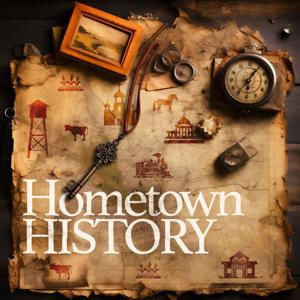

Before Andrew Jackson became America's seventh president, before he was the hero of New Orleans, before he shaped an entire era of American politics—he made a purchase that would define his path to power. In 1788, at just 21 years old, Jackson bought his first enslaved person: a young woman named Nancy. This episode explores the uncomfortable truth that Jackson's political ascent was built on a foundation of human ownership, revealing how slavery wasn't just part of his world—it was his primary vehicle for wealth and influence.
Working with Aaron Adams, Director of Education at The Hermitage museum, we trace Jackson's strategic approach to building power in the early American republic. Nancy, purchased for domestic labor, represented overhead—the personal property needed for a young lawyer's household. But Tom, the skilled blacksmith Jackson acquired next for $600 (going into debt for the purchase), represented something different: revenue-generating property. Jackson rented Tom's sought-after metalworking services to neighbors throughout frontier Tennessee, creating his earliest source of steady cash flow. That income became the seed capital Jackson used to purchase land and expand his economic empire.
By 1804, Jackson consolidated his holdings at The Hermitage plantation, 12 miles east of Nashville. Through strategic land speculation, careful cultivation of political connections—including his marriage into the influential Donelson family—and continued investment in enslaved labor, Jackson transformed himself from an outsider to one of Tennessee's most prominent citizens. He served on the state constitutional committee, became Tennessee's first congressional representative, and sat on the state Supreme Court. But it was military glory that made him a national figure.
The Battle of New Orleans on January 8, 1815, changed everything. Jackson's ragtag force of 5,000—including militia, former slaves, pirates, and Native allies—faced 9,000 battle-hardened British troops. The Americans routed the British in less than an hour, killing two of three British generals and suffering minimal casualties themselves. Overnight, Jackson became "the savior of the nation," America's answer to George Washington for the War of 1812 generation.
The 1824 presidential election revealed Jackson's complicated relationship with democratic ideals. Despite winning both the popular vote and the largest share of electoral votes, Jackson lost when the House of Representatives chose John Quincy Adams through what Jackson furiously called the "corrupt bargain"—a backroom deal between Adams and Henry Clay. Jackson's biblical rage at this perceived betrayal fueled his successful 1828 campaign, positioning him as the voice of "the people of the West" against Washington elites.
This is Part 1 of a two-part series examining Jackson's complex legacy. At the time of his death in 1845, Jackson held over 150 enslaved people. His policies toward Native Americans, particularly the Indian Removal Act, would become one of the darkest chapters in American presidential history. But understanding Jackson's rise to power requires confronting the system that made it possible—a system where human ownership was the first step toward political prominence in the early American republic.
This is Part 1 of 2
Part 1 Coverage (This Episode):
Timeline of Events (for Part 1):
Primary Museum Source:
Academic & Archival Sources:
Recommended Books:
Additional Context:
 View all episodes
 By Shane Waters

4.5
138138 ratings
Before Andrew Jackson became America's seventh president, before he was the hero of New Orleans, before he shaped an entire era of American politics—he made a purchase that would define his path to power. In 1788, at just 21 years old, Jackson bought his first enslaved person: a young woman named Nancy. This episode explores the uncomfortable truth that Jackson's political ascent was built on a foundation of human ownership, revealing how slavery wasn't just part of his world—it was his primary vehicle for wealth and influence.
Working with Aaron Adams, Director of Education at The Hermitage museum, we trace Jackson's strategic approach to building power in the early American republic. Nancy, purchased for domestic labor, represented overhead—the personal property needed for a young lawyer's household. But Tom, the skilled blacksmith Jackson acquired next for $600 (going into debt for the purchase), represented something different: revenue-generating property. Jackson rented Tom's sought-after metalworking services to neighbors throughout frontier Tennessee, creating his earliest source of steady cash flow. That income became the seed capital Jackson used to purchase land and expand his economic empire.
By 1804, Jackson consolidated his holdings at The Hermitage plantation, 12 miles east of Nashville. Through strategic land speculation, careful cultivation of political connections—including his marriage into the influential Donelson family—and continued investment in enslaved labor, Jackson transformed himself from an outsider to one of Tennessee's most prominent citizens. He served on the state constitutional committee, became Tennessee's first congressional representative, and sat on the state Supreme Court. But it was military glory that made him a national figure.
The Battle of New Orleans on January 8, 1815, changed everything. Jackson's ragtag force of 5,000—including militia, former slaves, pirates, and Native allies—faced 9,000 battle-hardened British troops. The Americans routed the British in less than an hour, killing two of three British generals and suffering minimal casualties themselves. Overnight, Jackson became "the savior of the nation," America's answer to George Washington for the War of 1812 generation.
The 1824 presidential election revealed Jackson's complicated relationship with democratic ideals. Despite winning both the popular vote and the largest share of electoral votes, Jackson lost when the House of Representatives chose John Quincy Adams through what Jackson furiously called the "corrupt bargain"—a backroom deal between Adams and Henry Clay. Jackson's biblical rage at this perceived betrayal fueled his successful 1828 campaign, positioning him as the voice of "the people of the West" against Washington elites.
This is Part 1 of a two-part series examining Jackson's complex legacy. At the time of his death in 1845, Jackson held over 150 enslaved people. His policies toward Native Americans, particularly the Indian Removal Act, would become one of the darkest chapters in American presidential history. But understanding Jackson's rise to power requires confronting the system that made it possible—a system where human ownership was the first step toward political prominence in the early American republic.
This is Part 1 of 2
Part 1 Coverage (This Episode):
Timeline of Events (for Part 1):
Primary Museum Source:
Academic & Archival Sources:
Recommended Books:
Additional Context:
17,325 Listeners

2,790 Listeners

10,972 Listeners

958 Listeners

2,825 Listeners

2,863 Listeners

1,016 Listeners

1,926 Listeners

19,133 Listeners

47,718 Listeners

375 Listeners

17,948 Listeners

8,022 Listeners

3,982 Listeners
10,359 Listeners

75 Listeners

61 Listeners

136 Listeners

378 Listeners

896 Listeners

8 Listeners

3 Listeners

11 Listeners

336 Listeners