
Sign up to save your podcasts
Or

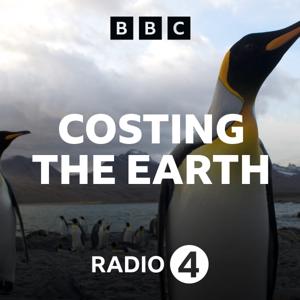

Take the venom from a scorpion, the suckers from a starfish and the sting from a bee. You won't create a spell to turn a prince into a frog but you might just find a new anti-asthma spray, a way to prevent the failure of heart by-passes or the answer to drug-resistant bacteria
Rapid advances in genetic research are throwing open the medical treasure chest of the natural world. Chemicals that perform a clear function for a plant or animal can be isolated, studied and, in some cases, applied to complex medical problems.
This is obviously good news for patients but could it also be good news for endangered wildlife? Could we soon be concentrating our limited conservation resources on saving the plants and animals that offer up something to humanity?
Dr. Alice Roberts and medical writer John Naish explore nature's medicine cabinet and consider the ethical dilemmas.
 View all episodes
 By BBC Radio 4

4.7
5454 ratings
Take the venom from a scorpion, the suckers from a starfish and the sting from a bee. You won't create a spell to turn a prince into a frog but you might just find a new anti-asthma spray, a way to prevent the failure of heart by-passes or the answer to drug-resistant bacteria
Rapid advances in genetic research are throwing open the medical treasure chest of the natural world. Chemicals that perform a clear function for a plant or animal can be isolated, studied and, in some cases, applied to complex medical problems.
This is obviously good news for patients but could it also be good news for endangered wildlife? Could we soon be concentrating our limited conservation resources on saving the plants and animals that offer up something to humanity?
Dr. Alice Roberts and medical writer John Naish explore nature's medicine cabinet and consider the ethical dilemmas.

7,669 Listeners

1,049 Listeners

5,528 Listeners

1,795 Listeners

1,753 Listeners

1,045 Listeners

1,921 Listeners

757 Listeners

110 Listeners

3,166 Listeners
1,003 Listeners
176 Listeners

2,050 Listeners