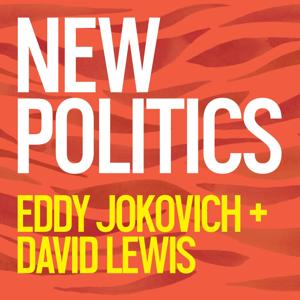
New Politics: Australian Politics, News, Analysis & Commentary

New Politics: Australian Politics, News, Analysis & Commentary

Download on the App Store
  • Favorites

    61

    Followers

  • Typical duration

    25 min

    per episode

Based on Podcast App listening data

New Politics: Australian Politics, News, Analysis & Commentary episodes

  • War in Gaza, indefinite detention ends, misinformation laws watered down, McBride case and a Liberal defection
    In this episode, we unpack the recent High Court ruling that ended indefinite detention, challenges Australia’s immigration policies and the subsequent political storm it has ignited. The decision to release 81 unlawfully detained asylum seekers sparks a broader conversation about the government’s response and potential shifts in immigration legislation.
    The intricacies of the proposed misinformation and truth in political advertising laws: we explore the hurdles faced by the Labor government in balancing public demand with the opposition’s critique. With a staggering 87% of the electorate supporting such laws, we question the government’s delay in their implementation and the underlying political dynamics at play.
    We then look at the trial of David McBride, a whistleblower shedding light on war crimes committed by Australian troops in Afghanistan. We analyse the government’s stance on whistleblower reform, contrasting actions against McBride, Bernard Collaery, and Julian Assange, and look into the complexities of legal actions and the anticipated reforms in whistleblower legislation.
    There’s more trouble in the Liberal Party, with the defection of Russell Broadbent to now sit as an independent MP, breaking the record for the number of MPs on the crossbench. We look implications of this departure on Australian politics, the future of the Liberal Party and the potential impact on the upcoming elections.
    We end this episode with the ongoing conflict in Gaza and the international pressure on Israel to cease military actions and analyse the Australian government’s stance on the issue and the recent confrontation between Peter Dutton and Anthony Albanese in Parliament. We then examine the challenges of addressing this complex geopolitical issue without succumbing to social division, and the National Press Club address by Dr. Francesca Albanese, who gave the media a good lesson in media ethics.

    Song listing:
    1. ‘Prayer In C’, Lilly Wood and The Prick (Robin Schulz remix).
    2. ‘Confessions Of A Window Cleaner’, Ed Kuepper.
    3. ‘The Last Goodbye’, Odesza.
    4. ‘Praise You’, Fat Boy Slim.
    58 min
  • China crisis resolved, interest rates, the outrage over Gaza, and Albanese’s falling popularity
    In this episode of New Politics, we explore the dynamic and ever-evolving landscape of Australia’s political, economic, and international affairs.
    First, we discuss Prime Minister Anthony Albanese’s successful visit to China, which has played a crucial role in stabilising the Australia–China relationship. We take a closer look at how this relationship was previously strained by the accusations made by former Prime Minister Scott Morrison and former Defence Minister Peter Dutton, who alleged that China was responsible for the outbreak of COVID-19 and we needed to prepare for war over Taiwan. While it was always expected that the Australia–China relationship would eventually be repaired, it required extensive diplomatic work to remove the tariffs and sanctions imposed by China on Australian exporters. We analyse the significance of these developments and whether the Albanese government is receiving due credit for their efforts.
    Shifting our focus to the economic front, we assess the political consequences of the thirteenth consecutive interest rate hike since May 2022. With this ongoing trend, there are growing concerns about its implications for Australians, especially those with mortgages and loans. We explore the intricate connection between politics and interest rates in Australia and the challenges that lie ahead for the Labor government in managing this economic issue.
    In the international arena, we discuss the persistent Gaza bombings by the Israeli military, which have sparked outrage worldwide and the rising death toll, particularly among Palestinian children, has drawn sharp criticism. We analyse the mounting international pressure on the Israeli government and the urgent need for a resolution to this humanitarian crisis.
    Finally, we inspect the latest Newspoll results, indicating that the Labor government is still leading with a 52 per cent two-party preferred vote, while the Liberal–National Coalition trails at 48 per cent. However, Prime Minister Albanese’s high disapproval rating raises some issues about how the next federal elections will be played and consider the implications for the political landscape in Australia. Join us as we navigate the complexities of Australia’s current affairs, offering in-depth analysis and insights into the diplomatic triumphs, economic challenges, and leadership dynamics that shape the nation’s future.

    Song listing:
    1. ‘Fivefold’, Agnes Obel.
    2. ‘Everything In Its Right Place’, Radiohead.
    3. ‘La Femme d’Argent’, Air.
    4. ‘Praise You’, Fat Boy Slim.
    49 min
  • The politics of the Gaza abstention, the imbalance of media balance, and will there be a minority government in 2025?
    Join us in this thought-provoking episode as we explore critical issues that are shaping our world, media landscape, and political future.
    We begin by discussing the recent United Nations vote for a ceasefire and humanitarian truce in Gaza. With 120 countries in favour, the United States’ expected “no” vote, and Australia’s abstention, we dissect the complex geopolitics and motivations behind these decisions and the implications of these diplomatic moves and the significance of international resolutions, even if they are non-binding.
    Delving into the realm of media bias and balance, we scrutinise the state of mainstream media in Australia. Rather than addressing concerns about bias and striving for balanced reporting, we witness a continued drift towards conservative interests, potentially contributing to the decline of legacy media. We explore the media’s reluctance to adapt to the changing media landscape and the need for more diverse perspectives. In our critique of a recent lecture Andrew Ollie Media Lecture, we highlight the industry’s obsession with sensationalism over public interest stories, and advocate for a more inclusive and informative approach to journalism.
    Lastly, we turn our attention to the federal political arena, where speculation abounds regarding the possibility of a minority government in the next Australian federal election. We assess the factors influencing this prospect, from the quality of independent candidates to the government’s performance. With the election 18 months away, we examine the historical context and potential scenarios for the upcoming election, shedding light on the prospects of a minority government.
    49 min
  • Truth in politics, outdated Abbott, sexist attacks on women MPs, and who speaks for Palestinians?
    In this thought-provoking episode, we delve into the latest developments in Australian politics and global affairs. The federal government’s decision to introduce truth in political advertising laws before the next federal election is a big topic, with nearly 90 per cent of the electorate supporting the move. We explore the implications of such laws and the resistance from the Liberal Party and conservative groups like Advance Australia.

    We also look at Tony Abbott’s controversial stance on Indigenous flags and the Voice to Parliament referendum, raising questions about his divisive legacy. It really shows that the objections to the Voice were masking what these extremists were really thinking.

    The attacks on Victoria’s new premier, Jacinta Allan, by media outlets, including a distasteful sexist cartoon from News Corporation, are discussed, highlighting the ongoing challenges faced by women in politics.

    We then take a closer look at the escalating conflict in Palestine, delving into the tragic consequences of the conflict and the global response, while questioning the idea of Israel’s self-defence: where are all the voices in support of the Palestinian people, who are bearing the brunt of all the suffering?

    We also look at the recent opinion polls, where the Liberal–National Coalition has taken a lead in an opinion poll for the first time since January 2021, hinting at a potential shift in political dynamics, reflecting on the electability of figures like Peter Dutton and the challenges faced by first-term governments as the electoral cycle progresses.
    53 min
  • Voiceless: Unpacking the Voice to Parliament referendum defeat
    In this episode, we dive deep into the recent Voice to Parliament referendum, an important moment in Australian politics. The referendum, an important step toward recognising First Nations people in the Australian Constitution, has sparked conversations, debates, and reflections across the nation.

    The referendum results were disappointing for many, with 61 per cent of the electorate choosing “No” and only 39 per cent in favour of the proposal. This outcome was disheartening for both the Indigenous community and those who supported the referendum and it means that Australia remains the only colonised country without constitutional recognition of its First Nations people.

    The defeat of this referendum raises questions about the reasons behind it. Was it due to inherent racism, the lack of support from major political parties, the influence of disinformation campaigns, or a poorly executed campaign? It’s likely a combination of all these factors. The referendum’s loss represents a missed opportunity for progress in Reconciliation.

    The Voice to Parliament, a hope for Indigenous representation, has officially ended, but the work towards Reconciliation must continue. The Indigenous community faces new challenges in light of the “No” vote, and there's a prevailing sense that Reconciliation is at an impasse.

    For the first time, Indigenous people were asked what they wanted, and their request was resoundingly rejected by the electorate. This has left a bitter taste for many, as it seemed like a rare opportunity to make their voices heard.

    While the referendum’s completion offers some respite from the heated political discourse, there’s a need to reflect on the misinformation and disinformation campaigns that played a significant role in shaping the outcome. The media’s role in perpetuating these narratives is also scrutinised, with a special focus on News Corporation.

    This episode of New Politics delves into the complexities of the referendum defeat, the impact on Indigenous leaders, and the challenges ahead. It emphasises the importance of continuing the journey toward Reconciliation and Indigenous rights in Australia. While the road may be tough, there’s hope that a new generation of leaders will push for meaningful change.

    As the nation navigates these issues, it’s clear that Australia still has a long way to go in addressing its Indigenous history and rights.
    52 min
  • Unravelling the Israel–Palestine conflict, truth in political advertising, D-Day for the Voice referendum
    In this episode, we analyse the recent resurgence of war and conflict in Israel and Palestine, tracing its roots to a history of violence and retaliation. We discuss the attacks and mass casualties inflicted by Hamas militants, the subsequent Israeli military response, and the unfortunate one-sided mainstream media coverage on this pressing issue.
    We scrutinise the actions of both Hamas and the Israeli military, emphasising the need for condemnation, not just in recent events but over the past half-century and explore the interconnectedness between political events in Israel and conflicts in the region, particularly focusing on Benjamin Netanyahu’s push for a coalition “government of annexation and dispossession”. How will that help to achieve peace in the region?
    Amid all this, we must not forget the toll on innocent lives, with a stark contrast in casualties between the two sides, shedding light on a massive Palestinian imbalance rarely acknowledged.
    We then look at the need for reform in election funding and campaigning, highlighting the Voice to Parliament referendum, revealing the disturbing behaviour and misinformation propagated by some key figures. We discuss the role of social media, the influence of individuals like Clive Palmer and Gina Rinehart, and the urgency for campaign and electoral funding reform in Australian politics.
    As we approach the day of the Voice to Parliament referendum, irrespective of the result, it’s not as though Reconciliation has been achieved the Closing the Gap process is over: it’s just the start. Lessons have to be learned from this campaign, particularly in the context of misinformation and poor political tactics, that will shape the political landscape and future elections. We analyse the strategies employed by different political parties and the need for a sharpened campaigning strategy by the Labor government if it is to achieve its political goals.
    In a political environment riddled with deception and misinformation, we examine the potential pathways for different parties to achieve their goals, all while maintaining a critical eye on the complex relationship between politics and public sentiment.
    48 min
  • The Voice, Tasmanian turmoil, Disability Royal Commission, lost in the supermarket, Dutton’s immigration disaster
    In this episode of New Politics, we delve into the latest developments in Australian politics and social issues. The Voice to Parliament referendum is in full swing, with just one week remaining until the crucial October 14th deadline. We discuss the fear, division, and misinformation surrounding the campaign, particularly from the No campaign and the Liberal Party. It’s clear that they really have nothing to offer, except for fear and misery.
    Tasmania’s political landscape is also under scrutiny, as the last Liberal government faces challenges, including resignations, allegations of bullying, and workplace harassment. We explore the impact of these issues on the future of the Liberal Party all across Australia: the party needs to change but how is this going to happen?
    The long-awaited Disability Royal Commission report was released, addressing the long-standing concerns of violence, abuse, neglect, and exploitation of people with disabilities. We discuss the recommendations and if Australia wants to be the equitable and just society that it thinks it is, it seriously needs to look at the introduction of a Disability Rights Act.
    Additionally, we cover the poverty wages strike by Coles and Woolworths staff, who are demanding fair wages, better workplace protections, and job security. Of course, Coles and Woolworths need to provide all of this: a combined $2.7 billion in profits last year, and billions of profits over the past decade. And how were these profits made? On the back of worker exploitation and low wages. It’s time for Coles and Woolworths to offer fair pay for fair work.
    Lastly, we discuss the findings of the review of the temporary visa system, highlighting flaws, corrupt activities, and the serious issues faced by temporary visa holders. Peter Dutton’s role as the Minister for Home Affairs in addressing these challenges is examined, and how these attacks on his competence also signal the beginning of the next federal election campaign.
    Join us as we navigate the dynamic landscape of Australian politics and social issues in this excellent episode!

    54 min
  • The real-life Succession, goodbye Daniel Andrews, COVID inquiry, Pezzullo and Dutton’s poll dive
    In this episode, we look at the latest developments in the world of federal politics and the media in Australia.
    First, we discuss the seismic shift in the media landscape as media mogul Rupert Murdoch steps down from his role as chair of Fox News and News Corporation, passing the role to his son, Lachlan Murdoch. Despite this transition, Rupert Murdoch’s enduring influence and controversial past come under scrutiny, raising questions about the future of media conglomerates in a changing landscape.
    We also examine the surprise resignation of Daniel Andrews, the former Premier of Victoria, who managed to defy the odds and secure victory against a backdrop of media opposition. As we reflect on his nine-year tenure, we explore the challenges and accomplishments that define his legacy.
    Next, we turn our attention to the controversy surrounding Michael Pezzullo, the head of the department of Home Affairs, who has been embroiled in partisan political debates. We delve into private text message exchanges that shed light on his political involvement and discuss the broader implications for maintaining the apolitical nature of the public service.
    We discuss the Commonwealth Government Covid-19 Response Inquiry announced by Prime Minister Anthony Albanese. This inquiry aims to scrutinise the early stages of the pandemic, assess government preparedness, and draw lessons from the ongoing crisis. We explore the scope of this inquiry, its implications for future pandemics, and the evolving public sentiment reflected in recent opinion polls which, while it doesn’t provide for good news for Albanese, it has seen a massive drop in support for the leader of the opposition, Peter Dutton. Perhap his racist and divisive attacks on the Voice To Parliament aren’t reaping the political rewards he was after…
    1 hr 1 min
  • Climate warnings, nuclear politics, free Assange and Boyle, mediocre media, Voice to Parliament
    In this week’s episode, we dive into the biggest political issues making headlines in Australia. We kick off by discussing the scorching heatwave that hit Sydney, raising concerns about climate change’s growing impact on weather patterns and the looming summer season. There have been many warnings issued by experts over the past 30 years, highlighting the need for swift action on climate change, so why are governments so slow to act?
    Next, we shift our focus to the recurring debate surrounding nuclear energy, a topic that resurfaces cyclically (and cynically) in Australian politics. We unpack why the Liberal Party continues to champion this issue, even when evidence suggests it is not economically, environmentally, or politically viable.
    We explore the troubling case of whistleblower Richard Boyle, who exposed questionable practices within the Australian Taxation Office. Despite calls to drop the case and concerns about its public interest, the federal government persists in pursuing the criminal trial, potentially leading to a 46-year jail sentence for Boyle. The calls to release Julian Assange are gaining traction, with a key Australian parliamentary delegation in Washington lobbying to gain his release before the end of this year.
    In the realm of media, we analyse the common journalistic strategy of using vague phrases like “a lot of people have said” to make claims without substantiation. We draw parallels to a historic Margaret Thatcher interview in 1981 and discuss the importance of holding journalists accountable for their reporting.
    Finally, we take a closer look at the upcoming Voice to Parliament referendum. While misinformation campaigns continue to swirl and controversial statements arise from the “No” campaign, we consider the broader issue of public opposition to the referendum and its implications. As the referendum approaches, we reflect on the challenges and controversies surrounding this critical event and invite our listeners to stay informed about the ongoing developments.
    55 min
  • Housing boost, misinformation on the Voice, more sexual harassment from Liberal men, forgotten COVID and bad journalist habits continue
    Join us for an eventful week in Australian politics as we unpack the latest developments from the heart of Parliament. The week kicked off when the Australian Greens threw their support behind the government's Housing Australia Future Fund bill. While this move promises progress, we look into why it may have taken this long and discuss the need for further housing reforms.
    And within this political manoeuvring, we examine how both the government and the Greens had to strategically position themselves. This led to a significant victory for both, with the Greens securing a $3 billion concession from the government for social housing through the HAFF, and the government getting one of key policies passed.
    The Voice to Parliament referendum has been littered with a campaign of misinformation from the “No” side of the referendum. We uncover the outrageous claims being propagated, including the abolition of Australia Day and Anzac Day, compensation claims, reparations, and a push for Treaty, with many of these talking points have made their way into the discourse of Liberal Party politicians, such as Peter Dutton and Sussan Ley. We revisit our earlier prediction that fear-mongering would intensify as we approach October 14. The claims have become increasingly outlandish, leaving us pondering the eventual outcome of this misinformation campaign.
    We also look at the revelations made by Liberal MP Karen Andrews about harassment within the party during Parliament question time. We contemplate the larger issue of gender dynamics in Australian politics and why speaking out about workplace harassment is more complicated than it may seem. There is a critical need for Parliament House to be a safe working environment for all, from staffers to parliamentarians, an issue highlighted by the independent member Kylea Tink, who highlights the urgency of systemic change.
    COVID-19 seems like a hidden pandemic situation in Australia and we reflect on the stark contrast between the early days of the pandemic and the present, with daily case numbers averaging today just over 700, there are still many people dying from COVID-19 every week. Why have the effects of the pandemic being ignored? We explore the shift from community spread to hospital spread and the hidden risks associated with this development.
    There’s also a current debate surrounding the role of journalists in the Australian media landscape. We question the trend of uncritically reporting opposition statements and the need for journalists to exercise judgment, discern newsworthiness, and hold those in power accountable.
    52 min

About New Politics: Australian Politics, News, Analysis & Commentary

From the publisher's feed

Independent Australian politics podcast covering federal politics, elections, policy, media and power.

Hosted by Eddy Jokovich and David Lewis, New Politics delivers sharp analysis of…

Best of New Politics: Australian Politics, News, Analysis & Commentary

Ranked by our users in the last 21 days

More shows like New Politics: Australian Politics, News, Analysis & Commentary

Late Night Live — Full program podcast by ABC Australia

Late Night Live — Full program podcast

91 Listeners

Saturday Extra - Full program podcast by ABC Australia

Saturday Extra - Full program podcast

19 Listeners

Grattan Institute by Grattan Institute

Grattan Institute

6 Listeners

Insiders by ABC News and Current Affairs

Insiders

19 Listeners

Follow The Money by The Australia Institute

Follow The Money

14 Listeners

Politics Now by ABC Australia

Politics Now

80 Listeners

Australian Politics by The Guardian

Australian Politics

48 Listeners

Rear Vision — How History Shaped Today by ABC Australia

Rear Vision — How History Shaped Today

58 Listeners

Politics with Michelle Grattan by The Conversation

Politics with Michelle Grattan

12 Listeners

The Morning Edition by The Age and Sydney Morning Herald

The Morning Edition

68 Listeners

Democracy Sausage with Mark Kenny by The Australian National University

Democracy Sausage with Mark Kenny

25 Listeners

7am by Solstice Media

7am

109 Listeners

Full Story by The Guardian

Full Story

164 Listeners

The Chaser Report by The Chaser

The Chaser Report

32 Listeners

After America by The Australia Institute

After America

9 Listeners