
Sign up to save your podcasts
Or


Send us Fan Mail
A single word—fire—ripped through a quiet winter night and changed Dodge City forever. We travel back to late 1885 as flames burst from the Junction Saloon, raced down Front Street, and turned landmark businesses into a corridor of embers. With no pressurized water system and winter winds pushing the blaze, neighbors hacked at ice for bucket brigades while heat made even brick buildings fail. The Long Branch Saloon, Delmonico’s, Zinnerman’s hardware, and more fell in hours, and embers leapt the tracks to ignite warehouses and strain the town’s last defenses.
Amid chaos, Marshal Bill Tilghman and the fire brigade made a stark choice: blast a firebreak with gunpowder to stop the advance. By dawn, roughly 14 businesses were gone and losses neared $150,000—staggering in 1885. Yet the ashes carried a blueprint. The second major fire of that year forced Dodge City to abandon the fragile speed of wood construction and invest in brick, stone, and a modern waterworks. What began as catastrophe became a civic turning point, ending the bucket brigade era and setting the foundation for a safer, more durable city.
We unpack how disasters reshape policy and place, why fireproof materials and infrastructure mark the shift from boomtown myth to municipal staying power, and how memory and rebuilding can coexist in the same streets. If you’re drawn to Western history, urban resilience, or the untold decisions behind a city’s survival, this story offers vivid detail and lasting lessons. Subscribe, share with a history-loving friend, and send us a local event from Ford County we should investigate next—your story might be the next page we bring to life.
Support the show
If you'd like to buy one or more of our fully illustrated dime novel publications, you can click the link I've included.
 View all episodes
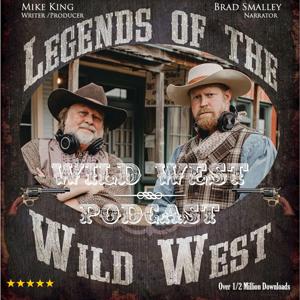
 By Michael King/Brad Smalley

4.5
125125 ratings
Send us Fan Mail
A single word—fire—ripped through a quiet winter night and changed Dodge City forever. We travel back to late 1885 as flames burst from the Junction Saloon, raced down Front Street, and turned landmark businesses into a corridor of embers. With no pressurized water system and winter winds pushing the blaze, neighbors hacked at ice for bucket brigades while heat made even brick buildings fail. The Long Branch Saloon, Delmonico’s, Zinnerman’s hardware, and more fell in hours, and embers leapt the tracks to ignite warehouses and strain the town’s last defenses.
Amid chaos, Marshal Bill Tilghman and the fire brigade made a stark choice: blast a firebreak with gunpowder to stop the advance. By dawn, roughly 14 businesses were gone and losses neared $150,000—staggering in 1885. Yet the ashes carried a blueprint. The second major fire of that year forced Dodge City to abandon the fragile speed of wood construction and invest in brick, stone, and a modern waterworks. What began as catastrophe became a civic turning point, ending the bucket brigade era and setting the foundation for a safer, more durable city.
We unpack how disasters reshape policy and place, why fireproof materials and infrastructure mark the shift from boomtown myth to municipal staying power, and how memory and rebuilding can coexist in the same streets. If you’re drawn to Western history, urban resilience, or the untold decisions behind a city’s survival, this story offers vivid detail and lasting lessons. Subscribe, share with a history-loving friend, and send us a local event from Ford County we should investigate next—your story might be the next page we bring to life.
Support the show
If you'd like to buy one or more of our fully illustrated dime novel publications, you can click the link I've included.

44,999 Listeners
4,716 Listeners
1,793 Listeners

1,685 Listeners

2,790 Listeners

1,518 Listeners
4,029 Listeners
6,124 Listeners

19,197 Listeners

3,674 Listeners

19,133 Listeners
2,931 Listeners
788 Listeners
926 Listeners

1,598 Listeners