
Sign up to save your podcasts
Or

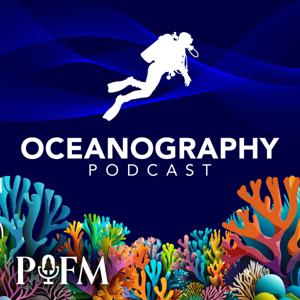


Ocean science only matters if people can connect with it. Science communicator Anabelle Chaumun explains why marine biodiversity is difficult to make visible, why misinformation can outpace evidence, and how ocean storytelling can stay accurate while still feeling human. The episode also introduces EMBRC's network of European marine stations and explores documentary photography, ethics, representation, and science communication as ways to connect research with public life.
Support our science communication by joining us on Patreon or sending us a gift on PayPal
Special thanks to the Monterey Bay Aquarium for sponsoring this episode.
Episode Guests: Anabelle Chaumun
Connect with Anabelle Chaumun on LinkedIn
Visit the European Marine Biological Resource Center (EMBRC) website
Communications: for science and society, Ministère de l'Enseignement Supérieur, de la Recherche et de l'Espace by Anabelle Chaumun
Artists residencies as part of the TREC expedition
EMBRC's latest annual report 2024
EMBRC's website
A few examples of applications of EMBRC research:
Portugal: Preventing a deadly dinner: How EMBRC Portugal’s marine research is keeping dinners safe
Greece: Innovative disease control strategies in marine aquaculture
EMBRC Political Recommendations
Episode Transcript and more information on the Pine Forest Media website
Follow Pine Forest Media on Instagram @pineforestmedia
Hosted, produced, and edited by Clark Marchese
Cover art by Jomiro Eming
Theme music by Nela Ruiz
Find some more Pine Forest Media podcasts below
Listen to Plastic Podcast on Spotify or Apple Podcasts
Listen to South Pole on Spotify or Apple Podcasts
Listen to Something in the Water on Spotify or Apple Podcasts
Hosted on Acast. See acast.com/privacy for more information.
Microplastics research has reshaped the questions. Dr. Winnie Courtene-Jones reviews what ocean microplastics science now shows about sources, movement, accumulation, and effects on marine food webs. The conversation also maps the major unknowns, including nanoplastics, fragmentation rates, and thousands of chemicals associated with plastics. It closes by connecting marine pollution research with policy and negotiations for a Global Plastics Treaty.
Support our science communication by joining us on Patreon or sending us a gift on PayPal
Special thanks to the Monterey Bay Aquarium for sponsoring this episode.
Episode Guests: Dr. Winnie Courtene-Jones
Follow Dr. Courtene Jones on Blue Sky
Find the article 20 Years of Microplastic Research: What have we learned?
Connect with the Scientists’ Coalition for an Effective Plastics Treaty on LinkedIn
Review Dr Courtene-Jones’ publications on Google Scholar
Explore artwork by Benjamin Von Wong
Listen to Plastic Podcast on Spotify or Apple Podcasts
Plastic Podcast: The Truth about Biodegradable Plastics
Plastic Podcast: Busan and Beyond - A UN Treaty on Plastics
Episode Transcript and more information on the Pine Forest Media website
Follow Pine Forest Media on Instagram @pineforestmedia
Hosted, produced, and edited by Clark Marchese
Cover art by Jomiro Eming
Theme music by Nela Ruiz
Find some more Pine Forest Media podcasts below
Listen to Plastic Podcast on Spotify or Apple Podcasts
Listen to Something in the Water on Spotify or Apple Podcasts
Hosted on Acast. See acast.com/privacy for more information.
A marine heat wave can make the land even hotter. Japan Meteorological Agency scientist Hirotaka Sato explains how the 2023 marine heat wave near northern Japan amplified record-breaking summer temperatures onshore. The episode traces ocean-atmosphere heat transfer, cloud and humidity feedbacks, and weakened sea-breeze cooling to show how unusually warm water can intensify extreme heat and complicate climate forecasting and coastal adaptation.
Support our science communication by joining us on Patreon or sending us a gift on PayPal
Special thanks to the Monterey Bay Aquarium for sponsoring this episode.
Episode Guests: Mr. Hirotaka Sato
Find the article we discussed, Impact of an unprecedented marine heatwave on extremely hot summer over Northern Japan in 2023.
Review Mr. Sato’s publications on Google Scholar
Visit the Japan Meterological Agency’s Website
JMA Annual Report on Extreme Cliamte Events
JMA Report on Climate Change in Japan 2025
Episode Transcript and more information on the Pine Forest Media website
Follow Pine Forest Media on Instagram @pineforestmedia
Hosted, produced, and edited by Clark Marchese
Cover art by Jomiro Eming
Theme music by Nela Ruiz
Find some more Pine Forest Media podcasts below:
Listen to South Pole on Spotify or Apple Podcasts
Listen to Plastic Podcast on Spotify or Apple Podcasts
Listen to Something in the Water on Spotify or Apple Podcasts
Hosted on Acast. See acast.com/privacy for more information.
Oil-spill science starts long before a disaster. Marine microbial oceanographer Dr. Alice Ortmann explains why baseline ocean data are essential for detecting change around offshore oil and gas activity near Newfoundland. Learn what counts as an oil spill, how oil and methane move through the water, and how marine microbes help researchers assess deep sea ecosystem health, pollution risk, and environmental response before and after an incident.
Support our science communication by joining us on Patreon or sending us a gift on PayPal
Special thanks to the Monterey Bay Aquarium for sponsoring this episode.
Episode Guests: Dr. Alice Ortmann
Connect with Dr. Ortamnn on LinkedIn
Find Dr. Ortmann’s publications on Google Scholar
Visit the Marine Microbiome Forum
Episode Transcript and more information on the Pine Forest Media website
Follow Pine Forest Media on Instagram @pineforestmedia
Hosted, produced, and edited by Clark Marchese
Cover art by Jomiro Eming
Theme music by Nela Ruiz
Find some more Pine Forest Media podcasts below:
Listen to South Pole on Spotify or Apple Podcasts
Listen to Plastic Podcast on Spotify or Apple Podcasts
Listen to Something in the Water on Spotify or Apple Podcasts
Hosted on Acast. See acast.com/privacy for more information.
For 50 years, one ship carried ocean science to sea. As the R/V Endeavor retires, operations manager Brendan Thornton and veteran captain Chris Arminetti look back on the people, expeditions, and practical work that kept a floating laboratory running. The conversation follows the research vessel's final voyage, its role in training generations of oceanographers, and what its legacy means for the next generation of ocean research infrastructure.
Support our science communication by joining us on Patreon or sending us a gift on PayPal
Special thanks to the Monterey Bay Aquarium for sponsoring this episode.
Episode Guests: Brendan Thorton and Chris Armanetti
Learn more about the R/V Endeavor Here:
Meet the next chapter: the Narragansett Dawn
Discover the University of Rhode Island’s Oceanographic Research here
Episode Transcript and more information on the Pine Forest Media website
Follow Pine Forest Media on Instagram @pineforestmedia
Hosted, produced, and edited by Clark Marchese
Cover art by Jomiro Eming
Theme music by Nela Ruiz
Find some more Pine Forest Media podcasts below:
Listen to South Pole on Spotify or Apple Podcasts
Listen to Plastic Podcast on Spotify or Apple Podcasts
Listen to Something in the Water on Spotify or Apple Podcasts
Hosted on Acast. See acast.com/privacy for more information.
COP30 exposed the distance between promises and power. Clark Marchese closes the Belém reporting arc with a broader analysis of climate policy, scientific reports, carbon markets, emissions, China's energy transition, the United States' absence, and the meaning of a just transition. With Carola Mejía of Latindadd, the episode examines the Tropical Forest Forever Facility and the tensions among climate finance, Indigenous stewardship, international power, and forest protection.
Support our science communication by joining us on Patreon or sending us a gift on PayPal
10 New Insights in Climate Science
Nation article
No mention of fossil fuels
1600 + fossil fuel lobbyists at COP 30
Indigenous Flotilla
Climate Home News Indigenous access to COP30
Climate Tracker Report
Episode Guest: Carola Mejía
Latindadd
TFFF: A False Solution
Asamblea Against the TFFF
Devex: TFFF Origin Story
Hosted, produced, and edited by Clark Marchese
Cover art by Jomiro Eming
Theme music by Nela Ruiz
Follow Pine Forest Media on Instagram @pineforestmedia and find more resources on our website
Find some more Pine Forest Media podcasts below:
Listen to South Pole on Spotify or Apple Podcasts
Listen to Plastic Podcast on Spotify or Apple Podcasts
Listen to Something in the Water on Spotify or Apple Podcasts
Hosted on Acast. See acast.com/privacy for more information.
The ocean took center stage at COP30. This episode of Oceanography explores how ocean science, policy, and lived experience shaped the climate conversations at COP30 in Belém, Brazil. From marine carbon dioxide removal and blue carbon ecosystem restoration to funding gaps and governance challenges, the episode traces how the ocean is increasingly framed as both a climate solution and a site of urgent risk. It also examines what COP30 delivered for the ocean, where progress was made, where ambition fell short, and why adaptation, ocean climate finance, and follow-through remain unresolved. Grounded in reporting from the Ocean Pavilion and informed by broader analysis, this episode reflects on what it really means for oceans to rise on the global climate agenda.
Support our science communication by joining us on Patreon or sending us a gift on PayPal
Follow Pine Forest Media on Instagram @pineforestmedia
Hosted, produced, and edited by Clark Marchese
10 New Insights in Climate Science for 2025 by Future Earth
Cover art by Jomiro Eming
Theme music by Nela Ruiz
Find some more Pine Forest Media podcasts below:
Listen to South Pole on Spotify or Apple Podcasts
Listen to Plastic Podcast on Spotify or Apple Podcasts
Listen to Something in the Water on Spotify or Apple Podcasts
Hosted on Acast. See acast.com/privacy for more information.
Voices from Belém COP30 brought global climate negotiations to Belém, a city where the Amazon meets the sea. This episode offers a grounded introduction to the conference by centering the people who live there. Activist Catarina Nefertari and artist and event producer Danilo Pontes share what the event meant for their communities, the environmental challenges facing Pará, and how local experiences shape the wider climate conversation.Their perspectives connect Amazon conservation, coastal communities, culture, inequality, and environmental policy, grounding COP30 in the city and region hosting it rather than in conference language alone. This is the first part of a three-episode COP30 series, providing essential context on the host city before turning to ocean science and international negotiation dynamics in the episodes ahead.
Support our science communication by joining us on Patreon or sending us a gift on PayPal
Episode Guests: Catarina Nefertari and Danilo Pontes
Learn more about Amazônia de Pé, Our Kid’s Climate, and Laboratório da Cidade.
Find Danilo’s artistic portfolio here
Episode Transcript and more information on the Pine Forest Media website
Follow Pine Forest Media on Instagram @pineforestmedia
Hosted, produced, and edited by Clark Marchese
Cover art by Jomiro Eming
Theme music by Nela Ruiz
Find some more Pine Forest Media podcasts below:
Listen to South Pole on Spotify or Apple Podcasts
Listen to Plastic Podcast on Spotify or Apple Podcasts
Listen to Something in the Water on Spotify or Apple Podcasts
Hosted on Acast. See acast.com/privacy for more information.
Kelp forests support wildlife, coastlines, and culture. Scott Bohachyk of Ocean Wise and James LaFlamme of the Tseshaht First Nation discuss kelp forest restoration on Vancouver Island. Learn how seaforestation supports biodiversity, buffers shorelines, and participates in carbon cycling, as well as why Indigenous stewardship shapes where and how restoration happens. The episode treats kelp as an ecosystem and a relationship, not a simple climate technology.
Support our science communication by joining us on Patreon or sending us a gift on PayPal
Special thanks to the Monterey Bay Aquarium for sponsoring this episode.
Episode Guests: Scott Bohachyk and James LaFlamme
Find more about OceanWise and the SeaForestation Project
Visit the website of the Tseshaht First Nation
The cause of wasting disease, discovered by the Hakai Research Institue
Episode Transcript and more information on the Pine Forest Media website
Follow Pine Forest Media on Instagram @pineforestmedia
Hosted, produced, and edited by Clark Marchese
Cover art by Jomiro Eming
Theme music by Nela Ruiz
Find some more Pine Forest Media podcasts below:
Listen to South Pole on Spotify or Apple Podcasts
Listen to Plastic Podcast on Spotify or Apple Podcasts
Listen to Something in the Water on Apple Podcasts
Hosted on Acast. See acast.com/privacy for more information.
A film festival can turn a screening into action. Julie Anderson of Plastic Oceans International explains how the Trees & Seas Film Festival links environmental storytelling with community participation. Through participatory film activism and the Blue Communities model, screenings become starting points for local dialogue, education, cleanups, and longer-term conservation work. The episode asks how science communication can move audiences from awareness to involvement..
Support our science communication by joining us on Patreon or sending us a gift on PayPal
Episode Guest. Julie Anderson
Find more about Plastic Oceans International and the Blue Communities here
Learn more about the Trees & Seas Film Festival here
Access the SEE Positive Change film library here
More on The Illusion of Abundance here
Episode Transcript and more information on the Pine Forest Media website
Follow Pine Forest Media on Instagram @pineforestmedia
Hosted, produced, and edited by Clark Marchese
Cover art by Jomiro Eming
Theme music by Nela Ruiz
Find some more Pine Forest Media podcasts below:
Listen to South Pole on Spotify or Apple Podcasts
Listen to Plastic Podcast on Spotify or Apple Podcasts
Listen to Something in the Water on Spotify or Apple Podcasts
Hosted on Acast. See acast.com/privacy for more information.
From the publisher's feed
The ocean is never separate from human life. Oceanography is a marine science podcast about what we know, how we know it, and what we choose to do with that knowledge.
Hosted by science…
Each episode makes complex research accessible without flattening it, connecting marine biology and ocean discovery with conservation, technology, justice, power, and global policy. Expect deep-dive interviews, narrative explainers, and field reporting grounded in curiosity, rigor, and the belief that understanding the ocean should help us care for it.
Oceanography is an endorsed activity of the United Nations Decade of Ocean Science for Sustainable Development and is produced by Pine Forest Media
Hosted on Acast. See acast.com/privacy for more information.

90,991 Listeners
5,664 Listeners
12,175 Listeners
87,077 Listeners
1,247 Listeners
969 Listeners
16,364 Listeners
460 Listeners
6,584 Listeners
90 Listeners

15,915 Listeners
2,316 Listeners

10,782 Listeners
9 Listeners
4 Listeners
6 Listeners
1 Listeners
37 Listeners