
Sign up to save your podcasts
Or

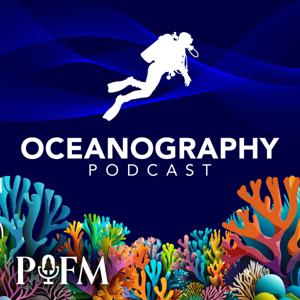


A bottle of seawater can reveal an entire ecosystem. Dr. Michael Bunce, director of OceanOmics, explains how environmental DNA and genomics detect organisms from microbes to megafauna. Follow an eDNA sample from deck to laboratory to digital dashboards, where AI tools can help interpret complex data for fisheries and marine protected areas. The episode also explores DNA barcoding, species identification, and citizen science in marine monitoring.
Episode Guest. Dr. Michael Bunce
Find all Dr. Bunce’s publications on Google Scholar
Learn more on the OceanOmics webpage and explore the OceanOmics Dashboard
Discover the work of the Minderoo Foundation on their website and on Instagram
Listen to the other PFM interview with a team of Minderoo scientists on the impacts of plastic on human health
Episode Transcript and more information on the Pine Forest Media website
Follow Pine Forest Media on Instagram @pineforestmedia
Hosted, produced, and edited by Clark Marchese
Cover art by Jomiro Eming
Theme music by Nela Ruiz
Find some more Pine Forest Media podcasts below:
Listen to South Pole on Spotify or Apple Podcasts
Listen to Plastic Podcast on Spotify or Apple Podcasts
Listen to Something in the Water on Spotify or Apple Podcasts
Hosted on Acast. See acast.com/privacy for more information.
Antarctica stores carbon far below the sea ice. Marine ecologist Dr. Nerissa Bax explains Antarctic blue carbon and the role that seafloor communities, including sponge fields and coral gardens, play in carbon uptake and storage. The conversation explores how ice retreat can alter these systems, what researchers still need to measure, and why Southern Ocean conservation and governance matter for protecting a major but under-recognized carbon cycle.
Support our science communication by joining us on Patreon or sending us a gift on PayPal
Episode Transcript and more information on the Pine Forest Media website
Follow Pine Forest Media on Instagram @pineforestmedia
Hosted, produced, and edited by Clark Marchese
Find Dr. Narissa Bax website here.
Read Dr Bax’s publication: The Growing Potential of Antarctic Blue Carbon
Find all Dr. Bax’s publications on Google Scholar
Cover art by Jomiro Eming
Theme music by Nela Ruiz
Find some more Pine Forest Media podcasts below:
Listen to South Pole on Spotify or Apple Podcasts
Listen to Plastic Podcast on Spotify or Apple Podcasts
Listen to Something in the Water on Spotify or Apple Podcasts
Hosted on Acast. See acast.com/privacy for more information.
Climate Week put the ocean inside the climate debate. Reporting from New York Climate Week, host Clark Marchese follows the ocean issues shaping a much larger global gathering. The episode connects Indigenous leadership, the changing role of NOAA, coral restoration, conservation finance, and emerging ocean technologies. It is an on-the-ground account of how marine science, policy, and storytelling compete for attention within the climate conversation.
Support our science communication by joining us on Patreon or sending us a gift on PayPal
Episode Transcript and more information on the Pine Forest Media website
Follow Pine Forest Media on Instagram @pineforestmedia
Hosted, produced, and edited by Clark Marchese
Learn more about New York Climate Week
Trump administration pushes ahead with NOAA climate and weather cuts - article from science.org
Immerse yourself in the the work of artist Benjamin Van Wong on his website or on Instagram
Listen to the Wiser World Podcast https://wiserworld.com/
Cover art by Jomiro Eming
Theme music by Nela Ruiz
Find some more Pine Forest Media podcasts below:
Listen to South Pole on Spotify or Apple Podcasts
Listen to Plastic Podcast on Spotify or Apple Podcasts
Listen to Something in the Water on Spotify or Apple Podcasts
Hosted on Acast. See acast.com/privacy for more information.
The ocean twilight zone is vast, active, and at risk. Ocean Conservancy's Chris Dorsett guides us through the mesopelagic zone, roughly 200 to 1,000 meters below the surface. The episode explores daily vertical migration, biodiversity, the biological carbon pump, and growing interest in industrial fishing and other uses of this little-known ecosystem. It also examines Motion 035 and the case for science-based protection before exploitation expands.
Support our science communication by joining us on Patreon or sending us a gift on PayPal
Episode Guest: Chris Dorsett
Learn more about Chris Dorsett and Ocean Conservency here
Read Motion 035
Follow the IUCN World Conference and find the full list of motions here
Follow Ocean Conservancy on Instagram , Blue Sky, LinkedIn
Episode Transcript and more information on the Pine Forest Media website
Follow Pine Forest Media on Instagram @pineforestmedia
Hosted, produced, and edited by Clark Marchese
Cover art by Jomiro Eming
Theme music by Nela Ruiz
Find some more Pine Forest Media podcasts below:
Listen to South Pole on Spotify or Apple Podcasts
Listen to Plastic Podcast on Spotify or Apple Podcasts
Listen to Something in the Water on Spotify or Apple Podcasts
Hosted on Acast. See acast.com/privacy for more information.
Antarctic fish evolved for an ocean near freezing. Marine biologist Dr. Jilda Alicia Caccavo explores pelagic notothenioids, including commercially fished toothfish and the icefish known for colorless blood. Learn how antifreeze proteins and genomic traits support life in the Southern Ocean, how climate genomics reveals population vulnerability, and why changing ocean conditions should inform Antarctic fisheries management.
Support our science communication by joining us on Patreon or sending us a gift on PayPal
Episode Guest: Dr. Jilda Caccavo
Learn more about Dr. Jilda Caccavo on her website
Find more of Dr. Jilda Caccavo’s work on Google Scholar
Listen to South Pole on Spotify or Apple Podcasts
Episode Transcript and more information on the Pine Forest Media website
Follow Pine Forest Media on Instagram @pineforestmedia
Hosted, produced, and edited by Clark Marchese
Cover art by Jomiro Eming
Theme music by Nela Ruiz
Listen to Plastic Podcast on Spotify or Apple Podcasts
Listen to Something in the Water on Spotify or Apple Podcasts
CeiSt4WDIdvmC1xmWwmU
yY6BQrpw3kt731yhHroD
Hosted on Acast. See acast.com/privacy for more information.
How do you tell the difference between sound science and pseudoscience? In this special feed drop from All Around Science, we explore the red flags that signal when claims aren’t backed by real evidence — and how to think critically about the information we encounter every day.
At Pine Forest Media, our mission is to make science more accessible, reliable, and engaging. That doesn’t just mean sharing discoveries from the ocean or Antarctica — it also means equipping listeners with the tools to recognize when science is being misrepresented. This episode is a valuable resource for anyone who cares about scientific literacy, public trust, and separating fact from fiction.
Listen in for a practical, thoughtful conversation that will leave you better prepared to spot pseudoscience in the wild.
Stream the All Around Science on Spotify or Apple Podcasts
Find the All Around Science website here
More information on the Pine Forest Media website
Follow Pine Forest Media on Instagram @pineforestmedia
Hosted, produced, and edited by Clark Marchese
Cover art by Jomiro Eming
Theme music by Nela Ruiz
Listen to Plastic Podcast on Spotify or Apple Podcasts
Listen to South Pole on Spotify or Apple Podcasts
Listen to Something in the Water on Spotify or Apple Podcasts
Hosted on Acast. See acast.com/privacy for more information.
Ghana's first Dive Lab brings ocean science underwater. George Amadou and filmmaker David Selasi Kuwornu explain how Coral Reef Restoration Ghana trains marine biology students in scuba diving and underwater cinematography. The six-day program addresses barriers to ocean access while building local skills in reef monitoring and science communication. The episode also examines coral reef threats, destructive fishing, and locally led marine conservation in West Africa.
Support our science communication by joining us on Patreon or sending us a gift on PayPal
Episode Guest: George Amadou and David Selasi Kuwornu
Learn more about Coral Reefstoration Ghana on their Instagram @coralreefsgh
Follow Coral Reefstoration Ghana on YouTube
Listen to the Wiser World Podcast https://wiserworld.com/
Episode Transcript and more information on the Pine Forest Media website
Follow Pine Forest Media on Instagram @pineforestmedia
Hosted, produced, and edited by Clark Marchese
Cover art by Jomiro Eming
Theme music by Nela Ruiz
Find some more Pine Forest Media podcasts below:
Listen to South Pole on Spotify or Apple Podcasts
Listen to Plastic Podcast on Spotify or Apple Podcasts
Listen to Something in the Water on Spotify or Apple Podcasts
Hosted on Acast. See acast.com/privacy for more information.
Marine protected areas need more than a boundary. Jamie Blatter of the California Marine Protected Area Collaborative Network explains how MPAs are designed, monitored, and maintained. The conversation explores community partnerships, Tribal participation, climate readiness, and the evidence used to assess whether protection is working. A practical look at how marine protected areas turn ocean research into long-term conservation policy.
Support our science communication by joining us on Patreon or sending us a gift on PayPal
Episode Guest: Jamie Blatter
Learn more about the California Marine Protected Area Collaborative Network
Find 500 Queer Scientists Here
Further Reading on Queer Ecology
Episode Transcript and more information on the Pine Forest Media website
Follow Pine Forest Media on Instagram @pineforestmedia
Hosted, produced, and edited by Clark Marchese
Cover art by Jomiro Eming
Theme music by Nela Ruiz
Listen to Plastic Podcast on Spotify or Apple Podcasts
Listen to South Pole on Spotify or Apple Podcasts
Listen to Something in the Water on Spotify or Apple Podcasts
Hosted on Acast. See acast.com/privacy for more information.
Plankton help move carbon into the deep ocean. PhD candidate Erin Jones explains how microzooplankton shape the biological carbon pump, a system that transfers carbon through marine food webs and into deeper waters. Learn why plankton diversity matters, what scientists still do not understand about carbon export, and how NASA EXPORTS connects field measurements with satellite observations to study this climate-regulating process at ocean scale.
Support our science communication by joining us on Patreon or sending us a gift on PayPal
Episode Guest: Erin Jones
Connect with Erin on LinkedIn
Learn more about the NASA EXPORTS Program
Episode Transcript and more information on the Pine Forest Media website
Follow Pine Forest Media on Instagram @pineforestmedia
Hosted, produced, and edited by Clark Marchese
Cover art by Jomiro Eming
Theme music by Nela Ruiz
Listen to Plastic Podcast on Spotify or Apple Podcasts
Listen to South Pole on Spotify or Apple Podcasts
Listen to Something in the Water on Spotify or Apple Podcasts
Hosted on Acast. See acast.com/privacy for more information.
Ocean bioluminescence is more than a blue glow. Marine ecophysiologist Dr. Laurent Duchatelet explains how living light works and why sharks, fish, and plankton use it for hunting, camouflage, defense, and communication. The episode explores luciferin and luciferase chemistry, rare red light in the deep sea, bioluminescent sharks, and how studying marine light can support new biomedical research.
Support our science communication by joining us on Patreon or sending us a gift on PayPal
Episode Guest: Dr. Laurent DuChatelet
Learn more about Dr. Laurent DuChatelet at UCLouvain
Read Dr. DuChatelet’s article on Marine Bioluminescence.
Find more of Dr. DuChatelet’s publications on Research Gate.
Blue Glowing Beaches Around the World
Episode Transcript and more information on the Pine Forest Media website
Follow Pine Forest Media on Instagram @pineforestmedia
Hosted, produced, and edited by Clark Marchese
Cover art by Jomiro Eming
Theme music by Nela Ruiz
Listen to Plastic Podcast on Spotify or Apple Podcasts
Listen to South Pole on Spotify or Apple Podcasts
Listen to Something in the Water on Spotify or Apple Podcasts
Hosted on Acast. See acast.com/privacy for more information.
From the publisher's feed
The ocean is never separate from human life. Oceanography is a marine science podcast about what we know, how we know it, and what we choose to do with that knowledge.
Hosted by science…
Each episode makes complex research accessible without flattening it, connecting marine biology and ocean discovery with conservation, technology, justice, power, and global policy. Expect deep-dive interviews, narrative explainers, and field reporting grounded in curiosity, rigor, and the belief that understanding the ocean should help us care for it.
Oceanography is an endorsed activity of the United Nations Decade of Ocean Science for Sustainable Development and is produced by Pine Forest Media
Hosted on Acast. See acast.com/privacy for more information.

90,991 Listeners
5,664 Listeners
12,175 Listeners
87,077 Listeners
1,247 Listeners

969 Listeners

16,364 Listeners
460 Listeners

6,584 Listeners
90 Listeners

15,915 Listeners
2,316 Listeners

10,782 Listeners
9 Listeners
4 Listeners
6 Listeners

1 Listeners
37 Listeners