
Sign up to save your podcasts
Or

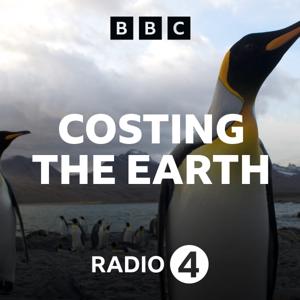

As the oceans absorb manmade carbon emissions a chemical reaction takes place which is making sea water more acidic. This subtle shift in pH level is having a profound effect on the sea animals which use calcium carbonate to form their shells and skeletons and Marine Biologists are now discovering that this could have implications across the world's oceans. Already shellfish industries in America are being adversely affected and scientists are working hard to predict how the world's fisheries might respond in the future. Professor Alice Roberts discovers there are surprising lessons to be learnt from the past and hears why immediate action is needed to prevent further threats to biodiversity.
Producer: Helen Lennard.
 View all episodes
 By BBC Radio 4

4.7
5454 ratings
As the oceans absorb manmade carbon emissions a chemical reaction takes place which is making sea water more acidic. This subtle shift in pH level is having a profound effect on the sea animals which use calcium carbonate to form their shells and skeletons and Marine Biologists are now discovering that this could have implications across the world's oceans. Already shellfish industries in America are being adversely affected and scientists are working hard to predict how the world's fisheries might respond in the future. Professor Alice Roberts discovers there are surprising lessons to be learnt from the past and hears why immediate action is needed to prevent further threats to biodiversity.
Producer: Helen Lennard.

7,639 Listeners

1,046 Listeners

5,520 Listeners

1,799 Listeners

1,763 Listeners

1,049 Listeners

1,920 Listeners

759 Listeners

111 Listeners

3,177 Listeners

1,002 Listeners
177 Listeners

2,040 Listeners