
Sign up to save your podcasts
Or


Send us Fan Mail
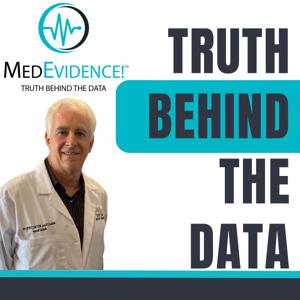
OBGYN Dr. Richard Myers joins Dr. Erich Schramm to discuss the name change from Polycystic Ovarian Syndrome (PCOS) to Polyendocrine Metabolic Ovarian Syndrome (PMOS). This syndrome is the combination of three parts: increased polyendocrine hormones (like insulin and androgens), changing metabolism, and differences in ovarian function Dr. Myers explains that the name change to PMOS reflects the changing understanding and focus of the syndrome from a purely ovarian-centered approach to a more holistic, full-body treatment regimen. The doctors also discuss how different patient desires drive different treatment options and the need for individualized, patient-centered care. They finish by looking at new treatments, including GLP-1 and GIP medications that can help address the underlying metabolic components of the PMOS.
Be a part of advancing science by participating in clinical research.
Have a question for Dr. Koren? Email him at [email protected]
Listen on Spotify
Listen on Apple Podcasts
Watch on YouTube
Share with a friend. Rate, Review, and Subscribe to the MedEvidence! podcast to be notified when new episodes are released.
Follow us on Social Media:
Facebook
Instagram
X (Formerly Twitter)
LinkedIn
Want to learn more? Checkout our entire library of podcasts, videos, articles and presentations at www.MedEvidence.com
Music: Storyblocks - Corporate Inspired
Thank you for listening!
 View all episodes
 By Dr. Michael Koren
5
77 ratings
Send us Fan Mail
OBGYN Dr. Richard Myers joins Dr. Erich Schramm to discuss the name change from Polycystic Ovarian Syndrome (PCOS) to Polyendocrine Metabolic Ovarian Syndrome (PMOS). This syndrome is the combination of three parts: increased polyendocrine hormones (like insulin and androgens), changing metabolism, and differences in ovarian function Dr. Myers explains that the name change to PMOS reflects the changing understanding and focus of the syndrome from a purely ovarian-centered approach to a more holistic, full-body treatment regimen. The doctors also discuss how different patient desires drive different treatment options and the need for individualized, patient-centered care. They finish by looking at new treatments, including GLP-1 and GIP medications that can help address the underlying metabolic components of the PMOS.
Be a part of advancing science by participating in clinical research.
Have a question for Dr. Koren? Email him at [email protected]
Listen on Spotify
Listen on Apple Podcasts
Watch on YouTube
Share with a friend. Rate, Review, and Subscribe to the MedEvidence! podcast to be notified when new episodes are released.
Follow us on Social Media:
Facebook
Instagram
X (Formerly Twitter)
LinkedIn
Want to learn more? Checkout our entire library of podcasts, videos, articles and presentations at www.MedEvidence.com
Music: Storyblocks - Corporate Inspired
Thank you for listening!

228,383 Listeners

43,528 Listeners

9,622 Listeners

11,865 Listeners
8,748 Listeners

3,457 Listeners

12,633 Listeners

1,688 Listeners

19,524 Listeners

12,143 Listeners