
Sign up to save your podcasts
Or



Send us Fan Mail
Dr. Michael Hafran joins Dr. Michael Koren to discuss new investigational gene editing therapies. They talk about what genes and gene editing are, the history of gene editing, and some of the FDA-approved therapies on the market today. They also address fears people have about gene editing and clinical trials, explain the long and intensive safety measures in place, and reveal that these therapies aren't too different from what the body does naturally, just in a more guided and specific way to address genetic problems. They finish up by talking about an investigational medication designed to reduce an overactive cholesterol-related gene and lower the incidence of heart problems.
Be a part of advancing science by participating in clinical research.
Have a question for Dr. Koren? Email him at [email protected]
Listen on Spotify
Listen on Apple Podcasts
Watch on YouTube
Share with a friend. Rate, Review, and Subscribe to the MedEvidence! podcast to be notified when new episodes are released.
Follow us on Social Media:
Facebook
Instagram
X (Formerly Twitter)
LinkedIn
Want to learn more? Checkout our entire library of podcasts, videos, articles and presentations at www.MedEvidence.com
Music: Storyblocks - Corporate Inspired
Thank you for listening!
Send us Fan Mail
Leslie Byatt joins Dr. Michael Koren to talk about leadership in the clinical research space. The two research professionals discuss the importance of qualified researchers in a research trial and the qualities that make for a good clinical research leader. They also talk about research as a treatment option and the benefits observed in research patients (even those in the placebo arm). They explain that the attention, care, and time with research professionals leads to better understanding and health for those who join, and that's on top of the altruistic benefits to science and health in general.
Be a part of advancing science by participating in clinical research.
Have a question for Dr. Koren? Email him at [email protected]
Listen on Spotify
Listen on Apple Podcasts
Watch on YouTube
Share with a friend. Rate, Review, and Subscribe to the MedEvidence! podcast to be notified when new episodes are released.
Follow us on Social Media:
Facebook
Instagram
X (Formerly Twitter)
LinkedIn
Want to learn more? Checkout our entire library of podcasts, videos, articles and presentations at www.MedEvidence.com
Music: Storyblocks - Corporate Inspired
Thank you for listening!
Send us Fan Mail
A Cardiologist & Nephrologist Go Head-to-Head, er... "Heart-to-Kidney"
Nephrologist Dr. Ali Rawabdeh joins Cardiologist Dr. Michael Koren to debate which is the bigger contributor (and problem) with high blood pressure: the heart or the kidneys. The two doctors discuss this extremely prevalent condition from their competing perspectives and give information on how different body systems can influence blood pressure. they also talk about the importance of understanding that blood pressure varies over time and that individual measurements are not the end-all of determining hypertension. They also dig into lifestyle and medical treatments for high blood pressure and upcoming genetic treatments that are currently being investigated.
Be a part of advancing science by participating in clinical research.
Have a question for Dr. Koren? Email him at [email protected]
Listen on Spotify
Listen on Apple Podcasts
Watch on YouTube
Share with a friend. Rate, Review, and Subscribe to the MedEvidence! podcast to be notified when new episodes are released.
Follow us on Social Media:
Facebook
Instagram
X (Formerly Twitter)
LinkedIn
Want to learn more? Checkout our entire library of podcasts, videos, articles and presentations at www.MedEvidence.com
Music: Storyblocks - Corporate Inspired
Thank you for listening!
Send us Fan Mail
Cardiologists Dr. Seth Baum and Dr. Michael Koren discuss the newly released top-line results from a big Lp(a) study investigating the effects of the drug pelacarsen. They talk about what Lp(a) is, why it matters, happened in the study, and what this means for other pelacarsen and Lp(a) studies worldwide. They take a deep dive into some of the factors that can reduce the effectiveness of clinical trials and explain that this particular failure doesn't undermine the theory behind controlling Lp(a) levels or the potential effectiveness of competing investigational medications. Finally, the companion cardiologists talk about what this means for people who have high Lp(a) and what they can do to help control their risks of associated heart problems.
Be a part of advancing science by participating in clinical research.
Have a question for Dr. Koren? Email him at [email protected]
Listen on Spotify
Listen on Apple Podcasts
Watch on YouTube
Share with a friend. Rate, Review, and Subscribe to the MedEvidence! podcast to be notified when new episodes are released.
Follow us on Social Media:
Facebook
Instagram
X (Formerly Twitter)
LinkedIn
Want to learn more? Checkout our entire library of podcasts, videos, articles and presentations at www.MedEvidence.com
Music: Storyblocks - Corporate Inspired
Thank you for listening!
Send us Fan Mail
Dr. Mitchell Rothstein explains that GLPs have been with us for thousands of years. He gives a brief overview of how these medications work, some of the side effects they can cause, and to mitigate things like muscle loss and GI issues through exercise and dose management.
Be a part of advancing science by participating in clinical research.
Have a question for Dr. Koren? Email him at [email protected]
Listen on Spotify
Listen on Apple Podcasts
Watch on YouTube
Share with a friend. Rate, Review, and Subscribe to the MedEvidence! podcast to be notified when new episodes are released.
Follow us on Social Media:
Facebook
Instagram
X (Formerly Twitter)
LinkedIn
Want to learn more? Checkout our entire library of podcasts, videos, articles and presentations at www.MedEvidence.com
Music: Storyblocks - Corporate Inspired
Thank you for listening!
Send us Fan Mail
Dr. Mitchell Rothstein joins Dr. Michael Koren to discuss a current trend in unapproved medicine: peptides. They investigate what peptides are, why they have become so popular, and the very real problems with getting off-market medicines through the "grey market." They also talk about the history of peptides, including why they were banned from compounding pharmacies and why they are back on the market. Tune in for history, medicine, technical detail, and politics.
Be a part of advancing science by participating in clinical research.
Have a question for Dr. Koren? Email him at [email protected]
Listen on Spotify
Listen on Apple Podcasts
Watch on YouTube
Share with a friend. Rate, Review, and Subscribe to the MedEvidence! podcast to be notified when new episodes are released.
Follow us on Social Media:
Facebook
Instagram
X (Formerly Twitter)
LinkedIn
Want to learn more? Checkout our entire library of podcasts, videos, articles and presentations at www.MedEvidence.com
Music: Storyblocks - Corporate Inspired
Thank you for listening!
Send us Fan Mail
Dr. Steve Dorman joins Dr. Michael Koren to talk about vaccines, vaccine hesitancy, and the impact of politics on one of our most effective tools against disease. The doctoral duo, recorded in front of a live audience, talk about the big impacts of vaccines, including wiping out entire diseases like smallpox. They continue by cataloging success stories of vaccines, vaccine efficacy, and the emerging role of politics in vaccine adoption. They discuss the current administration's role in affecting vaccine science and adoption and weigh the importance of individual circumstance against herd immunity and population-wide effects.
Be a part of advancing science by participating in clinical research.
Have a question for Dr. Koren? Email him at [email protected]
Listen on Spotify
Listen on Apple Podcasts
Watch on YouTube
Share with a friend. Rate, Review, and Subscribe to the MedEvidence! podcast to be notified when new episodes are released.
Follow us on Social Media:
Facebook
Instagram
X (Formerly Twitter)
LinkedIn
Want to learn more? Checkout our entire library of podcasts, videos, articles and presentations at www.MedEvidence.com
Music: Storyblocks - Corporate Inspired
Thank you for listening!
Send us Fan Mail
Dr. John Shufeldt joins Dr. Mitchell Rothstein to discuss his life and the need for change in the US healthcare system. Dr. Shufeldt talks about the changes he has made in the healthcare space, from starting urgent care clinics in the 1990s to his healthcare venture capitol to his focus on indigenous populations and training the new generation of doctors. The two discuss the need for doctors to have a more flexible mind frame, the burgeoning role of AI in healthcare, and a focus on treating to biomarkers instead of treating to symptoms. Join the fascinating conversation with this healthcare disruptor.
Be a part of advancing science by participating in clinical research.
Have a question for Dr. Koren? Email him at [email protected]
Listen on Spotify
Listen on Apple Podcasts
Watch on YouTube
Share with a friend. Rate, Review, and Subscribe to the MedEvidence! podcast to be notified when new episodes are released.
Follow us on Social Media:
Facebook
Instagram
X (Formerly Twitter)
LinkedIn
Want to learn more? Checkout our entire library of podcasts, videos, articles and presentations at www.MedEvidence.com
Music: Storyblocks - Corporate Inspired
Thank you for listening!
Send us Fan Mail
In this MedEvidence rebroadcast, Dr. Albert Lopez explains lipoprotein(a), a genetically determined heart disease risk factor which still strikes people with “good” cholesterol. He also explains that plaque behaves like an inflammatory volcano that can rupture without warning. Dr. Lopez goes into how lipoprotein(a) increases the risk of heart attack, stroke, and aortic valve disease. Dr. Lopez then hammers home how important testing for Lp(a) is, especially for those at an increased risk.
Be a part of advancing science by participating in clinical research.
Have a question for Dr. Koren? Email him at [email protected]
Listen on Spotify
Listen on Apple Podcasts
Watch on YouTube
Share with a friend. Rate, Review, and Subscribe to the MedEvidence! podcast to be notified when new episodes are released.
Follow us on Social Media:
Facebook
Instagram
X (Formerly Twitter)
LinkedIn
Want to learn more? Checkout our entire library of podcasts, videos, articles and presentations at www.MedEvidence.com
Music: Storyblocks - Corporate Inspired
Thank you for listening!
Send us Fan Mail
Cardiologist and Clinical Researcher Dr. Michael Koren joins Eric Ross from "What the Health Just Happened" to talk about a wide range of topics. They discuss the history of clinical research in healthcare, the changing landscape of research in America and around the world, what's healthy (and what's not) in popular culture, and the emerging field of gene editing. They even talk about Dr. Koren's misadventures trying to get tickets to the FIFA World Cup!
Be a part of advancing science by participating in clinical research.
Have a question for Dr. Koren? Email him at [email protected]
Listen on Spotify
Listen on Apple Podcasts
Watch on YouTube
Share with a friend. Rate, Review, and Subscribe to the MedEvidence! podcast to be notified when new episodes are released.
Follow us on Social Media:
Facebook
Instagram
X (Formerly Twitter)
LinkedIn
Want to learn more? Checkout our entire library of podcasts, videos, articles and presentations at www.MedEvidence.com
Music: Storyblocks - Corporate Inspired
Thank you for listening!
From the publisher's feed
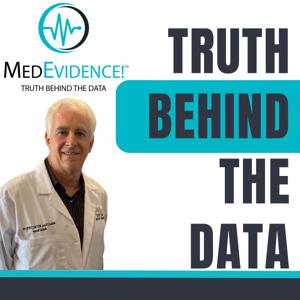
Welcome to the MedEvidence! podcast, hosted by Dr. Michael Koren. MedEvidence, where we help you navigate the real truth behind medical research with both a clinical and research perspective. In…

227,562 Listeners

43,324 Listeners
9,616 Listeners

11,777 Listeners

8,463 Listeners
3,424 Listeners
12,515 Listeners

1,652 Listeners

19,270 Listeners

12,495 Listeners