
Sign up to save your podcasts
Or

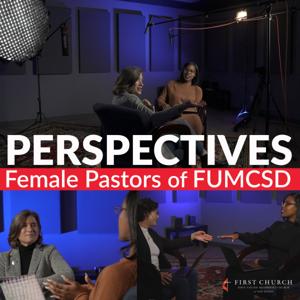


Jesus didn’t say, “Meet me at the temple.” He said, “Follow me.” And he meant right then and there. So, what does it mean to follow Jesus today? How might God be calling you to respond—and why are we still standing still?
In this episode of Perspectives FUMCSD Pastors Podcast, Rev. Trudy is joined by Garrett Doss-Ganucheau, Director of Stewardship & Development at First United Methodist Church of San Diego, to explore Mark 1:16–20 and the call of Jesus’ first disciples.
From recognizing God’s persistent nudges to discovering how our everyday work can serve a greater purpose, this conversation explores why following Jesus is about more than Sunday worship or financial giving. It’s about how we use our gifts, show up in the world, and respond when the Spirit calls us somewhere new.
In this episode, we explore:
This is the first episode in our “What Does It Mean to Follow Jesus Today?” series. Next, we’ll turn our attention to the church’s mission and ask: What is the church here to do today?
Reflection Questions
Continue the Conversation
Whether you're exploring progressive Christianity, deconstructing your faith, studying the Bible, pursuing justice, wrestling with theology, or simply asking honest questions about Scripture, we invite you to join the conversation:
Timestamps
00:00 Why Is Jesus Calling Us to Follow?
01:11 The Call of the First Disciples | Mark 1:16–20
02:57 Why Did the Disciples Follow Immediately?
04:27 Recognizing God's Nudges in Your Life
06:58 What Does Stewardship Really Mean?
08:26 Bringing Your Career and Gifts to the Church
10:19 Is There Really Such a Thing as a Secular Job?
12:13 What's Different About Working for a Church?
15:28 Following Jesus Into Uncomfortable Places
17:54 Pastors as Fellow Travelers, Not Just Leaders
19:20 Why the Church Can't Stay in One Place
21:33 Jesus Still Calls: What’s Your Response?
22:29 Reflection Questions: Where Is God Calling You?
When we're in the dark, God's word can still come to us … but it may be a hard, messy word. And sometimes, hearing that word means being willing to tell the truth about what we see around us, even if that hurts.
In this episode of Perspectives, Revs. Trudy and Brittany turn to the prophet Jeremiah and ask what it means to listen for God when the message isn't easy, comforting, or what we want to hear.
Jeremiah was called while he was young to deliver a difficult message to his people. His prophetic ministry involved truth-telling, resistance, suffering, and hope. And his story raises questions that still matter today.
In this conversation, the female pastors of First UMC San Diego explore:
This episode wraps up our four-week series, “God Is Still Speaking: Listening in a Noisy World,” exploring what the voice of God might sound and look like in our lives today. Previous episodes explored God’s quiet nudges and whispers, dramatic interruptions and visions, and what we do when God seems silent.
Whether you're exploring progressive Christianity, deconstructing your faith, studying the Bible, pursuing justice, wrestling with theology, or simply asking honest questions about Scripture, we invite you to join the conversation.
Reflection Questions
Continue the Conversation
Connect with our faith community in person or online as you reflect on the themes of this episode:
Timestamps
00:00 God speaks in the darkness: Jeremiah's hard word
01:33 Jeremiah's call and the challenge of being young
06:52 “Society is you”: agency and responsibility
08:10 Jeremiah, the “weeping prophet,” and the cost of truth-telling
10:31 Why churches don't always preach the prophets
12:40 Jeremiah 29:11 and the problem with prosperity theology
16:27 When we use God as a scapegoat
17:08 Christian nationalism and the “chosen people”
24:38 Prophets today: paying attention to what is happening
28:48 Three questions for reflection
What do we do when God is silent? When we pray, ask for help, and nothing seems to change? Can arguing with God actually be an act of faith?
In this episode of Perspectives FUMCSD Pastors Podcast, Revs. Trudy and Hannah explore the book of Habakkuk and what this ancient conversation with God might teach us about faith, doubt, injustice, and waiting for answers.
Habakkuk’s story is different than the other prophets. He doesn't quietly accept suffering. He asks God, “How long?” He questions what God is doing, challenges God's response, and brings his anger, anguish, and frustration directly into the relationship. And when God answers, the response doesn't immediately make things better.
Instead, Habakkuk invites us into the uncomfortable space between what is and what we hope will be—a place where faith may mean staying engaged with God even when we don't have answers.
In this conversation, the female pastors explore:
This is the third conversation in our four-week series, “God Is Still Speaking: Listening in a Noisy World,” exploring what the voice of God might sound and look like in our lives today. Next week, we'll turn to Jeremiah 33:1-3 and “A Word in the Darkness.”
Whether you're exploring progressive Christianity, deconstructing your faith, studying the Bible, pursuing justice, wrestling with theology, or simply asking honest questions about Scripture, we hope you'll join the conversation.
Reflection Questions
Continue the Conversation
Connect with our faith community in person or online as you reflect on the themes of this episode:
Timestamps
00:00 What do we do when God is silent?
00:53 Habakkuk: a prophet wrestling with silence and suffering
01:18 “How long, O Lord?” — Habakkuk's lament
02:32 Who was Habakkuk?
05:19 When God's answer doesn't make things better
07:41 Can we question or disagree with God?
09:30 Challenging our certainty about what is “righteous”
13:20 Staying in relationship with God without having answers
16:42 Our narrow view of what is righteous
20:40 Finding faith in the middle of uncertainty
24:16 Reflection questions: God's silence, faith, and blessings
What happens when God interrupts us in the middle of uncertainty, fear, and doubt? In Isaiah 6, the prophet Isaiah encounters God in a dramatic and terrifying vision—and responds, “Here I am. Send me.”
In this episode of Perspectives FUMCSD Pastors Podcast, Rev. Hannah and Rev. Brittany explore what Isaiah’s calling might teach us about hearing God, encountering God, recognizing our shortcomings, receiving grace, and responding when we sense a call to act.
Isaiah’s encounter with God doesn't happen in a peaceful or predictable moment. His calling comes at a time of political uncertainty and fear, and his response begins with an honest acknowledgment of his own shortcomings. That honesty becomes pivotal in his encounter with God’s grace and his ability to respond to God’s call.
What might Isaiah’s story have to say to us today? What if we have become so accustomed to the routines of faith that we no longer expect to encounter God in unexpected ways? And what if the things we see as our shortcomings, mistakes, or “unclean lips” can become places where God meets us, transforms us, and calls us forward?
As the female pastors reflect on Isaiah’s calling, they consider what it means to listen for God in the midst of uncertainty, to bring our whole selves into sacred spaces, and to move beyond shame toward grace and action.
In this conversation, they explore:
This is the second conversation in our four-week series, “God Is Still Speaking: Listening in a Noisy World,” exploring what the voice of God might sound and look like in our lives today. Next week, we'll turn to Habakkuk and explore “The Long Silence”
Whether you're exploring progressive Christianity, deconstructing your faith, studying the Bible, pursuing justice, wrestling with theology, or simply asking honest questions about Scripture, we hope you'll join the conversation.
Reflection Questions
Continue the Conversation
Connect with our faith community in person or online as you reflect on the themes of this episode:
Timestamps
00:00 When God Interrupts Us
00:20 Isaiah’s Dramatic Encounter With God
05:11 When Encountering God Is Beautiful—and Terrifying
07:23 What Isaiah’s Humility Teaches Us
10:23 Confession, Shame & Receiving God’s Grace
12:44 Do We Expect to Encounter God?
14:45 God Doesn’t Bless Us Just for Ourselves
16:49 Is God Bigger Than the Church?
18:54 “Whom Shall I Send?” → “Here I Am. Send Me.”
22:56 Can Our Shortcomings Become Gifts?
25:23 Reflection Questions
In a noisy world, it can be hard to hear anything—let alone a whisper from God. So how do we know when God is speaking? And what gets in the way of our ability to listen?
Kicking off Season 4 of Perspectives FUMCSD Pastors Podcast and our four-week series “God Is Still Speaking: Listening in a Noisy World,” Revs. Trudy and Brittany explore the story of Samuel’s call in 1 Samuel 3:1-10—and what this ancient story might have to say to us today.
Samuel hears a voice calling his name but doesn’t recognize it as God. Eli, exhausted and caught between his responsibilities, his family and his faith, initially doesn’t recognize it either. Together, the female pastors of First UMC of San Diego explore what it means to listen for God when we’re overwhelmed, uncertain or simply too tired to hear.
In this conversation, they explore:
The story of Samuel reminds us that God’s voice may not always come as a dramatic revelation. Sometimes it is more like a whisper—a persistent feeling, question, conviction or invitation that we can't quite let go of.
This is the first conversation in our four-week series, “God Is Still Speaking: Listening in a Noisy World,” exploring what the voice of God might sound and look like in our lives today. Next week, we'll turn to Isaiah 6:1-8 and “A Voice in the Temple.”
Whether you're exploring progressive Christianity, deconstructing your faith, studying the Bible, pursuing justice, wrestling with theology, or simply asking honest questions about Scripture, we hope you'll join the conversation.
Reflection Questions
Continue the Conversation
Connect with our faith community in person or online as you reflect on the themes of this episode:
Timestamps
00:00 Are we missing God’s whispers?
01:29 Samuel hears a voice in the night
04:11 Why is God’s voice so hard to hear?
06:38 When the demands of life drown out God
09:50 Are we simply too exhausted to listen?
12:23 What healthy leadership looks like
16:54 What does it mean for God to speak to us?
17:38 What does God’s voice sound and feel like?
20:45 Hearing God amid anxiety, corruption and social turmoil
22:21 “The lamp is still burning”
25:51 Reflection questions
What does the story of David and Goliath really teach us about faith? Is faith simply believing that God will help us defeat our “Goliaths”—or is something deeper happening when we face fear, uncertainty, and circumstances beyond our control?
In this episode of Perspectives FUMCSD Pastors Podcast, Revs. Trudy and Hannah explore 1 Samuel 17 and the story of David and Goliath through the lens of faith, Scripture, progressive Christianity, and the challenges of our world today.
David and Goliath may be one of the most familiar stories in the Bible, but it is much more complicated than a simple underdog story. Beneath the familiar tale are questions about political change, power, technology, fear, biblical storytelling, and the evolving relationship between God and the people of Israel.
The female pastors of First United Methodist Church of San Diego ask what this ancient story can teach us about Christian faith in a changing world – especially when the “Goliaths” in front of us seem overwhelming.
In this conversation, they explore:
Perhaps the biggest question is this: Would David’s faith still have mattered if he had lost?
This episode is the final conversation in our five-week series, “What We Really Mean When We Talk About…”, exploring complicated theological concepts and what they mean for our lives today. Previous episodes explored grace, forgiveness, love, and peace.
Whether you're exploring progressive Christianity, deconstructing your faith, studying the Bible, pursuing justice, wrestling with theology, or simply asking honest questions about Scripture, we hope you'll join the conversation.
Reflection Questions
Continue the Conversation
Connect with our faith community in person or online as you reflect on the themes of this episode:
Time Stamps
00:00 What does David and Goliath have to do with faith?
02:53 David and Goliath: More than a children’s story
04:27 The historical and political world of 1 Samuel
07:40 Why this story is much more complicated than it seems
11:07 Was the David and Goliath story added later?
16:04 David faces Goliath: The battle begins
18:30 Faith, fear, armor, and the power of God
21:33 Would David’s faith matter if he had lost?
25:26 What faith really means: Seeing what we can’t see
27:26 Reflection questions for your own faith
What if peace isn’t avoiding conflict but instead facing it without losing ourselves in the process?
In this episode of Perspectives, Rev. Drs. Hannah and Brittany explore what we really mean when we talk about peace through the story of Daniel—who continues to pray even when doing so puts his life at risk. Daniel doesn’t find peace by escaping a chaotic world. He finds a way to remain grounded in his faith, his values, and his sense of self while living amid political pressure, injustice, and uncertainty. So, what does Daniel have to teach us about finding peace when the world around us feels anything but peaceful?
Together, the female pastors of First United Methodist Church of San Diego explore:
Reflection Questions
This episode is part of our five-week series, “What We Really Mean When We Talk About…”, exploring complicated theological concepts and what they mean for our lives today. Next week, we'll explore what we really mean when we talk about faith. Whether you're deconstructing your faith, exploring progressive Christianity, pursuing justice, or simply asking honest questions about Scripture, we hope you'll join the conversation.
Continue the conversation:
Time Stamps
00:00 What if Peace Isn't the Absence of Conflict?
01:36 Daniel Chooses Faith in the Face of Danger
04:45 What Jealousy Can Teach Us About Knowing Who We Are
06:26 Faith, Integrity, and Living Under Political Power
07:20 Peace Doesn't Require a Perfect Situation
08:14 From a Meditation Retreat to the “Concrete Jungle”
11:15 Finding Joy and Peace in the Midst of Heartbreak
12:36 Is Daniel Practicing Mindfulness?
13:27 Peace Doesn’t Mean Giving Up the Fight
20:25 Peace Isn't Comfort—It Can Exist in Conflict
What does love actually look like when it’s difficult, uncomfortable, or undeserved?
In this episode of Perspectives, Revs. Trudy and Brittany explore what we really mean when we talk about love through the story of Jesus washing his disciples’ feet in John 13:3–9. And there's a particularly difficult question at the heart of the story: Why would Jesus wash Judas’s feet—even knowing Judas would betray him?
Together, the female pastors of First United Methodist Church of San Diego discuss:
Reflection Questions
Continue the conversation:
This episode is part of our five-week series exploring “What We Really Mean When We Talk About…” – giving us the opportunity to reflect upon and explore tricky theological concepts. Next week, we'll explore what we really mean when we talk about peace. Whether you're deconstructing your faith, exploring progressive Christianity, pursuing justice, or simply asking honest questions about Scripture, we hope you'll join the conversation.
Time Stamps
00:00 Love Is More Than What You Say
01:47 Why Would Jesus Wash His Disciples’ Feet?
04:00 Why Love Can Be Radical, Ridiculous & Uncomfortable
06:15 Why Receiving Love Can Be So Difficult
08:32 Love Requires Vulnerability
09:41 Why Did Jesus Wash Judas’s Feet?
12:25 Why Is Unconditional Love So Hard?
13:53 Love, Grace & Forgiveness: What’s the Difference?
20:44 Love Isn’t a One-Way Street
22:54 Are You Better at Giving or Receiving Love?
People might throw you away, but God will never throw you away—and God will never throw away the people who have hurt you. This is what makes forgiveness both complicated and possible.
So, what does forgiveness actually mean? Does it require us to forget? To reconcile? To restore a relationship? And what does God ask of us when someone has hurt us?
In this episode of Perspectives, Rev. Trudy and Rev. Dr. Brittany explore forgiveness through the story of Joseph and his brothers in Genesis 45. Joseph's brothers sold him into slavery, yet years later Joseph chooses to welcome them, provide for them, and seek reconciliation. But does Joseph's story mean that forgiveness is always simple—or that forgiveness always means restoring a relationship? Together, they explore:
Reflection Questions
Continue the Conversation
This episode is part of our five-week series exploring “what we really mean when we talk about…” theological concepts. Next week, we'll explore what we really mean when we talk about love. Whether you're deconstructing your faith, exploring progressive Christianity, pursuing justice, or simply asking honest questions about Scripture, we hope you'll join the conversation:
Timestamps:
00:00 What makes forgiveness complicated—and possible
00:26 The story of Joseph and his brothers
02:14 Joseph reveals himself: Genesis 45
06:22 Why forgiveness is more complicated than we think
07:36 Family, trauma, and forgiveness
12:29 Does forgiveness require forgetting?
14:17 God's providence and finding meaning
20:27 Forgiveness — a one-time decision or a lifelong process?
23:48 Forgiveness doesn't always mean reconciliation
27:21 Why we shouldn't simplify forgiveness
28:48 Reflection questions
Grace isn’t just a name or a before-dinner prayer. So, what is grace? What does the Bible say about grace? And why can it be so difficult to offer grace to others?
In this episode of Perspectives, Rev. Trudy and Rev. Hannah explore grace through the story of Jonah, the reluctant prophet who resisted God’s call to extend grace to the people of Nineveh.
Whether you're exploring progressive Christianity, wrestling with questions about Scripture and faith, or studying the Book of Jonah, this conversation invites you to consider what grace means to you today.
Beginning with Jonah 1:1-3, this episode helps you discover:
Reflection Questions
Continue the Conversation
This is the first episode in a 5-week conversation series exploring “what we really mean when we talk about…” theological concepts. Join us next week as we tackle the concept of forgiveness. In the meantime, we invite you to continue this conversation. Whether you're deconstructing your faith, exploring progressive Christianity, pursuing justice, or simply asking honest questions about Scripture, we hope you’ll join us:
Timestamps
00:00 What We Really Mean When We Talk About Grace
01:54 Jonah, Nineveh & the Problem of Grace
03:39 The Historical Context of Jonah
05:23 Is the Story of Jonah Actually a Joke?
09:19 God's Grace Has a Universal Reach
13:04 Why We Struggle to Offer Grace to Our Enemies
15:31 Can We Accept a God Whose Grace Reaches Those We Exclude?
17:27 God Is the Subject of Grace
18:32 What Is Grace? An Ocean Metaphor
23:41 Questions for Reflection: Experiencing & Offering Grace
From the publisher's feed