
Sign up to save your podcasts
Or

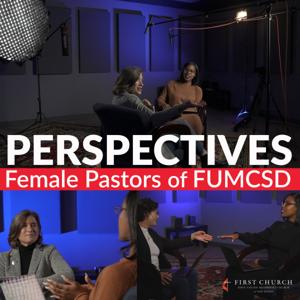


What happens when faith gets fused with politics and the church loses its prophetic voice?
In Episode 3 of The Landscape of the White Church & The American Nation, Rev. Trudy D. Robinson talks with Dr. Karl Martin about Christian nationalism, American exceptionalism, discipleship, and the struggle to keep the church’s prophetic voice alive in a divided culture.
Together they explore:
This conversation is part of a special three-part series from First United Methodist Church of San Diego exploring the intersection of Christianity, culture, race, and national identity. It invites listeners to reach beyond simplistic answers to develop a deeper way of thinking about faith, politics, discipleship, and American culture. Join the conversation and support the work on FUMCSD's Patreon channel.
About our Guest Speaker:
Dr. Karl Martin is Emeritus Professor of American Literature at Point Loma Nazarene University, where he taught for 27 years. His work focuses on American literature and culture, African American literature, and the relationship between faith and public life.
Timestamps:
00:00 Introduction to the series & today’s conversation
02:17 Why this topic became deeply personal
04:07 When nationalism replaces the prophetic voice
06:09 Politics, family division & difficult conversations
07:10 “Be More American” vs. God doing a new thing
09:10 Can some Christians become “un-American”?
11:26 Can the ends justify the means in Christian politics?
16:00 Final reflections: developing a deeper way of thinking
In Episode 2 of The Landscape of the White Church & The American Nation, Rev. Dr. Hannah Ka joins Dr. Karl Martin, Ph.D., turning deeper into the question of how faith and national identity intertwine in the United States.
If American exceptionalism shapes how we understand the nation, what happens when that belief begins to shape how we understand Christianity itself?
In this conversation, they explore Christian nationalism: What it is, why it matters, and how it can shape the way Christians understand both the Church and the nation.
Together they discuss:
This episode invites listeners to consider how deeply our assumptions about nation and faith are formed, and how we might more faithfully follow the way of Jesus in a complex and divided cultural moment.
This conversation is part of a special three-part series from First United Methodist Church of San Diego exploring the intersection of Christianity, culture, race, and national identity. Join the discussion and support the work through FUMCSD's Patreon channel.
About our Guest Speaker:
Dr. Karl Martin is Emeritus Professor of American Literature at Point Loma Nazarene University, where he taught for 27 years. His work focuses on American literature and culture, African American literature, and the relationship between faith and public life.
Timestamps:
00:00 Intro & Why This Conversation Matters
01:26 Defining Christian Nationalism and American Exceptionalism
03:37 How Christian Nationalism Shapes Identity, Church, and Culture
06:17 Signs of Christian Nationalism in Everyday Faith & Politics
09:23 How Younger Generations Respond to These Conversations
12:09 When Students Begin Rethinking Faith, Nation, and Love of Neighbor
19:15 Discernment, Listening, and What It Means to Love Your Neighbor
22:08 Reclaiming a Gospel Vision Beyond National Boundaries
In Episode 1 of The Landscape of the White Church & The American Nation, Rev. Dr. Brittany Juliette Hanlin joins Dr. Karl Martin, Ph.D. for a thoughtful conversation about American exceptionalism, Christianity, patriotism, and the role of the Church in public life.
What happens when devotion to nation begins to shape discipleship to Jesus? How do Christians distinguish between what is sacred and what is secular? And how might American exceptionalism contribute to Christian nationalism in the United States?
Together they explore:
This conversation is part of a special three-part series from First United Methodist Church of San Diego exploring the intersection of Christianity, culture, race, and national identity. Join the conversation and support the work at FUMCSD's Patreon channel.
About Dr. Karl Martin:
Dr. Karl Martin is Emeritus Professor of American Literature at Point Loma Nazarene University, where he taught for 27 years. His work focuses on American literature and culture, African American literature, and the relationship between faith and public life.
Timestamps:
00:00 Introduction to the series
01:47 What is American exceptionalism?
03:46 When nation and church begin to blur
05:07 Sacred vs. secular in Christian thought
08:44 American exceptionalism and capitalism
11:34 The pros and cons of American exceptionalism
15:41 How patriotism appears in White churches
20:53 American exceptionalism and Christian nationalism
24:25 How Christians should respond with love of neighbor
Micah 6:8 is one of the Bible’s most quoted verses — but what does it actually mean to “do justice”?
In this episode, Rev. Trudy Robinson and Rev. Dr. Hannah Ka unpack the deeper context behind Micah’s famous words, exploring justice, sacrifice, liberation theology, ethics, humility, and embodied faith.
What sounds simple on a T-shirt turns out to be anything but simple. Together, the pastors of First UMC of San Diego discuss:
• Why Micah frames justice as a courtroom confrontation
• The difference between sacrifice, ritual, and transformed living
• Why justice is communal — not merely personal
• How faith becomes embodied through action and ethics
• The connection between justice, compassion, and public life
• Liberation theology and God’s “preferential option for the poor”
• Why “walk humbly” means more than being passive or meek
Through reflections on worship, power, repentance, and responsibility, this conversation invites listeners to rethink what God actually requires of us in difficult times: action that goes beyond niceness to a concrete plan that benefits the community as a whole. Because Micah’s message was never just about religious performance — it was about becoming people who live differently in the world.
This is part 3 of our 3-part series: The Do’s and Don’ts of Times Like These. If you missed Part 1 – walking humbly in difficult times – or Part 2 – loving kindness like Micah – be sure to listen to them.
Reflection Questions:
Continue the Discussion:
There’s so much more to discuss when it comes to Micah’s concept of loving kindness while pursuing justice. Join one of our groups to keep the discussion going by joining our In-Person Convergence on Sundays at 12 PM or our Patreon Online Community.
Timestamps:
00:00 We Quote Micah 6:8 — But Can We Live It?
02:14 Micah’s Courtroom: God’s Lawsuit Against Israel
05:07 Temple Worship, Ritual & Religious Anxiety
08:03 Why Sacrifice Misses the Point
11:00 Justice as a Way of Living, Not a Transaction
14:25 Justice, Liberation & the Preferential Option for the Poor
18:41 Public Faith, Politics & Compassion
20:19 Sacrifice, Repentance & Unintentional Harm
23:10 Embodied Faith: What We Do With Our Lives
24:02 What “Walk Humbly” Really Means
26:25 Final Reflections & Discussion Questions
How do you fight for justice without losing kindness?
In this episode of Perspectives FUMCSD Pastors Podcast, Rev. Trudy Robinson and Rev. Dr. Brittany Juliette Hanlin explore Micah’s prophetic vision of peace, justice, and loving kindness in a world shaped by conflict, fear, and division.
Through Micah 4:1-4 and the broader message of Micah 6:8, they wrestle with difficult questions that still resonate today:
The conversation explores the historical context behind the prophet Micah, the tension between justice and mercy, and how faith communities can respond to division with courage and compassion. Topics include:
This is part 2 of our 3-part series: The Do’s and Don’ts of Times Like These. If you missed Part 1 – walking humbly in difficult times – be sure to check it out
Reflection Questions:
Continue the Discussion:
There’s so much more to discuss when it comes to Micah’s concept of loving kindness while pursuing justice. Join one of our groups to keep the discussion going: In-Person Convergence, Sundays at 12 PM, and our Patreon Online Community.
Timestamps:
00:00 Intro – How do you fight for justice while staying kind?
02:33 Why prophets matter in times of war and division
07:10 Historical context: Micah, monotheism & competing worldviews
11:01 Unity vs. uniformity in faith and scripture
14:24 Is Micah’s vision of peace actually possible?
20:39 Is justice worth fighting for? Anger, oppression & hope
27:12 Can kindness and anger dance together?
25:01 Kindness as action & final reflection questions
What do you do when every voice claims to have the truth?
In our current political division, social unrest, and conflicting perspectives, it’s hard to know what – or who – to trust. In this episode of Perspectives FUMCSD Pastors Podcast, Rev. Trudy Robinson and Rev. Dr. Hannah Ka turn to an unexpected voice: the prophet Micah.
Though written over 2,700 years ago, Micah’s words feel strikingly relevant today.
The female pastors of First UMC of San Diego explore:
This conversation is based on Micah 3:4-12 and is the first of three conversations surrounding Micah’s well-known proclamation to “walk humbly, love kindness, and do justice.” Because in times of uncertainty like these, Micah’s words remind us that faith isn’t about certainty – it’s about humility, justice, and courage.
Reflection Questions:
Continue the Discussion:
There’s so much more to discuss when it comes to Micah’s concept of walking humbly with God. Join one of our groups to keep the discussion going: In-Person Convergence, in the Chapel on Sundays at 12 PM, or our Patreon Online Community.
Timestamps:
00:00 When Truth Feels Impossible to Find
02:17 Micah’s Warning: Corruption, Power, and Silence
04:56 Personal vs. Social Holiness
06:03 Why Ancient Times Feel Like Today
08:20 Speaking Truth to Power (Then and Now)
11:12 The Cost Living Your Calling vs. Pleasing People
15:37 Listening to the Voices That Are Silenced
17:42 Christian Nationalism & Micah’s Warning
21:22 Power vs. Love: How Do We Discern Truth?
25:14 Closing Reflections & Discussion Questions
Apostle Paul: Was he right or was he wrong? Have Christians misunderstood him for centuries?
That’s what Revs. Trudy and Brittany explore in this conversation of Perspectives FUMCSD Pastors Podcast. Join the two female pastors as they talk Apostle Paul, resurrection, salvation, end-times theology, Christian nationalism, and what matters most in following Jesus today.
The Apostle Paul is one of Christianity’s most debated figures. Some Christians deeply value Paul’s letters. Others struggle with how his words have been used to exclude, shame, or harm people. Can both be true?
Together, they explore:
In this third and final conversation of our “The Grace of the Passion Series,” we’re reminded that faith isn’t about getting every doctrine perfect. But instead, it’s about loving God and loving neighbor.
Join the conversation with these reflection questions:
Need a conversation partner? Chat online with our Patreon community or join Convergence, our in-person discussion group that meets Sundays at 12 PM.
Timestamps:
00:00 Intro: Was Apostle Paul right or wrong?
04:08 Why Paul focuses on resurrection, not Jesus’ life
08:32 Do Christians overemphasize personal salvation?
10:20 Was Paul misunderstood and taken out of context?
16:12 Christian nationalism & end-times theology
19:12 We don’t have to take everything literally
22:23 Hope requires action, not belief alone
28:21 We don’t have to get it right—what matters most
What if faith isn't about having clarity, but about showing up even when you don't understand?
In this episode of Perspectives FUMCSD Pastors Podcast, Revs. Hannah and Brittany explore the story of Doubting Thomas in John 20:19-25 and offer a powerful reframe: What if Thomas wasn’t lacking faith but longing for a deeper, personal encounter with Christ?
Using their theological imagination, they make a case for Thomas’ deep faith in Jesus, arguing that perhaps his doubts weren’t in the risen Christ but the lack of spiritual growth in his fellow disciples.
As part of our series “The Grace of the Passion,” we reflect on how Jesus meets the disciples behind closed – in fear, grief, and uncertainty – and how that same presence meets us today … if we open ourselves to tension and uncomfortable emotions.
The conversation dives into:
Maybe the question isn’t: “Do I believe enough?” Maybe it’s: “Am I open to encountering Christ in a new way?”
Reflection Questions:
We invite you to reflect on this conversation with someone you trust, online with our Patreon group, or in-person at our weekly Convergence Discussion Group.
Limited on time? Jump ahead:
Timestamps
00:00 What if faith isn’t about clarity?
00:26 Welcome + Episode Overview
00:48 Reading John 20,19-25 (Doubting Thomas)
02:29 Is Thomas really “doubting”?
05:44 Grace, grief, and missing out (FOMO)
07:11 Jesus meets us in fear and emotion
10:50 Faith as relationship, not certainty
15:09 Ongoing faith vs “one moment” belief
19:10 Living in tension (key insight)
22:18 A new question for faith
23:02 Reflection questions + closing
What if faith isn’t about pretending everything is fine—but about telling the truth?
In this episode of the Perspectives Podcast from First United Methodist Church of San Diego, Rev. Brittany and Rev. Trudy explore what it means to not be okay and why that honesty might be the beginning of real hope.
After Easter, when celebration fades and real life sets back in, many of us are left carrying grief, doubt, exhaustion, or unanswered questions. Drawing from Luke 24:13–32 (The Road to Emmaus), this conversation reminds us that even Jesus’ followers wrestled with disappointment, confusion, and loss.
In Part 1 of our series “The Grace of the Passion,” we explore how God meets us not when we have it all together but when we’re willing to be real.
In this episode, we discuss:
Content Note: This episode includes discussion of deep emotional pain and mentions of suicide. If you are in crisis, please call 9-1-1 or visit your nearest emergency room. You are not alone.
Reflection Questions:
Continue the conversation by reflecting with someone you trust or join the Perspectives community online via Patreon or in person at the weekly Convergence Discussion Group.
Limited on time? Jump ahead to these pivotal moments.
Timestamps
00:00 Intro – Is it OK to not be OK?
00:34 Special content note & episode overview
3:26 Why the Road to Emmaus story matters
7:34 When hope dies after disappointment
10:09 You’re not OK – and that changes how you see things
15:04 Rethinking suffering, faith, and God’s role
19:07 Faith, mental health, and the danger of “just be OK”
21:10 The pressure to pretend in culture and church
23:17 Standing still in grief
24:58 “If you don’t sit with your grief…”
26:43 Reflection questions and closing
In this Lenten episode of Perspectives, Revs. Trudy D. Robinson and Dr. Hannah Ka explore Matthew 26:6–13, the story of the unnamed woman who anoints Jesus—and the uncomfortable truth it reveals about us: Why do we deflect when truth feels painful? Why do we “help” in ways that actually protect our own comfort?
As the disciples criticize what they call waste, one woman embodies a radically different response: acceptance, courage, and costly love.
This conversation invites us to confront a difficult question: Are we avoiding the truth… even when we know it deep down?
Join the female pastors of First United Methodist Church of San Diego to explore:
This is part of our Lenten series, The People of the Passion, where we reflect on the figures surrounding Jesus’ journey to the cross—and what they reveal about who we are today.
Continue the conversation by reflecting with someone you trust or join the Perspectives community online via Patreon or in person at the weekly Convergence Discussion Group.
Reflection questions for Lent:
Limited on time? Jump ahead to these pivotal moments.
Timestamps
00:00 Introduction: Love, discomfort, and deflection
01:04 Scripture Reading – Matthew 26, verses 6–13
02:09 Why this story resists easy explanation
04:23 The disciples’ deflection vs. the woman’s clarity
06:20 How the story changes across the Gospels
13:44 Deflection as a human survival instinct
16:52 A modern story: when “helping” hides our agenda
21:55 The cost of love & Lenten reflection questions
From the publisher's feed