
Sign up to save your podcasts
Or

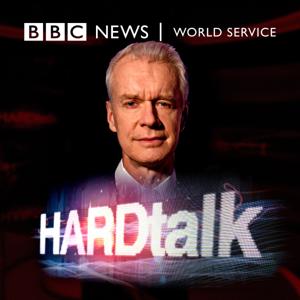

When the first Nuremberg trial of Nazi war criminals came to an end, the ground-breaking international tribunal handed down 12 death sentences. Seventy-five years on, is the world any better at delivering justice for the worst of crimes? In the years that followed, there were hopes that an evolving mechanism of international justice would deter and punish further heinous acts of mass murder and genocide. Does it remain an impossible ideal? Stephen Sackur speaks to international lawyer and author Philippe Sands.
(Photo: Philippe Sands in the Hardtalk studio)
 View all episodes
 By BBC World Service

4.4
326326 ratings
When the first Nuremberg trial of Nazi war criminals came to an end, the ground-breaking international tribunal handed down 12 death sentences. Seventy-five years on, is the world any better at delivering justice for the worst of crimes? In the years that followed, there were hopes that an evolving mechanism of international justice would deter and punish further heinous acts of mass murder and genocide. Does it remain an impossible ideal? Stephen Sackur speaks to international lawyer and author Philippe Sands.
(Photo: Philippe Sands in the Hardtalk studio)

7,707 Listeners

4,125 Listeners
376 Listeners

518 Listeners

1,067 Listeners

292 Listeners

1,794 Listeners
963 Listeners
732 Listeners

51 Listeners
844 Listeners
68 Listeners

988 Listeners

0 Listeners

0 Listeners
0 Listeners
6 Listeners

13 Listeners

4 Listeners

1 Listeners
36 Listeners

0 Listeners

146 Listeners
388 Listeners

3 Listeners