Part 2: Radio Capability, Hearing Protection, and Equipment Integration
Programming and Training Are Part of the Purchase
The discussion examines channel plans, talkgroups, encryption, emergency alerts, location features, and the responsibilities of communications personnel and administrators. The panel argues for investigating whether a failure comes from incompatible hardware, missing configuration, insufficient training, or an organizational process.
Communications exercises and after-action reviews are presented as ways to expose those gaps. A documented problem, paired with an explanation of the available capability, can give decision-makers a concrete path toward improvement.
Hearing Protection Must Preserve Useful Information
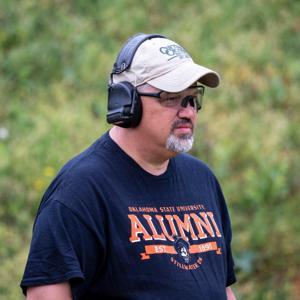
The conversation shifts to combining radio communications with active hearing protection. Chuck describes his interest in an in-ear solution that would preserve directional awareness, remain comfortable, and work with the radios and other devices he needs.
The panel discusses Peltor, TCI/Safariland, TEA, and INVISIO systems, including concerns about ambient audio, separate radio channels, microphone quality, push-to-talk controls, and compatibility. These are accounts of the equipment and development efforts being discussed in 2016, with participants distinguishing products they had used from systems they still wanted to evaluate.
Helmets, Cables, and Limited Mounting Space
Helmet selection introduces another set of tradeoffs. Headset mounts, lights, rail designs, suspension systems, and cable routing all compete for space and affect comfort. The group discusses Team Wendy, Ops-Core, Crye, and other helmet options through the lens of how the complete setup works.
A component can perform well by itself and still create problems when combined with the rest of the equipment. The panel repeatedly returns to testing the actual configuration a person will wear and use.
Procurement and Honest Product Feedback
Shockey describes the realities of buying equipment for a team, including grant budgets, vendor responsiveness, and evaluation opportunities. Chuck separates useful product-development feedback from promotional exposure and stresses the value of manufacturers getting equipment into the hands of people who can identify practical shortcomings.
The conversation includes both positive and negative experiences with manufacturers. Its lasting procurement lesson is to establish requirements, obtain meaningful evaluation time, and assess performance before committing a team’s budget.
Vehicle Communications and Practiced Transitions
The closing portion explores body-worn radios, vehicle systems, audio feedback, intercoms, and the need to rehearse transitions between configurations. Equipment placement and access matter when a user changes tasks or leaves a vehicle.
A related discussion distinguishes the equipment carried to work and fight from a bag intended to support escape, evasion, or survival. The panel challenges assumptions about what a person will remember to retrieve under stress.
Recorded: Thursday, August 18, 2016.
Format: Three-part archival discussion.
Archive note: This is an informal, explicit-language conversation from 2016. Equipment specifications, prices, availability, affiliations, training plans, and descriptions of incidents reflect the participants’ understanding at that time. Technical and legal remarks are retained as historical discussion rather than current guidance. The restored release includes a new sponsor introduction.
Participants join and leave throughout the recording. The following identifications are supported by names and context in the transcripts:
Chuck Pressburg — referred to as Roland; leads much of the communications discussion.
Michael Hueser — the opening discussion includes his Columbia, Missouri, location and references to his physician father; he is also named when the group discusses participants who have left.
Matt Shockey — addressed by name; discusses patrol, SWAT, communications, and equipment procurement.
Matt Meckley — identified by the reference to Meckley leaving at the transition into Part 3; his protective-security background is consistent with the preceding vehicle and radio discussion.
Richard “Rich” Mason — addressed as Rich; discusses running DARC, its courses, facilities, and training programs firsthand.
Buck Thomas — referred to as Buck in the original recording.
Episode Sponsors:
Blue Alpha — belts and supporting equipment for concealed carry, duty, and training:
https://www.bluealphabelts.com/
High Desert Cartridge Company
https://highdesertcartridge.com/
PHLster Educational Content — practical, brand-agnostic guidance on concealment and concealed carry. Explore their YouTube channel and the PHLster Concealment Workshop on
Facebook: https://www.youtube.com/@PHLster
Support Primary & Secondary:
https://www.patreon.com/PrimaryandSecondary
Primary & Secondary:
Website: https://primaryandsecondary.com/
Facebook: https://www.facebook.com/primaryandsecondary/
Forum: https://primaryandsecondary.com/forum/
Complete Audio Podcasts: https://www.spreaker.com/show/primary-secondary-podcast
Become a supporter of this podcast: https://www.spreaker.com/podcast/primary-secondary-podcast--2585240/support.