
Sign up to save your podcasts
Or

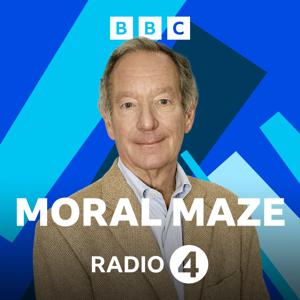

For Donald Trump it was an 11 year old dusty tape that appeared from the archives. For Sam Allardyce it was a sting by undercover reporters. For the Olympic gymnast Louis Smith it was a video leaked on to the internet. All of them conversations they thought were private becoming embarrassingly public, with varying degrees of consequences. We all say things in private we wouldn't want made public, so what right to privacy should those in the public eye be entitled? Is it a simple case that we have a right to know if it tells us about the character of people who have power or who are asking us to trust them? If that's the case how do explain the myriad of examples from minor sporting celebrities to victims of stings by fake sheiks? Should we put them in the same category? We may think their views are unattractive, even offensive, but shouldn't they be allowed to express them in private, like the rest of us, with some confidence that they'll remain private? What right do we have to know? Would the world be a better place if we never said anything privately we wouldn't want made public? In our clamour to expose and condemn are we creating an unhealthy reality gap between what our leaders and politicians are allowed to say and what they actually think? Or has the digital age rightly blown apart the tight and elitist clubbable privacy that was once so much part of our society? Chaired by Michael Buerk with Anne McElvoy, Michael Portillo, Giles Fraser and Matthew Taylor. Witnesses are Prof Steven Barnett, Prof Josh Cohen, Paul Connew and Tom Chatfield.
 View all episodes
 By BBC Radio 4

4.6
5151 ratings
For Donald Trump it was an 11 year old dusty tape that appeared from the archives. For Sam Allardyce it was a sting by undercover reporters. For the Olympic gymnast Louis Smith it was a video leaked on to the internet. All of them conversations they thought were private becoming embarrassingly public, with varying degrees of consequences. We all say things in private we wouldn't want made public, so what right to privacy should those in the public eye be entitled? Is it a simple case that we have a right to know if it tells us about the character of people who have power or who are asking us to trust them? If that's the case how do explain the myriad of examples from minor sporting celebrities to victims of stings by fake sheiks? Should we put them in the same category? We may think their views are unattractive, even offensive, but shouldn't they be allowed to express them in private, like the rest of us, with some confidence that they'll remain private? What right do we have to know? Would the world be a better place if we never said anything privately we wouldn't want made public? In our clamour to expose and condemn are we creating an unhealthy reality gap between what our leaders and politicians are allowed to say and what they actually think? Or has the digital age rightly blown apart the tight and elitist clubbable privacy that was once so much part of our society? Chaired by Michael Buerk with Anne McElvoy, Michael Portillo, Giles Fraser and Matthew Taylor. Witnesses are Prof Steven Barnett, Prof Josh Cohen, Paul Connew and Tom Chatfield.

7,913 Listeners

863 Listeners

1,067 Listeners
159 Listeners

5,576 Listeners

1,808 Listeners

1,729 Listeners

1,018 Listeners
2,113 Listeners

1,952 Listeners
32 Listeners
38 Listeners
428 Listeners
159 Listeners
43 Listeners
75 Listeners
108 Listeners
745 Listeners

3,245 Listeners

779 Listeners

1,010 Listeners

3,858 Listeners
1,314 Listeners
851 Listeners
48 Listeners