
Sign up to save your podcasts
Or

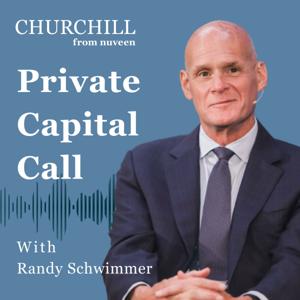


We continue our special series on high-yield bonds with a look at more deals in the market, with our tour guide, Matt Fuller of LevFin Insights.
Northwest Fiber came out with a loan/bond buyout of Frontier Communication assets. This could grease the skids for other regular-way LBOs.
Another flagship deal was for Viking Cruises (B-/B1). Launched as a $675 million five-year issue, the bonds were secured by a first-lien of twenty river boats. All-in pricing was almost 14%. Also sailing along was Royal Caribbean, still with investment grade status. The company sold $3.32 billion of secured bonds....
One of our readers asked for help deciphering what was going on in the high-yield market. So we recruited Matt Fuller from our content partner, LevFin Insights.
“From the perspective of high-yield investors,” Matt told us, “it’s a great time to be involved. We were pretty much shut down in March.
Total volume was only $4 billion, which is very paltry. Zero deals for three weeks. That’s shocking, but one week shorter than December 2018, which marked the lowest volume since the GFC.
“Then in April it came roaring back from $4 billion to $44 billion. That was the most activity since March 2017...
The Bank of England has projected the COVID-19 pandemic will cause GDP for the UK to decline 14% this year. That’s the worst economic performance in three centuries.
In 1706 (when the Bank of England was twelve years old) Great Britain was a very different place: devastated by wars and weather, the union with Scotland still a year away, and Twinings producing its first tea bag.
Fast forward, across the pond the US economy has also been slammed with shocking labor numbers. Unemployment went from 3.7% at year-end 2019 to 14.7% today. And worsening...
As we wrap up our COVID series, we turn our attention to the path ahead, as unclear as that is. Or as one economist put it succinctly: “Anyone who thinks we’re going to keep moving up in a straight line is living in La-La Land.”
The good news is markets have fully absorbed the shock of America stuck at home, and its impact on commercial activity.
The wide discount in secondary loan prices has shrunk. Credit investors are left with higher values, though fewer bargains. But what are the revenue and earnings assumptions behind those new values?
Credit managers now have a ring-side seat to deteriorating borrower performance combined with the issuer-friendly terms of past buyout financings. Expect those terms to change...
“The GFC was a crisis that began on Wall Street and spread to Main Street. COVID-19 is a crisis that began on Main Street and spread to Wall Street.”
That’s how one private credit manager compared the two worst downturns since the 1930’s. With the coronavirus still in its early stages, this pandemic might end up worse in some respects than any of them.
Most recessions are caused by a misallocation of capital, whether mortgages, high tech, or emerging market debt. The Great Recession began with too much leverage in the system.
This time the banking system was healthier than its ever been. A biological threat forced lock-downs, bringing commercial activity to a stand-still...
If you’re watching this broadcast from your home office, you’re not alone. According to one study, 97% of the US population is either at home or sheltering in place.
This has completely upended the free-flowing, dynamic nature of the largest, most diversified economy on the planet.
-Industries that took decades to develop competitive products and services to meet consumer and commercial demand, have been thrown into disarray.
In the early phase of the crisis, investors studied the most obviously vulnerable sectors for weakness. These included travel, leisure, hospitality, gaming, transportation, and retail. These all took almost immediate revenue hits...
This week we wrap up our conversation with Brian Nick, Nuveen’s chief investment strategist:
Q1: How do you compare this cycle with the last one (Global Financial Crisis)?
Q2: The Fed did jump in pretty quickly to cut rates to zero. Are they out of weapons?
Q3: Do PrivateEquity firms have any Federal rescue programs available for their MiddleMarket portfolio companies?
As goes COVID-19, so goes the nation.”
We rephrase the famous 1950’s dictum on General Motors’ relationship to the national welfare in examining how the coronavirus has hijacked all aspects of the economy...
“We did not underwrite for this.” So said the partner of a top-tier middle market private equity firm, speaking of the challenges dealing with the impact to businesses of #COVID-19.
“We always model downside scenarios for investments,” told us. “But the zero revenue case wasn’t one of them. This is such a dramatic shift from anything anyone has ever encountered. We’re working 24/7 to figure it out.”...
On February 12 a columnist Barron’s wrote: “The three main U.S. stock indices closed at record highs as concerns over the coronavirus economic impact seemed to fade…Can anything stop this rally?”
That was six weeks ago. The Dow was at 29,551. Today it’s 8,000 points lower, the economy at a standstill, global markets in shambles, Americans stuck at home...
From the publisher's feed
30,213 Listeners

967 Listeners
2,179 Listeners

1,982 Listeners
9,620 Listeners
2,345 Listeners

949 Listeners

8,502 Listeners

282 Listeners

148 Listeners
5,384 Listeners

10,186 Listeners

438 Listeners
404 Listeners

1,448 Listeners