Most people believe power changes behavior.
Psychology suggests something even more profound.
Power first changes the way we see the world.
As our influence grows, our perspective shifts. We become more confident, more decisive, and often more insulated from honest feedback. Without realizing it, empathy can fade, risk-taking can increase, and reality becomes filtered through authority.
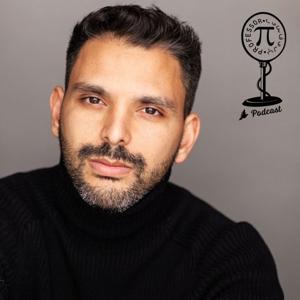
In Episode 2 of The Psychology of Power, Professor P explores one of the most fascinating discoveries in modern psychology:
Why does power change people?
Drawing from the groundbreaking research of Dr. Dacher Keltner's Power Paradox, neuroscience, leadership psychology, and real-world examples, this episode uncovers why some leaders become wiser with influence while others lose touch with reality.
You'll discover why the greatest danger of power isn't corruption—it's disconnection.
Whether you're leading a company, coaching a team, raising children, managing employees, or simply seeking greater influence in your own life, this episode will change the way you think about leadership forever.
Because the most dangerous effects of power often happen quietly... long before anyone notices.
✔️ Power changes perception before it changes behavior.
✔️ The qualities that help us gain influence can fade if we stop practicing them.
✔️ Authority often reduces the amount of honest feedback we receive.
✔️ Great leaders intentionally protect empathy, curiosity, and humility.
✔️ The strongest leaders don't surround themselves with agreement—they surround themselves with truth.
This is Episode 2 of the exclusive 10-part series, The Psychology of Power—a deep exploration of the psychological forces behind influence, leadership, authority, status, and human behavior.
If you've ever wondered why successful leaders sometimes lose touch...
why authority can quietly reshape personality...
or how to lead with influence without losing your humanity...
Subscribe to the Professor P Podcast and join us every Saturday as we uncover the hidden psychology behind one of humanity's most powerful forces.
Power doesn't begin by changing your actions.
It begins by changing the way you see the world.