
Sign up to save your podcasts
Or

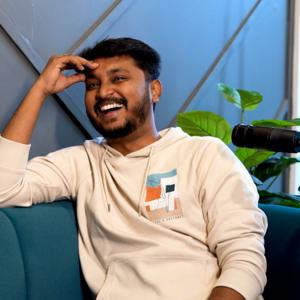


In this Telugu podcast episode, we sat down with Revanth- Day Trader. He shed light on the right practices, scams in the financial & stock domains.
While we struggle the mayhem of no knowledge on financial planning, Investing and moving towards faulty practices like betting apps, illicit trading..
He discussed investment strategies for beginners, best investment options in India like FDs, NPS, Digital Gold, Equity, mutual funds; stock market basics. Every micro aspect like the difference between FDs & NPS, Mid & Large cap index funds and when to invest in them, safety level of digital gold and Gold ETFs, Psychology of investing and penny stocks was clearly addressed.
Revanth explained Stock market scams such as Harshad Mehta & the 'She-Wolf ' of Indian stock market, Asmita Patel, while sharing his greatest lessons from investors like Warren Buffet, Rakesh Junhunwala. He also spoke about the role of Finfluencers and rise of trading in Telugu states, Betting apps & their credibility.
We managed to get insights from his personal journey; his initial trading days and the ethics he followed as a Day Trader; how he managed to recover from losses and how it affected him mentally. There's a lot to inspire and learn.
This Podcast also tackles a crucial issue for young earners today: Personal Finance. He shared amazing tips on how to save, how to spend and where to invest, which we all struggle in and out to manage. The importance of health and term insurance, whether to rent a house or buy a house; when is the right time and planning future financial goals...were all dissected in depth.
And finally he also shared his advice to newcomers in content creation.
This episode will change the way you plan and manage your financial resources. Don't miss this
In this telugu podcast episode, we sit down with Dr. Rajasekhar Gollu, an expert in cosmetology, to explore the rising obsession with cosmetic surgeries, the psychological impact of social media, and the real risks behind these procedures.
Has beauty industry created a world where insecurities are magnified, and cosmetic procedures are seen as the ultimate fix. But is altering our natural features really the answer?
Many young girls struggle with insecurities about their breast size, often seeking solutions like implants or fillers. But do these procedures come without risks? We discuss the complications of saline implant leakage and whether going under the knife is truly worth it. Similarly, men dealing with gynecomastia or stretch marks often feel pressured to "fix" themselves—sometimes due to hormonal imbalances, other times due to unrealistic beauty standards. Would these insecurities even exist on such a large scale if social media wasn’t constantly pushing idealized body images?
We also dive into the darker side of cosmetic procedures—traumatic surgeries like jaw reconstruction, vaginoplasty, and artificial dimples. The tragic case of Aarti Agarwal and the risks of liposuction bring up an important question: who should actually undergo these procedures, and how can one lose weight naturally? On a more bizarre note, we explore extreme treatments like palm line surgery, foot Botox, and hyperhidrosis treatments—just how far are people willing to go for physical perfection?
From balding and hair transplants to post-pregnancy makeovers, acid attack victim recovery, and the controversial use of Ozempic for weight loss, this episode uncovers the truth behind the beauty industry. If you've ever wondered about the impact of these procedures on physical and mental health, this conversation will challenge your perspective. Watch now and decide for yourself!
In this exclusive telugu podcast, we sit down with none other than Devi Sri Prasad (DSP) — the mastermind behind some of the biggest hits in Telugu cinema! DSP opens up about his creative process, life lessons, and the principles that guide his music career.
We kick off with a quick introduction where DSP shares about his early journey and how he shaped his unique sound. He talks about how a music director should think and approach creativity, giving us a rare glimpse into his artistic mind. DSP also opens up about the making of the hit song "Sooseki" and why background music (BGM) is a crucial element in any movie.
A heartfelt discussion about the influence of Ilaiyaraaja Garu reveals how DSP draws inspiration from the legend while balancing the thin line between copying and being inspired. He also shares a special moment from his career — something that happened for the first time in India — and why he strictly avoids liquor at his concerts.
DSP dives deep into his creative process, explaining how he connects with his songs while traveling and the steps involved in song-making. He highlights how co-curricular activities and continuous learning have played a big role in his success.
Towards the end, DSP talks about handling tough decisions, how to say “no” when needed, and what inspires him to keep going. This is a must-watch for every music lover and aspiring artist!
Ambati Rayudu has seen it all – the highs of cricket, the struggles behind the scenes, and the politics that decide a player’s future. In this exclusive Telugu Podcast episode, he opens up like never before!From starting his cricket journey at a young age to facing internal politics in domestic cricket, Rayudu shares the truth about how the system works. He talks about his disappointment in the World Cup, his experiences with MI & CSK, and his bond with MS Dhoni and Dwayne Bravo.But this podcast isn’t just about cricket! Rayudu also speaks about his short time in politics, why he left YSRCP, and his views on Janasena. He talks about caste politics, selfless leadership, and what young voters should focus on.This is a must-watch for cricket fans, sports lovers, and anyone who wants to know the real story behind the headlines.
In this telugu podcast, we discuss the hidden truths about the food we consume daily. From the harmful effects of dairy products and steroid-injected cattle to the alarming rise in hormone imbalances, we uncover how modern dietary choices impact our health.
We explore the forgotten power of millets and why the world is overly dependent on rice and wheat. With increasing cases of diabetes—even in newborns—we discuss the role of food corporations and the damage caused by processed foods. Is the food industry prioritizing profits over public health?
The discussion sheds light on the destruction of agricultural lands and why traditional wisdom about feeding children has changed. We also tackle critical questions: Are we eating the wrong food? Can simple changes in our diet prevent diseases like cancer and diabetes? Is there a cure that mainstream medicine isn’t talking about?
From the benefits of Siridhanyalu to real-life cancer testimonies, we address the growing concerns about sugar, jaggery, and even soybean consumption. We also explore alternative treatments like homeopathy and the importance of making health-conscious choices in our kitchens.
Ending with powerful takeaways, this episode urges us to ask the right questions and rethink our approach to food and medicine. Don’t miss this thought-provoking discussion that could change the way you eat forever!
🔗 Watch now and take charge of your health!
Stem Cells, Regenerative Medicine & Anti-Aging with Dr. Venkatesh Movva
Regenerative medicine is one of the most debated topics in modern healthcare. Some call it the future of healing, while others dismiss it as a scam. But what is the truth? In this episode, Dr. Venkatesh Movva, a pioneer in regenerative medicine from RegenOrthoSports, breaks down the science behind stem cells, PRP therapy, non-surgical treatments, and anti-aging innovations that are reshaping how we approach injuries and chronic conditions.
About Surgeries & Non-Surgical Alternatives
In India, 15 lakh patients develop surgical site infections annually, and 48% of knee replacement surgeries are deemed unnecessary. Are we undergoing invasive procedures that we don’t actually need? Dr. Movva discusses the stages of arthritis, explaining how it progresses from Stage 1 to Stage 4 and why many people could avoid surgery if they intervene early. He also exposes the role of pain management clinics, which focus on temporary relief rather than actual healing, and explains why burning pain receptor nerves isn’t a long-term solution.
Regenerative Medicine & Sports: Healing Faster Without Losing Seasons
Can We Slow Down Aging?
Aging is inevitable, but can we slow it down? Dr. Movva discusses how some individuals, like Cristiano Ronaldo, have maintained a biological age of 23 while being 33 and how regenerative medicine is playing a crucial role in extending lifespan. With advancements in cellular regeneration, fasting-induced autophagy, and anti-aging therapies, some experts predict that human life expectancy could reach 120-130 years in the near future.
The Science Behind Hyperbaric Oxygen Therapy (HBOT) & Recovery
Celebrities like Anil Kapoor and Michael Jackson have used Hyperbaric Oxygen Therapy (HBOT) for recovery and anti-aging. But what does it actually do? Dr. Movva explains how HBOT enhances oxygen delivery, improves neurological function, and aids in recovery, making it a popular choice among athletes and actors. He also answers key questions:
How long does it take to see results with HBOT?
Why do celebrities and sports professionals swear by it?
Can it help with lymphatic drainage and detoxification?
Common Medical Myths
There are many myths surrounding regenerative medicine and healthcare in general. Dr. Movva sets the record straight on misconceptions such as:
PRP therapy can regrow cartilage – Is this really true?
Drinking water while standing damages the knees – Does this have any scientific basis?
Deadlifts and crunches are great for fitness – Or do they actually cause disc bulges and back injuries?
Ice baths are just a trend – Or do they really help in reducing inflammation and aiding muscle recovery?
Health, Fitness & Mental Well-Being
Fitness is not just about exercise—it’s about the right kind of exercise. Dr. Movva shares the best gym workouts for joint health, muscle strength, and injury prevention, while also highlighting which exercises to avoid due to their high risk of injuries.
Beyond physical health, mental well-being plays a significant role in overall health. Chronic stress is a major contributor to hormonal imbalances, increased cortisol levels, and faster aging. Dr. Movva explains how stress management, socializing, and maintaining discipline can significantly improve both mental and physical health.
Advancements in Healthcare?
Regenerative medicine is just one part of the future of healthcare. Dr. Movva also explores cutting-edge medical advancements such as:
Gene editing & xenobots – The future of personalized medicine
Cellular 3D printing – Creating tissues and organs in labs
Plasma exchange experiments – Can younger blood reverse aging?
In a world where people prioritize money over health, Dr. Movva's message is clear: Take charge of your health before it’s too late.
This episode is packed with insights, science-backed facts, and thought-provoking discussions that will change how you think about healing, aging, and recovery.
In this special episode of Raw Talks, we sit down with the legendary comedian and actor, Brahmanandam, to uncover the lesser-known aspects of his life, philosophy, and career. Known for his impeccable comedic timing and record-breaking contributions to Indian cinema, Brahmanandam sir shares deeply personal stories, his thoughts on life, and the values that have shaped him into the person he is today.
A devout believer in Venkateshwara Swamy, Brahmanandam sir opens up about his spiritual side and the lessons he has learned through faith. He speaks passionately about poverty, an experience that shaped his worldview and his approach to success. Recalling his early days as a lorry painter, he reflects on what it truly means to be poor, his father’s wisdom, and why he does not believe in the rigid distinction between the rich and the poor. His insights into money, materialism, and contentment offer a fresh perspective, reminding us that wealth is not just about financial gain but also about one’s mindset and values. He shares powerful anecdotes like the fruit basket example and how he learned the importance of self-reliance, refusing to seek help even in dire circumstances. His deep belief in karma and his acts of kindness, such as helping 23 women get married, further highlight his compassionate nature.
The conversation takes a reflective turn as Brahmanandam sir discusses how people perceive him differently outside the industry. He shares how financial realities dictate professional relationships and why no one truly works for free. One of the most compelling stories he narrates is the boat incident and his mantra on handling loss and gain. His thoughts on life’s unpredictability and the importance of staying grounded serve as powerful lessons.
The discussion extends to the fate of comedians, drawing parallels between legends like Rajababu, Jandhyala, and even Hollywood comedians, who often hide deep struggles behind their laughter. He delves into the pain behind comedy and why most comedians have a sad past. With profound reflections on gratitude, he talks about his deep respect for Jandhyala and Sunnam Anjaneyulu, highlighting how divine intervention often comes in the form of human connections. He recalls an interesting chapter from his life titled "Brahmanandam Ratri Antha Taagesi" and shares his thoughts on adjustment, a concept he finds dangerous.
The conversation then shifts to his unexpected status as a ‘Meme God.’ While he appreciates the humor, he feels the title does not fully capture the depth of his journey. He acknowledges the efforts of meme creators but also reminds us of the larger picture—the unpredictable nature of success and luck.
The conversation also explores the depth of emotional performances by comedians. He explains why their rare serious roles resonate deeply with audiences, referencing the works of AVS and M.S. Narayana. With wisdom drawn from biographies and life experiences, he highlights the human tendency to find fault in others and how people often misunderstand intentions. His statement, "Mana gurinchi evaranna mana venaka matladithe, vallu venaka manam mundhu unnattu," leaves a lasting impression.
As the interview progresses, we move into lighter topics, including his role as a grandfather in his latest project and how his son Goutham reacted to calling him ‘Tatha’ on screen. Brahmanandam sir humorously addresses industry rumors, including whether the film would have been halted without his presence. Goutham shares insights into the filmmaking process, the order in which scenes are shot, and the importance of knowing the story beforehand. A fun segment follows where they discuss memes, social media, and Brahmanandam sir’s Instagram debut.
This episode is a deep dive into the life and philosophy of one of India’s most beloved comedians. It is filled with laughter, wisdom, and heartwarming moments that will leave you inspired.
Naga Chaitanya, one of the most intriguing actors in Telugu cinema, joins us for an unfiltered conversation, sharing insights into his life, career, and business ventures like never before. From the reality of being a star kid to his views on party culture, film promotions, and business strategies, Chay opens up about aspects of his life that are often misunderstood. This episode goes beyond the usual promotional talks, diving deep into his personal choices, struggles, and philosophies.
Being called a star kid comes with its fair share of advantages and disadvantages. Chay explains why he dislikes that label and how he chooses to stay grounded despite the privileges that come with his family name. He addresses the ever-controversial topic of nepotism—does he see it as a problem, or does he believe it’s just like any other family profession being passed down? He breaks down his perspective, making an honest case for both sides of the argument.
Shifting gears from cinema to business, we dive into Chay’s food venture, Shoyu. Where did the idea come from, and why did he choose the cloud kitchen model over a traditional restaurant? He reveals how Hyderabad’s culture influenced his decision and the real meaning behind the name "Shoyu," a topic that has sparked several theories. What are the future scaling plans? With only two kitchens in Hyderabad, how does he manage deliveries efficiently? He talks about the challenges and insights that come with running a food business, especially for someone coming from the film industry.
As someone who has seen massive financial success through films, how does Chay define a “healthy profit” in business? He reflects on the importance of having a financial escape beyond films and shares what he has learned from his father, Nagarjuna, who is known for his sharp business acumen. We also discuss the common pitfalls that lead many actors' food businesses to fail, and how he managed to avoid them.
Failure is an inevitable part of any actor’s journey. But how does it feel when a film that an actor has put immense effort into fails at the box office? Chay discusses the emotional and professional toll of dealing with flops, the dilemma of hyping up a film even when its potential is questionable, and how he personally copes with setbacks.
Beyond films, Chaitanya has a well-known passion for cars. He reveals how many cars he owns, why he is so deeply connected to them, and how racing serves as a form of meditation for him. He also touches on his idea of vacations as a way to detox from work and social media pressures.
Of course, we couldn’t skip talking about his upcoming film, Thandel. He shares the concept behind the film, whether the traditional six-to-seven-song format still works, and what it’s like working with Sai Pallavi.
One of the most emotional segments of this conversation is about Manam and his legendary grandfather, ANR. Chay shares untold stories from the sets, the pressure on the family, and whether it’s true that ANR dubbed for his scenes during his last days. He explains why Manam remains such an important film in their family’s legacy.
Despite being a public figure, Chay is known for maintaining a low profile. Why doesn’t he make many public appearances? He talks about the frustratingly dumb questions interviewers ask, his strict diet (why he doesn’t consume sugar), and his approach to brand deals—how he decides what to endorse and what to avoid.
This conversation is an absolute must-watch for fans and movie buffs alike. Don’t miss this deep and raw conversation with Naga Chaitanya!
Watch the full episode now and let us know your favorite moments in the comments.
In this telugu podcast episode, we explore the story of Y. Guruswamy Naidu, a seasoned entrepreneur who built Celkon, one of the largest mobile brands in India, and later reinvented it into a multi-vertical empire.
The podcast begins by shedding light on Celkon’s rise, its initial success, and the unexpected fall of many Indian mobile brands. Guruswamy Naidu reveals the truth behind the failure of over 110 Indian mobile companies, discussing how factors like LC rule changes, the Jio revolution, and GST disrupted the industry. Despite these challenges, Guruswamy’s strategic vision allowed him to transform Celkon and navigate these rough waters, achieving ₹2600 Cr turnover in 2023—a feat that’s both inspiring and instructive for aspiring entrepreneurs.
A major highlight of the conversation is Guruswamy’s bold ₹100 Cr land acquisition in Kokapet. This decision to enter real estate was part of a larger vision to diversify his business, and it exemplifies his ability to see opportunity where others might see risk.
The discussion also touches on the current state of India’s manufacturing sector, where Guruswamy provides an honest analysis of the obstacles faced by Indian manufacturers in competing with global giants, especially China. He emphasizes that while initiatives like Make in India have garnered attention, real structural changes are still needed for India to become a manufacturing powerhouse. Guruswamy also shares his perspective on the Product Linked Incentive (PLI) scheme, offering insights on how India can compete with global players by improving infrastructure, policy support, and innovation.
In addition to his expertise in manufacturing, Guruswamy delves into the mobile industry’s evolution. He reflects on the rise and fall of Nokia, explaining how the brand’s inability to adapt to changing market trends and the rapid shift to smartphones led to its decline. He compares this to his own decision to pivot from mobile manufacturing and diversify Celkon into various sectors, including technology, real estate, and government supplies.
A key moment in the podcast is Guruswamy’s candid admission about the challenges faced in the retail sector. He discusses the decline of mobile retailers, from a high of 12,000 stores to just 2,000 today, and how brands need to adapt to the new digital-first reality. He also shares his predictions on whether the future of retail will be driven more by online sales or offline presence, with insights drawn from his experiences in both domains.
The conversation also touches on future trends in technology, with Guruswamy reflecting on mobile phone features, particularly the slow-down of phones with newer models. He offers his views on whether this is a deliberate move by manufacturers to encourage upgrades and whether the hype surrounding new phone models is actually just clever marketing rather than true innovation.
He also talks about his experience at Daos, the future of electric vehicles (EVs) in India, and his thoughts on green hydrogen as a potential game-changer for the country’s energy sector.
When asked about India’s potential to build companies like Apple, Guruswamy shares a balanced view, acknowledging the challenges but also pointing to the immense potential India holds in terms of talent, innovation, and market size. He emphasizes the importance of fostering innovation ecosystems, improving funding access, and leveraging India’s strengths in sectors like software development and manufacturing.
Finally, Guruswamy reflects on his business philosophy, sharing valuable lessons about delegation, the importance of focusing on the business, and managing time effectively. He believes in the power of delegation—embodying the 70% rule—allowing him to manage multiple ventures while maintaining growth and innovation. His story is a testament to the value of resilience, adaptability, and the importance of thinking long-term in business.
In this episode of the RawTalks Telugu podcast, we are joined by Dr. Guru N. Reddy, a distinguished gastroenterologist and a name synonymous with compassionate healthcare at Continental Hospital. The conversation takes a deep dive into gut health, lifestyle habits, and the challenges of healthcare in India, delivering a mix of scientific insights, cultural reflections, and practical advice for everyday living.
Dr. Reddy opens the discussion with an exploration of eating habits, specifically Hyderabad’s iconic biryani culture. Contrary to popular belief, biryani, when consumed in moderation, can be a balanced meal. He emphasizes the importance of portion control and understanding the caloric impact of a single meal. For many young professionals working night shifts or the “graveyard shift,” Dr. Reddy warns about the toll irregular eating schedules and unhealthy food choices take on the gut and overall health. He underscores the need to adopt sustainable eating habits that align with our body’s natural rhythm.
The conversation then transitions to a global health concern: obesity. For the first time in human history, more people are obese than undernourished, with nearly 38% of the world’s population classified as obese. Dr. Reddy predicts that by 2035, half of the global population will fall into this category. He explains how body mass index (BMI) alone is insufficient to gauge health and stresses the importance of measuring body fat percentage and understanding fat distribution. In India, the misconception that a chubby child is a healthy child has contributed significantly to the growing obesity epidemic. Dr. Reddy discusses the dangers of overfeeding children and highlights the importance of instilling healthy eating habits during adolescence—a critical period for long-term health.
Gut health becomes a central theme of the conversation as Dr. Reddy demystifies common yet often misunderstood topics. He explains why we burp, how spicy foods and substances like black pepper affect the gut lining, and why conditions like lactose intolerance are far more prevalent in India than many realize. Delving into a topic that is often avoided in polite conversation, Dr. Reddy shares insights on farting, explaining why some farts smell and others don’t, and how flatulence is a normal and healthy bodily function.
Perhaps one of the most eye-opening discussions revolves around stool and its significance as a marker of health. Dr. Reddy explains how the color, texture, and frequency of bowel movements can reveal much about a person’s gut health. He highlights the importance of recognizing warning signs such as blood in the stool, which could point to serious conditions like colon cancer. Constipation, another common complaint, is discussed in depth. Dr. Reddy provides a nuanced perspective on its causes, ranging from diet to lifestyle, and even touches on conditions like fecal incontinence in women, which often manifest years after childbirth.
The conversation takes a personal turn as Dr. Reddy shares stories from his career, including cases that moved him to tears and reaffirmed his commitment to medicine. He talks about the emotional and physical toll of being a healthcare professional and the importance of maintaining a work-life balance. His advocacy for organ donation is particularly poignant, as he highlights the lack of awareness in India and calls for systemic changes to make the process more accessible.
This episode is more than a discussion—it’s a call to action. Dr. Reddy urges listeners to question long-held beliefs, prioritize their health, and advocate for systemic changes in healthcare. His insights remind us that health is not just an individual responsibility but a collective effort to build a healthier society.
From the publisher's feed
Ranked by our users in the last 21 days

1,036 Listeners
23 Listeners

156 Listeners

8,564 Listeners
289 Listeners
996 Listeners

0 Listeners

37 Listeners

10 Listeners

15 Listeners

13 Listeners
94 Listeners

14 Listeners
6 Listeners

10 Listeners