
Sign up to save your podcasts
Or

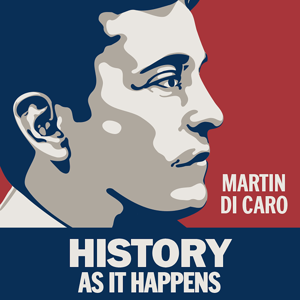

Americans not only expect more political violence. Polls show that a growing number of Americans, though still a minority, believe violence against the government is acceptable in certain circumstances. Ours is a country simmering with rage and mistrust toward wrongs real and perceived. In late 1859, a fanatical abolitionist believed in the righteousness of his cause so deeply that he sought war against the government by inciting a slave revolt in the Virginia mountains. John Brown's raid at Harpers Ferry accomplished nothing, but Brown became a symbol meaning different things to different people over time. But in our post-January 6 climate, Brown may serve as a cautionary tale of the dangers of unhinged belief in a crusade against injustice, real or imagined.
 View all episodes
 By Martin Di Caro

4.4
6262 ratings
Americans not only expect more political violence. Polls show that a growing number of Americans, though still a minority, believe violence against the government is acceptable in certain circumstances. Ours is a country simmering with rage and mistrust toward wrongs real and perceived. In late 1859, a fanatical abolitionist believed in the righteousness of his cause so deeply that he sought war against the government by inciting a slave revolt in the Virginia mountains. John Brown's raid at Harpers Ferry accomplished nothing, but Brown became a symbol meaning different things to different people over time. But in our post-January 6 climate, Brown may serve as a cautionary tale of the dangers of unhinged belief in a crusade against injustice, real or imagined.
8,474 Listeners
1,110 Listeners

743 Listeners
6,304 Listeners

724 Listeners

907 Listeners

14 Listeners

2,039 Listeners

7,244 Listeners
2,405 Listeners

16,525 Listeners

208 Listeners

385 Listeners
500 Listeners

496 Listeners