
Sign up to save your podcasts
Or

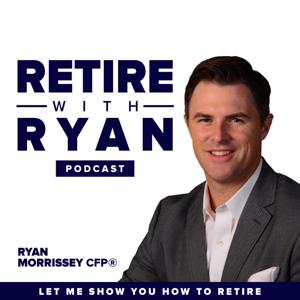


Do you have any idea of much money you’ll need in order to enjoy your retirement? What about your monthly cash flow? Do you have enough saved to replace your current income from your job? If you don’t have a definitive answer to these questions, then this episode is for you!
Especially during a time of economic turmoil, it is prudent to re-evaluate your plans for retirement or get them started if you haven't already. While it might sound complex and challenging, the truth is, all you need to do is take a few steps in the right direction and before you know it, you’ll have a plan in place.
Join me on this episode as I break down some helpful tips that you can use to ensure you have a solid plan for retirement. You’ll want to have a pen and paper handy for this informative episode!
<>
You will want to hear this episode if you are interested in...You may have heard the rule of thumb that goes like this, “In retirement, you are only going to need 80% of what you are spending pre-retirement if you have a mortgage” or that “You’ll only need 60% of your income pre-retirement if you don’t have a mortgage.” Does that sound right?
There are two approaches that I advocate for and that I share with all my clients when it comes to making sure you have enough money to retire.
To hear more about both of these approaches and what you can do to make sure your family is prepared for a successful retirement, make sure to tune into this episode!
Plan for the worstAt some point, most of us will find ourselves daydreaming about future travel, hobbies, or time we get to spend in retirement with friends and family. No one has a problem daydreaming and planning for the fun things but rarely do we have plans for the bad things that pop up in life!
Just like they do during your years in the workforce, challenging times will come in retirement too. What will you do when an unexpected financial situation arises in retirement? Will it send you scrambling or will you have a backup plan in place? I encourage savvy investors like you to not only plan for the fun aspects of retirement but to also plan for the unexpected that lurks around the corner - you can do both!
Resources Mentioned on This Episode
www.MorrisseyWealthManagement.com/contact
How did your business fair when COVID-19 hit our nation last year? Were you able to adapt and pivot to make sure your business stayed solvent? How did the regulations impact your business? Hearing from frustrated business owners and leaders, the US federal government rolled out a program to help businesses during the pandemic impact. This program is called the Paycheck Protection Program (PPP). Round 1 of the PPP funding, which started in April 2020, ran out in a matter of weeks as a panicked business community quickly applied for loans. The second round, by contrast, finished the year with more than $100 billion leftover.
Today, I am joined by my guest, Brian Kerrigan. Brian is a Partner at the Hartford, Connecticut office of Whittlesey Advising. He has provided tax compliance and consulting services for large public and privately held companies throughout New England for more than 17 years. He is skilled in managing tax computations for larger corporations operating in federal and multi-state tax environments and has extensive experience with mergers and acquisitions of both private and publicly held companies.
In our conversation, you’ll hear as Brian explains how PPP funding works, what you can do to participate, how the loans can be forgiven, and so much more. I know that savvy business leaders like you will learn a lot from Brian’s helpful perspective - don’t miss it!
<>
You will want to hear this episode if you are interested in...So you are ready to apply for Round 2 of PPP, what are your next steps? Can you apply for Round 2 in addition to Round 1? According to Brian, you need to start your application process through a bank or a Fintech company. Top Fintech companies are Chime, Tala, Pitchbook, Avant, Braintree, and Morningstar just to name a few.
A borrower is generally eligible for a Second Round PPP Loan if the borrower:
To hear more about PPP from Brian as he expands on this topic, tune into this episode!
How likely is an audit?When it comes to getting audited by the federal government, should business leaders who participate in PPP be worried? Is there added risk for audit when it comes to using PP? While you certainly want to make sure that you are doing everything above board, the chances are unlikely for you to get audited if your loan is under $2 million. That being said, the Small Business Administration (SBA) has reserved the right to also audit loans in any amount at any time, and will likely “spot check” loans in lower amounts. Learn more about this critical topic on this episode!
Resources Mentioned on This Episodewww.MorrisseyWealthManagement.com/contact
Are you ready to dive back into the world of 529 plans? I’m glad to have you back as we finish this two-part series examining how 529 plans work and what savvy investors like you can do to make the most of your finances. Last week, I walked you through what 529 plans are and how the one I’ve been using in Connecticut (CHET) works.
This week, we’ll look at rolling over a 529 plan, how to withdraw funds without a penalty, why 529 plans are a good tool for tax-deferred savings, and much more. Even if you feel like you’ve got this topic covered, I know there will be something you can learn from this episode - don’t miss it!
<>
You will want to hear this episode if you are interested in...So you’ve planned ahead and started investing in a 529 plan but you’ve lost confidence in how the fund is managed, what should you do? Is it possible to roll over a 529 plan to get better results? Yes!
Federal tax law allows you to roll over any or all of your 529 accounts from your current 529 plan to a different 529 plan, but only once in any 12-month period. (You can get around the 12-month restriction by naming a different family member as beneficiary of the 529 plan you are rolling into.) If you violate the 12-month rule, you must treat the transaction as a nonqualified distribution and pay federal tax and 10% penalty on accumulated earnings.
Have you thought about rolling over your 529 plan? What factors should you base this decision on? Make sure to tune in to this episode as I expand on this critical topic and so much more!
Withdrawing funds from your 529The time has come to use that 529 plan you set up all those years ago for your child or grandchild - what happens next? When it comes to using your 529 funds, there are some important restrictions that you need to be aware of.
Funds from a 529 plan can be taken out tax-free to pay for qualified education expenses, which include costs required for the enrollment and attendance at in-state, out-of-state, public, and private colleges, universities, or other eligible post-secondary educational institutions. Qualified 529 plan expenses also include up to $10,000 per year in K-12 tuition expenses.
It’s up to the 529 plan account owner to calculate the amount of the tax-free distribution and how they want to receive the funds. Withdrawal requests can usually be made on the 529 plan’s website, by telephone, or by mail.
Tax-deferred savingsDid you know that you can use a 529 plan as a tax-deferred savings vehicle? It’s true! No, you don’t have to do anything shady or illegal, you just need to be smart about it.
All 529 plans offer generous tax breaks, provided you use the money for qualified expenses. While your contribution is not deductible on your federal taxes, your investment will grow tax-deferred and withdrawals will not be subject to federal tax.
If you want to know more about how to use a 529 plan as a tax-deferred savings vehicle, make sure to listen to this episode!
Resources Mentioned on This Episode
www.MorrisseyWealthManagement.com/contact
What plans have you put in place to make sure your kids or grandkids will have access to a quality higher education? Let’s face it, most people don’t think about this critical aspect of long-term investing until it’s too late! I don’t want to see smart and savvy financial planners like you get blindsided by this preventable scenario.
On this episode, you’ll hear part one of my two-part series where we will dive into the CHET plan and other 529 plans to explore how they work. I’ve always been a firm believer that the more information and understanding you have on a particular subject, the less intimidating and overwhelming it can be. I hope you pen and paper close by, you’ll want to take good notes on this episode - there’s no time like now to start planning for your future!
<>
You will want to hear this episode if you are interested in...Many of you may have heard of 529 plans - in short, they are a tax-advantaged investment vehicle designed to encourage saving for the future higher education expenses of a designated beneficiary. Since I live here in Connecticut, I have been able to participate in the CHET program for my son. To help families save for college, the State of Connecticut offers the Connecticut Higher Education Trust (CHET), Connecticut’s 529 College Savings Plan.
Recently, State Treasurer Shawn T. Wooden, CHET plan trustee, selected Fidelity to be the new program and investment manager for the CHET plan because of the experience we can provide to help Connecticut families reach their college savings goals.
Tune into this episode as I share my experience with the CHET program and why I think it is a great idea to start investing in future higher education expenses as early as possible!
Making the right investment decisionIt has been an honor to serve many individuals and couples over the years who are just trying to do the right thing by investing in their child’s or their grandchild’s future with a 529 plan. Unfortunately, many people are unaware of how the plans work and what they should do to make sure their funds are doing what they are supposed to.
When it comes to 529 plans, each one is a bit different. With the CHET program, I am able to pick my risk tolerance and how much of my investments located in stocks and bonds. When planning for the long-term, you want to make sure that you are more risk-averse as you get closer to the time when you need to access the funds. Too many people just set their 529 plans and then forget about it - don’t let that happen to you! Join me on this episode as I explain how savvy investors like you can make the most of 529 plans like CHET and so much more!
Resources Mentioned on This Episode
www.MorrisseyWealthManagement.com/contact
What does it take to put you and your family on the path toward financial success? Does it all come down to luck or happenstance? What role do hard work and personal work ethic play? While I don’t pretend to have all the answers, the truth is, you won’t go far if you don’t put your plans in place. I desire to see men and women like you get the financial tools and insights you need in order to not just survive but to thrive! Tune into this episode as I expand on some helpful tips that you can use to make sure you are on sound financial footing as you head into 2021 - don’t miss it!
You will want to hear this episode if you are interested in...Have you ever visualized a goal before? What about writing your goals out on paper or making a vision board? You might be wondering, what does this have to do with financial success? Broadly speaking, visualization is all about generating a mental picture that helps you achieve your goals. The right visualization techniques can help you succeed—no matter what you’re aspiring to achieve. If a tool like visualizing can help you reach your financial goals, why not give it a try? Make sure to catch this episode as I expand on visualizing your goals and more helpful tips to achieve your New Year’s resolutions!
SMACTaking the visualization step even further, I encourage people to use the SMAC method to set their goals. What is SMAC?
Over the years, I have found it to be extremely helpful to use a system like SMAC to help me sort, identify, and articulate what I want to accomplish. I hope you find tools like SMAC helpful for your future planning too!
Action and accountability
While it does take some serious willpower and determination to start dreaming of a new future - only action and accountability will get you to the finish line. Don’t make the common mistake of just setting really good goals and walking away - you’ve got to put your plans into action!
I recommend breaking down your goals into manageable steps - don’t bite off more than you can chew! Some have even found quarterly goals to be more helpful as they are short-term and help you achieve your long-term objectives.
After you’ve figured out your plan of attack, rope in a friend to help hold you to it. You won’t get where you want to be if you don’t have good people in your corner rooting for your success. To hear more about setting your goals and holding yourself accountable, make sure to listen to this informative episode!
Connect With Morrissey Wealth Management
www.MorrisseyWealthManagement.com/contact
Do you know about the benefits that are available to you through Medicare when you retire? If you find yourself completely clueless when it comes to Medicare - you aren’t alone! Some many men and women are preparing for retirement and have no idea how to factor in their use of Medicare. I don’t want to see savvy people like you stuck without the right information or the right tools to succeed. On this episode, you’ll hear as I walk through some key tips that you can use to avoid overpaying for Medicare in 2021. Make sure to have pen and paper ready, you don’t want to miss a minute of this informative episode!
<>
You will want to hear this episode if you are interested in...For those who are still unsure what we are talking about - Medicare is a national health insurance program in the United States, created in 1966 under the Social Security Administration (SSA) and now administered by the Centers for Medicare and Medicaid Services (CMS).
Medicare primarily provides health insurance for Americans aged 65 and older, but also for some younger people with disability status as determined by the SSA.
The program helps with the cost of health care, but it does not cover all medical expenses or the cost of most long-term care. You have choices for how you get Medicare coverage. If you choose to have Original Medicare (Part A and Part B) coverage, you can buy a Medicare Supplement Insurance (Medigap) policy from a private insurance company.
Make sure you aren’t paying too much!I don’t know about you but it drives me crazy when I find out that I paid too much for something when I didn’t have to. I hate that feeling so much that I’ve worked hard to avoid it at all costs and I want you to avoid that feeling too! One of the best ways to make sure you aren’t paying too much for Medicare is by keeping an eye on your Medicare part B premiums.
With Medicare Part B, you pay a premium each month. Most people will pay the standard premium amount. If your modified adjusted gross income is above a certain amount, you may pay an Income Related Monthly Adjustment Amount (IRMAA). Medicare uses the modified adjusted gross income reported on your IRS tax return from 2 years ago. This is the most recent tax return information provided to Social Security by the IRS.
The standard Part B premium amount in 2021 is $148.50. Most people pay the standard Part B premium amount. If your modified adjusted gross income as reported on your IRS tax return from 2 years ago is above a certain amount, you'll pay the standard premium amount and an Income Related Monthly Adjustment Amount (IRMAA). IRMAA is an extra charge added to your premium.
You can avoid paying IRMAA by working with tax professionals to keep your adjusted gross income below the threshold set that year. You can also file an appeal due to a life-changing event. A major event can significantly decrease a person’s income and that can affect the premium he or she will pay for Medicare Part B, medical insurance.
Social Security recognizes the following life-changing events:
What are the rules when it comes to charitable giving? Are you able to donate property or stocks? How does your giving impact your tax filing? If you are trying to navigate the complexities of charitable contributions, you’ve come to the right place! As we move right on into 2021 - an exciting new year full of possibilities - it’s also the perfect time to check in on your charitable giving strategy.
You don’t have to have it all figured out to get started. On this episode, I’ll cover four ways that savvy investors like you can use to reduce your taxes with charitable contributions. Make sure you have pen and paper close by - you are going to need it!
You will want to hear this episode if you are interested in...
4 Ways to Reduce Taxes with Charitable Giving
As a society, we have determined that charitable giving is worth encouraging and supporting. Why not take advantage of tax rules that allow you to maximize your giving and reduce your tax costs? If you want to maximize your giving and make your money go further, here are four ways to reduce your taxes with charitable giving.
Make sure you keep a close eye on your tax return - your tax return needs to be itemized to qualify for many of these deductions. If you own your own business, it would also be wise to look into the qualified business income deduction (QBI). The QBI is a tax deduction that allows eligible self-employed and small-business owners to deduct up to 20% of their qualified business income on their taxes.
Making the most of your investments and your giving
So there you have it, I hope you are able to get 2021 started in the right direction with your charitable giving. As we eagerly anticipate what this new year has in store for us, I’d like to invite you to join me as I continue to bring tips, insights, and lessons I’ve learned over the years in my role as a financial professional. Please make sure to subscribe and share any of these episodes that you find helpful - you never who will benefit!
Connect With Morrissey Wealth Management
www.MorrisseyWealthManagement.com/contact
All good things must come to an end, and that is true of my conversation with Matthew Bartolini. It has been an honor to speak with Matthew over the last couple of weeks as we have explored the valuable insights he has been able to share drawing on his years of experience with State Street Bank. To conclude our conversation, Matthew was kind enough to open up about some of the more advanced elements of ETF and what wise investors like you can do to stay educated.
As a Managing Director at State Street Global Advisors and Head of SPDR Americas Research, Matthew is responsible for all product research and analysis of both SPDR ETFs and SSGA Funds. Matthew directs a team that develops proprietary research, marketing strategies, and campaigns across the firm’s ETF and mutual fund product suite.
Don’t leave too soon - you’ll want to pay close attention as Matthew really lays it out for us on this informative finale episode of our three-part interview!
You will want to hear this episode if you are interested in...Have you ever heard of “Factor-based” investing? Which factors are the most important to look for - how do you know you are prioriti8zing the right factors? Thankfully, Matthew was able to sit down and unpack for us the five crucial factors when it comes to “Factor-based” investing. These come from Eugene Poma
According to Matthew, a common sixth factor that many people will include on this list is “Dividend yield.” Many investors are drawn to factor-based investing because it is rules-based, transparent, and commonly found within ETFs. If it seems like a bit of a “Best of both worlds” approach between passive and active - you are correct! Learn even more helpful tips and insights from Matthew and his years of experience by tuning into this episode - you don’t want to miss it!
Leveraged ETFsAre you interested in trying to get the most out of your ETF strategy? Have you heard of “Leveraged ETFs?” A leveraged ETF is a marketable security that uses financial derivatives and debt to amplify the returns of an underlying index. According to Matthew, the leveraged ETFs can be a challenge to navigate unless you really know what you are doing. While the appeal is strong, offering up to three times the return rate, the risk is very high. If you’d like to learn more about Leveraged ETFs and some helpful alternatives, listen to this episode as Matthew Bartolini brings his seasoned knowledge to help investors like you!
Connect With Matthew Bartolini
www.MorrisseyWealthManagement.com/contact
We are back with part two of our three-part interview with my special guest, Matthew Bartolini. Bringing his years of experience with State Street Bank, Matthew was kind enough to continue our conversation about ETFs, how they work, and what savvy investors like you can do to make the most of your financial assets.
As a Managing Director at State Street Global Advisors and Head of SPDR Americas Research, Matthew is responsible for all product research and analysis of both SPDR ETFs and SSGA Funds. Matthew directs a team that develops proprietary research, marketing strategies, and campaigns across the firm’s ETF and mutual fund product suite.
You’ll want to pay close attention to this episode as Matthew brings more of his helpful insights to help you make the best financial decision for your future - have pen and paper close by, you are going to need it!
You will want to hear this episode if you are interested in...To better understand how ETFs work, I asked Matthew to drill down a bit into their primary focus and the value they bring to investors. According to Matthew, there are several advantages that ETFs have when it comes to passive investing.
Make sure to tune in to this episode as Matthew expands on these valuable points to help you make the right decision for your financial future!
ETFs costs explainedDo you know which fees you are paying when it comes to your mutual funds or ETF portfolios? Where do you look to find out? Are you getting a good deal on the fees and costs that you are currently paying? Thankfully, Matthew Bartolini has the experience and knowledge base to help us understand where to locate this critical information.
Matthew encourages investors to work with reputable brokers who will list their fees upfront and in an easily accessible way like they do at State Street Bank. He also mentioned that using resources like Morningstar can help savvy investors find the information they need. Essentially, if you have a difficult time locating the costs and fees associated with your ETF or mutual funds and your asset manager isn’t pointing in the right direction to locate those numbers, that should serve as a giant warning sign for you. Don’t forget to join us next week as we wrap up our three-part interview with Matthew Bartolini!
Connect With Matthew Bartolini
www.MorrisseyWealthManagement.com/contact
What a start to 2021! Most people were not expecting a crazy and eventful week like the last one we just had. Over the years, when things get challenging in life, I have found it helpful to focus on what I can control. While we may not be able to control what happens in Washington D.C., we can control what happens in many of the other areas in our personal and financial lives.
Here to help us welcome the New Year with a greater understanding of financial topics is my guest, Matthew Bartolini. As a Managing Director at State Street Global Advisors and Head of SPDR Americas Research, Matthew is responsible for all product research and analysis of both SPDR ETFs and SSGA Funds. Matthew directs a team that develops proprietary research, marketing strategies, and campaigns across the firm’s ETF and mutual fund product suite.
I am excited about this opportunity to learn from Matthew and all the wonderful insights he has to share, make sure to stick around, this is part one of a three-part conversation with Matthew Bartolini - you don’t want to miss it!
You will want to hear this episode if you are interested in...Have you ever heard of EFTs before? Chances are unless you’ve taken a financial course or two, you’ve never heard of it before.
An exchange-traded fund (ETF) is a basket of securities you buy or sell through a brokerage firm on a stock exchange. ETFs are offered on virtually every conceivable asset class from traditional investments to alternative assets like commodities or currencies. Many ETF structures allow investors to short markets, to gain leverage, and to avoid short-term capital gains taxes.
ETFs vs. mutual fundsWhy would someone invest in ETFs over investing in mutual funds? Are there any significant advantages or risks with one approach over the other? Right off the bat, ETFs have lower fees than mutual funds, this is a huge part of their appeal.
ETFs also offer tax advantages to investors. There's generally more turnover within a mutual fund compared to an ETF, which can result in capital gains. With all that said, ETFs are increasingly popular, but the number of available mutual funds still is higher.
Which option is the best for you and your financial future? Make sure to tune in to this episode with special guest, Matthew Bartolini to learn more!
Connect With Matthew Bartolini
www.MorrisseyWealthManagement.com/contact
From the publisher's feed
Ranked by our users in the last 21 days

799 Listeners

1,302 Listeners
542 Listeners

753 Listeners

552 Listeners

700 Listeners

576 Listeners

934 Listeners

832 Listeners

200 Listeners
147 Listeners

1,070 Listeners

187 Listeners

145 Listeners

103 Listeners