
Sign up to save your podcasts
Or

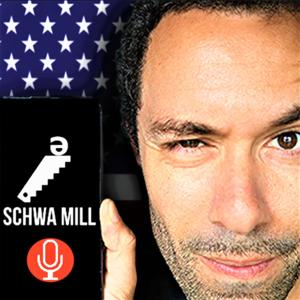


American English shadowing exercises are for people interested in expanding their American English accents, whether you are located in the US, North America, or other areas around the world. For the best use of shadowing exercises in American English, listen to a section of audio, pause, and repeat what you hear. Try to use the same pronunciation, intonation, stress, pitch patterns, and linking that you find native English speakers use; record yourself and compare the differences.
Find mp3 versions of our exercises here: www.fluentamerican.com/podcast
#fluentamerican #shadowing #americanaccent
Support the show
One of the biggest differences between how American English native speakers and language learners sound has to do with the vowels or consonants we use, but not in the way you may expect.
The reality: we often struggle to feel natural adding the elements we need to use in our pronunciation, especially when it comes to placement when pronouncing vowels and consonants like native speakers. We're going to talk about what it means to have a high placement and a low placement in American English pronunciation
Welcome to Wake Up American, where Monday through Friday, we spend a couple minutes on a challenging aspect of American English pronunciation and walk through examples to help you achieve a more natural sound the next time you speak in American English at work, at home, or out and about town.
#wakeupamerican #fluentamerican #americanenglish
Get feedback on your pronunciation in our Telegram group every day! www.fluentamerican.com/telegram
Support the show
One of the biggest differences between how American English native speakers and language learners sound has not only to do with the vowels or consonants we use, but how we say our sentences.
The reality: we often struggle to feel natural adding the elements we need to use in our pronunciation, especially when it comes to nuances like expressing emotion and considering the context of the situation we are speaking in
Welcome to Wake Up American, where Monday through Friday, we spend a couple minutes on a challenging aspect of American English pronunciation and walk through examples to help you achieve a more natural sound the next time you speak in American English at work, at home, or out and about town.
#wakeupamerican #fluentamerican #americanenglish
Get feedback on your pronunciation in our Telegram group every day! www.fluentamerican.com/telegram
Check out the video version here: https://youtube.com/live/lhagHIptCG4
Support the show
One of the biggest differences between how American English native speakers and language learners sound has not only to do with the vowels or consonants we use, but how we say our sentences.
The reality: we often struggle to feel natural adding the elements we need to use in our pronunciation, especially when it comes to nuances like rising intonation, falling intonation, and patterns that suggest sentences or questions.
Welcome to Wake Up American, where Monday through Friday, we spend a couple minutes on a challenging aspect of American English pronunciation and walk through examples to help you achieve a more natural sound the next time you speak in American English at work, at home, or out and about town.
#wakeupamerican #fluentamerican #americanenglish
Get feedback on your pronunciation in our Telegram group every day! www.fluentamerican.com/telegram
Support the show
American English shadowing exercises are for people interested in expanding their American English accents, whether you are located in the US, North America, or other areas around the world. For the best use of shadowing exercises in American English, listen to a section of audio, pause, and repeat what you hear. Try to use the same pronunciation, intonation, stress, pitch patterns, and linking that you find native English speakers use; record yourself and compare the differences.
Find video versions of our exercises here: www.youtube.com/@fluentamericanshadowing
#fluentamerican #shadowing #americanaccent
Support the show
Register for the full course at www.fluentamerican.com/propitchmastery
Seats still open for June 27th, 8:30-10AM New York
Want to sound American when you speak in English? This is one of the most fundamental tools you need to achieve a natural sound!
This is from our pitch course, Pro Pitch Mastery, where we analyze how comedians and entertainers who are native speakers use pitch in order to enhance their communication from the stage for their audiences.
You'll see how pitch is used across a variety of different situations that you can immediately apply to your own conversations and the next time you use American English to speak!
Whether to clarify a point you've made, to make a list, to elaborate on details, or even to change your mind, pitch is going to be an incredibly helpful tool that will also immediately help you sound more natural in American English pronunciation
Support the show
One of the biggest differences between how American English native speakers and language learners sound may be how we express emotions, not necessarily by words, but how we say them! American English often uses a variety of different vocal patterns, pitches, and sounds; there are still situations where English learners sound different than native speakers when it comes to showing emotions though.
Welcome to Wake Up American, where Monday through Friday, we spend a couple minutes on a challenging aspect of American English pronunciation and walk through examples to help you achieve a more natural sound the next time you speak in American English at work, at home, or out and about town.
#wakeupamerican #fluentamerican #americanenglish
Support the show
One of the biggest differences between how American English native speakers and language learners sound not only has to do with the vowels or consonants we use, especially when it comes to transitioning from one thought group to the next, but also the pitch.
The reality: we often struggle to feel natural adding the elements we need to use in our pronunciation, especially when it comes to having a wide enough pitch range in American English.
Welcome to Wake Up American, where Monday through Friday, we spend a couple minutes on a challenging aspect of American English pronunciation and walk through examples to help you achieve a more natural sound the next time you speak in American English at work, at home, or out and about town.
Support the show
One of the biggest differences between how American English native speakers and language learners sound has to do with the vowels or consonants we use, especially when it comes to transitioning from one thought group to the next.
The reality: we often struggle to feel natural adding the elements we need to use in our pronunciation, especially when it comes to pronouncing vowels like native speakers.
Welcome to Wake Up American, where Monday through Friday, we spend a couple minutes on a challenging aspect of American English pronunciation and walk through examples to help you achieve a more natural sound the next time you speak in American English at work, at home, or out and about town.
Support the show
Wonder how to pronounce Pain (eI) VS Pen (ɛ) in American English?
Watch a video version at https://youtube.com/live/cJPLEHxbxaw
One of the biggest differences between how American English native speakers and language learners sound has to do with the vowels or consonants we use.
The reality: we often struggle to feel natural adding the elements we need to use in our pronunciation, especially when it comes to pronouncing vowels like native speakers.. Specifically, we're going to focus on common minimal pairs that cause issues for pronunciation students.
Welcome to Wake Up American, where Monday through Friday, we spend a couple minutes on a challenging aspect of American English pronunciation and walk through examples to help you achieve a more natural sound the next time you speak in American English at work, at home, or out and about town.
#wakeupamerican #fluentamerican #americanenglish
Support the show
From the publisher's feed
The Schwa Mill is a show from Fluent American (www.youtube.com/fluentamerican) where we provide you with free techniques, secrets, and resources you need to sound natural in American English,…

1,829 Listeners

1,038 Listeners
539 Listeners
508 Listeners

460 Listeners

595 Listeners

246 Listeners
638 Listeners

367 Listeners

44 Listeners

4 Listeners
114 Listeners
549 Listeners
8 Listeners
0 Listeners