
Sign up to save your podcasts
Or



Watch a video version at www.youtube.com/fluentamerican
One of the biggest differences between how American English native speakers and language learners sound has less to do with the vowels or consonants we use or the words we stress but the pitch we use as we speak. The reality: we often struggle to feel natural adding the elements we need to use in our pronunciation. Let's demonstrate the effect pitch transitions can have on our speech in American English.
Welcome to Wake Up American, where Monday through Friday, we spend a couple minutes on a challenging aspect of American English pronunciation and walk through examples to help you achieve a more natural sound the next time you speak in American English at work, at home, or out and about town.
Support the show
American English shadowing exercises are for people interested in expanding their American English accents, whether you are located in the US, North America, or other areas around the world. For the best use of shadowing exercises in American English, listen to a section of audio, pause, and repeat what you hear. Try to use the same pronunciation, intonation, stress, pitch patterns, and linking that you find native English speakers use; record yourself and compare the differences.
Find a video version of our exercise here: www.youtube.com/watch?v=EHhbIOebOsg
Support the Show.
In this English Speaking Practice & Listening Shadowing Tips video, we break down our original shadowing video (https://youtu.be/U5jSfKEo5S4How ) and discuss some pronunciation features it contains that can help you sound more natural as you practice your American English pronunciation
American English shadowing exercises are for people interested in expanding their American English accents, whether you are located in the US, North America, or other areas around the world. For the best use of shadowing exercises in American English, listen to a section of audio, pause, and repeat what you hear. Try to use the same pronunciation, intonation, stress, pitch patterns, and linking that you find native English speakers use; record yourself and compare the differences.
Find mp3 versions of our exercises here: www.fluentamerican.com/podcast
#fluentamerican #shadowing #americanaccent
Support the Show.
Watch the full video: www.youtube.com/live/XCQM4ZRUUXs
One of the biggest differences between how American English native speakers and language learners sound may have less to do with the vowels or consonants we use or the words we stress. Instead, native speakers tend to use more elements of contrast than nonnative speakers in American English pronunciation. But what are ways to show contrast? Let's review 5 techniques.
Welcome to Wake Up American, where Monday through Friday, we spend a couple minutes on a challenging aspect of American English pronunciation and walk through examples to help you achieve a more natural sound the next time you speak in American English at work, at home, or out and about town.
Support the Show.
One of the biggest differences between how American English native speakers and language learners sound may be how we express surprise, not necessarily by words, but sounds! American English often uses a variety of different noises, there are still situations where English learners sound different than native speakers when it comes to showing surprise.
Welcome to Wake Up American, where Monday through Friday, we spend a couple minutes on a challenging aspect of American English pronunciation and walk through examples to help you achieve a more natural sound the next time you speak in American English at work, at home, or out and about town.
Get a video version: www.youtube.com/live/uQKxnkTp9fg
Support the Show.
American English shadowing exercises are for people interested in expanding their American English accents, whether you are located in the US, North America, or other areas around the world. For the best use of shadowing exercises in American English, listen to a section of audio, pause, and repeat what you hear. Try to use the same pronunciation, intonation, stress, pitch patterns, and linking that you find native English speakers use; record yourself and compare the differences.
Get a video version with stress, thought group, and pitch markings: https://youtu.be/6FrJG8ZLcxE
Support the Show.
One of the biggest differences between how American English native speakers and language learners sound may be how we are using our lips, especially when it comes to pronouncing many consonant sounds! More specifically, the position of our lips and tongue may not have as huge an impact on how we sound as we think. Let's do some exercises to practice expressing emotion in American English.
Welcome to Wake Up American, where Monday through Friday, we spend a couple minutes on a challenging aspect of American English pronunciation and walk through examples to help you achieve a more natural sound the next time you speak in American English at work, at home, or out and about town.
Get a video version at www.youtube.com/watch?v=34vFMhc-sn8
Support the Show.
One of the biggest differences between how American English native speakers and language learners sound may be how we are using our pitches and intonation, especially when it comes to expressing emotion! More specifically, our relationship between high and low pitches, and how we move across them, can have a huge impact on how we sound. Let's do some exercises to practice expressing emotion in American English.
Welcome to Wake Up American, where Monday through Friday, we spend a couple minutes on a challenging aspect of American English pronunciation and walk through examples to help you achieve a more natural sound the next time you speak in American English at work, at home, or out and about town.
Watch at https://youtube.com/live/VEXcrySQFxI
#wakeupamerican #fluentamerican #americanenglish
Support the Show.
Download an mp3/podcast version of videos at www.fluentamerican.com/podcast
One of the biggest differences between how American English native speakers and language learners sound may be how we are using our pitches and intonation, especially at the ends of words! More specifically, our relationship between high and low pitches, and how we move across them, can have a huge impact on how we sound. Let's do some exercises to practice American English pitch patterns.
Welcome to Wake Up American, where Monday through Friday, we spend a couple minutes on a challenging aspect of American English pronunciation and walk through examples to help you achieve a more natural sound the next time you speak in American English at work, at home, or out and about town.
#wakeupamerican #fluentamerican #americanenglish
Support the Show.
American English shadowing exercises are for people interested in expanding their American English accents, whether you are located in the US, North America, or other areas around the world. For the best use of shadowing exercises in American English, listen to a section of audio, pause, and repeat what you hear. Try to use the same pronunciation, intonation, stress, pitch patterns, and linking that you find native English speakers use; record yourself and compare the differences.
Find video versions at www.youtube.com/@fluentamericanshadowing
Support the Show.
From the publisher's feed
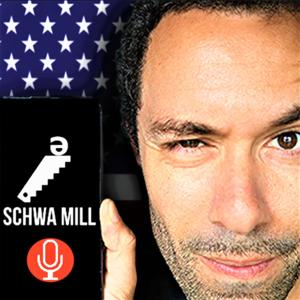
The Schwa Mill is a show from Fluent American (www.youtube.com/fluentamerican) where we provide you with free techniques, secrets, and resources you need to sound natural in American English,…

1,829 Listeners

1,038 Listeners

539 Listeners

508 Listeners

460 Listeners

595 Listeners

246 Listeners

638 Listeners

367 Listeners

44 Listeners

4 Listeners
114 Listeners
549 Listeners
8 Listeners

0 Listeners