
Sign up to save your podcasts
Or


Key Points from the Article:
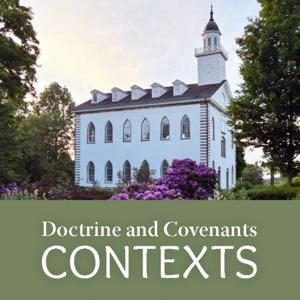
Formation of Church Councils: Joseph Smith convened councils to make Church decisions, especially regarding discipline, as outlined in the Church’s law from 1831 (Doctrine and Covenants 42). As the Church grew, the need arose for standing councils to manage more complex issues. On February 17, 1834, Joseph shared with priesthood leaders a vision-based outline for these councils, noting that ancient Church councils operated differently from secular courts.
Ancient Order of Councils: Joseph taught that in ancient times, Jerusalem was the Church Council’s center, with Peter as president, appointed by Christ and supported by two counselors who could act in his absence. Church councils differed from secular courts by relying on the Spirit rather than arguments for or against the accused. Instead, each councilor spoke according to evidence and inspiration. Joseph was given authority to make necessary corrections to the council’s procedures, which were formalized and canonized in Doctrine and Covenants 102.
Establishing the High Council: On February 19, 1834, Joseph organized the high council, blessing his two counselors and twelve high counselors with wisdom, power, and protection from adversarial forces. He charged them to counsel with righteousness and established the council as “according to the ancient order.” This council helped establish a stake of Zion in Kirtland, following imagery from Isaiah and previous revelations, and outlined guidelines for other standing and temporary councils.
First Case and Procedures: The high council's first case involved Ezra Thayer’s charge against Elder Curtis Hodges for overly loud preaching. Following the procedures in Section 102, counselors with even numbers represented the accused, while odd-numbered counselors defended the Church’s interests. Witnesses confirmed that Hodges’ loud preaching disrupted his voice, and Joseph, presiding, affirmed the charges were valid. Curtis confessed his error and promised to repent.
Enduring Instructions of Section 102: Although not all cases are as straightforward as this one, the guidelines in Section 102 continue to shape high council practices in the Church’s stakes, ensuring that disciplinary and other proceedings follow the principles established by Joseph Smith.
Read full article here:
https://byustudies.byu.edu/online-book/doctrine-and-covenants-contexts/section-102
 View all episodes
 By BYU Studies

4.6
1010 ratings
Key Points from the Article:
Formation of Church Councils: Joseph Smith convened councils to make Church decisions, especially regarding discipline, as outlined in the Church’s law from 1831 (Doctrine and Covenants 42). As the Church grew, the need arose for standing councils to manage more complex issues. On February 17, 1834, Joseph shared with priesthood leaders a vision-based outline for these councils, noting that ancient Church councils operated differently from secular courts.
Ancient Order of Councils: Joseph taught that in ancient times, Jerusalem was the Church Council’s center, with Peter as president, appointed by Christ and supported by two counselors who could act in his absence. Church councils differed from secular courts by relying on the Spirit rather than arguments for or against the accused. Instead, each councilor spoke according to evidence and inspiration. Joseph was given authority to make necessary corrections to the council’s procedures, which were formalized and canonized in Doctrine and Covenants 102.
Establishing the High Council: On February 19, 1834, Joseph organized the high council, blessing his two counselors and twelve high counselors with wisdom, power, and protection from adversarial forces. He charged them to counsel with righteousness and established the council as “according to the ancient order.” This council helped establish a stake of Zion in Kirtland, following imagery from Isaiah and previous revelations, and outlined guidelines for other standing and temporary councils.
First Case and Procedures: The high council's first case involved Ezra Thayer’s charge against Elder Curtis Hodges for overly loud preaching. Following the procedures in Section 102, counselors with even numbers represented the accused, while odd-numbered counselors defended the Church’s interests. Witnesses confirmed that Hodges’ loud preaching disrupted his voice, and Joseph, presiding, affirmed the charges were valid. Curtis confessed his error and promised to repent.
Enduring Instructions of Section 102: Although not all cases are as straightforward as this one, the guidelines in Section 102 continue to shape high council practices in the Church’s stakes, ensuring that disciplinary and other proceedings follow the principles established by Joseph Smith.
Read full article here:
https://byustudies.byu.edu/online-book/doctrine-and-covenants-contexts/section-102
1,517 Listeners
671 Listeners

1,038 Listeners

1,754 Listeners

2,519 Listeners
1,837 Listeners
1,814 Listeners
290 Listeners
934 Listeners
2,695 Listeners
11,025 Listeners
1,009 Listeners
574 Listeners
2,029 Listeners
316 Listeners