
Sign up to save your podcasts
Or


Parable Connection: The Savior's story in Luke 16:19-31 of the rich man and Lazarus inspired Doctrine and Covenants 104, applying its lesson to the Latter-day Saints. "Dives," the Latin term for "rich man," became a symbolic figure of wealth and negligence in medieval interpretations and is mentioned here to highlight the consequences of hoarding riches.
United Firm's Financial Struggles: The revelation emerged during a crisis for the United Firm, which managed Church businesses and was heavily indebted due to destroyed assets and expenses for aid to Saints in Missouri. This financial strain revealed issues of covetousness and lack of support from members who could have eased the burden.
Consecration and Accountability: The Lord reaffirmed the law of consecration, emphasizing that everything on earth belongs to Him, and the rich are obligated to share with the poor. Section 104 warned of severe consequences for covenant-breaking Saints, urging them to fulfill their roles as stewards rather than independent "owners."
Dissolution of the United Firm: In response to financial disunity, the Lord directed the United Firm to dissolve, establishing separate firms in Kirtland and Missouri. This reorganization highlighted the importance of adhering to consecration principles and sharing resources according to God's will.
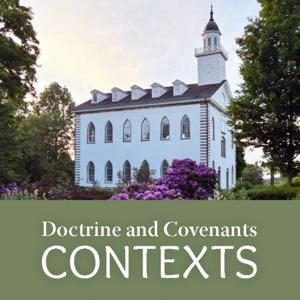
Debt Forgiveness and Divine Assistance: The Firm members forgave each other's debts, relieving some burdens but still facing external obligations. They prayed for divine help, leading to donations and, ultimately, the unexpected arrival of funds that saved Church properties. Through their consecration, humility, and diligence, the Saints experienced blessings beyond financial relief, including spiritual outpourings at the Kirtland Temple.
Read full article here:
https://byustudies.byu.edu/online-book/doctrine-and-covenants-contexts/section-104
 View all episodes
 By BYU Studies

4.6
1010 ratings
Parable Connection: The Savior's story in Luke 16:19-31 of the rich man and Lazarus inspired Doctrine and Covenants 104, applying its lesson to the Latter-day Saints. "Dives," the Latin term for "rich man," became a symbolic figure of wealth and negligence in medieval interpretations and is mentioned here to highlight the consequences of hoarding riches.
United Firm's Financial Struggles: The revelation emerged during a crisis for the United Firm, which managed Church businesses and was heavily indebted due to destroyed assets and expenses for aid to Saints in Missouri. This financial strain revealed issues of covetousness and lack of support from members who could have eased the burden.
Consecration and Accountability: The Lord reaffirmed the law of consecration, emphasizing that everything on earth belongs to Him, and the rich are obligated to share with the poor. Section 104 warned of severe consequences for covenant-breaking Saints, urging them to fulfill their roles as stewards rather than independent "owners."
Dissolution of the United Firm: In response to financial disunity, the Lord directed the United Firm to dissolve, establishing separate firms in Kirtland and Missouri. This reorganization highlighted the importance of adhering to consecration principles and sharing resources according to God's will.
Debt Forgiveness and Divine Assistance: The Firm members forgave each other's debts, relieving some burdens but still facing external obligations. They prayed for divine help, leading to donations and, ultimately, the unexpected arrival of funds that saved Church properties. Through their consecration, humility, and diligence, the Saints experienced blessings beyond financial relief, including spiritual outpourings at the Kirtland Temple.
Read full article here:
https://byustudies.byu.edu/online-book/doctrine-and-covenants-contexts/section-104

1,517 Listeners

671 Listeners

1,038 Listeners

1,754 Listeners
2,519 Listeners
1,837 Listeners

1,814 Listeners

290 Listeners
934 Listeners
2,695 Listeners

11,025 Listeners
1,009 Listeners
574 Listeners
2,029 Listeners
316 Listeners