
Sign up to save your podcasts
Or

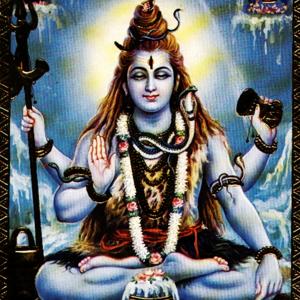


"How can one know thus as to where It (the Self) is, for which both the brāhmaṇa and the kṣatriya become food, and for which Death takes the place of a curry?"
“This Self cannot be known through much study, nor through the intellect, nor through much hearing. It can be known through the Self alone that the aspirant prays to; this Self of that seeker reveals Its true nature. One who has not desisted from bad conduct, whose senses are not under control, whose mind is not concentrated, whose mind is not free from anxiety about the result of concentration, cannot attain this Self through knowledge.“
“While sitting, It travels far away; while sleeping, It goes everywhere. Who but I can know that Deity who is both joyful and joyless? Having meditated on the Self as bodiless in the midst of bodies, as permanent in the midst of the impermanent, and as great and pervasive, the wise man does not grieve.“
“If the killer thinks (of It) in terms of killing, and if the killed thinks (of It) as killed, both of them do not know. It does not kill, nor is it killed. The Self that is subtler than the subtle and greater than the great is lodged in the heart of (every) creature. A desireless man sees that glory of the Self through the serenity of the organs, and (thereby he becomes) free from sorrow.“
“This medium is the best; this medium is the supreme and the inferior Brahman. Meditating on this medium, one becomes adorable in the world of Brahman. The intelligent Self is neither born nor does It die. It did not originate from anything, nor did anything originate from It. It is birthless, eternal, undecaying and ancient. It is not injured even when the body is killed.“
“I tell you briefly of that goal which all the Vedas propound with one voice, which all the austerities speak of, and wishing for which, people practise brahmācārya. It is this: ĀŪṀ. This letter ĀŪṀ, indeed, is the inferior Brahman Hiraṇyagarbha; and this letter is, indeed, the Supreme Brahman. Anybody, who, while meditating on this letter, wants any of the two, to him comes that.“
Death continued: “After hearing this, grasping it fully, separating this righteous thing from the body etc., and attaining this subtle thing, that mortal rejoices, for he has obtained that which is the cause of delight. I consider that the mansion of Brahman is wide open to Naciketā.“
Namaste 🙏 So I wanted to follow up on the previous video, which is about meditation. What do you do when you get to the point where you're seeing the light of Brahman? (This is advanced, okay?)
Namaste 🙏 We've been talking in these videos on Kaṭhopaniṣad about the background, the context for meditation and self-realization. And this is very important. But we also want to talk about the practice. How do you realize what's being talked about in the text?
“O Naciketā, you, on becoming enlightened, have rejected them all by examining patiently the highest reach of desire, the support of the universe, the infinite results of meditation, the other shore of fearlessness, the extensive course of Hiraṇyagarbha that is praiseworthy and great, as also your own state. The intelligent man gives up happiness and sorrow by developing concentration of mind on the Self, and thereby meditating on the old Deity who is inscrutable, lodged inaccessibly, located in the intellect, and seated in the midst of misery.“
From the publisher's feed