
Sign up to save your podcasts
Or




"Turn On, Tune In, Drop Out" is a book written by Timothy Leary, a prominent figure in the counterculture movement of the 1960s. The book, published in 1966, encapsulates Leary's ideas and philosophy regarding the exploration of consciousness and the rejection of societal norms.
The title itself encapsulates Leary's main message. "Turn on" refers to the idea of expanding one's consciousness through various means, such as psychedelic substances like LSD. Leary believed that by altering our perception of reality, we could gain new insights and experiences.
"Tune in" emphasizes the importance of attuning oneself to the present moment and connecting with one's inner self. Leary encouraged individuals to explore their own consciousness and find their own truths, rather than relying on external authorities or societal expectations.
"Drop out" signifies a rejection of mainstream societal structures and conventions. Leary advocated for individuals to break free from societal constraints and find their own paths in life, pursuing personal fulfillment and spiritual growth.
In his book, Leary explores these concepts in detail, discussing the potential of psychedelic experiences, the role of spirituality and mysticism, and the need for personal freedom and self-expression. He argues that by turning on, tuning in, and dropping out, individuals can attain a higher level of consciousness and create a more enlightened and harmonious society.
Overall, "Turn On, Tune In, Drop Out" presents Timothy Leary's countercultural vision of personal liberation and societal transformation through the exploration of consciousness and the rejection of traditional societal norms.
"Turn On, Tune In, Drop Out" is a book written by Timothy Leary, a prominent figure in the counterculture movement of the 1960s. The book, published in 1966, encapsulates Leary's ideas and philosophy regarding the exploration of consciousness and the rejection of societal norms.
The title itself encapsulates Leary's main message. "Turn on" refers to the idea of expanding one's consciousness through various means, such as psychedelic substances like LSD. Leary believed that by altering our perception of reality, we could gain new insights and experiences.
"Tune in" emphasizes the importance of attuning oneself to the present moment and connecting with one's inner self. Leary encouraged individuals to explore their own consciousness and find their own truths, rather than relying on external authorities or societal expectations.
"Drop out" signifies a rejection of mainstream societal structures and conventions. Leary advocated for individuals to break free from societal constraints and find their own paths in life, pursuing personal fulfillment and spiritual growth.
In his book, Leary explores these concepts in detail, discussing the potential of psychedelic experiences, the role of spirituality and mysticism, and the need for personal freedom and self-expression. He argues that by turning on, tuning in, and dropping out, individuals can attain a higher level of consciousness and create a more enlightened and harmonious society.
Overall, "Turn On, Tune In, Drop Out" presents Timothy Leary's countercultural vision of personal liberation and societal transformation through the exploration of consciousness and the rejection of traditional societal norms.
"Turn On, Tune In, Drop Out" is a book written by Timothy Leary, a prominent figure in the counterculture movement of the 1960s. The book, published in 1966, encapsulates Leary's ideas and philosophy regarding the exploration of consciousness and the rejection of societal norms.
The title itself encapsulates Leary's main message. "Turn on" refers to the idea of expanding one's consciousness through various means, such as psychedelic substances like LSD. Leary believed that by altering our perception of reality, we could gain new insights and experiences.
"Tune in" emphasizes the importance of attuning oneself to the present moment and connecting with one's inner self. Leary encouraged individuals to explore their own consciousness and find their own truths, rather than relying on external authorities or societal expectations.
"Drop out" signifies a rejection of mainstream societal structures and conventions. Leary advocated for individuals to break free from societal constraints and find their own paths in life, pursuing personal fulfillment and spiritual growth.
In his book, Leary explores these concepts in detail, discussing the potential of psychedelic experiences, the role of spirituality and mysticism, and the need for personal freedom and self-expression. He argues that by turning on, tuning in, and dropping out, individuals can attain a higher level of consciousness and create a more enlightened and harmonious society.
Overall, "Turn On, Tune In, Drop Out" presents Timothy Leary's countercultural vision of personal liberation and societal transformation through the exploration of consciousness and the rejection of traditional societal norms.
"Turn On, Tune In, Drop Out" is a book written by Timothy Leary, a prominent figure in the counterculture movement of the 1960s. The book, published in 1966, encapsulates Leary's ideas and philosophy regarding the exploration of consciousness and the rejection of societal norms.
The title itself encapsulates Leary's main message. "Turn on" refers to the idea of expanding one's consciousness through various means, such as psychedelic substances like LSD. Leary believed that by altering our perception of reality, we could gain new insights and experiences.
"Tune in" emphasizes the importance of attuning oneself to the present moment and connecting with one's inner self. Leary encouraged individuals to explore their own consciousness and find their own truths, rather than relying on external authorities or societal expectations.
"Drop out" signifies a rejection of mainstream societal structures and conventions. Leary advocated for individuals to break free from societal constraints and find their own paths in life, pursuing personal fulfillment and spiritual growth.
In his book, Leary explores these concepts in detail, discussing the potential of psychedelic experiences, the role of spirituality and mysticism, and the need for personal freedom and self-expression. He argues that by turning on, tuning in, and dropping out, individuals can attain a higher level of consciousness and create a more enlightened and harmonious society.
Overall, "Turn On, Tune In, Drop Out" presents Timothy Leary's countercultural vision of personal liberation and societal transformation through the exploration of consciousness and the rejection of traditional societal norms.
"Turn On, Tune In, Drop Out" is a book written by Timothy Leary, a prominent figure in the counterculture movement of the 1960s. The book, published in 1966, encapsulates Leary's ideas and philosophy regarding the exploration of consciousness and the rejection of societal norms.
The title itself encapsulates Leary's main message. "Turn on" refers to the idea of expanding one's consciousness through various means, such as psychedelic substances like LSD. Leary believed that by altering our perception of reality, we could gain new insights and experiences.
"Tune in" emphasizes the importance of attuning oneself to the present moment and connecting with one's inner self. Leary encouraged individuals to explore their own consciousness and find their own truths, rather than relying on external authorities or societal expectations.
"Drop out" signifies a rejection of mainstream societal structures and conventions. Leary advocated for individuals to break free from societal constraints and find their own paths in life, pursuing personal fulfillment and spiritual growth.
In his book, Leary explores these concepts in detail, discussing the potential of psychedelic experiences, the role of spirituality and mysticism, and the need for personal freedom and self-expression. He argues that by turning on, tuning in, and dropping out, individuals can attain a higher level of consciousness and create a more enlightened and harmonious society.
Overall, "Turn On, Tune In, Drop Out" presents Timothy Leary's countercultural vision of personal liberation and societal transformation through the exploration of consciousness and the rejection of traditional societal norms.
"Turn On, Tune In, Drop Out" is a book written by Timothy Leary, a prominent figure in the counterculture movement of the 1960s. The book, published in 1966, encapsulates Leary's ideas and philosophy regarding the exploration of consciousness and the rejection of societal norms.
The title itself encapsulates Leary's main message. "Turn on" refers to the idea of expanding one's consciousness through various means, such as psychedelic substances like LSD. Leary believed that by altering our perception of reality, we could gain new insights and experiences.
"Tune in" emphasizes the importance of attuning oneself to the present moment and connecting with one's inner self. Leary encouraged individuals to explore their own consciousness and find their own truths, rather than relying on external authorities or societal expectations.
"Drop out" signifies a rejection of mainstream societal structures and conventions. Leary advocated for individuals to break free from societal constraints and find their own paths in life, pursuing personal fulfillment and spiritual growth.
In his book, Leary explores these concepts in detail, discussing the potential of psychedelic experiences, the role of spirituality and mysticism, and the need for personal freedom and self-expression. He argues that by turning on, tuning in, and dropping out, individuals can attain a higher level of consciousness and create a more enlightened and harmonious society.
Overall, "Turn On, Tune In, Drop Out" presents Timothy Leary's countercultural vision of personal liberation and societal transformation through the exploration of consciousness and the rejection of traditional societal norms.
"Turn On, Tune In, Drop Out" is a book written by Timothy Leary, a prominent figure in the counterculture movement of the 1960s. The book, published in 1966, encapsulates Leary's ideas and philosophy regarding the exploration of consciousness and the rejection of societal norms.
The title itself encapsulates Leary's main message. "Turn on" refers to the idea of expanding one's consciousness through various means, such as psychedelic substances like LSD. Leary believed that by altering our perception of reality, we could gain new insights and experiences.
"Tune in" emphasizes the importance of attuning oneself to the present moment and connecting with one's inner self. Leary encouraged individuals to explore their own consciousness and find their own truths, rather than relying on external authorities or societal expectations.
"Drop out" signifies a rejection of mainstream societal structures and conventions. Leary advocated for individuals to break free from societal constraints and find their own paths in life, pursuing personal fulfillment and spiritual growth.
In his book, Leary explores these concepts in detail, discussing the potential of psychedelic experiences, the role of spirituality and mysticism, and the need for personal freedom and self-expression. He argues that by turning on, tuning in, and dropping out, individuals can attain a higher level of consciousness and create a more enlightened and harmonious society.
Overall, "Turn On, Tune In, Drop Out" presents Timothy Leary's countercultural vision of personal liberation and societal transformation through the exploration of consciousness and the rejection of traditional societal norms.
"Turn On, Tune In, Drop Out" is a book written by Timothy Leary, a prominent figure in the counterculture movement of the 1960s. The book, published in 1966, encapsulates Leary's ideas and philosophy regarding the exploration of consciousness and the rejection of societal norms.
The title itself encapsulates Leary's main message. "Turn on" refers to the idea of expanding one's consciousness through various means, such as psychedelic substances like LSD. Leary believed that by altering our perception of reality, we could gain new insights and experiences.
"Tune in" emphasizes the importance of attuning oneself to the present moment and connecting with one's inner self. Leary encouraged individuals to explore their own consciousness and find their own truths, rather than relying on external authorities or societal expectations.
"Drop out" signifies a rejection of mainstream societal structures and conventions. Leary advocated for individuals to break free from societal constraints and find their own paths in life, pursuing personal fulfillment and spiritual growth.
In his book, Leary explores these concepts in detail, discussing the potential of psychedelic experiences, the role of spirituality and mysticism, and the need for personal freedom and self-expression. He argues that by turning on, tuning in, and dropping out, individuals can attain a higher level of consciousness and create a more enlightened and harmonious society.
Overall, "Turn On, Tune In, Drop Out" presents Timothy Leary's countercultural vision of personal liberation and societal transformation through the exploration of consciousness and the rejection of traditional societal norms.
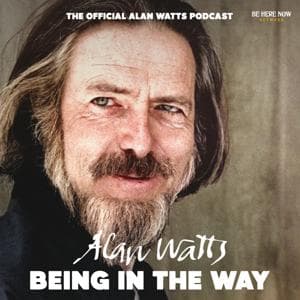
Alan Watts popularized Eastern philosophy, particularly Zen Buddhism, in the Western world. He introduced the concept of the "Religion of No Religion," which emphasizes direct experience and personal realization over adherence to rigid beliefs and dogmas. Watts believed that traditional religious institutions often lose sight of the spiritual essence due to rituals and doctrines. He saw Zen Buddhism as a way to transcend these limitations by focusing on mindfulness, meditation, and living in the present moment. Watts encouraged individuals to cultivate wonder and openness towards existence, finding religious experiences in everyday life. He saw different religious traditions as expressions of the same underlying reality and emphasized the interconnectedness of all paths. Overall, the "Religion of No Religion" invites individuals to explore their own consciousness and embrace a more experiential approach to spirituality.
Alan Watts popularized Eastern philosophy, particularly Zen Buddhism, in the Western world. He introduced the concept of the "Religion of No Religion," which emphasizes direct experience and personal realization over adherence to rigid beliefs and dogmas. Watts believed that traditional religious institutions often lose sight of the spiritual essence due to rituals and doctrines. He saw Zen Buddhism as a way to transcend these limitations by focusing on mindfulness, meditation, and living in the present moment. Watts encouraged individuals to cultivate wonder and openness towards existence, finding religious experiences in everyday life. He saw different religious traditions as expressions of the same underlying reality and emphasized the interconnectedness of all paths. Overall, the "Religion of No Religion" invites individuals to explore their own consciousness and embrace a more experiential approach to spirituality.
From the publisher's feed

227,563 Listeners
2,626 Listeners

1,286 Listeners

522 Listeners

1,280 Listeners

3,703 Listeners

44 Listeners

236 Listeners

6 Listeners

134 Listeners
798 Listeners

1,423 Listeners
25 Listeners

43 Listeners

450 Listeners