
Sign up to save your podcasts
Or

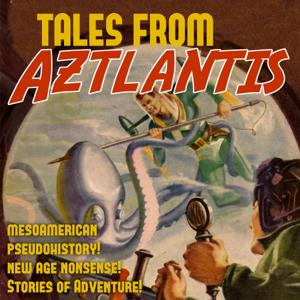


In this throwback episode from Season 2, Kurly talks with Ruben Ochoa about the Mexika calendar system that he deciphered through his own math expertise and analysis of the codices.
Your host:
Kurly Tlapoyawa is an archaeologist, ethnohistorian, and filmmaker. His research covers Mesoamerica, the American Southwest, and the historical connections between the two regions. He is the author of numerous books and has presented lectures at the University of New Mexico, Yale University, San Diego State University, and numerous others. He recently released a documentary film "Guardians of the Purple Kingdom" about Indigenous textile production in Oaxaca.
listener comments? Feedback? Shoot us a text!
Support the show
Order "NEVER WILL IT BE LOST" and get $5 off!
Support Lignum: A Cultural Haven in MéridaYour Hosts:
Kurly Tlapoyawa is an archaeologist, ethnohistorian, and filmmaker. His research covers Mesoamerica, the American Southwest, and the historical connections between the two regions. He is the author of numerous books and has presented lectures at the University of New Mexico, Harvard University, Yale University, San Diego State University, and numerous others. He most recently released his documentary short film "Guardians of the Purple Kingdom," and is a cultural consultant for Nickelodeon Animation Studios.
@kurlytlapoyawa
Ruben Arellano Tlakatekatl is a scholar, activist, and professor of history. His research explores Chicana/Chicano indigeneity, Mexican indigenist nationalism, and Coahuiltecan identity resurgence. Other areas of research include Aztlan (US Southwest), Anawak (Mesoamerica), and Native North America. He has presented and published widely on these topics and has taught courses at various institutions. He currently teaches history at Dallas College – Mountain View Campus.
Find us:
For our season 4 finale, we take some time to answer burning questions from our listeners, and make some book recommendations for those interested in learning more about Chicano-Mexicano history, culture, and identity!
Your hosts:
Kurly Tlapoyawa is an archaeologist, ethnohistorian, and filmmaker. His research covers Mesoamerica, the American Southwest, and the historical connections between the two regions. He is the author of numerous books and has presented lectures at the University of New Mexico, Yale University, San Diego State University, and numerous others. He recently released a documentary film "Guardians of the Purple Kingdom" about Indigenous textile production in Oaxaca.
Ruben Arellano Tlakatekatl is a scholar, activist, and professor of history. His research explores Chicana/Chicano indigeneity, Mexican indigenist nationalism, and Coahuiltecan identity resurgence. Other areas of research include Aztlan (US Southwest), Anawak (Mesoamerica), and Native North America. He has presented and published widely on these topics and has taught courses at various institutions. He currently teaches history at Dallas College – Mountain View Campus.
listener comments? Feedback? Shoot us a text!
This December, I'll be joining Skeptoid Adventures as your guide for The Mysteries of the Maya, where we'll travel through the Yucatán exploring remarkable archaeological sites, uncovering the real history behind the Maya civilization, and separating fact from fiction along the way.
To reserve your spot, all you need is a fully refundable $500 deposit. Your deposit is refundable through August 1, so you can reserve your place with confidence. After Au
Lignum is a haven for culture, rest, and resistance. We believe in celebrating community and honoring the land that holds us. At our urban “milpa,” we practice indigenous science that respects the natural cycles of the region, and most of our workshops are hosted by indigenous and local experts. Every project we do is grounded in collective memory, creativity, and respect for the land and its people.
Support the show
Order "NEVER WILL IT BE LOST" and get $5 off!
Support Lignum: A Cultural Haven in MéridaYour Hosts:
Kurly Tlapoyawa is an archaeologist, ethnohistorian, and filmmaker. His research covers Mesoamerica, the American Southwest, and the historical connections between the two regions. He is the author of numerous books and has presented lectures at the University of New Mexico, Harvard University, Yale University, San Diego State University, and numerous others. He most recently released his documentary short film "Guardians of the Purple Kingdom," and is a cultural consultant for Nickelodeon Animation Studios.
@kurlytlapoyawa
Ruben Arellano Tlakatekatl is a scholar, activist, and professor of history. His research explores Chicana/Chicano indigeneity, Mexican indigenist nationalism, and Coahuiltecan identity resurgence. Other areas of research include Aztlan (US Southwest), Anawak (Mesoamerica), and Native North America. He has presented and published widely on these topics and has taught courses at various institutions. He currently teaches history at Dallas College – Mountain View Campus.
Find us:
Buy Merchandise here!
Become a Patreon supporter here
The Last of The Aztecs!
Online racial conspiracists often share historical photos of a man and woman dubbed "The Last of the Aztecs." But who are the individuals in the photo? What is their actual story? And what do they have to do with a showman and circus tycoon from Connecticut? Lets find out as we delve into the tragic story of...The Last of The Aztecs!
Your hosts:
Kurly Tlapoyawa is an archaeologist, ethnohistorian, and filmmaker. His research covers Mesoamerica, the American Southwest, and the historical connections between the two regions. He is the author of numerous books and has presented lectures at the University of New Mexico, Yale University, San Diego State University, and numerous others. He recently released a documentary film "Guardians of the Purple Kingdom" about Indigenous textile production in Oaxaca.
Ruben Arellano Tlakatekatl is a scholar, activist, and professor of history. His research explores Chicana/Chicano indigeneity, Mexican indigenist nationalism, and Coahuiltecan identity resurgence. Other areas of research include Aztlan (US Southwest), Anawak (Mesoamerica), and Native North America. He has presented and published widely on these topics and has taught courses at various institutions. He currently teaches history at Dallas College – Mountain View Campus.
Cited in the Podcast:
Freak Show: Presenting Human Oddities for Amusement and Profit
listener comments? Feedback? Shoot us a text!
Support the show
Order "NEVER WILL IT BE LOST" and get $5 off!
Support Lignum: A Cultural Haven in MéridaYour Hosts:
Kurly Tlapoyawa is an archaeologist, ethnohistorian, and filmmaker. His research covers Mesoamerica, the American Southwest, and the historical connections between the two regions. He is the author of numerous books and has presented lectures at the University of New Mexico, Harvard University, Yale University, San Diego State University, and numerous others. He most recently released his documentary short film "Guardians of the Purple Kingdom," and is a cultural consultant for Nickelodeon Animation Studios.
@kurlytlapoyawa
Ruben Arellano Tlakatekatl is a scholar, activist, and professor of history. His research explores Chicana/Chicano indigeneity, Mexican indigenist nationalism, and Coahuiltecan identity resurgence. Other areas of research include Aztlan (US Southwest), Anawak (Mesoamerica), and Native North America. He has presented and published widely on these topics and has taught courses at various institutions. He currently teaches history at Dallas College – Mountain View Campus.
Find us:
Well, dear listeners, it’s that time of year again: when the mainstream media and their corporate overlords conspire to wage war on the winter holiday meant to celebrate the birth of our savior and erase our annual traditions. We are referring of course, to the birth of Witzilopochtli as our sun reborn, and the associated feast of Panketzaliztli. But fear not, dear listeners, because here in Aztlantis we proudly say “Merry Panketzaliztli” and honor Witzilopochtli as the true reason for the season!
Tlazkamati to Micorazonmexica for the amazing episode artwork! Support their online store here: https://www.etsy.com/mx/shop/MiCorazonMexica
Your Hosts:
Kurly Tlapoyawa is an archaeologist, ethnohistorian, and filmmaker. His research covers Mesoamerica, the American Southwest, and the historical connections between the two regions. He is the author of numerous books and has presented lectures at the University of New Mexico, Harvard University, Yale University, San Diego State University, and numerous others. He is also a cultural consultant for Nickelodeon Animation Studios. His recent projects include the documentary short film "Guardians of the Purple Kingdom," and "The Casagrandes Movie" on Netflix. @kurlytlapoyawa
Ruben Arellano Tlakatekatl is a scholar, activist, and professor of history. His research explores Chicana/Chicano indigeneity, indigenist nationalism, and Coahuiltecan revitalization. Other areas of research include Aztlan (US Southwest), Anawak (Mesoamerica), and Native North America. His work has appeared in the Washington Post, Mexicolore, and several academic journals. He frequently presents at historical conferences and has taught courses at numerous colleges & universities. He currently teaches history at Dallas College – Mountain View Campus.
listener comments? Feedback? Shoot us a text!
This December, I'll be joining Skeptoid Adventures as your guide for The Mysteries of the Maya, where we'll travel through the Yucatán exploring remarkable archaeological sites, uncovering the real history behind the Maya civilization, and separating fact from fiction along the way.
To reserve your spot, all you need is a fully refundable $500 deposit. Your deposit is refundable through August 1, so you can reserve your place with confidence. After Au
Lignum is a haven for culture, rest, and resistance. We believe in celebrating community and honoring the land that holds us. At our urban “milpa,” we practice indigenous science that respects the natural cycles of the region, and most of our workshops are hosted by indigenous and local experts. Every project we do is grounded in collective memory, creativity, and respect for the land and its people.
Support the show
Order "NEVER WILL IT BE LOST" and get $5 off!
Support Lignum: A Cultural Haven in MéridaYour Hosts:
Kurly Tlapoyawa is an archaeologist, ethnohistorian, and filmmaker. His research covers Mesoamerica, the American Southwest, and the historical connections between the two regions. He is the author of numerous books and has presented lectures at the University of New Mexico, Harvard University, Yale University, San Diego State University, and numerous others. He most recently released his documentary short film "Guardians of the Purple Kingdom," and is a cultural consultant for Nickelodeon Animation Studios.
@kurlytlapoyawa
Ruben Arellano Tlakatekatl is a scholar, activist, and professor of history. His research explores Chicana/Chicano indigeneity, Mexican indigenist nationalism, and Coahuiltecan identity resurgence. Other areas of research include Aztlan (US Southwest), Anawak (Mesoamerica), and Native North America. He has presented and published widely on these topics and has taught courses at various institutions. He currently teaches history at Dallas College – Mountain View Campus.
Find us:
Nawatl Language Mistranslations!
Lots of well-intentioned folks are sharing information about the Nawatl language online. Unfortunately, this information is sometimes inaccurate or even worse, completely made up! Today we are joined by Nawatl language educators Yan Garcia (author of Learn Nawatl), and Dr. Magnus Hansen (Nawatl Linguist), as we explore Nawatl language mistranslations, mispronunciations, and pseudohistorical misrepresentations!!
Your Hosts:
Kurly Tlapoyawa is an archaeologist, ethnohistorian, and filmmaker. His research covers Mesoamerica, the American Southwest, and the historical connections between the two regions. He is the author of numerous books and has presented lectures at the University of New Mexico, Harvard University, Yale University, San Diego State University, and numerous others. He is also a cultural consultant for Nickelodeon Animation Studios. His recent projects include the documentary short film "Guardians of the Purple Kingdom," and "The Casagrandes Movie" on Netflix. @kurlytlapoyawa
Ruben Arellano Tlakatekatl is a scholar, activist, and professor of history. His research explores Chicana/Chicano indigeneity, indigenist nationalism, and Coahuiltecan revitalization. Other areas of research include Aztlan (US Southwest), Anawak (Mesoamerica), and Native North America. His work has appeared in the Washington Post, Mexicolore, and several academic journals. He frequently presents at historical conferences and has taught courses at numerous colleges & universities. He currently teaches history at Dallas College – Mountain View Campus.
listener comments? Feedback? Shoot us a text!
Support the show
Order "NEVER WILL IT BE LOST" and get $5 off!
Support Lignum: A Cultural Haven in MéridaYour Hosts:
Kurly Tlapoyawa is an archaeologist, ethnohistorian, and filmmaker. His research covers Mesoamerica, the American Southwest, and the historical connections between the two regions. He is the author of numerous books and has presented lectures at the University of New Mexico, Harvard University, Yale University, San Diego State University, and numerous others. He most recently released his documentary short film "Guardians of the Purple Kingdom," and is a cultural consultant for Nickelodeon Animation Studios.
@kurlytlapoyawa
Ruben Arellano Tlakatekatl is a scholar, activist, and professor of history. His research explores Chicana/Chicano indigeneity, Mexican indigenist nationalism, and Coahuiltecan identity resurgence. Other areas of research include Aztlan (US Southwest), Anawak (Mesoamerica), and Native North America. He has presented and published widely on these topics and has taught courses at various institutions. He currently teaches history at Dallas College – Mountain View Campus.
Find us:
Dr. Andrew White joins us to talk about the consequences of shows like Ancient Apocalypse, and how pseudoarchaeology is often used to accomplish nationalist and frequently racist objectives. So join us as we take a bizarre journey through a world of neo-nazi Graham Hancock fanboys, Atlantis-pushing occultists, and anti-Indigenous propaganda!
About our guest:
Andrew White is anthropological archaeologist (PhD 2012, University of Michigan) with interests in hunter-gatherers, lithic technology, human evolution, and complex systems theory. He is particularly interested in combining archaeological methods and theory with ethnographic data and computational modeling to develop new ways to push the boundaries of our understanding of the social, cultural, and evolutionary aspects of the human past. He has spent some time confronting pseudo-archaeological claims about the human past and feels that other professional archaeologists should do the same.
https://www.youtube.com/@andrewwhite33
Your Host:
Kurly Tlapoyawa is an archaeologist, ethnohistorian, and filmmaker. His research covers Mesoamerica, the American Southwest, and the historical connections between the two regions. He is the author of numerous books and has presented lectures at the University of New Mexico, Harvard University, Yale University, San Diego State University, and numerous others. He is also a cultural consultant for Nickelodeon Animation Studios. His recent projects include LiDAR-assisted survey in the Maya hinterlands of southern Belize, the documentary short film "Guardians of the Purple Kingdom," and "The Casagrandes Movie" on Netflix. @kurlytlapoyawa
listener comments? Feedback? Shoot us a text!
This December, I'll be joining Skeptoid Adventures as your guide for The Mysteries of the Maya, where we'll travel through the Yucatán exploring remarkable archaeological sites, uncovering the real history behind the Maya civilization, and separating fact from fiction along the way.
To reserve your spot, all you need is a fully refundable $500 deposit. Your deposit is refundable through August 1, so you can reserve your place with confidence. After Au
Lignum is a haven for culture, rest, and resistance. We believe in celebrating community and honoring the land that holds us. At our urban “milpa,” we practice indigenous science that respects the natural cycles of the region, and most of our workshops are hosted by indigenous and local experts. Every project we do is grounded in collective memory, creativity, and respect for the land and its people.
Support the show
Order "NEVER WILL IT BE LOST" and get $5 off!
Support Lignum: A Cultural Haven in MéridaYour Hosts:
Kurly Tlapoyawa is an archaeologist, ethnohistorian, and filmmaker. His research covers Mesoamerica, the American Southwest, and the historical connections between the two regions. He is the author of numerous books and has presented lectures at the University of New Mexico, Harvard University, Yale University, San Diego State University, and numerous others. He most recently released his documentary short film "Guardians of the Purple Kingdom," and is a cultural consultant for Nickelodeon Animation Studios.
@kurlytlapoyawa
Ruben Arellano Tlakatekatl is a scholar, activist, and professor of history. His research explores Chicana/Chicano indigeneity, Mexican indigenist nationalism, and Coahuiltecan identity resurgence. Other areas of research include Aztlan (US Southwest), Anawak (Mesoamerica), and Native North America. He has presented and published widely on these topics and has taught courses at various institutions. He currently teaches history at Dallas College – Mountain View Campus.
Find us:
Forging Aztecness, Danza Azteca history with Kristina Nielsen
In this episode we are joined by Dr. Kristina Nielsen to discuss the history of the Danza Azteca and Mexikayotl traditions!
About our guest:
Kristina Nielsen received her Ph.D. in ethnomusicology from the University of California, Los Angeles in 2017. Her research focuses on how music and dance in Aztec revitalization movements shape community histories and identities. Nielsen’s research is highly interdisciplinary and draws on ethnographic research methods, anthropology and area studies, particularly Indigenous and Latin American studies. Her current project examines Indigenous agency in the Mexican Folkloric Ballet’s staging of the Indigenous past. She is also in the process of writing a book that explores how Aztec dancers in Los Angeles navigate tradition, histories, and identities through music and dance.
You can follow Dr. Nielsen's and other music scholars' work here: @music_textbook
Your Hosts:
Kurly Tlapoyawa is an archaeologist, ethnohistorian, and filmmaker. His research covers Mesoamerica, the American Southwest, and the historical connections between the two regions. He is the author of numerous books and has presented lectures at the University of New Mexico, Harvard University, Yale University, San Diego State University, and numerous others. He is also a cultural consultant for Nickelodeon Animation Studios. His recent projects include the documentary short film "Guardians of the Purple Kingdom," and "The Casagrandes Movie" on Netflix. @kurlytlapoyawa
Ruben Arellano Tlakatekatl is a scholar, activist, and professor of history. His research explores Chicana/Chicano indigeneity, indigenist nationalism, and Coahuiltecan revitalization. Other areas of research include Aztlan (US Southwest), Anawak (Mesoamerica), and Native North America. His work has appeared in the Washington Post, Mexicolore, and several academic journals. He frequently presents at historical conferences and has taught courses at numerous colleges & universities. He currently teaches history at Dallas College – Mountain View Campus.
Cited in this episode:
Kristina F. Nielsen, “Forging Aztecness: Twentieth-Century Mexican Musical Nationalism in Twenty-First Century Los Angeles,” Yearbook for Traditional Music 52 (2020): 127–46, https://doi.org/10.1017/ytm.2020.18.
Kristina F. Nielsen, “Composing Histories: The Transmission and Creation of Historicity, Music and Dance in the Los Angeles Danza Community” (PhD Diss., University of California, Los Angeles, 2017).
Kristina F. Nielsen, “The Role of Interpretation in Determining Continuity in Danza Azteca History,” Ethnomusicology Review, May 17, 2014, https://ethnomusicologyreview.ucla.edu/content/role-interpretation-determining-continuity-danza-azteca-history.
listener comments? Feedback? Shoot us a text!
Support the show
Order "NEVER WILL IT BE LOST" and get $5 off!
Support Lignum: A Cultural Haven in MéridaYour Hosts:
Kurly Tlapoyawa is an archaeologist, ethnohistorian, and filmmaker. His research covers Mesoamerica, the American Southwest, and the historical connections between the two regions. He is the author of numerous books and has presented lectures at the University of New Mexico, Harvard University, Yale University, San Diego State University, and numerous others. He most recently released his documentary short film "Guardians of the Purple Kingdom," and is a cultural consultant for Nickelodeon Animation Studios.
@kurlytlapoyawa
Ruben Arellano Tlakatekatl is a scholar, activist, and professor of history. His research explores Chicana/Chicano indigeneity, Mexican indigenist nationalism, and Coahuiltecan identity resurgence. Other areas of research include Aztlan (US Southwest), Anawak (Mesoamerica), and Native North America. He has presented and published widely on these topics and has taught courses at various institutions. He currently teaches history at Dallas College – Mountain View Campus.
Find us:
Your hosts:
Ruben Arellano Tlakatekatl is a scholar, activist, and professor of history. His research explores Chicana/Chicano indigeneity, Mexican indigenist nationalism, and Coahuiltecan identity resurgence. Other areas of research include Aztlan (US Southwest), Anawak (Mesoamerica), and Native North America. He has presented and published widely on these topics and has taught courses at various institutions. He currently teaches history at Dallas College – Mountain View Campus.
listener comments? Feedback? Shoot us a text!
Support the show
Order "NEVER WILL IT BE LOST" and get $5 off!
Support Lignum: A Cultural Haven in MéridaYour Hosts:
Kurly Tlapoyawa is an archaeologist, ethnohistorian, and filmmaker. His research covers Mesoamerica, the American Southwest, and the historical connections between the two regions. He is the author of numerous books and has presented lectures at the University of New Mexico, Harvard University, Yale University, San Diego State University, and numerous others. He most recently released his documentary short film "Guardians of the Purple Kingdom," and is a cultural consultant for Nickelodeon Animation Studios.
@kurlytlapoyawa
Ruben Arellano Tlakatekatl is a scholar, activist, and professor of history. His research explores Chicana/Chicano indigeneity, Mexican indigenist nationalism, and Coahuiltecan identity resurgence. Other areas of research include Aztlan (US Southwest), Anawak (Mesoamerica), and Native North America. He has presented and published widely on these topics and has taught courses at various institutions. He currently teaches history at Dallas College – Mountain View Campus.
Find us:
Remembering the Maya Apocalypse with Dr. John Hoopes!
About our guest:
Dr. John Hoopes is an anthropologist with broad training in the archaeology of pre-Hispanic indigenous cultures, with a focus on indigenous populations of southern Central America between Mesoamerica and the Central Andes. He has built a solid base of empirical, scientific evidence and robust theories to help define these as a significant unit of study. Dr. Hoopes has undertaken extended critiques of both scientific and popular models, the latter including significant prejudices and misconceptions about indigenous cultures. His research is motivated by a strong sense of ethics, justice, and a desire to help people understand the world in detail by expanding knowledge as guided by informed insight.
Your hosts:
Kurly Tlapoyawa is an archaeologist, ethnohistorian, cultural consultant, and filmmaker. His research covers Mesoamerica, the American Southwest, and the historical connections between the two regions. He is the author of numerous books and has presented lectures at Harvard University, The University of New Mexico, Yale University, San Diego State University, and numerous others.
@kurlytlapoyawa
Ruben Arellano Tlakatekatl is a scholar, activist, and professor of history. His research explores Chicana/Chicano indigeneity, Mexican indigenist nationalism, and Coahuiltecan identity resurgence. Other areas of research include Aztlan (US Southwest), Anawak (Mesoamerica), and Native North America. He has presented and published widely on these topics and has taught courses at various institutions. He currently teaches history at Dallas College – Mountain View Campus.
listener comments? Feedback? Shoot us a text!
This December, I'll be joining Skeptoid Adventures as your guide for The Mysteries of the Maya, where we'll travel through the Yucatán exploring remarkable archaeological sites, uncovering the real history behind the Maya civilization, and separating fact from fiction along the way.
To reserve your spot, all you need is a fully refundable $500 deposit. Your deposit is refundable through August 1, so you can reserve your place with confidence. After Au
Lignum is a haven for culture, rest, and resistance. We believe in celebrating community and honoring the land that holds us. At our urban “milpa,” we practice indigenous science that respects the natural cycles of the region, and most of our workshops are hosted by indigenous and local experts. Every project we do is grounded in collective memory, creativity, and respect for the land and its people.
Support the show
Order "NEVER WILL IT BE LOST" and get $5 off!
Support Lignum: A Cultural Haven in MéridaYour Hosts:
Kurly Tlapoyawa is an archaeologist, ethnohistorian, and filmmaker. His research covers Mesoamerica, the American Southwest, and the historical connections between the two regions. He is the author of numerous books and has presented lectures at the University of New Mexico, Harvard University, Yale University, San Diego State University, and numerous others. He most recently released his documentary short film "Guardians of the Purple Kingdom," and is a cultural consultant for Nickelodeon Animation Studios.
@kurlytlapoyawa
Ruben Arellano Tlakatekatl is a scholar, activist, and professor of history. His research explores Chicana/Chicano indigeneity, Mexican indigenist nationalism, and Coahuiltecan identity resurgence. Other areas of research include Aztlan (US Southwest), Anawak (Mesoamerica), and Native North America. He has presented and published widely on these topics and has taught courses at various institutions. He currently teaches history at Dallas College – Mountain View Campus.
Find us:
In this episode we explore the origin and meaning of the word Chicano. What does it mean to be a Chicano? Do Mexican Americans who hold right-wing views get to call themselves Chicano? Join your hosts as we dig into these topics!
End song: Indigena by Aztlan Underground
Used with permission (Tlazkamati, Yaotl Mazahua!)
https://youtu.be/DZTmWj2pQJE?si=8ZbmUSi5hTM8Dhv9
Your hosts:
Kurly Tlapoyawa is an archaeologist, ethnohistorian, and filmmaker. His research covers Mesoamerica, the American Southwest, and the historical connections between the two regions. He is the author of numerous books and has presented lectures at the University of New Mexico, Harvard University, Yale University, San Diego State University, and numerous others. He most recently released his documentary short film "Guardians of the Purple Kingdom," and is a cultural consultant for Nickelodeon Animation Studios.
@kurlytlapoyawa
Ruben Arellano Tlakatekatl is a scholar, activist, and professor of history. His research explores Chicana/Chicano indigeneity, indigenist nationalism, and Coahuiltecan revitalization. Other areas of research include Aztlan (US Southwest), Anawak (Mesoamerica), and Native North America. His work has appeared in the Washington Post, Mexicolore, and several academic journals. He frequently presents at historical conferences and has taught courses at numerous colleges & universities. He currently teaches history at Dallas College – Mountain View Campus.
listener comments? Feedback? Shoot us a text!
This December, I'll be joining Skeptoid Adventures as your guide for The Mysteries of the Maya, where we'll travel through the Yucatán exploring remarkable archaeological sites, uncovering the real history behind the Maya civilization, and separating fact from fiction along the way.
To reserve your spot, all you need is a fully refundable $500 deposit. Your deposit is refundable through August 1, so you can reserve your place with confidence. After Au
Lignum is a haven for culture, rest, and resistance. We believe in celebrating community and honoring the land that holds us. At our urban “milpa,” we practice indigenous science that respects the natural cycles of the region, and most of our workshops are hosted by indigenous and local experts. Every project we do is grounded in collective memory, creativity, and respect for the land and its people.
Support the show
Order "NEVER WILL IT BE LOST" and get $5 off!
Support Lignum: A Cultural Haven in MéridaYour Hosts:
Kurly Tlapoyawa is an archaeologist, ethnohistorian, and filmmaker. His research covers Mesoamerica, the American Southwest, and the historical connections between the two regions. He is the author of numerous books and has presented lectures at the University of New Mexico, Harvard University, Yale University, San Diego State University, and numerous others. He most recently released his documentary short film "Guardians of the Purple Kingdom," and is a cultural consultant for Nickelodeon Animation Studios.
@kurlytlapoyawa
Ruben Arellano Tlakatekatl is a scholar, activist, and professor of history. His research explores Chicana/Chicano indigeneity, Mexican indigenist nationalism, and Coahuiltecan identity resurgence. Other areas of research include Aztlan (US Southwest), Anawak (Mesoamerica), and Native North America. He has presented and published widely on these topics and has taught courses at various institutions. He currently teaches history at Dallas College – Mountain View Campus.
Find us:
From the publisher's feed
We explore Chicano, Mexicano, and Mesoamerican history, archaeology, and culture, and combat the spread of disinformation about these very topics. Your hosts Kurly Tlapoyawa and Ruben Arellano…
Goodpods #1 in the Top 100 Chicano Podcasts (3 years running!)

91,022 Listeners

43,852 Listeners
5,746 Listeners
1,860 Listeners
3,781 Listeners
1,114 Listeners
14,655 Listeners
1,066 Listeners
6,108 Listeners
16,668 Listeners

16,365 Listeners
2,080 Listeners
1,012 Listeners

15,882 Listeners
2,633 Listeners