
Sign up to save your podcasts
Or

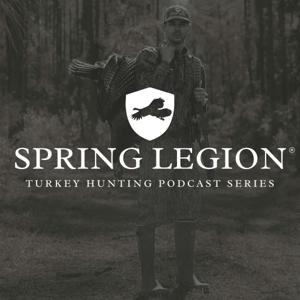

A gobbler that only talks once can make you question everything you think you know about spring turkey hunting. We’re in Mississippi with our buddy Easton Davis, who’s down from West Virginia, and the contrast hits fast: hotter mornings, thicker woods, flatter ground, and public land turkeys that have heard it all. Then the script flips and we get the kind of roost hunt most folks only daydream about.
We walk you through what changed and why it worked. From recognizing how hunting pressure creates “tight lipped” gobblers, to using late morning scouting to confirm a core area torn up with scratching, to understanding how creeks shape roost choices and travel lanes. We also talk about the tiny flydown window where a few honest notes on a mouth call can persuade a bird before he locks in on real hens, plus the sound challenges of pine bottoms where gobbles feel farther and wind can mimic drumming.
We zoom out too: turkey populations run in cycles, good hatches don’t happen by accident, and habitat management and restraint matter if we want strong spring turkey seasons for years to come. If you’re into Mississippi turkey hunting, West Virginia turkey hunting, public land strategy, turkey calling, and reading sign, this one is a straight dose of practical field talk.
Subscribe so you don’t miss the next road story, share this with your hunting group, and leave a review if the show helps you. What’s the quietest gobbler you’ve ever tried to kill, and what finally made him break?
LINK: Save 10% on your next North Mountain Gear Leafy Jacket with code LEGION26 at northmountaingear.com
LINK: SAVE 10% on the new 2026 Line of Turkey Hunting Gear at springlegion.com with code POD10
Follow us on Instagram:
@springlegion
@hunter.farrior
@chasefarrior
We'd like to thank the following sponsors for making this podcast possible:
 View all episodes
 By Spring Legion Turkey Hunting

4.9
339339 ratings
A gobbler that only talks once can make you question everything you think you know about spring turkey hunting. We’re in Mississippi with our buddy Easton Davis, who’s down from West Virginia, and the contrast hits fast: hotter mornings, thicker woods, flatter ground, and public land turkeys that have heard it all. Then the script flips and we get the kind of roost hunt most folks only daydream about.
We walk you through what changed and why it worked. From recognizing how hunting pressure creates “tight lipped” gobblers, to using late morning scouting to confirm a core area torn up with scratching, to understanding how creeks shape roost choices and travel lanes. We also talk about the tiny flydown window where a few honest notes on a mouth call can persuade a bird before he locks in on real hens, plus the sound challenges of pine bottoms where gobbles feel farther and wind can mimic drumming.
We zoom out too: turkey populations run in cycles, good hatches don’t happen by accident, and habitat management and restraint matter if we want strong spring turkey seasons for years to come. If you’re into Mississippi turkey hunting, West Virginia turkey hunting, public land strategy, turkey calling, and reading sign, this one is a straight dose of practical field talk.
Subscribe so you don’t miss the next road story, share this with your hunting group, and leave a review if the show helps you. What’s the quietest gobbler you’ve ever tried to kill, and what finally made him break?
LINK: Save 10% on your next North Mountain Gear Leafy Jacket with code LEGION26 at northmountaingear.com
LINK: SAVE 10% on the new 2026 Line of Turkey Hunting Gear at springlegion.com with code POD10
Follow us on Instagram:
@springlegion
@hunter.farrior
@chasefarrior
We'd like to thank the following sponsors for making this podcast possible:
4,804 Listeners

558 Listeners

1,473 Listeners
1,868 Listeners
689 Listeners
403 Listeners
1,252 Listeners
801 Listeners
388 Listeners

622 Listeners

1,389 Listeners
1,686 Listeners
1,221 Listeners

345 Listeners
63 Listeners