
Sign up to save your podcasts
Or

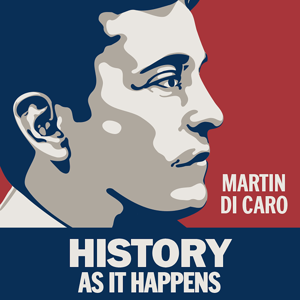

An effort by Republican lawmakers in several states to prohibit the teaching of the New York Times' 1619 Project in public schools has reignited the debate over who controls our understanding of the past. It has also refocused attention on the project's numerous factual errors about a matter of such surpassing importance as the American Revolution. University of Virginia historian Alan Taylor shares both criticism and praise of the 1619 Project's specific claims as well as its overall aim, which is to emphasize the importance of slavery and systemic racism in American history instead of the founding principles of liberty and freedom that were, as the project's opening essay argued, betrayed by the crime of human bondage.
 View all episodes
 By Martin Di Caro

4.4
6262 ratings
An effort by Republican lawmakers in several states to prohibit the teaching of the New York Times' 1619 Project in public schools has reignited the debate over who controls our understanding of the past. It has also refocused attention on the project's numerous factual errors about a matter of such surpassing importance as the American Revolution. University of Virginia historian Alan Taylor shares both criticism and praise of the 1619 Project's specific claims as well as its overall aim, which is to emphasize the importance of slavery and systemic racism in American history instead of the founding principles of liberty and freedom that were, as the project's opening essay argued, betrayed by the crime of human bondage.
8,474 Listeners
1,110 Listeners

743 Listeners

6,304 Listeners

724 Listeners

907 Listeners
14 Listeners

2,039 Listeners
7,244 Listeners
2,405 Listeners

16,525 Listeners

208 Listeners
385 Listeners
500 Listeners
496 Listeners