
Sign up to save your podcasts
Or

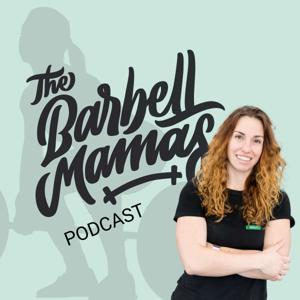


Motherhood transforms our bodies, our fitness routines, and our expectations – especially when we're thinking about adding another baby to the mix. That second pregnancy truly "hits different," and preparing for it requires special consideration if you're an active woman who loves to exercise.
Drawing from my experience as both a pelvic floor physical therapist and an athlete who has competed in CrossFit and weightlifting through multiple pregnancies, I explore the crucial elements of preparing your body for baby number two (or three!). We examine the science behind the recommended 18-month interpregnancy interval and how musculoskeletal readiness might influence your experience. Rather than focusing solely on the urogenital system's recovery, I highlight how core strength, pelvic floor rehabilitation, and overall fitness create a stronger foundation for subsequent pregnancies.
The reality of juggling exercise with an existing child presents unique challenges. That post-workout fatigue that was manageable during your first pregnancy takes on new meaning when a toddler needs your attention! I offer practical strategies for adjusting workout intensity to preserve energy while still maintaining strength. Most encouragingly, I share the positive trend I've observed among athletic women who approach their second pregnancies with significantly less fear around movement. Many find they can maintain higher training intensities longer, resulting in better physical experiences and faster recoveries.
Whether you're actively trying for another baby or simply contemplating your future family expansion, this episode provides thoughtful guidance for stacking the deck in your favor physically. Subscribe to the Barbell Mamas podcast for more conversations at the intersection of motherhood and athletic performance!
___________________________________________________________________________
Don't miss out on any of the TEA coming out of the Barbell Mamas by subscribing to our newsletter
You can also follow us on Instagram and YouTube for all the up-to-date information you need about pelvic health and female athletes.
Interested in our programs? Check us out here!
Ever wonder if all those interrupted workouts and chaotic fitness sessions while raising little ones will ever pay off? In this deeply personal episode, I share a breakthrough moment that brought tears to my eyes and validated years of persevering through the challenges of maintaining fitness as a mother.
My six-year-old daughter recently joined me for a 5.7-kilometer run (her biking alongside me) after previous unsuccessful attempts. The transformation wasn't just in her physical abilities, but in her mindset - "I believe in you, Mom, and I believe in me too," she said confidently. When we finished, she immediately set her sights higher: "I think I could do 6K next time!" This wasn't about appearance or obligation - it was pure joy in movement.
While much conversation around motherhood and fitness focuses on the postpartum period, I reflect on how the challenges evolve as children grow. From protecting nap time workouts to navigating school schedules and activities, the journey shifts continuously. Yet these perfectly imperfect moments reveal the power of consistent role modeling - showing our children that movement is celebration, not punishment; capability, not compensation. Following the long-term athlete development model in our home has created a foundation where fitness becomes a natural, joyful part of family life.
For those currently struggling through interrupted sets and modified workouts with little ones at home, take heart. The seeds you're planting now - even on days when nothing feels "enough" - are growing into something beautiful. As The Office reminds us, we're often in "the good old days" without realizing it. This beautiful chaos of dogs, chickens, kids, and careers amid burpees and barbells? It's everything I dreamed motherhood could be.
What fitness moments with your children have made your heart swell? Share your story and join our community of strength-seeking parents!
___________________________________________________________________________
Don't miss out on any of the TEA coming out of the Barbell Mamas by subscribing to our newsletter
You can also follow us on Instagram and YouTube for all the up-to-date information you need about pelvic health and female athletes.
Interested in our programs? Check us out here!
Every active mother has heard the warnings: "Be careful with exercise while breastfeeding." But what does science actually tell us about nursing and injury risk? A groundbreaking new study from our research team has finally addressed this question—and the results might surprise you.
Breastfeeding itself does not increase injury risk during postpartum exercise. This finding demolishes one of many persistent myths that have circulated for decades, from outdated concerns about lactic acid in breast milk to unfounded fears about milk supply diminishing with activity. While many nursing mothers do report changes in supply when increasing exercise volume, the research suggests this has more to do with inadequate fueling than the exercise itself.
What truly increases injury risk postpartum? The study identified two significant factors: reducing exercise by more than 50% during early pregnancy (increasing injury risk by 189%) and current or past eating disorders (increasing risk by 276%). These findings highlight a troubling pattern—the very precautions we take to "protect" pregnant bodies might be setting up postpartum athletes for harder recoveries and more injuries.
This research forces us to reconsider our approach to perinatal fitness. Too often, we focus exclusively on what pregnant women shouldn't do, without acknowledging the very real risks of deconditioning. A growing body of evidence suggests that maintaining appropriate fitness throughout pregnancy may facilitate smoother postpartum recovery by preserving muscular support systems that assist healing tissues after delivery.
As both a pelvic floor physical therapist and an athlete who competed in weightlifting, CrossFit, and powerlifting through my own pregnancies, I've experienced firsthand how profoundly a healthcare provider's words can impact a pregnant person's sense of safety in their own body. When my high-risk fetal medicine doctor confidently assured me that my trained body could handle continuing weightlifting during pregnancy, it completely transformed my experience.
Ready to dive deeper into evidence-based approaches to pregnancy and postpartum fitness? Subscribe to the Barbell Mamas podcast for weekly conversations about navigating motherhood as an active woman—whether you're a recreational exerciser or competitive athlete.
___________________________________________________________________________
Don't miss out on any of the TEA coming out of the Barbell Mamas by subscribing to our newsletter
You can also follow us on Instagram and YouTube for all the up-to-date information you need about pelvic health and female athletes.
Interested in our programs? Check us out here!
Are you fueling properly for your active lifestyle through pregnancy and postpartum? The answer might surprise you. In this eye-opening conversation with registered dietitian and sports nutritionist Mel Sulaver, we dive deep into the critical yet often misunderstood world of nutrition for athletic women navigating motherhood.
Recent research has revealed a disturbing connection: women with histories of low energy availability face significantly higher risks of preterm labor and delivery. This finding underscores what many health professionals have long suspected—our bodies need more fuel during pregnancy and postpartum than conventional wisdom suggests, especially when maintaining an active lifestyle.
Mel brings both professional expertise and personal experience to this conversation as a mother of two who's navigated these waters herself. She expertly dismantles the generic advice that suggests pregnant women need only minimal additional calories (150-400 depending on trimester), calling it "a load of garbage" that fails to account for individual variation and activity levels. For breastfeeding athletes, the standard recommendation of 400-550 extra calories often falls dramatically short.
We explore the telltale signs that distinguish normal postpartum fatigue from dangerous under-fueling, and why those persistent digestive issues might not be food intolerances at all—they could be your body's response to insufficient energy intake. Mel offers practical strategies for increasing nutrition without creating additional stress, acknowledging the real-world challenges of fueling properly when you're sleep-deprived and overwhelmed.
Perhaps most refreshingly, we reject the false dichotomy between "bounce back culture" and anti-diet rhetoric, finding middle ground for women who want to feel strong and capable in their bodies without extreme restriction. As Alana Meyer so perfectly puts it: "Nothing tastes as good as skinny feels? Have you tried being strong?"
Whether you're planning for pregnancy, currently pregnant, or finding your way postpartum, this conversation provides the knowledge and permission you need to properly nourish your athletic body through one of life's most demanding physical journeys.
___________________________________________________________________________
Don't miss out on any of the TEA coming out of the Barbell Mamas by subscribing to our newsletter
You can also follow us on Instagram and YouTube for all the up-to-date information you need about pelvic health and female athletes.
Interested in our programs? Check us out here!
Challenging long-held beliefs about diastasis recti, this episode dives deep into groundbreaking research that's transforming how we understand abdominal separation during pregnancy and postpartum recovery.
As a pelvic floor physical therapist and researcher, I've watched the online conversation around diastasis recti create unnecessary fear and restriction for active mothers. The truth? Most of what you've heard about "coning," "safe exercises," and postpartum recovery timelines isn't supported by current evidence. A shocking 60% of social media content about diastasis recti contains incorrect information according to new research by Dr. Sylvia Gaglio and colleagues.
Contrary to popular advice, the evidence doesn't support that coning causes harm or worsens abdominal separation. What's more surprising: exercises that move through range of motion (like sit-ups) may be more effective for reducing inter-recti distance than static holds like planks or bird dogs. This challenges the conventional approach of keeping postpartum women in neutral positions for extended periods.
The parallels between how we underdose exercise for seniors and postpartum women are striking. Out of fear of causing harm, we may be holding new mothers back from building the strength and resilience they truly need for the physical demands of parenthood. The goal isn't to eliminate all strain on your abdominal wall—it's to build a core strong enough to handle the inevitable strains of daily life and movement.
Whether you're currently pregnant, navigating postpartum recovery, or working with prenatal clients, this episode offers evidence-based perspectives to help you approach core training with confidence rather than fear. Subscribe to the Barbell Mamas podcast for more myth-busting conversations at the intersection of motherhood, strength, and movement.
___________________________________________________________________________
Don't miss out on any of the TEA coming out of the Barbell Mamas by subscribing to our newsletter
You can also follow us on Instagram and YouTube for all the up-to-date information you need about pelvic health and female athletes.
Interested in our programs? Check us out here!
Dive into a thoughtful critique of "Floored," the bestselling pelvic floor health book by Dr. Sarah Reardon (The Vagina Whisperer). This episode unpacks both the groundbreaking achievements and potential shortcomings of this influential text that's reshaping how we talk about pelvic health.
As a pelvic floor physical therapist and researcher, I offer a balanced assessment of how this book succeeds brilliantly in making pelvic floor conversations accessible and shame-free. The conversational tone and clear explanations of complex anatomy deserve significant praise, especially in the excellent chapters on sexual function and pain management.
However, I challenge several recommendations around posture and exercise that don't align with current evidence. Claims suggesting crossing your legs or specific sleeping positions cause dysfunction aren't supported by research. Similarly, the advice to "always Kegel during resistance training" and "always exhale during exertion" oversimplifies the complex, integrated nature of how our bodies naturally function during movement.
Most concerning are statements suggesting women can cause "permanent pelvic floor dysfunction" by returning to exercise "too soon" after birth - language that inadvertently blames mothers for symptoms largely determined by genetics and birth trauma. These symptoms are expected parts of recovery, not indicators of failure.
Whether you've read the book or are curious about pelvic health, this episode offers valuable context for understanding how we can empower rather than frighten women with health information. Let's celebrate progress while continuing to evolve our understanding based on the best available evidence.
What pelvic health books or resources have you found most helpful? Share your thoughts and join the conversation about evidence-based approaches to women's health.
___________________________________________________________________________
Don't miss out on any of the TEA coming out of the Barbell Mamas by subscribing to our newsletter
You can also follow us on Instagram and YouTube for all the up-to-date information you need about pelvic health and female athletes.
Interested in our programs? Check us out here!
Have you ever wondered why certain pregnancy myths refuse to die despite lacking scientific evidence? The answer lies in how our digital ecosystem perpetuates misinformation through well-meaning but often unqualified influencers.
The motherhood space on platforms like TikTok has become a breeding ground for myths around labor induction and postpartum recovery. When desperate moms-to-be try curb walking or special teas before spontaneously going into labor, they create powerful mental associations between these activities and their outcomes. This saliency effect—attributing results to the most recent notable action—creates the illusion that these methods work, when in reality, baby was simply ready to arrive.
Even more concerning is the postpartum recovery space, where influencers showcase remarkable physical transformations while marketing simple programs as the secret to their success. What's conveniently omitted is the foundation that made their recovery possible: years of prior training, home gyms, supportive partners who prioritize fitness, favorable genetics, and fewer responsibilities (particularly with first babies). These privileged circumstances create the perfect environment for rapid recovery that most women simply don't have access to.
The fundamental problem is the conflation of personal experience with expertise. As fitness professional Claire from Barbell Medicine perfectly states, "Your experience does not equal your expertise." Without proper education and diverse client experience, these influencers create underdosed, one-size-fits-all programs that fail to deliver promised results for most followers. The consequence? Women blame themselves when they can't achieve influencer-like outcomes, despite diligently following recommendations.
This isn't about vilifying well-intentioned creators but encouraging transparency about scope of practice, program limitations, and the many factors beyond exercise that contribute to outcomes. We deserve nuanced conversations about pregnancy and postpartum fitness that acknowledge the complex interplay of genetics, training history, and life circumstances—something impossible to deliver in 15-second sound bites designed to sell programs.
Have you encountered fitness myths that seemed too good to be true in your motherhood journey? Share your experience or join us on TikTok @thebarbellmama for evidence-based information that respects the uniqueness of your path.
___________________________________________________________________________
Don't miss out on any of the TEA coming out of the Barbell Mamas by subscribing to our newsletter
You can also follow us on Instagram and YouTube for all the up-to-date information you need about pelvic health and female athletes.
Interested in our programs? Check us out here!
Groundbreaking research is reshaping what we know about pelvic health for active women. This episode dives into three significant developments that challenge conventional wisdom about incontinence, pregnancy exercise, and pelvic organ prolapse.
The first revelation? Athletes who experience leaking during exercise actually have stronger pelvic floors, not weaker ones as previously thought. Recent studies from both strength athletes and endurance runners confirm this surprising finding. The real culprits appear to be coordination deficits (the pelvic floor contracting too late during impact) and weak gluteal muscles that fail to properly support the pelvic floor system. This suggests we need to move beyond simple Kegels to address the entire core system.
Equally exciting is new research examining highly active pregnant women who exercise more than 300 minutes weekly in their third trimester. These women experience fewer delivery complications than less active counterparts, though they show slightly higher rates of diastasis recti postpartum. Rather than recommending exercise reduction, we should focus on strengthening these athletes' core muscles and considering external support options to help them safely maintain their preferred activity levels.
Perhaps most transformative is the medical community's reconsideration of pelvic organ prolapse definitions. With up to 50% of women having anatomical findings that would classify as prolapse but only 3-8% experiencing symptoms, we're questioning whether we're pathologizing normal anatomy. The vagina naturally moves and shifts throughout the day—it's not a rigid structure. Current assessment methods don't reflect real-world function, creating unnecessary fear for many women.
These research developments collectively signal a more sophisticated approach to pelvic health—one that considers coordination, functional movement patterns, and individual variability rather than simplistic strength-focused solutions. For active women navigating motherhood, this evolution promises more effective support with fewer unnecessary restrictions.
___________________________________________________________________________
Don't miss out on any of the TEA coming out of the Barbell Mamas by subscribing to our newsletter
You can also follow us on Instagram and YouTube for all the up-to-date information you need about pelvic health and female athletes.
Interested in our programs? Check us out here!
Fear nearly kept me from motherhood. Growing up watching my mother battle severe mental health challenges that began in her postpartum period with twins left me terrified that history might repeat itself. That deeply personal story opens our candid exploration of postpartum depression and anxiety—conditions that affect countless women who suffer in silence.
What exactly distinguishes normal "baby blues" from actual mood disorders requiring intervention? When does typical new-parent worry cross the line into clinical anxiety? These questions remain frustratingly difficult to answer, particularly with postpartum anxiety, which lacks the research attention and screening tools that depression has received. Many high-achieving women dismiss their symptoms as merely being "type A" or having "perfectionist tendencies," missing opportunities for early intervention.
The most exciting development in this field comes from emerging research showing that exercise—specifically accumulating 120 minutes weekly of moderate activity—provides significant protection against postpartum mood disorders. This evidence helped transform international guidelines away from mandatory six-week exercise restrictions. When you're in a vulnerable low-estrogen state that predisposes you to depression, movement becomes more than physical rehabilitation—it's mental health medicine.
For mothers struggling with depression symptoms who can barely get out of bed, the standard exercise prescription can feel impossible. That's where "movement snacks" prove transformative—just 5-10 minutes of activity can provide immediate mood benefits. Starting small and building gradually creates momentum when traditional workouts seem overwhelming.
Most importantly, we must normalize asking for help. The cultural expectation that mothers should silently shoulder their burdens does immeasurable harm. As one poignant quote reminds us: "I want you to bother me." Your friends want to support you through difficult times, not just celebrate the happy moments. They want to sit with you in vulnerability without judgment.
Ready to break the silence around maternal mental health? Share this episode with someone who might need permission to reach out. Remember that no matter where you are in your motherhood journey, you never need to face these challenges alone.
___________________________________________________________________________
Don't miss out on any of the TEA coming out of the Barbell Mamas by subscribing to our newsletter
You can also follow us on Instagram and YouTube for all the up-to-date information you need about pelvic health and female athletes.
Interested in our programs? Check us out here!
The boundaries of female athleticism are expanding in thrilling ways, yet the research supporting women's unique physiological journeys lags significantly behind. From my recent experience at the Female Athlete Conference in Boston, I've returned brimming with insights about how we're finally beginning to address this disparity.
What makes this biennial gathering extraordinary is the spirit of collaboration. Sports medicine physicians, obstetricians, researchers, physical therapists, nutritionists, and coaches share knowledge freely, recognizing that advancing women's sports medicine requires collective effort rather than competition. This stands in refreshing contrast to the typically siloed approach in both healthcare and academia.
A powerful theme emerged around trusting athletes to tell their own stories. In the shadow of the USA Gymnastics abuse scandal, healthcare providers are recognizing how critical it is to center athletes in their care decisions. This parallels what we need in maternal healthcare – placing the birthing person at the center while providers serve as supportive guides rather than authority figures. The most successful approach appears to be multidisciplinary, as demonstrated by the US rowing team where two athletes had babies three months apart during Olympic training and returned to win medals with comprehensive support.
The conference revealed fascinating nuances about menstrual cycles, with research showing extreme variability in cycle length, ovulation timing, and hormone profiles among athletes. This variability makes generic cycle-syncing workout programs virtually impossible to implement effectively. More concerning were discussions around fertility risks in elite sport, where high training volumes combined with inadequate fueling can lead to anovulatory cycles even when menstruation appears regular.
Perhaps most exciting was the focus on previously neglected populations – particularly masters athletes navigating perimenopause and menopause. With some women transitioning directly from postpartum to perimenopause (especially those having children in their 40s), there's an urgent need for research in this area. Equipment design also emerged as a critical barrier, with revelations about cyclists undergoing labioplasty because bike seats weren't designed for female anatomy.
The most profound reframing questioned why we measure women's sporting advancement by how closely it approaches men's sports. What if instead, we focused on making women's sports the absolute best they can be without male performance as the benchmark? This perspective shift invites us to value women's sport for its unique contributions rather than as a perpetual game of catch-up.
Join me as we continue exploring how these emerging insights can support your journey as an active woman through pregnancy, postpartum, and beyond!
___________________________________________________________________________
Don't miss out on any of the TEA coming out of the Barbell Mamas by subscribing to our newsletter
You can also follow us on Instagram and YouTube for all the up-to-date information you need about pelvic health and female athletes.
Interested in our programs? Check us out here!
From the publisher's feed
1,352 Listeners

2,170 Listeners

111,767 Listeners

56,395 Listeners

1,037 Listeners
502 Listeners

164,574 Listeners
555 Listeners

6,342 Listeners

7,551 Listeners

1,101 Listeners

18,897 Listeners

1,223 Listeners
27 Listeners
63 Listeners