
Sign up to save your podcasts
Or

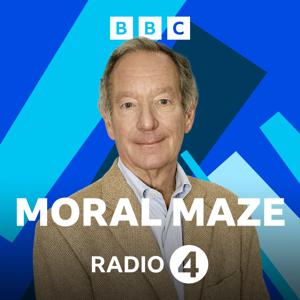

No one has come up with a better or pithier definition of public service broadcasting than John, later Lord Reith. The purpose of the BBC is to "inform, educate and entertain." For Reith, the son of a minister, the creation of the BBC was a public service; an unambiguous moral good and ever since Reithian has become an adjective that symbolises a kind of broadcasting that promoted virtue to the nation and one that should not be sullied by commerce. To "inform, educate and entertain" are still part of the BBC's mission today, but for how much longer? And how should we define what public service broadcasting is in a global, digital world? This week the government will publish a green paper setting out the details of a fundamental review of the BBC, examining its future size, funding and purpose. The BBC is funded by what is effectively a universal tax so making sure everyone gets something out of it has always been an issue. Advocates of public service broadcasting often talk about defending cultural quality, making programmes that no one else would about issues that would otherwise be ignored. But some of the best, most talked about programmes in recent times have been on internet, subscription only services. And there are plenty of other organisations such a museums, galleries and charities offering their own public service content free of charge. As the lines between the internet and broadcasting blur what role should the state have in regulating what we chose to watch and how we pay for it? This is not simply a debate about the future of the BBC, but about the moral and ethical tensions between what benefits the individual and what benefits society as a whole.
 View all episodes
 By BBC Radio 4

4.6
5151 ratings
No one has come up with a better or pithier definition of public service broadcasting than John, later Lord Reith. The purpose of the BBC is to "inform, educate and entertain." For Reith, the son of a minister, the creation of the BBC was a public service; an unambiguous moral good and ever since Reithian has become an adjective that symbolises a kind of broadcasting that promoted virtue to the nation and one that should not be sullied by commerce. To "inform, educate and entertain" are still part of the BBC's mission today, but for how much longer? And how should we define what public service broadcasting is in a global, digital world? This week the government will publish a green paper setting out the details of a fundamental review of the BBC, examining its future size, funding and purpose. The BBC is funded by what is effectively a universal tax so making sure everyone gets something out of it has always been an issue. Advocates of public service broadcasting often talk about defending cultural quality, making programmes that no one else would about issues that would otherwise be ignored. But some of the best, most talked about programmes in recent times have been on internet, subscription only services. And there are plenty of other organisations such a museums, galleries and charities offering their own public service content free of charge. As the lines between the internet and broadcasting blur what role should the state have in regulating what we chose to watch and how we pay for it? This is not simply a debate about the future of the BBC, but about the moral and ethical tensions between what benefits the individual and what benefits society as a whole.

7,720 Listeners

884 Listeners

1,067 Listeners
152 Listeners

5,550 Listeners

1,793 Listeners

1,734 Listeners

1,020 Listeners
2,102 Listeners

1,925 Listeners
33 Listeners
35 Listeners

410 Listeners

164 Listeners
40 Listeners
71 Listeners
105 Listeners
688 Listeners

3,166 Listeners

732 Listeners
1,004 Listeners

3,482 Listeners

1,176 Listeners
742 Listeners

41 Listeners