
Sign up to save your podcasts
Or

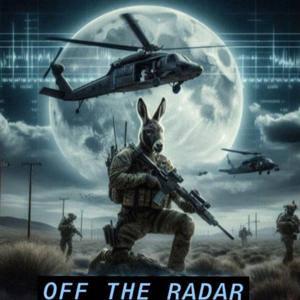

This is part 1 of our 2-part conversation focused on communications, mission command, digital force protection, and SOF tactical cyber and space operation. During rotations at the National Training Center (NTC) and Joint Readiness Training Center (JRTC) the Special Operations training units must efficiently and effectively communication within their own formations, across to conventional, host nation, and Joint forces, and out to other governmental agencies. Communication is a challenge in and of itself but when operating across a vast geographic area with forces in a simulated contested or denied environment actively been hunted by the opposing force communicating clearly and timely likely means the difference between victory and defeat. Additional consider the implications to mission command and digital force protection.
- SOF and Conventional communication systems integration, Leadership Training Program is too late for training units to integrate their communications architecture, recommend working that integration even earlier like at the initial planning conference
- SOF units should work with conventional units at homesteading to integrate communication systems
- SOF units do have successes during rotations in terms of communications with conventional forces
- SOF training units have been successful by getting tactical radio keys/fills and being able to operate on the conventional units on tactical comms, additionally using the same equipment that the conventional unit uses such as a JBCP (joint battle command platform)
- training, experience, and willingness to try new things with the equipment enables success in terms of communication systems, practice practice, practice
- understanding command guidance and when to accept risk to communicate or not communicate
- High Frequency: might be the answer to most of the digital force protection dilemmas presented at NTC; but comes with its own challenges and limitations; fishing pole antenna gives you up to 500 miles; voice and data
- digital force protection must be balanced with risk to force and risk to mission
- SOF companies and below have limited understanding of tactical space and cyber but are working through what that looks like in the dirt at the Combat Training Centers; does it require specialized personnel or just specialized equipment?
- SOF operations including space and cyber don’t have to be enacted by SOF personal, SOF units work by, with, and through partners to achieve mission success
To provide feedback please email the host, CPT Rich, at [email protected].
Produced, edited, and sound engineering by Micah Popp of Salty Sounds
 View all episodes
 By Burro Team

4.2
55 ratings
This is part 1 of our 2-part conversation focused on communications, mission command, digital force protection, and SOF tactical cyber and space operation. During rotations at the National Training Center (NTC) and Joint Readiness Training Center (JRTC) the Special Operations training units must efficiently and effectively communication within their own formations, across to conventional, host nation, and Joint forces, and out to other governmental agencies. Communication is a challenge in and of itself but when operating across a vast geographic area with forces in a simulated contested or denied environment actively been hunted by the opposing force communicating clearly and timely likely means the difference between victory and defeat. Additional consider the implications to mission command and digital force protection.
- SOF and Conventional communication systems integration, Leadership Training Program is too late for training units to integrate their communications architecture, recommend working that integration even earlier like at the initial planning conference
- SOF units should work with conventional units at homesteading to integrate communication systems
- SOF units do have successes during rotations in terms of communications with conventional forces
- SOF training units have been successful by getting tactical radio keys/fills and being able to operate on the conventional units on tactical comms, additionally using the same equipment that the conventional unit uses such as a JBCP (joint battle command platform)
- training, experience, and willingness to try new things with the equipment enables success in terms of communication systems, practice practice, practice
- understanding command guidance and when to accept risk to communicate or not communicate
- High Frequency: might be the answer to most of the digital force protection dilemmas presented at NTC; but comes with its own challenges and limitations; fishing pole antenna gives you up to 500 miles; voice and data
- digital force protection must be balanced with risk to force and risk to mission
- SOF companies and below have limited understanding of tactical space and cyber but are working through what that looks like in the dirt at the Combat Training Centers; does it require specialized personnel or just specialized equipment?
- SOF operations including space and cyber don’t have to be enacted by SOF personal, SOF units work by, with, and through partners to achieve mission success
To provide feedback please email the host, CPT Rich, at [email protected].
Produced, edited, and sound engineering by Micah Popp of Salty Sounds

544 Listeners
1,077 Listeners

112,263 Listeners

780 Listeners
38 Listeners

46,070 Listeners

1,662 Listeners
410 Listeners

29,378 Listeners

10 Listeners

96 Listeners
161 Listeners